
SunCrest Lifestyle Presents
15857 Mercer Hollow Cove

Welcome Home
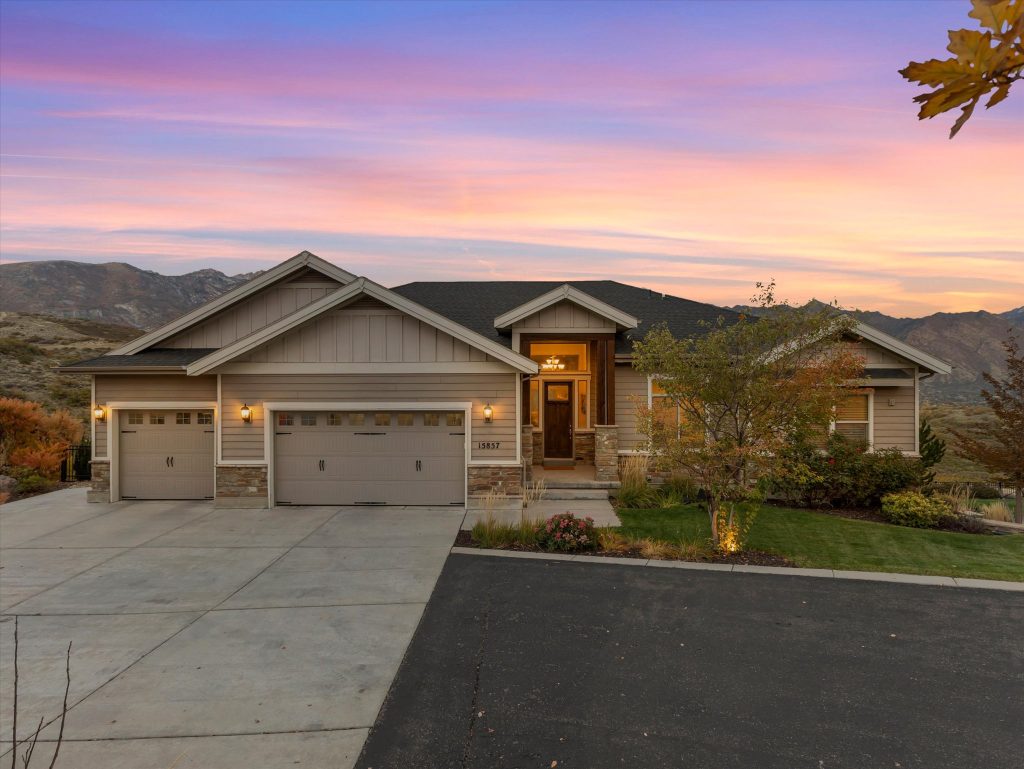
Welcome to 15857 Mercer Hollow Cove
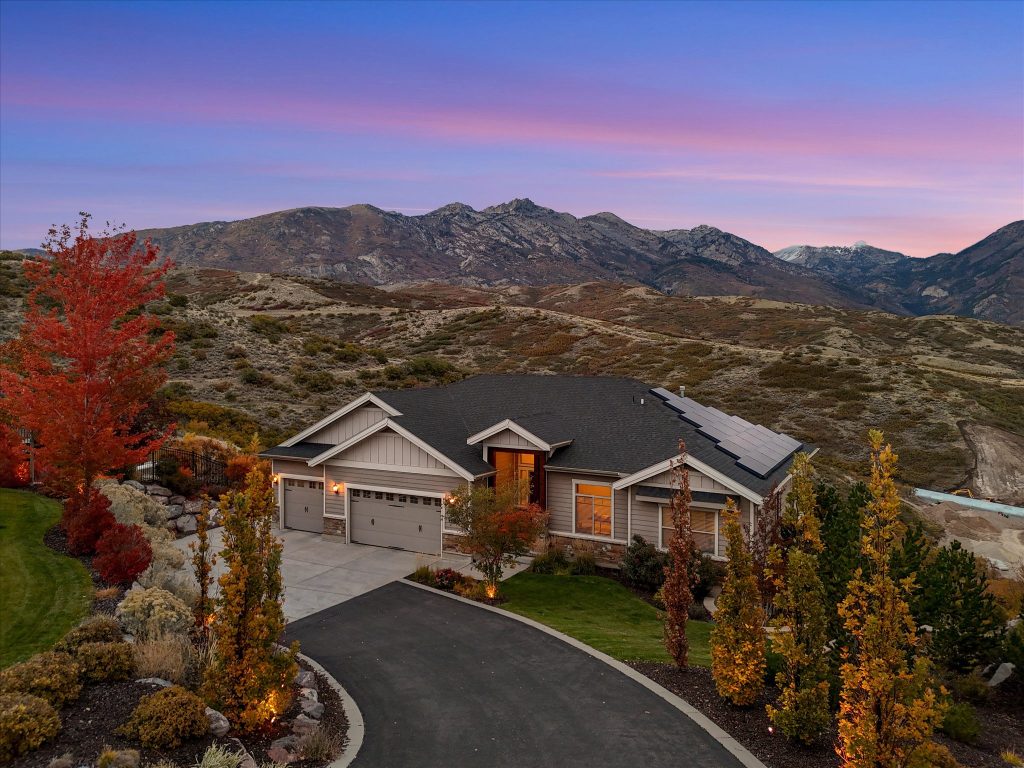
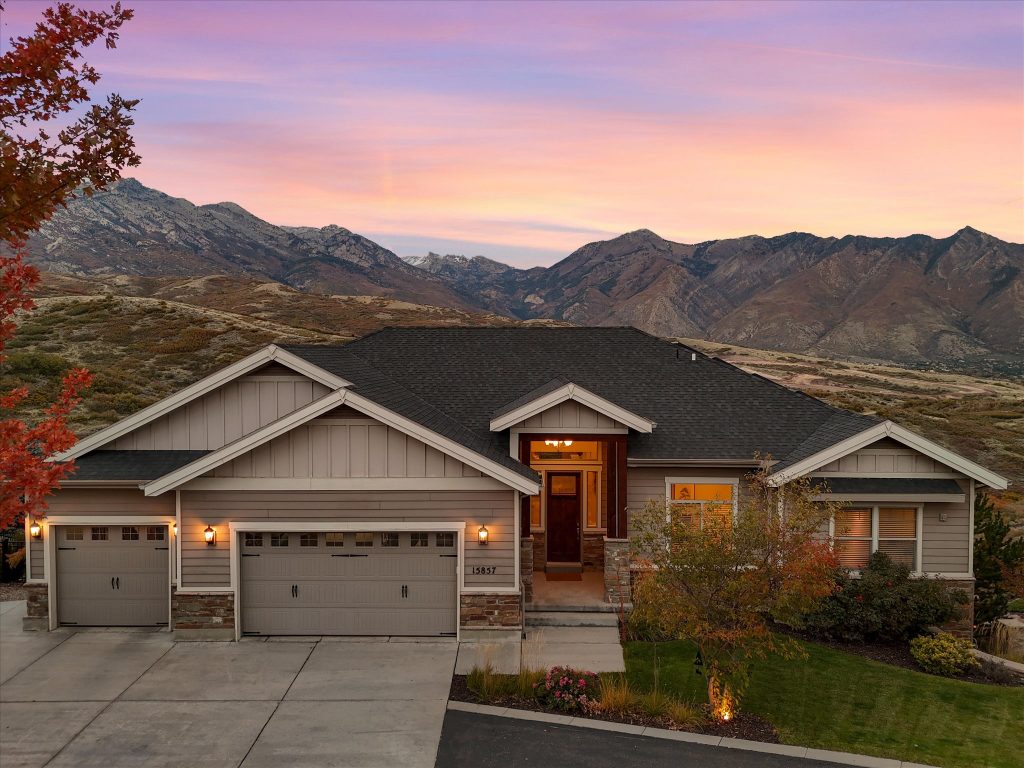
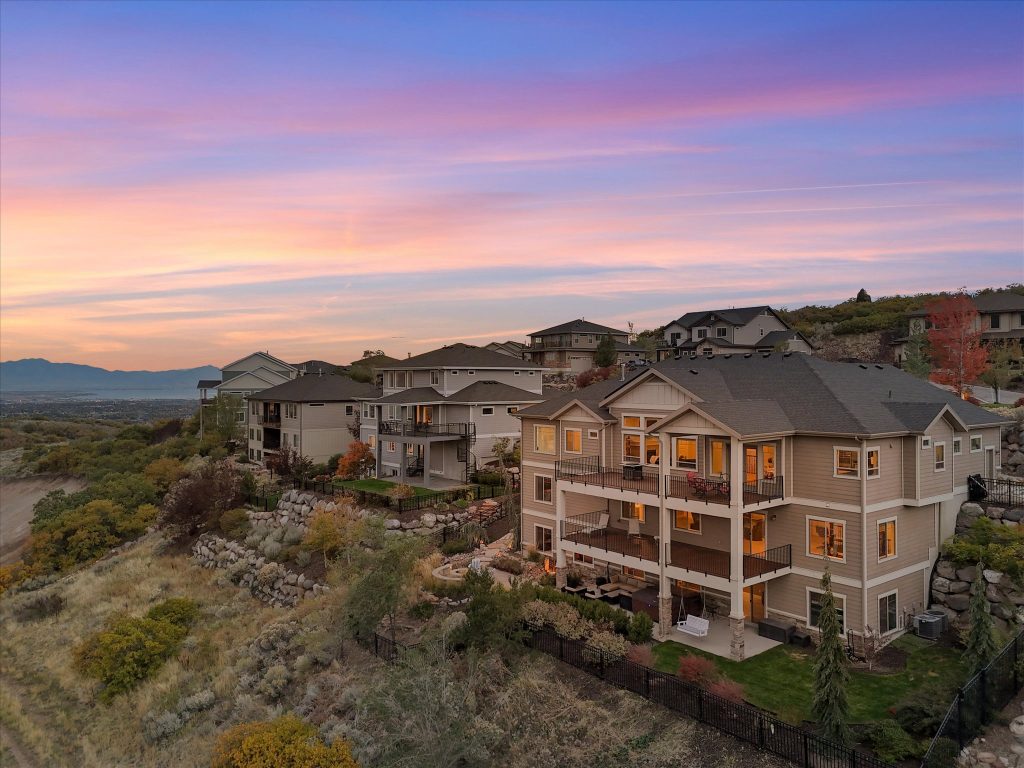
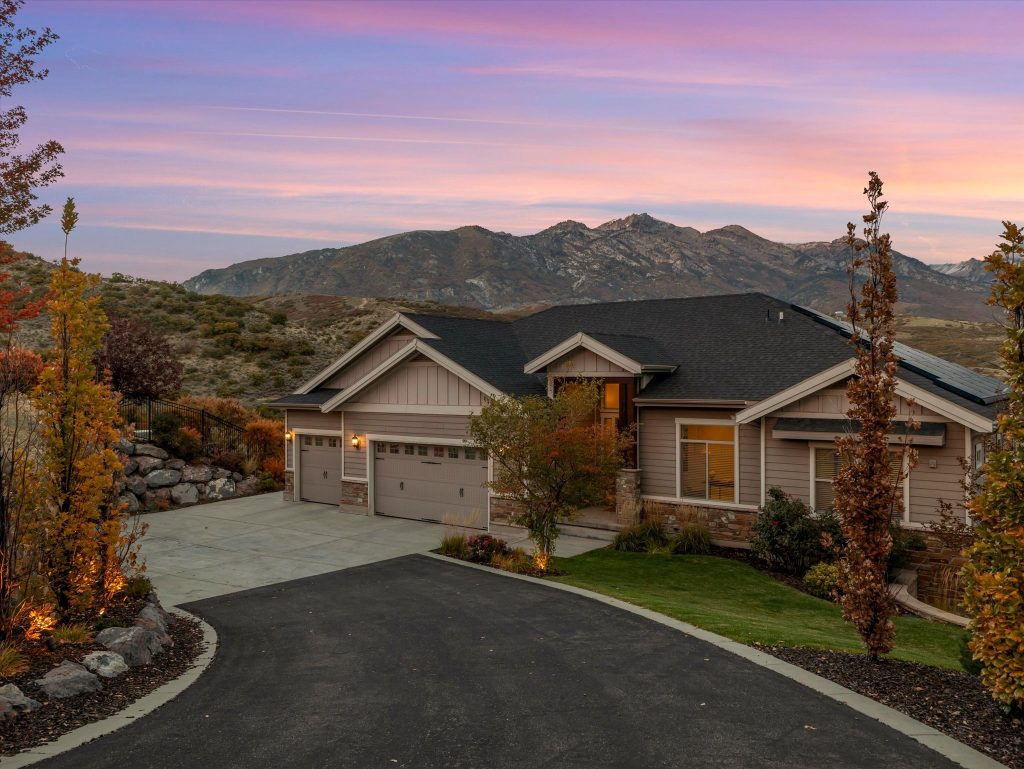
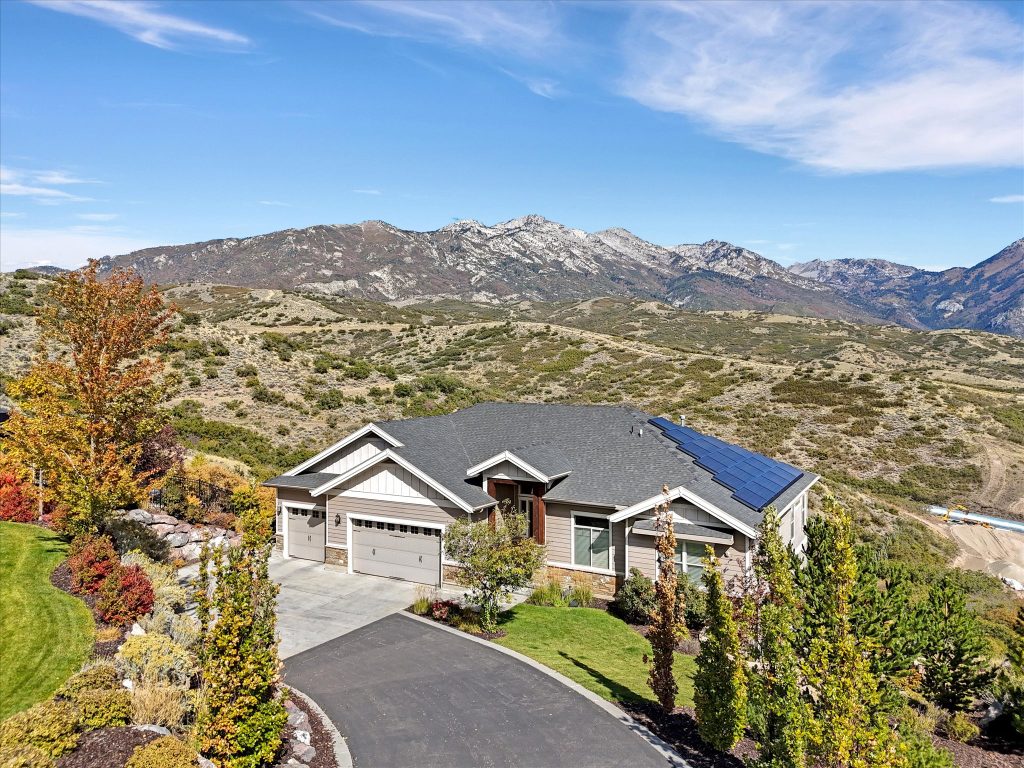
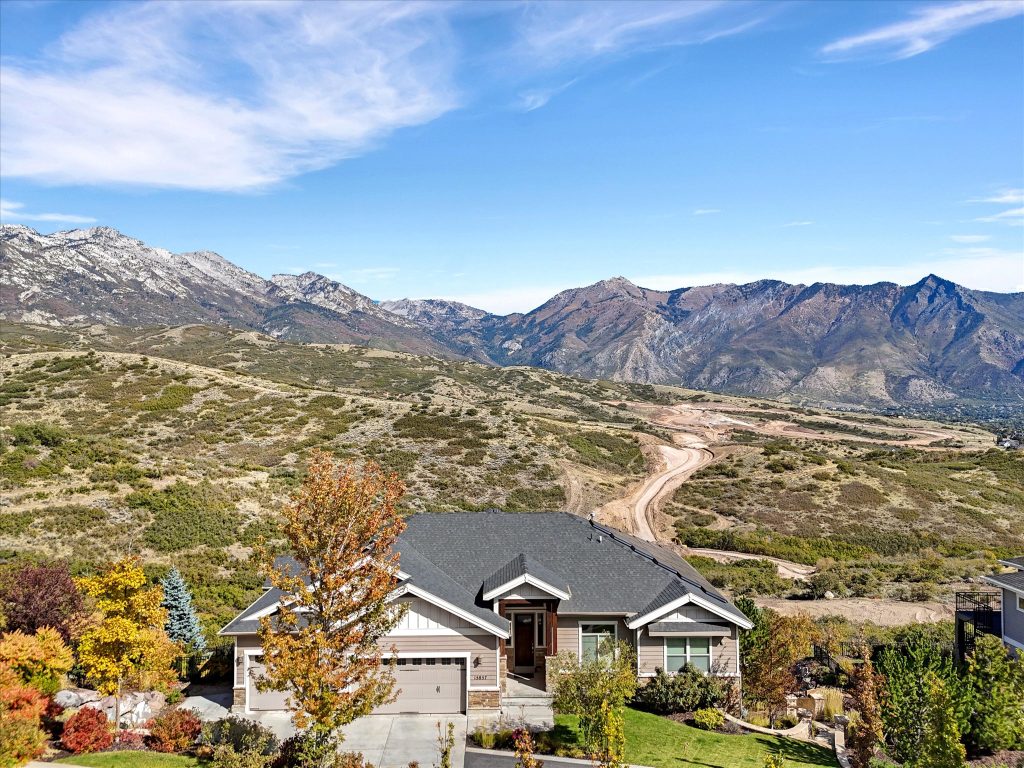
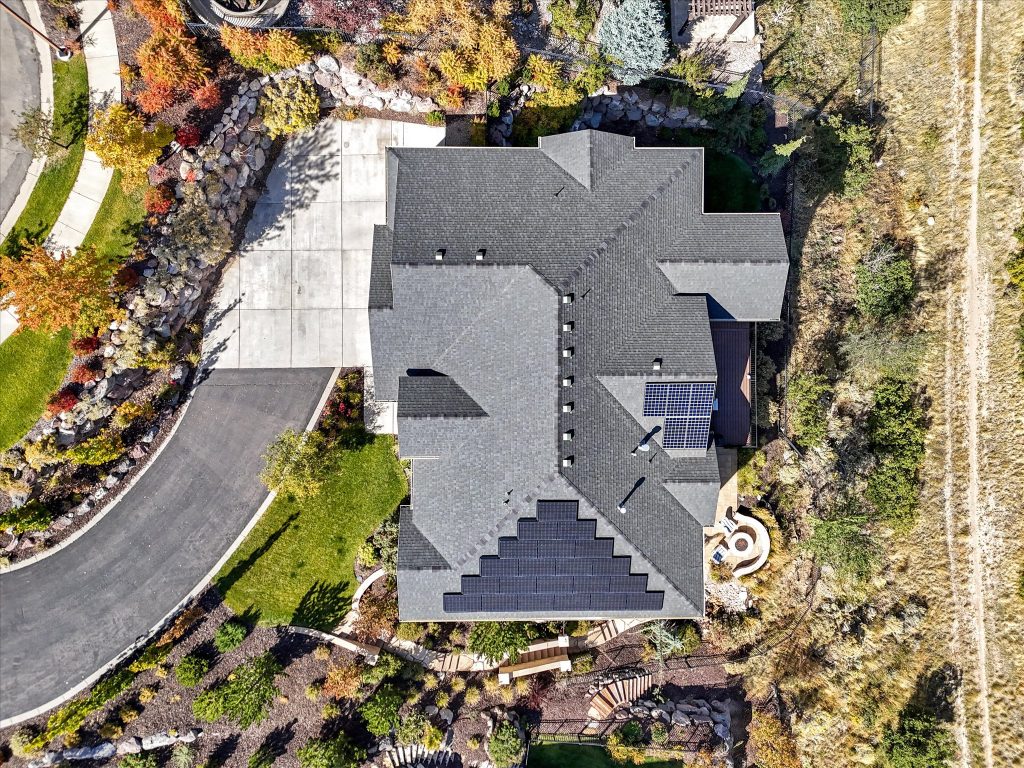
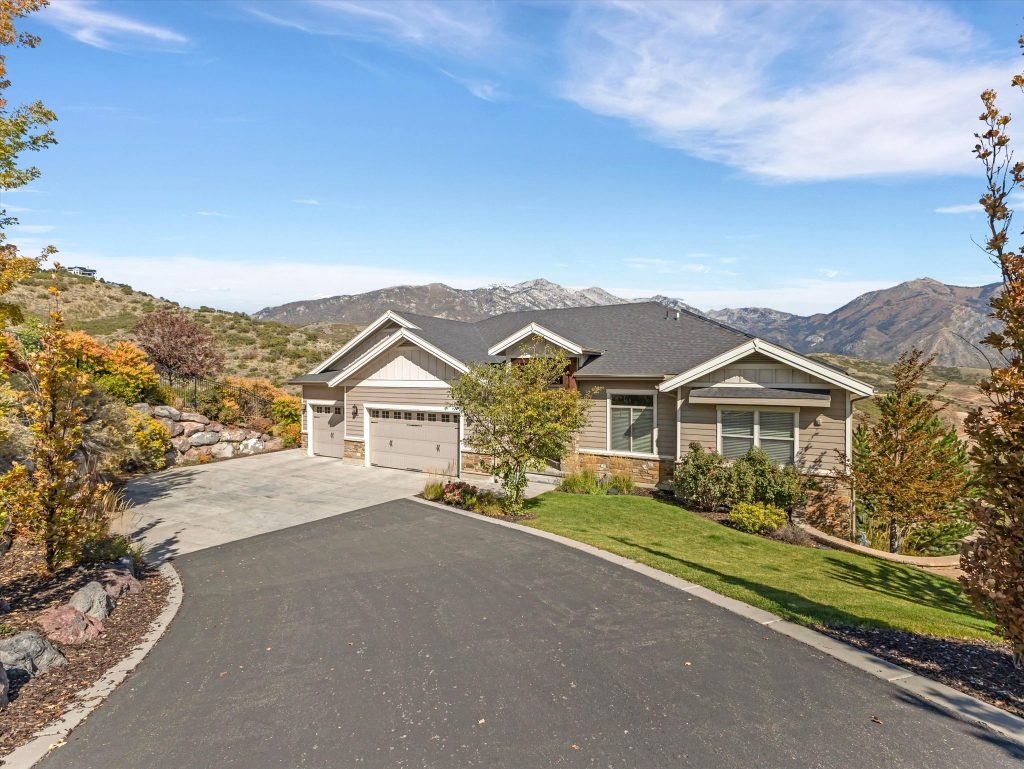
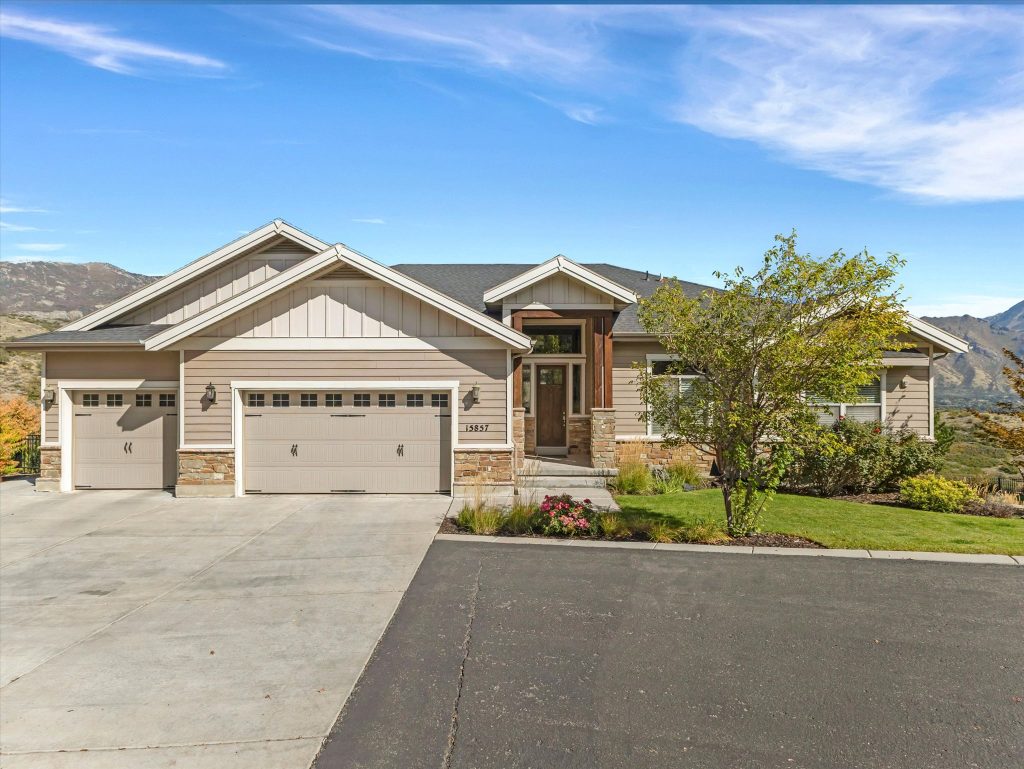
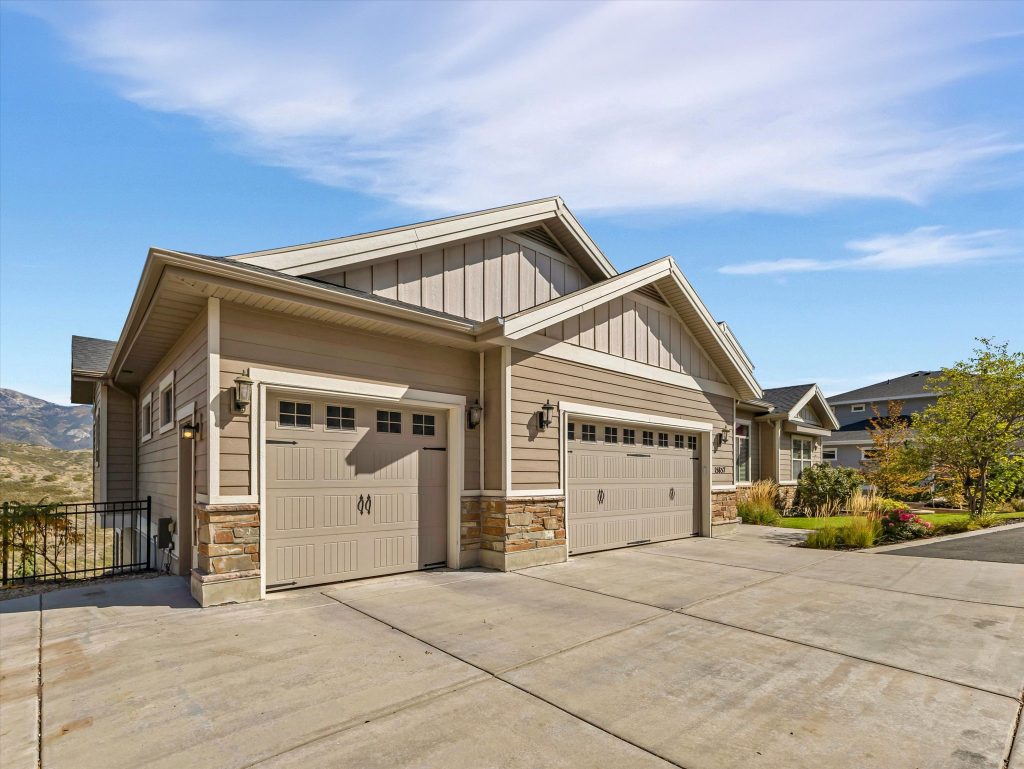
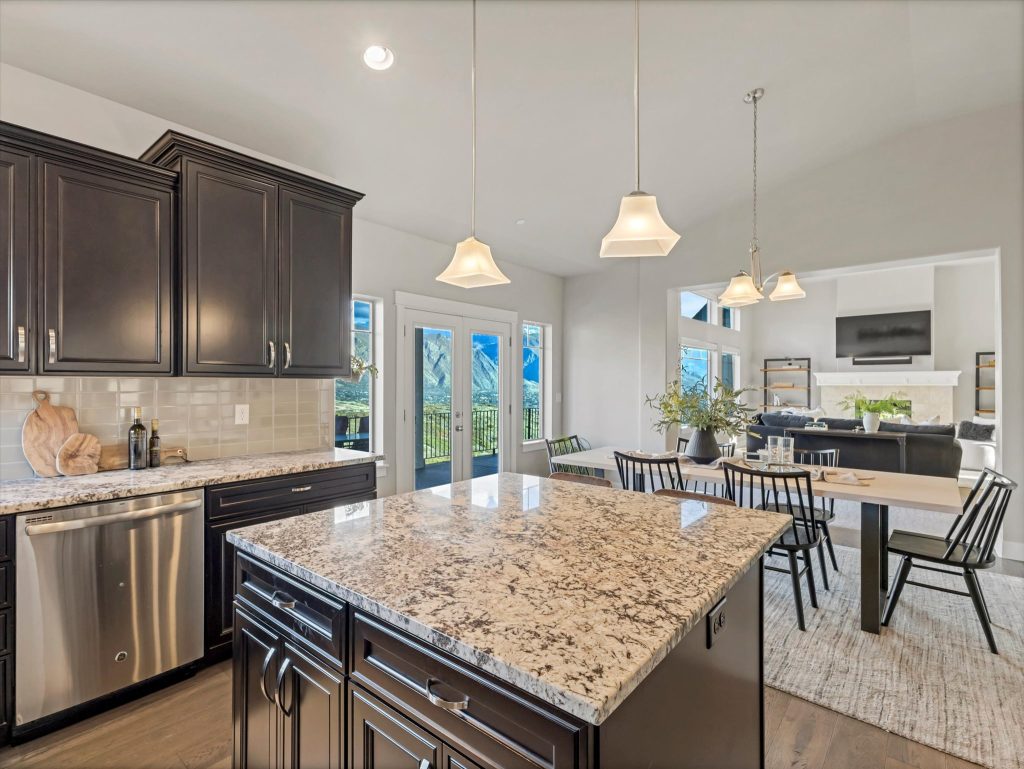
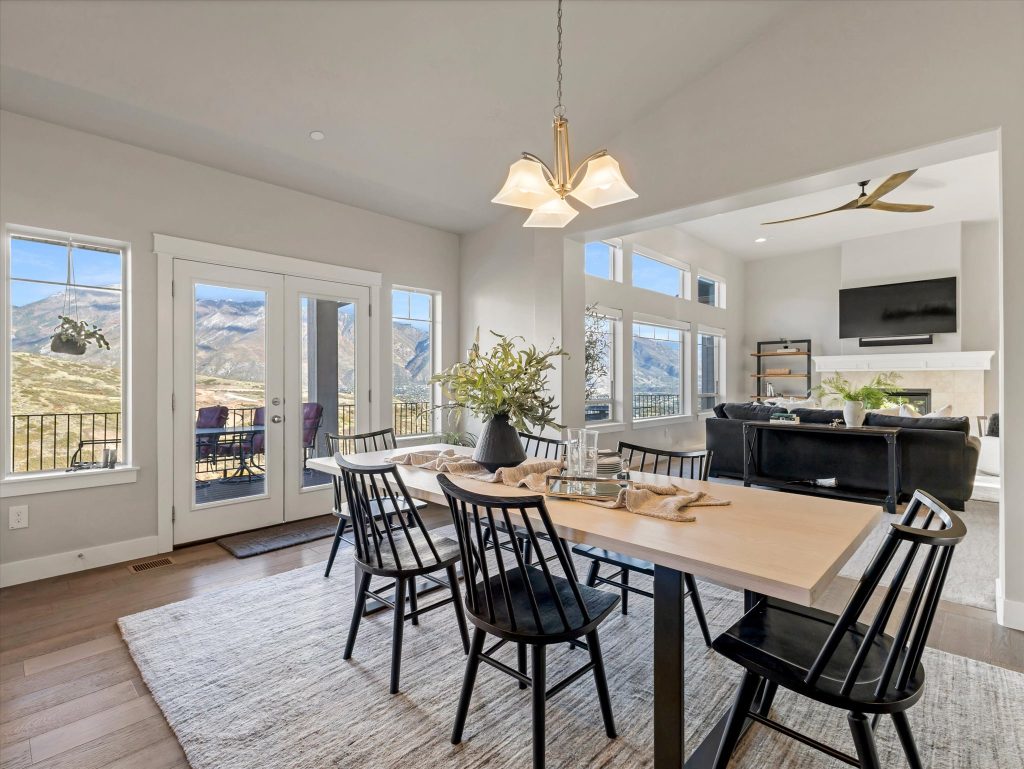
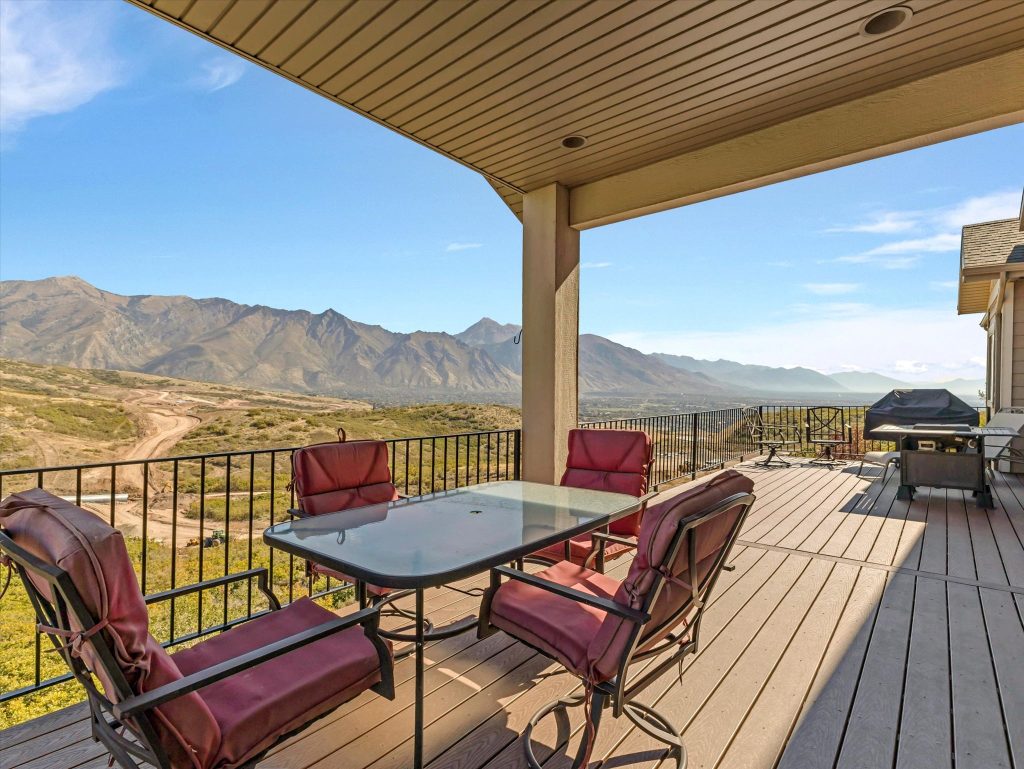
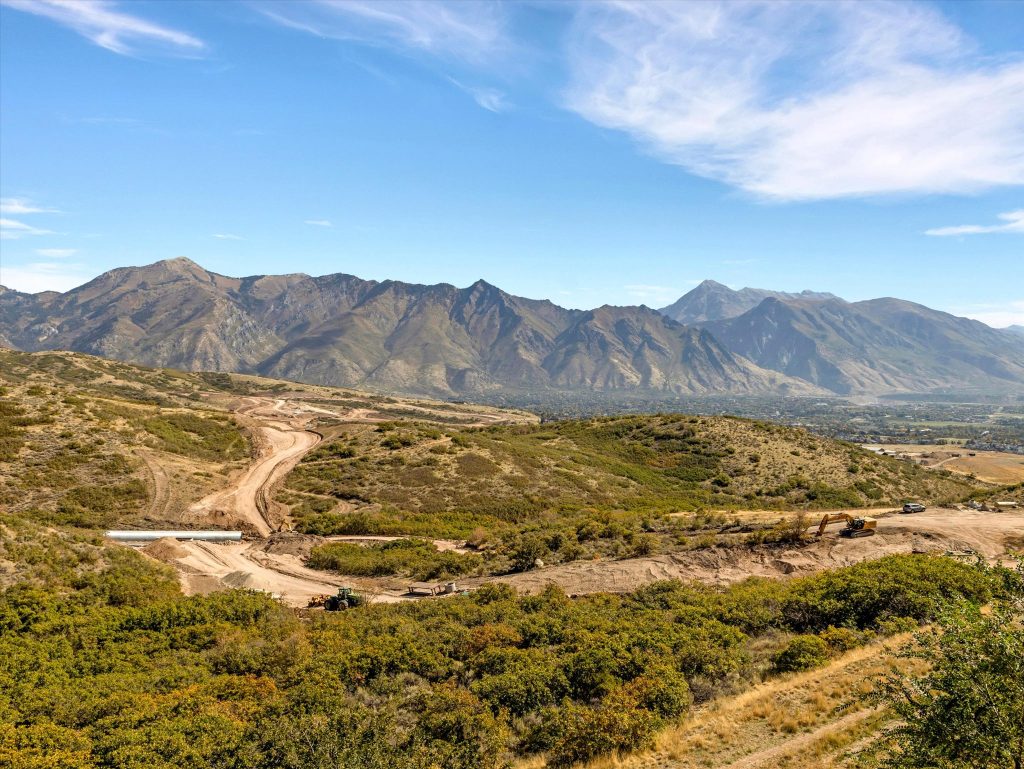
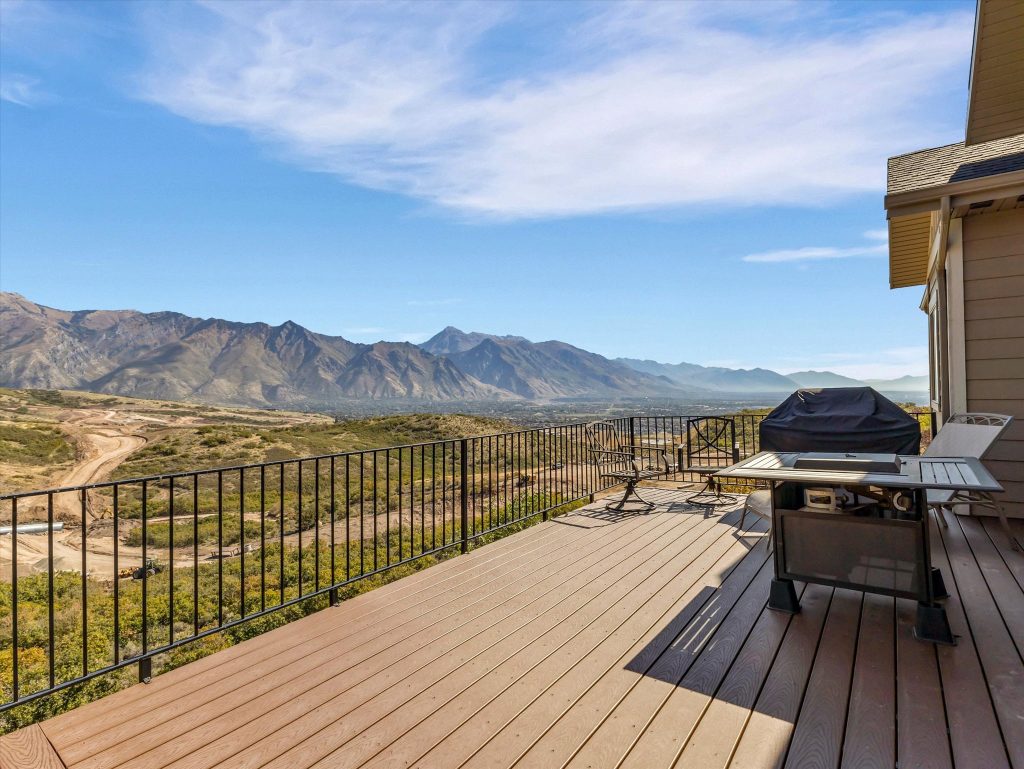
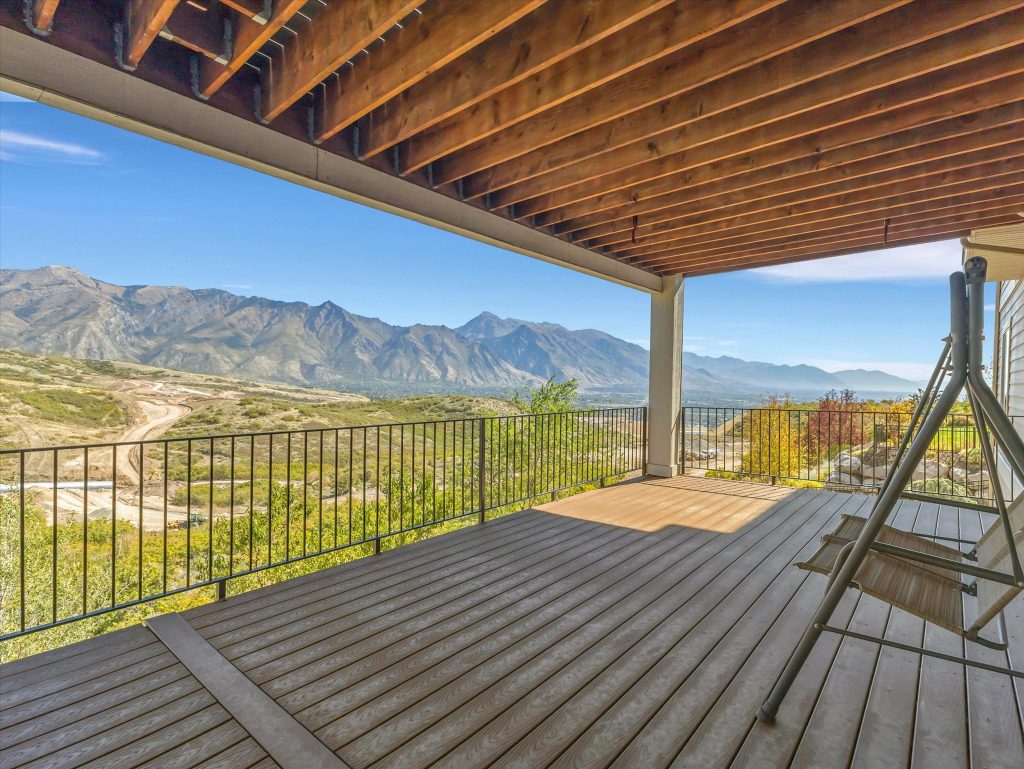
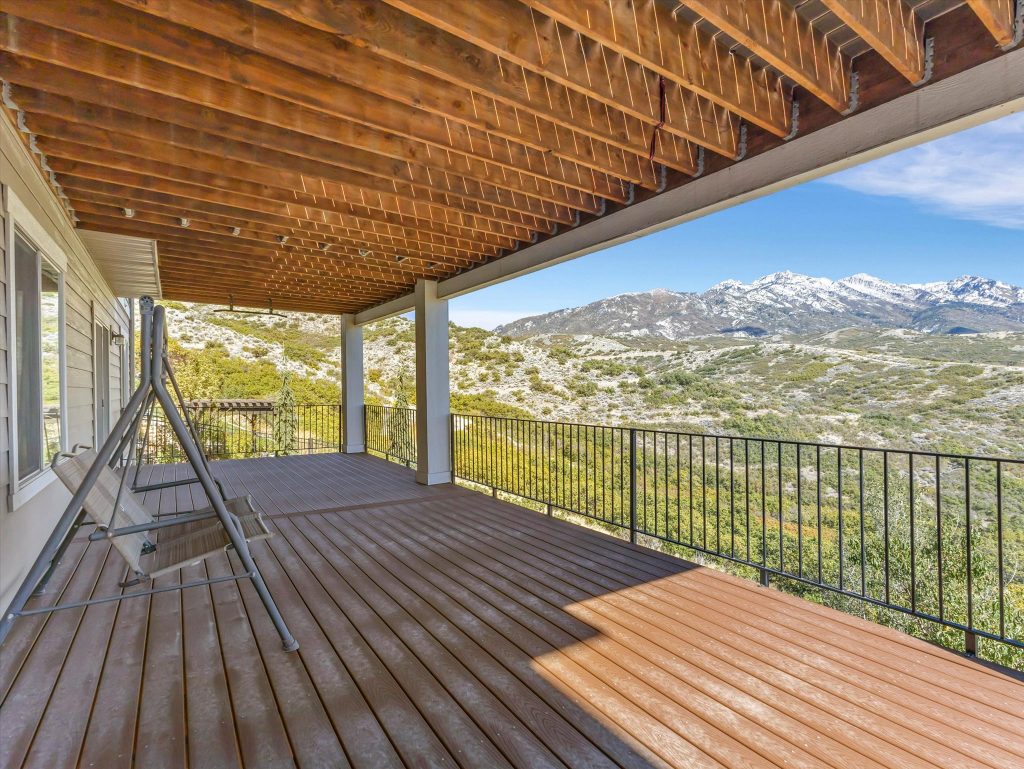
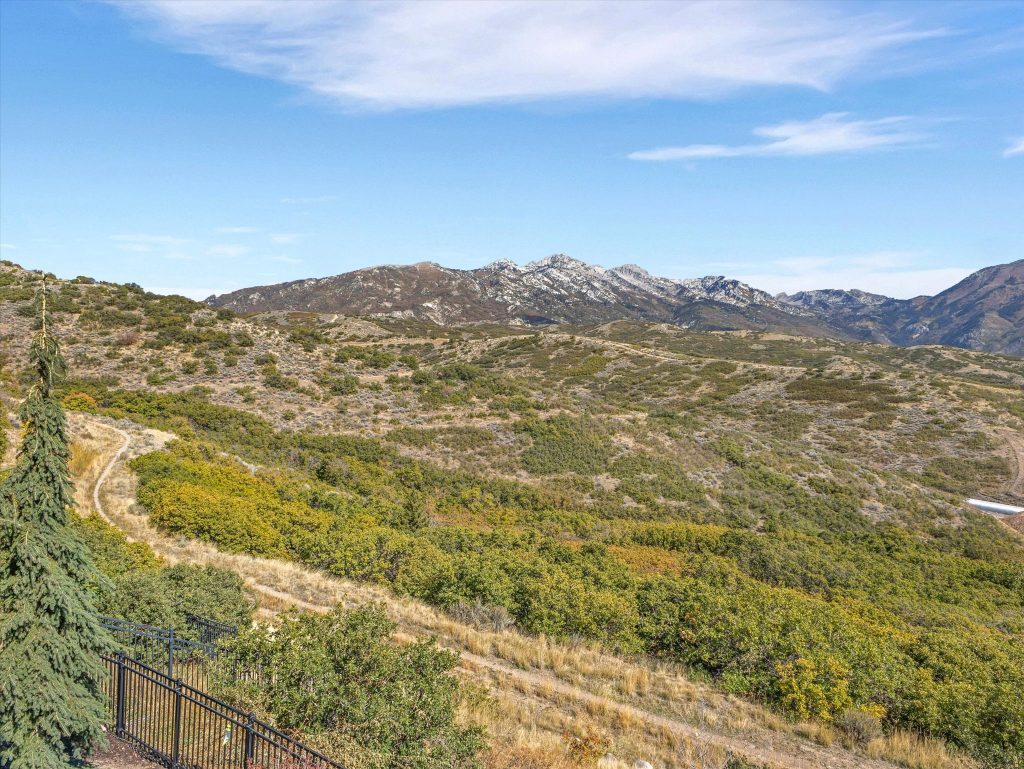
Ask anyone in SunCrest what they'd add to their house, and the answer is almost always the same: more view, and nobody in front of it. Step out onto the back deck of this SunCrest rambler and you'll find both. The lot backs to open space, so there's no back-fence neighbor in the frame. Lone Peak rises on one side, Box Elder holds the center, and Timpanogos anchors the far end. By evening, the valley below starts to glow. The home sits at the end of a quiet cul-de-sac on 0.41 acres, wrapped in six-figure landscaping, with a backyard waterfall that keeps the soundtrack going all day.
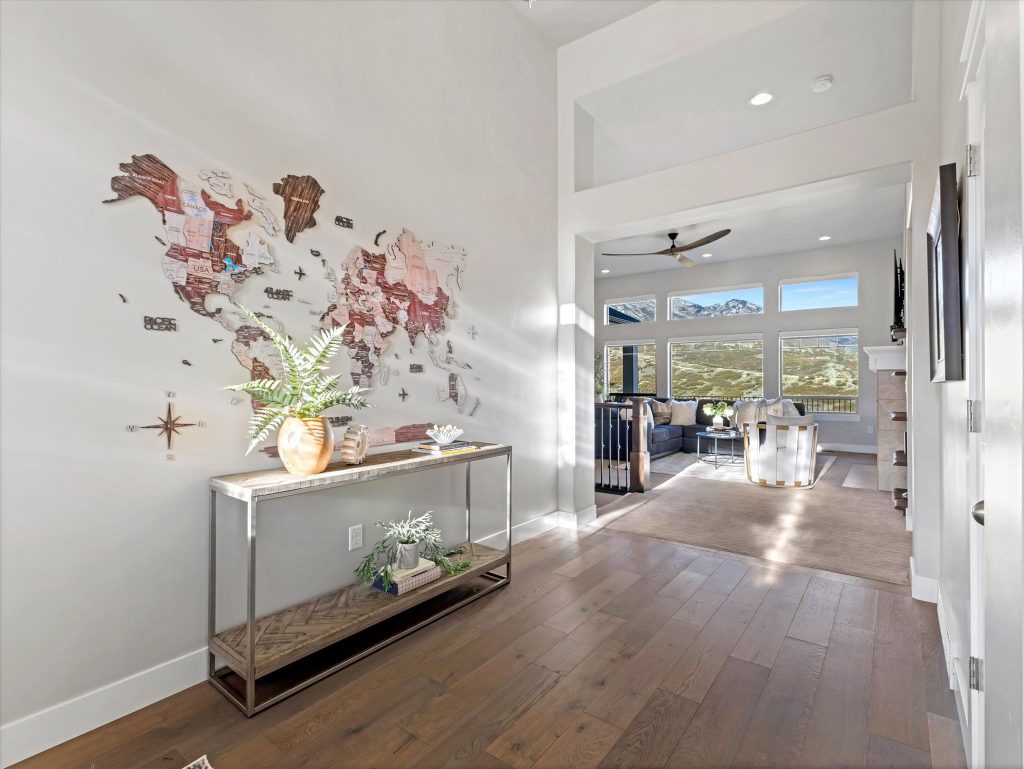
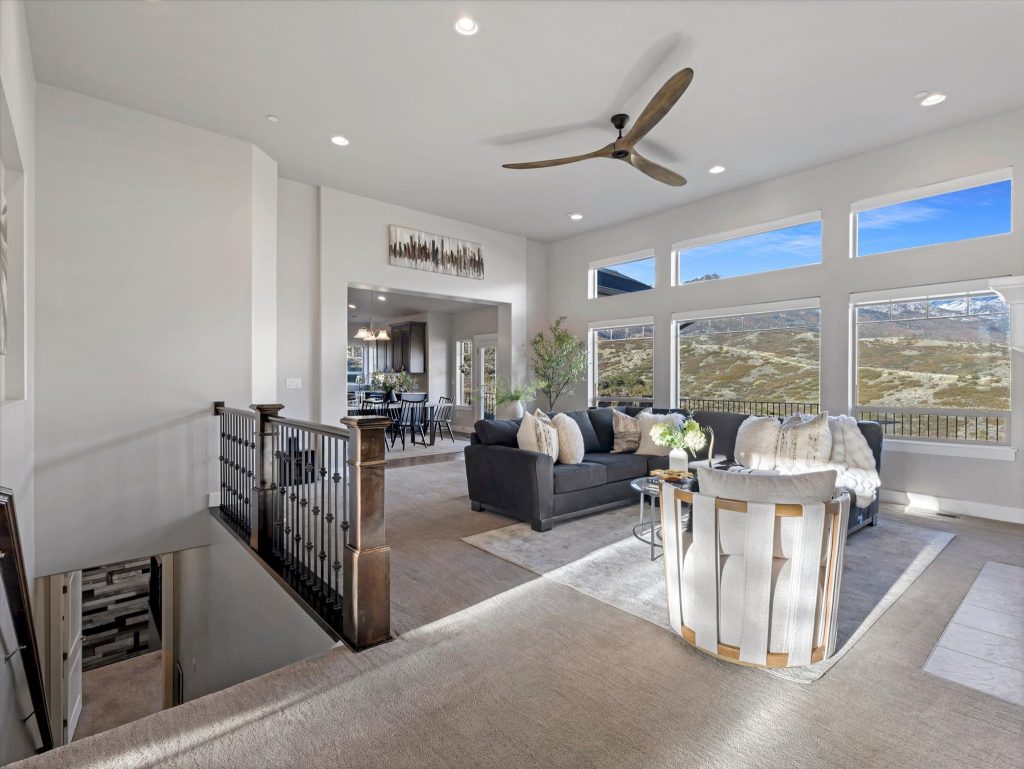
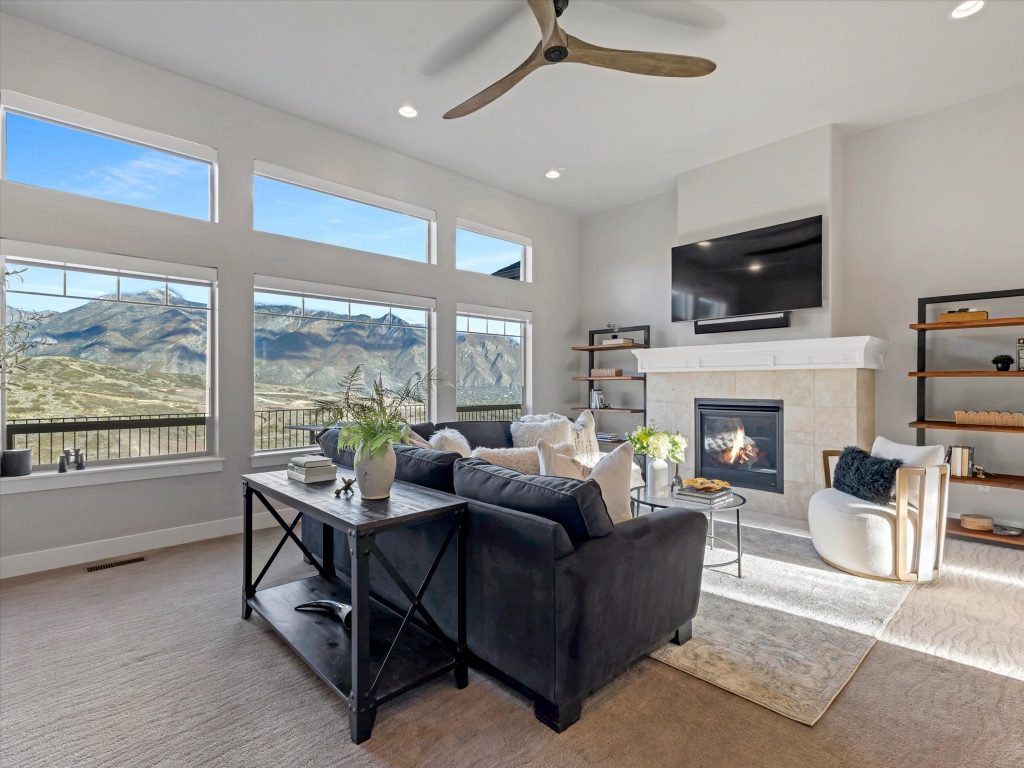
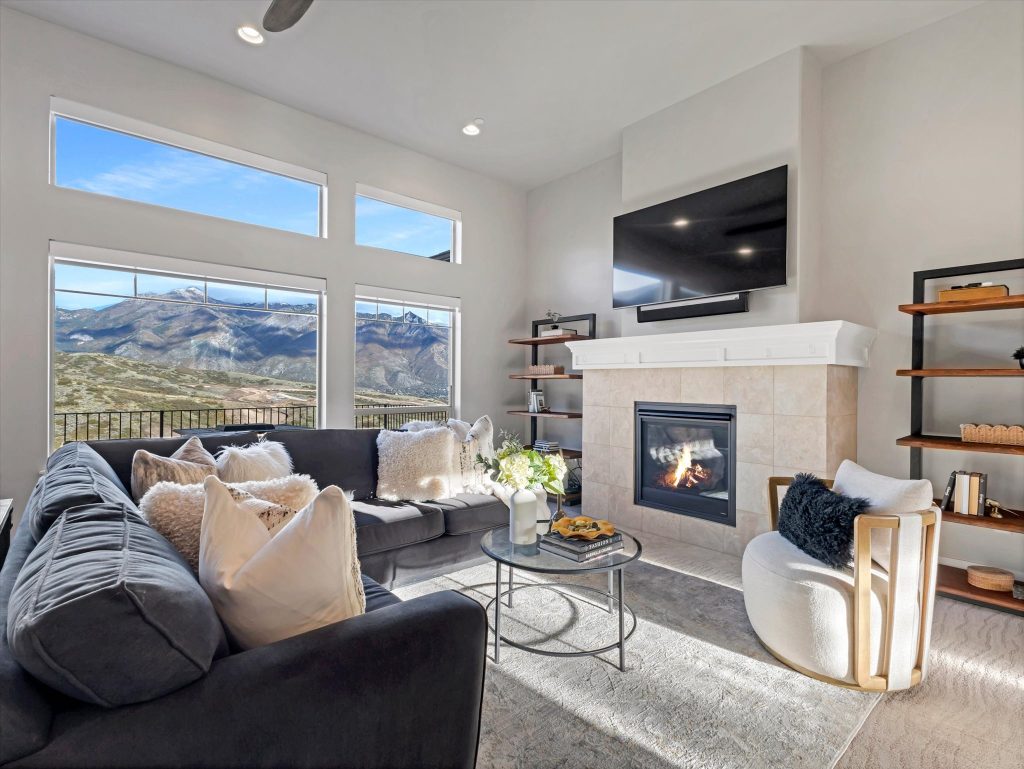
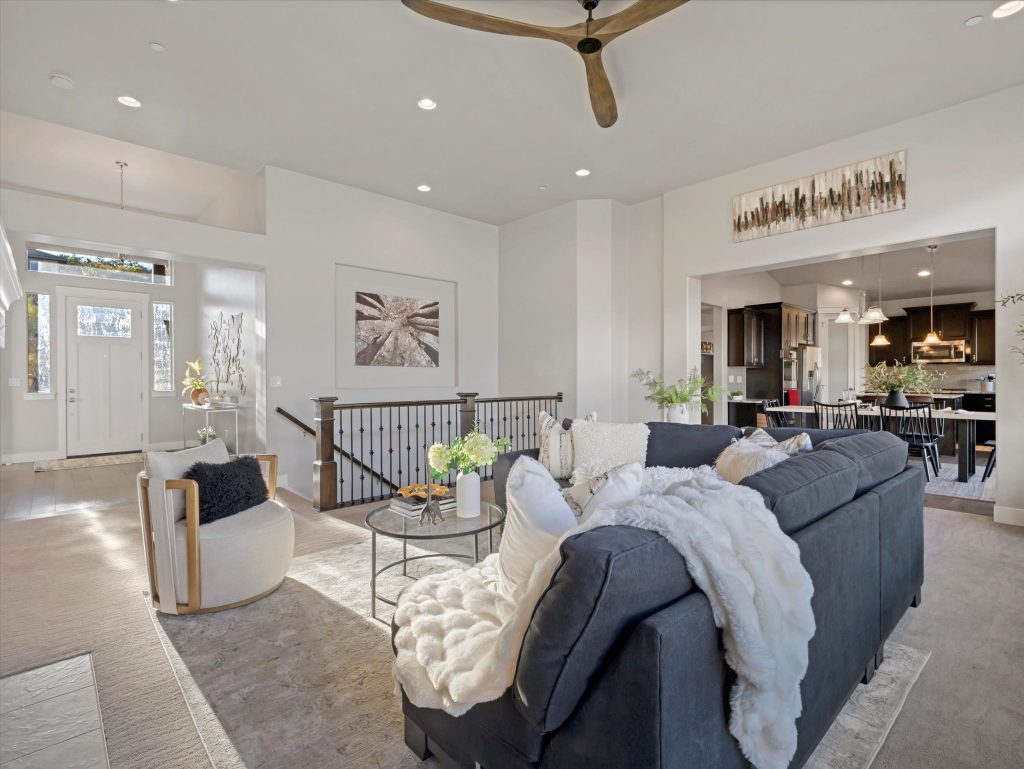
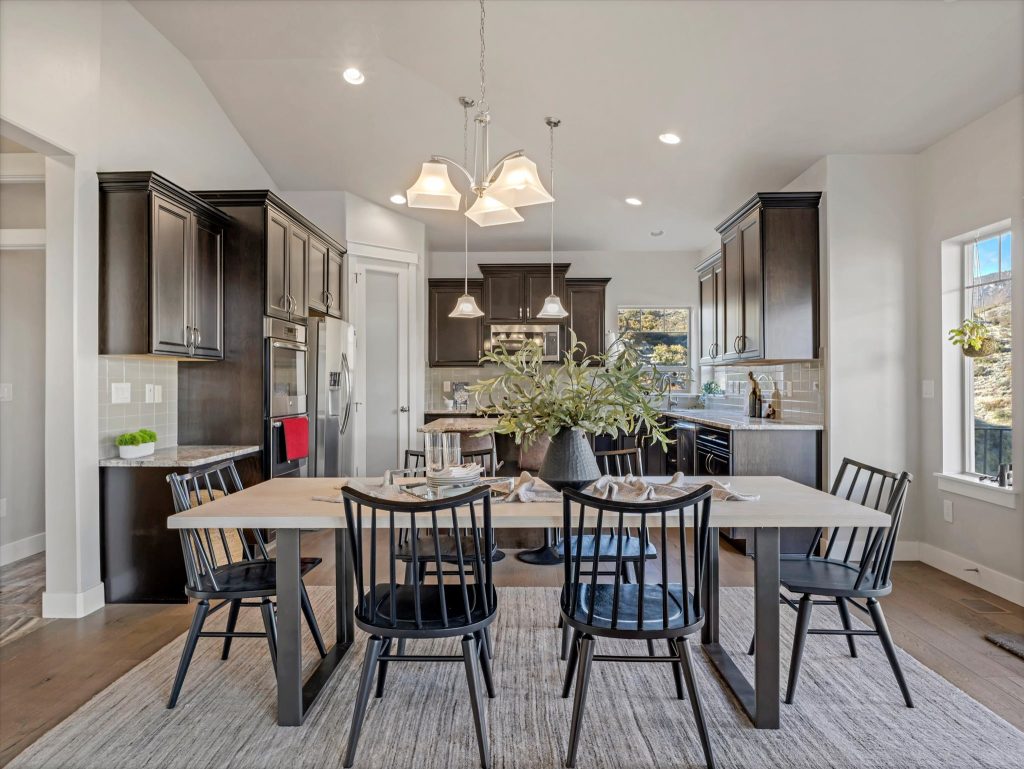
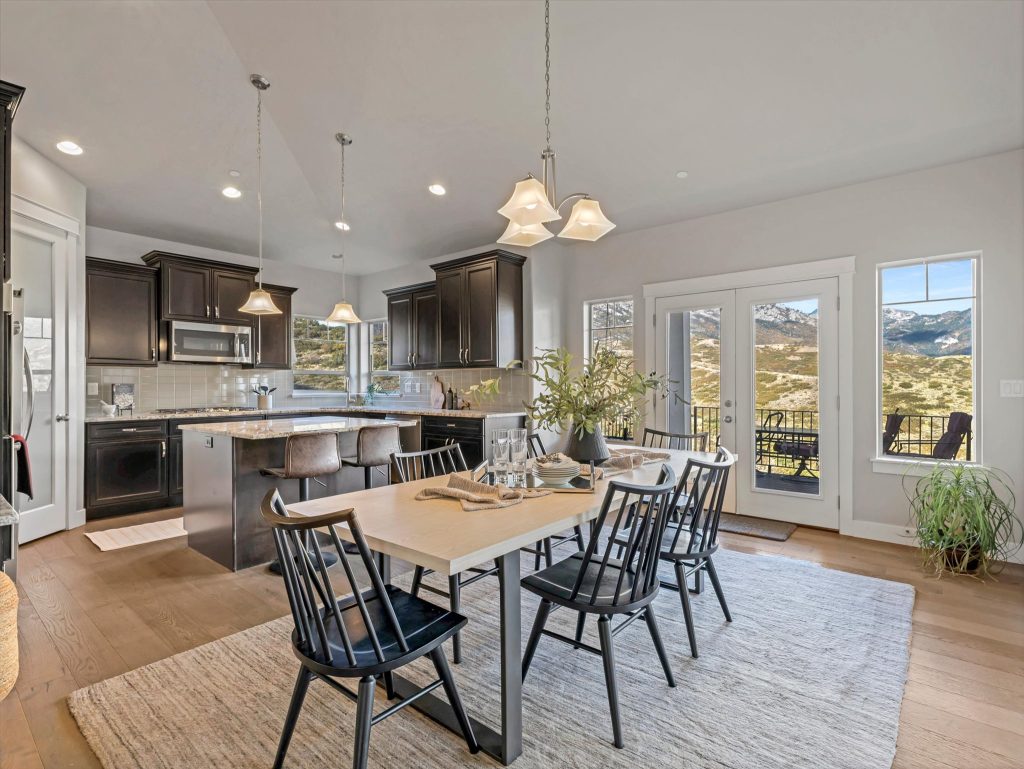
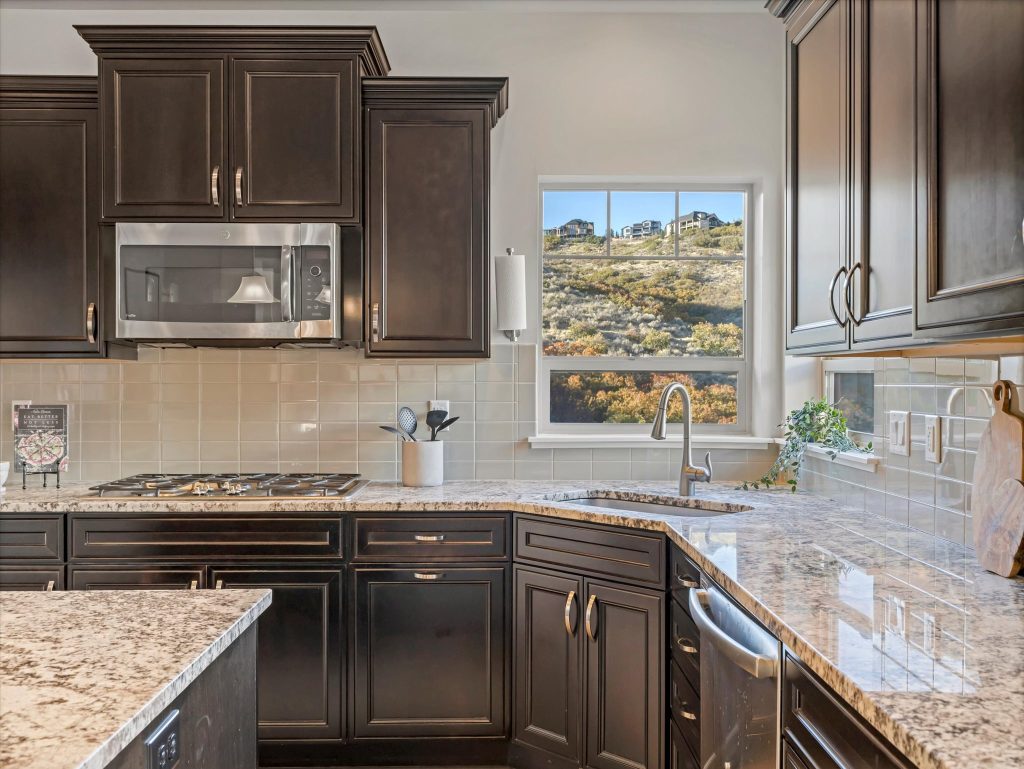
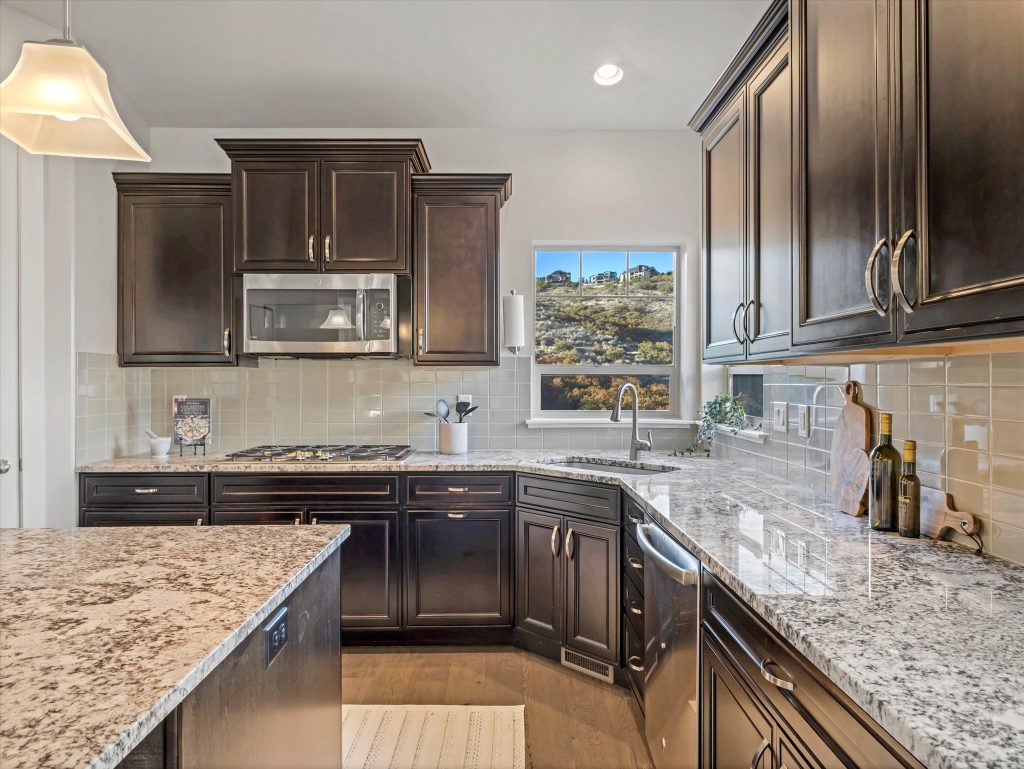
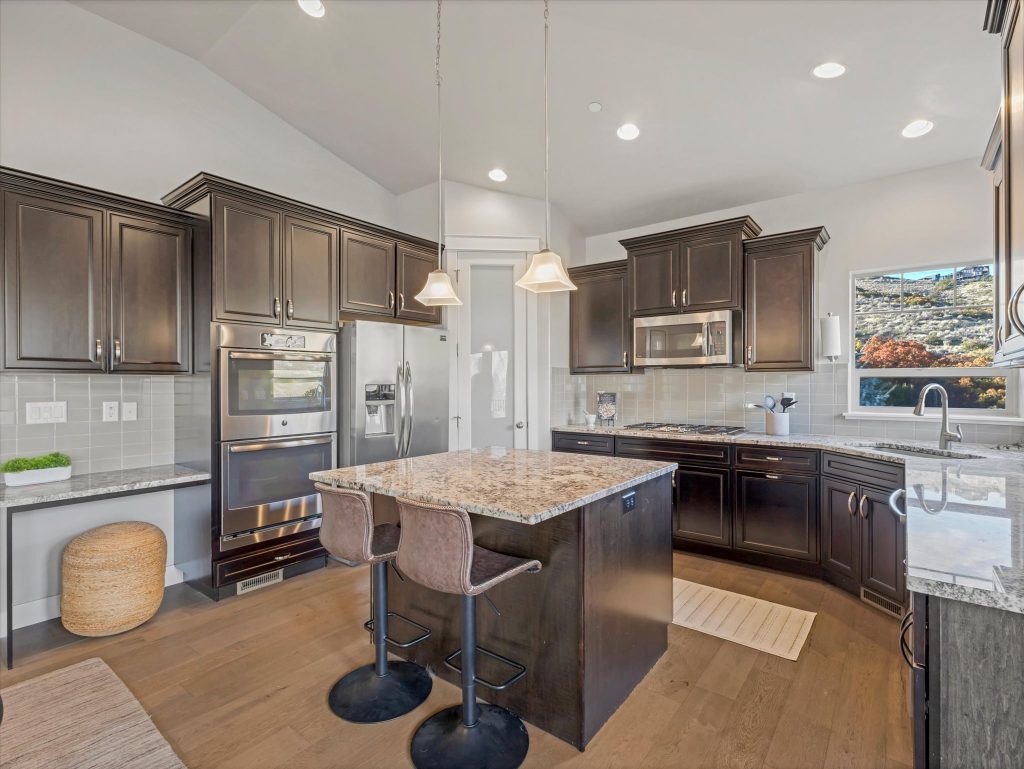
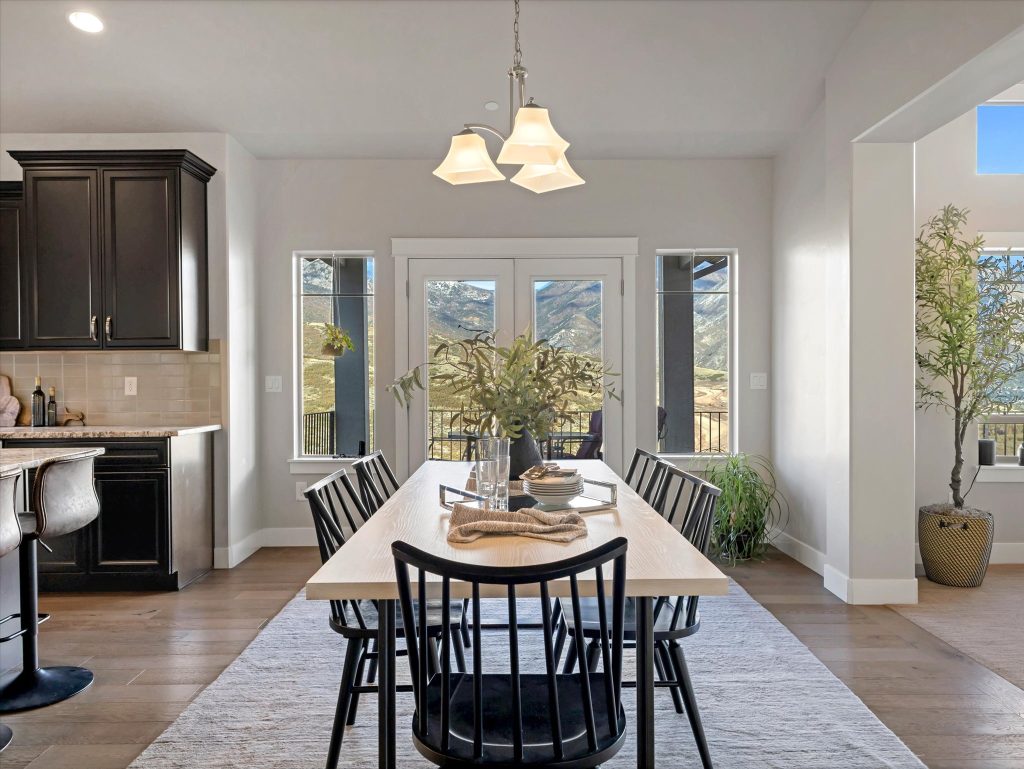
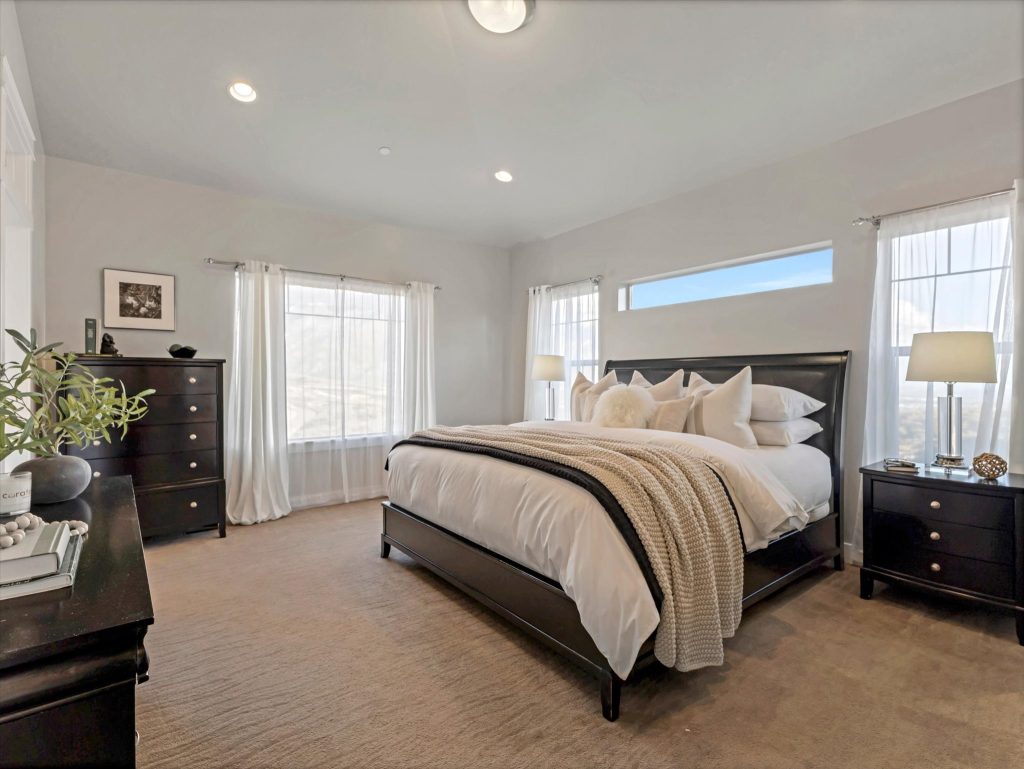
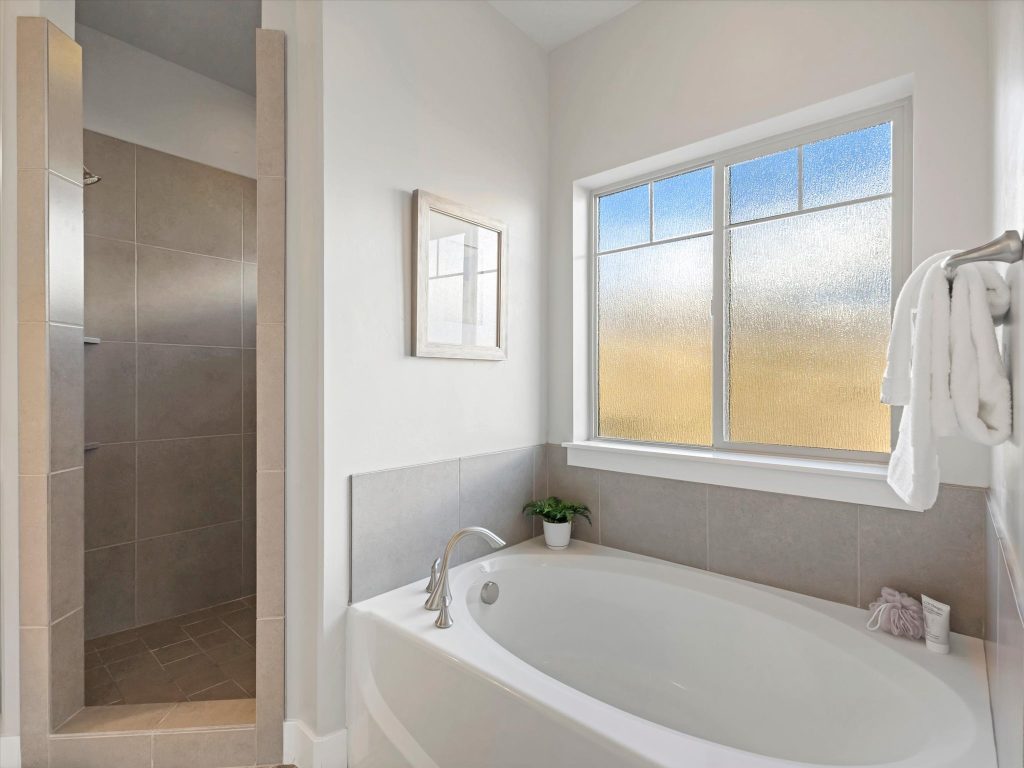
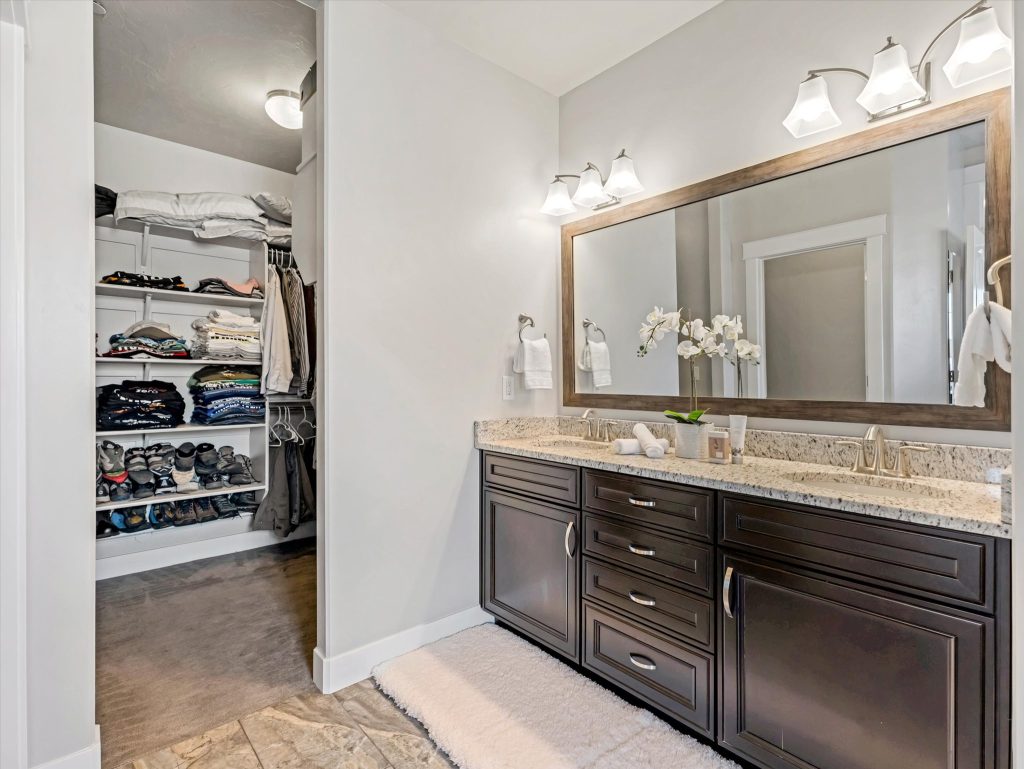
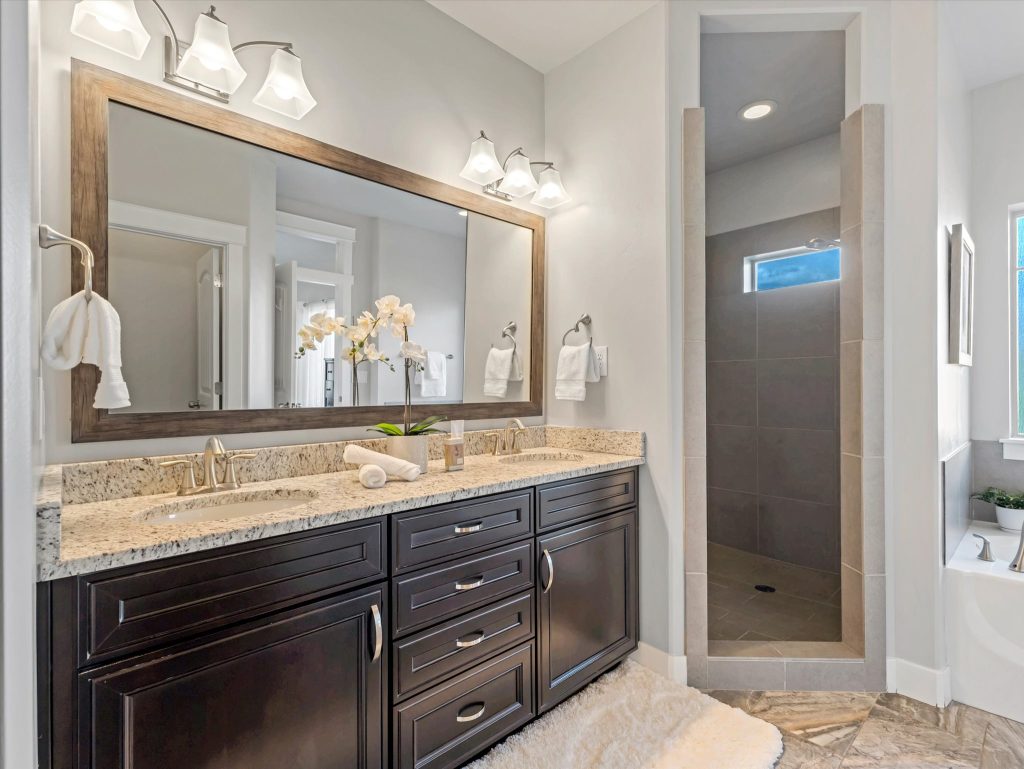
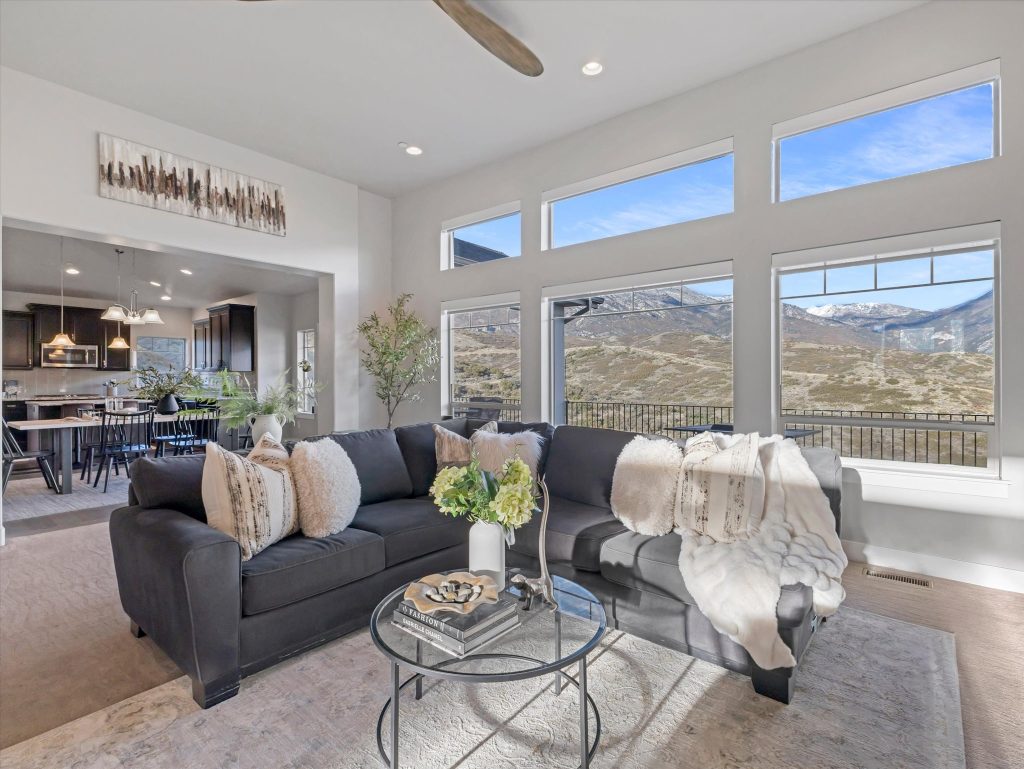
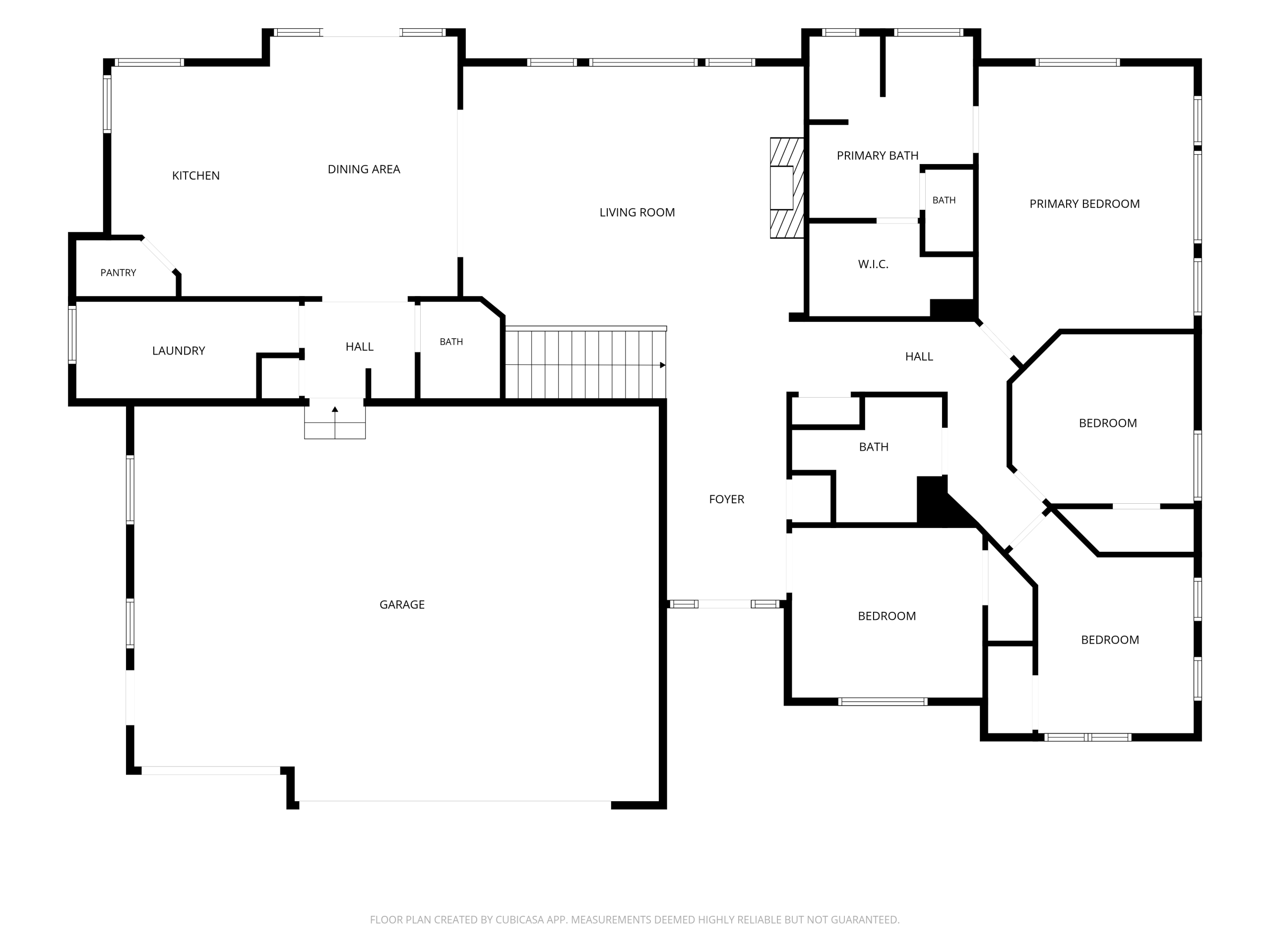
Inside, vaulted ceilings and spanning beams pull your eye up, and then the great room's tall windows pull it right back out to the peaks. A fireplace anchors the winter nights. In the kitchen, you'll have the gas range going while something finishes in each of the double wall ovens, and the granite countertops give everyone a place to lean in and steal a taste. The primary suite lives on the main floor, so you wake to the mountains before your feet hit the floor. You'll have a separate tub and shower and a walk-in closet with real room to spread out.

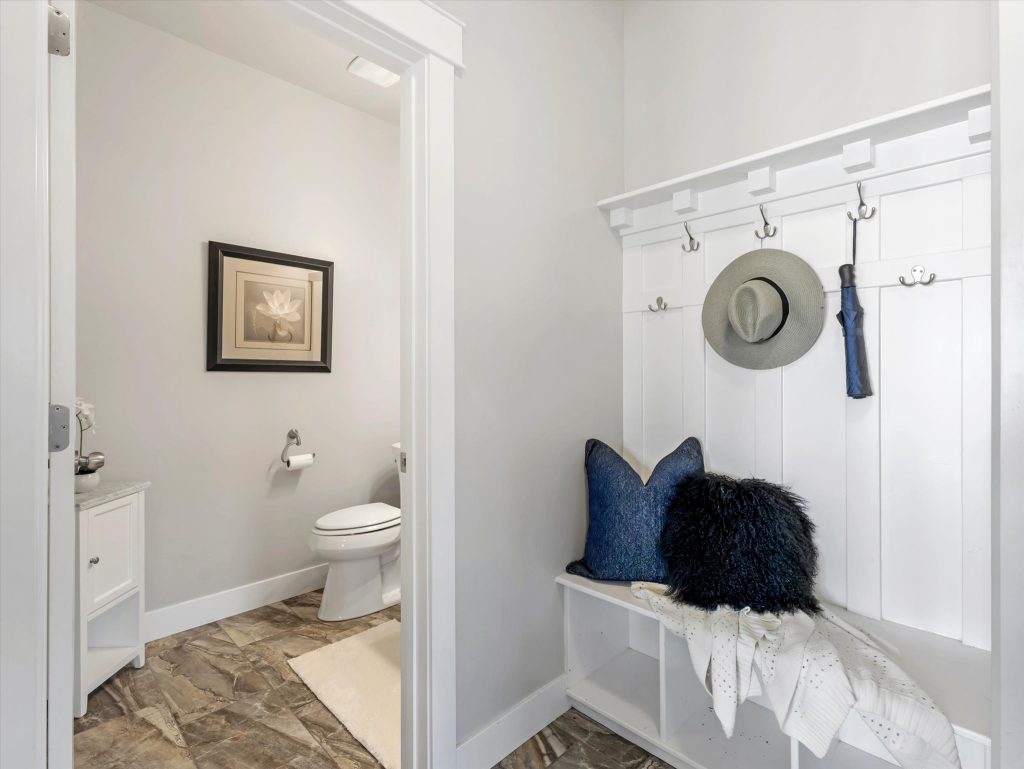
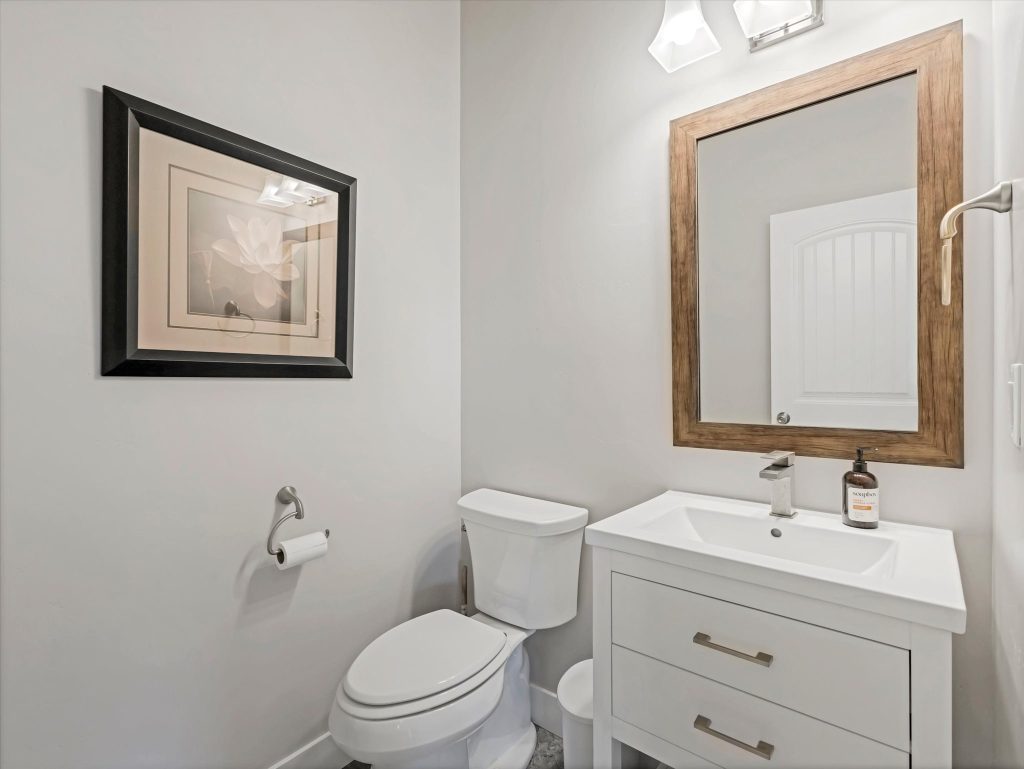
Amenities & Outdoors
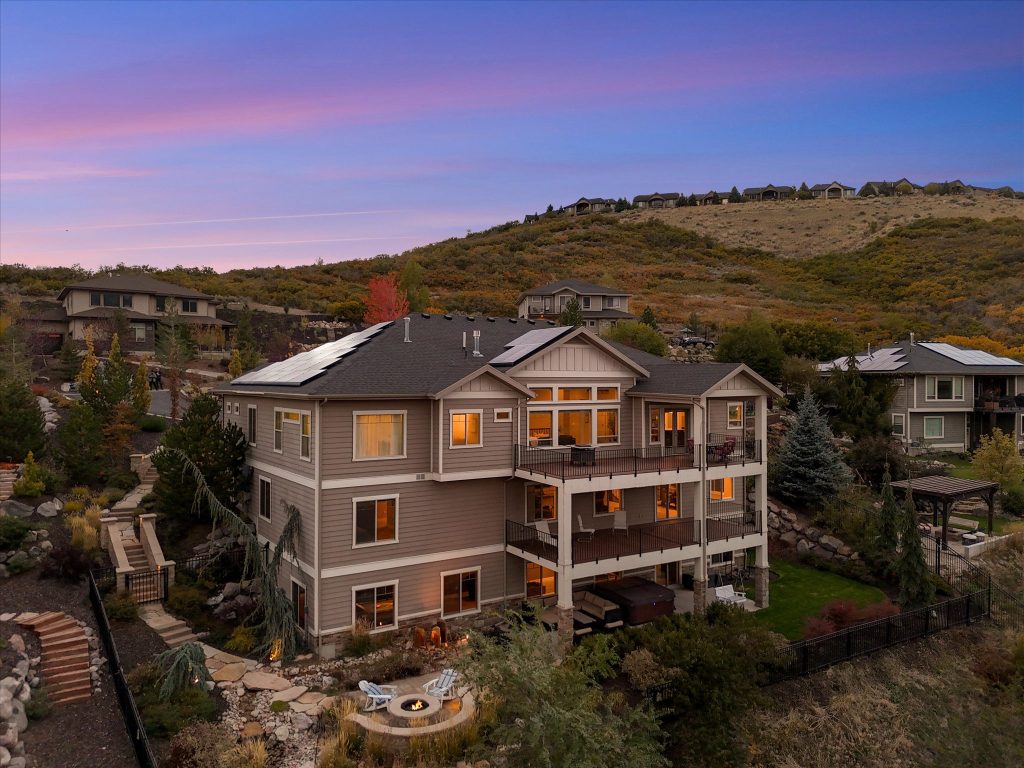
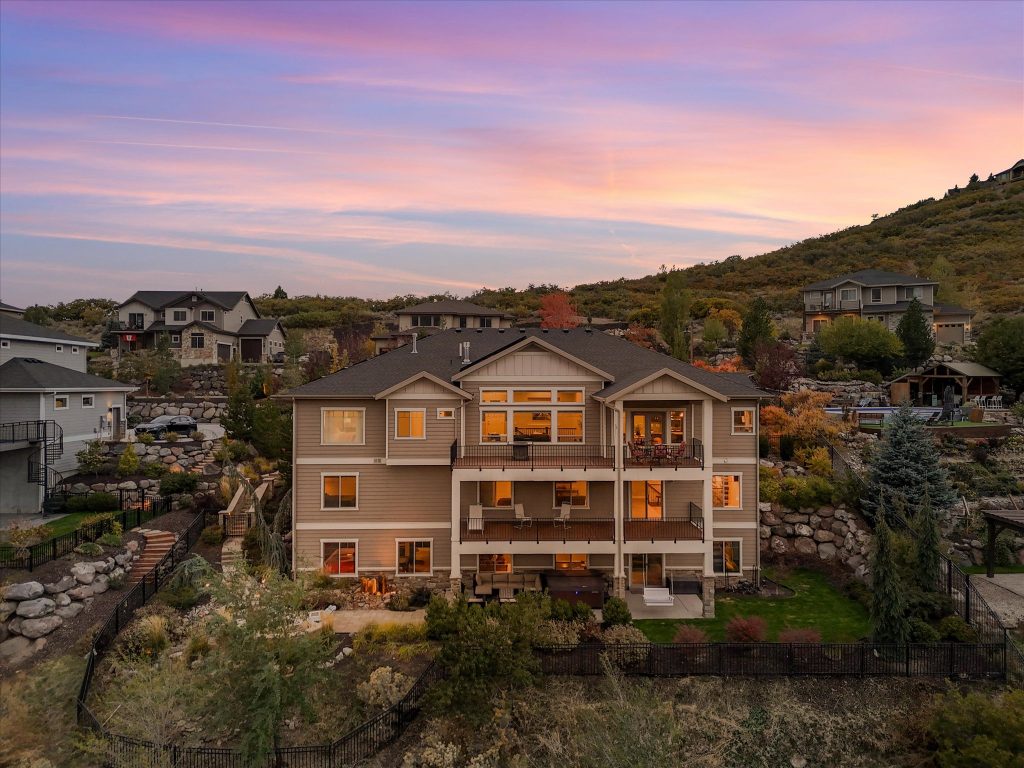
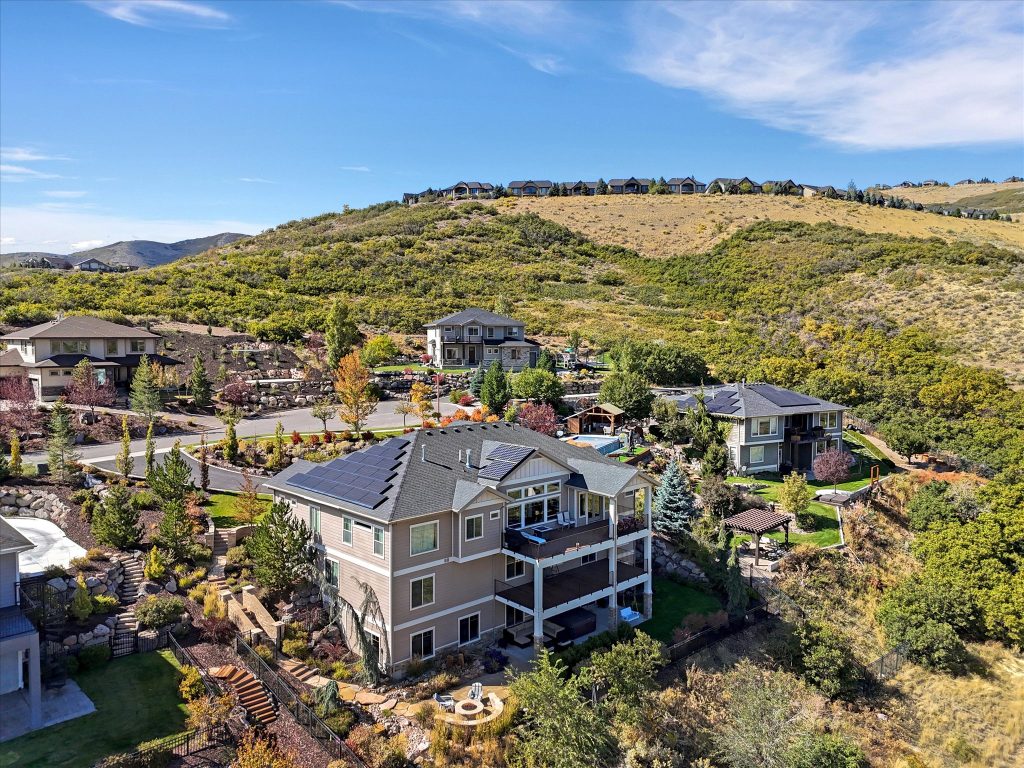
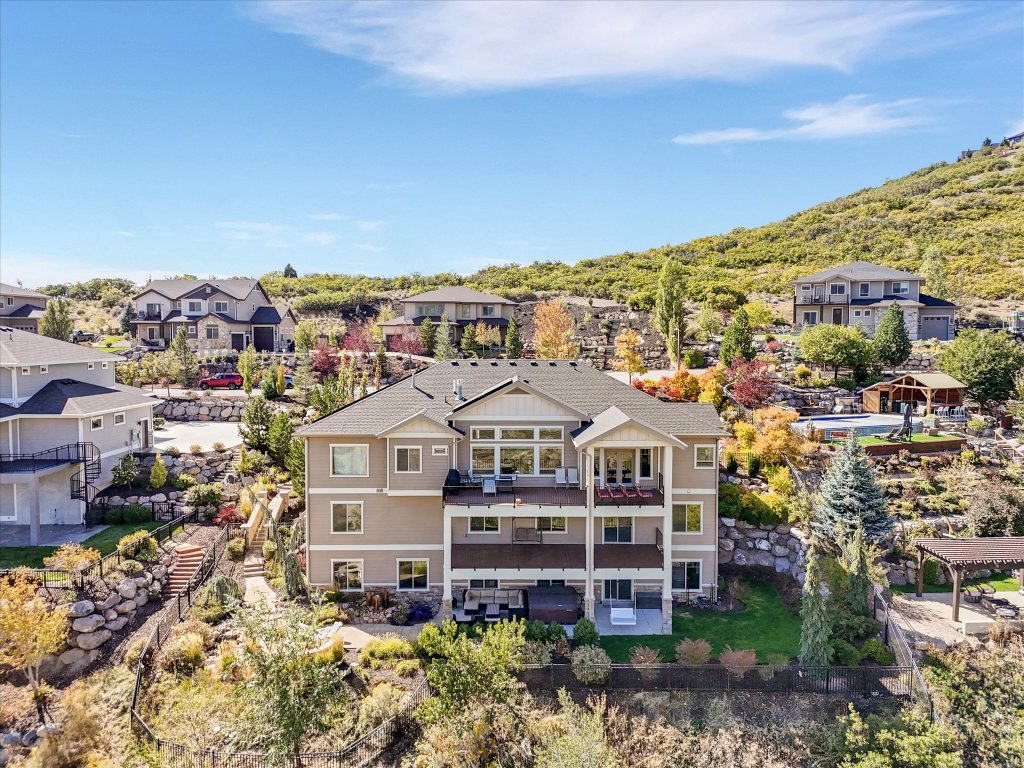
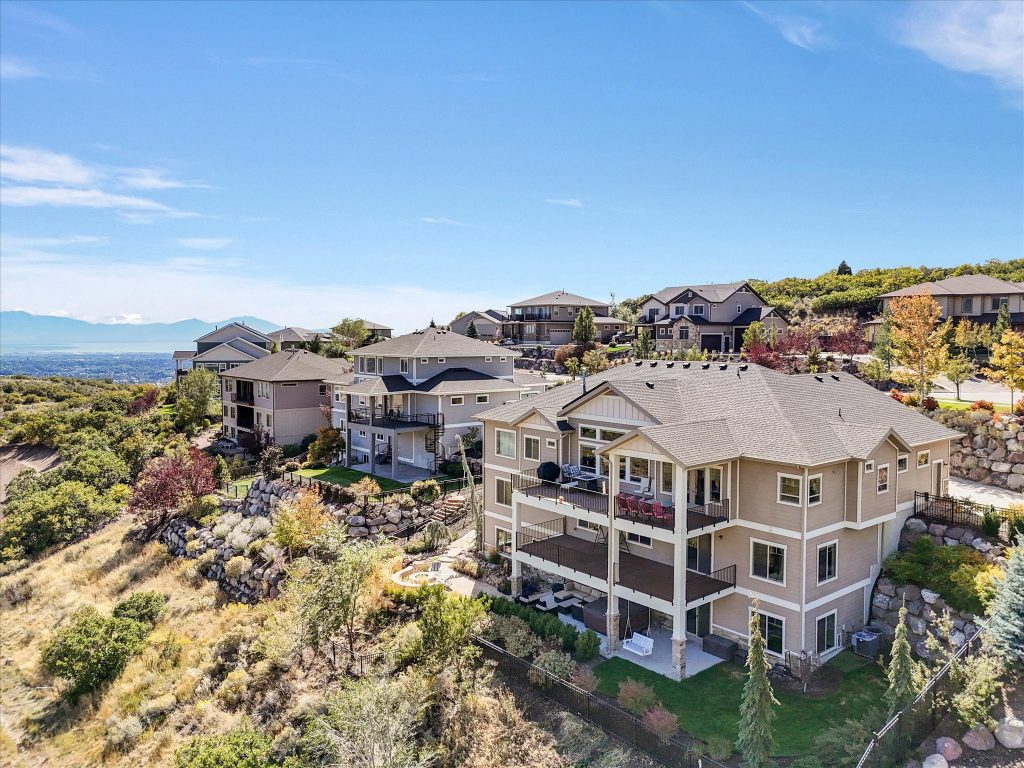
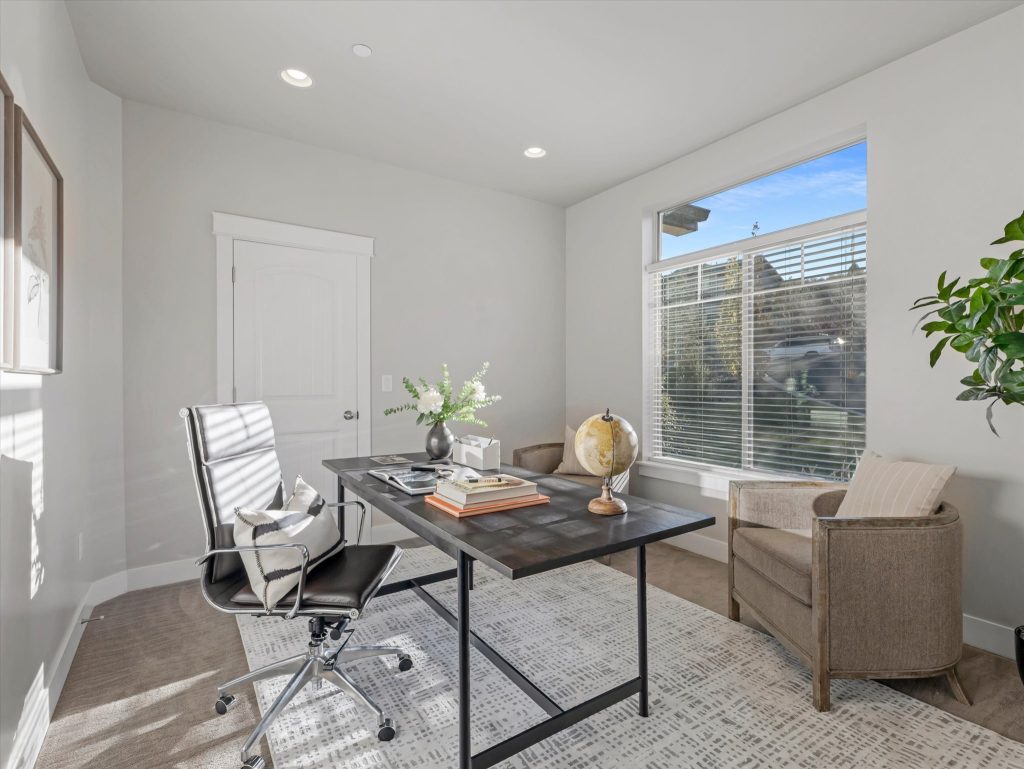
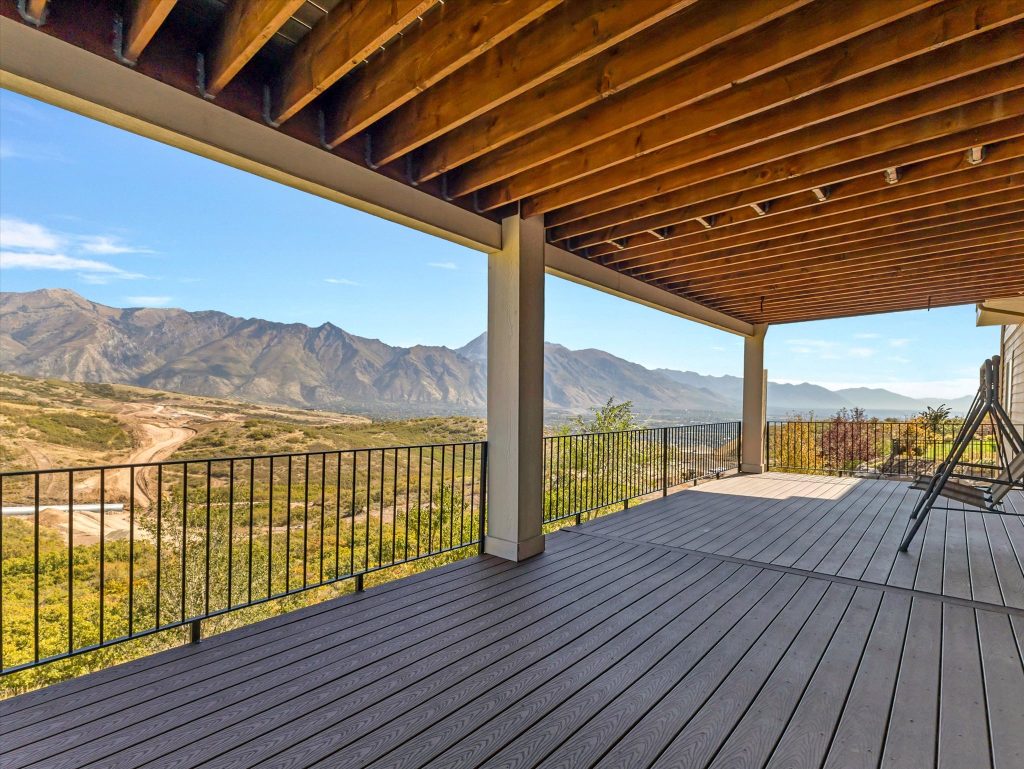
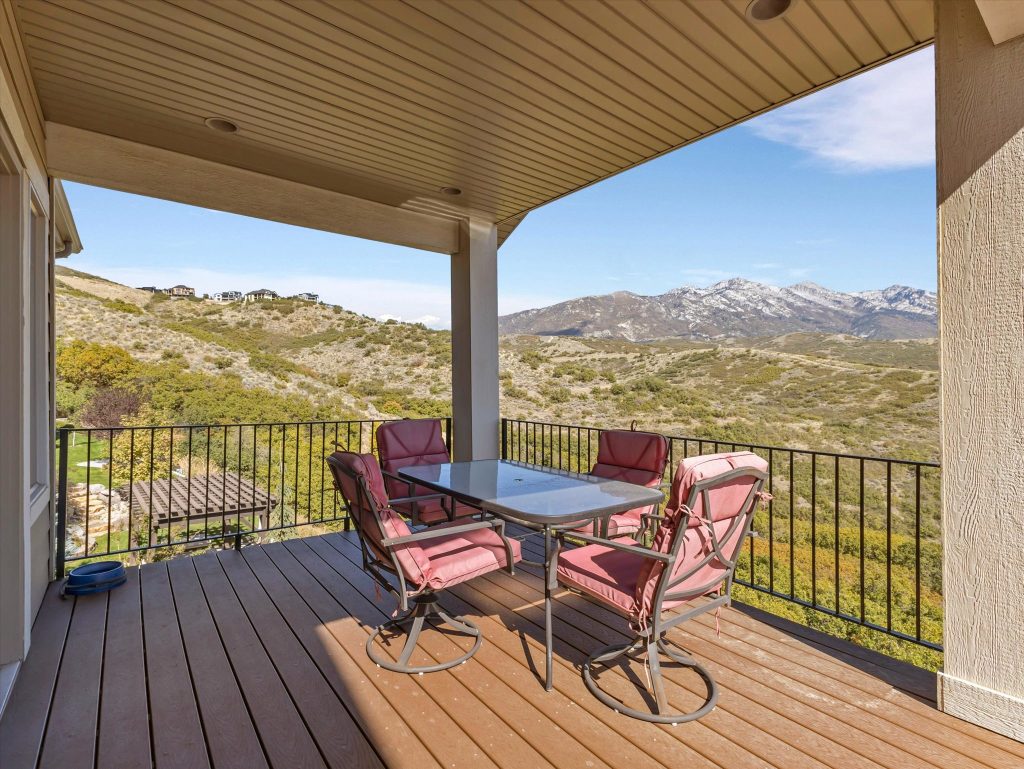
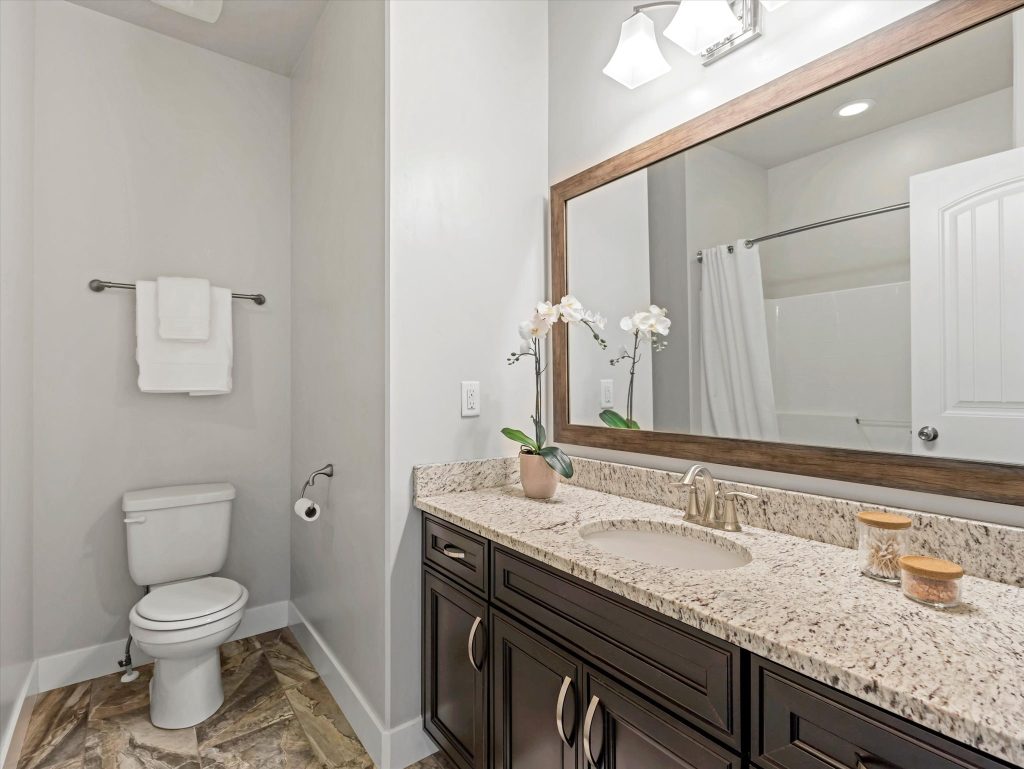
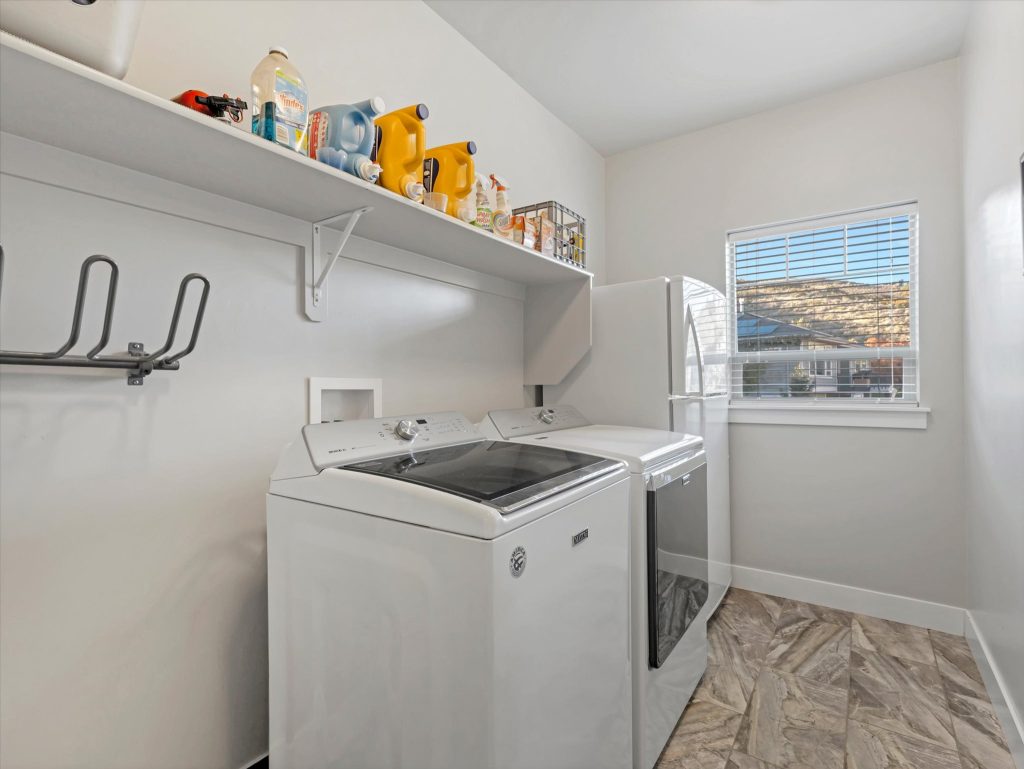
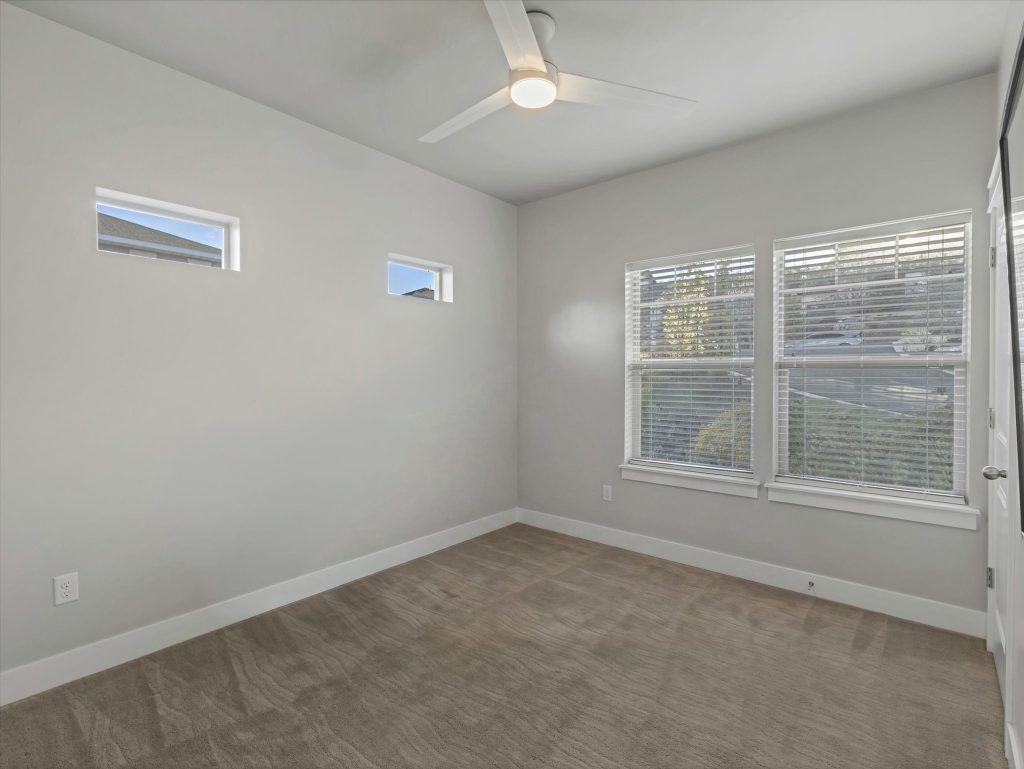
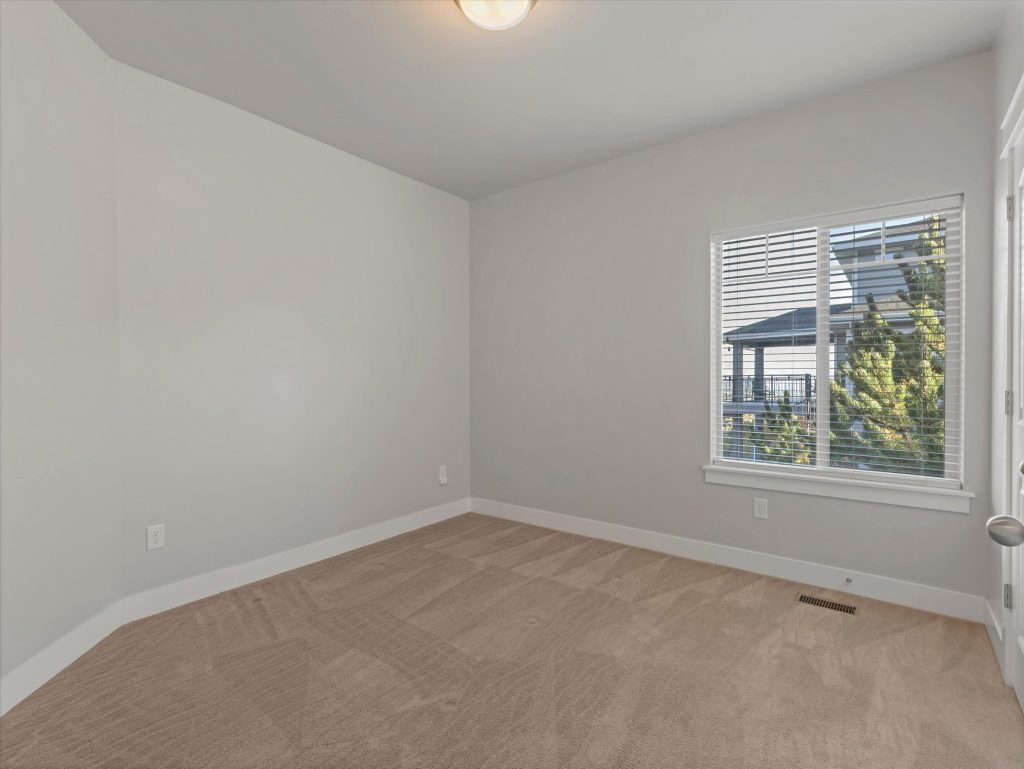
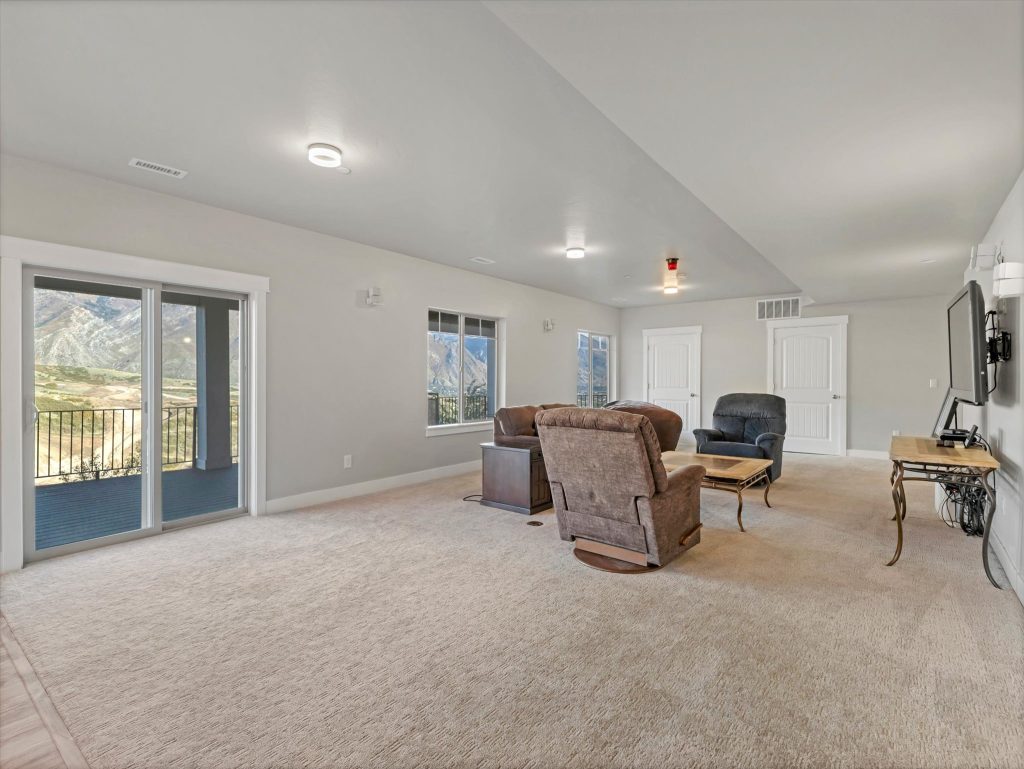
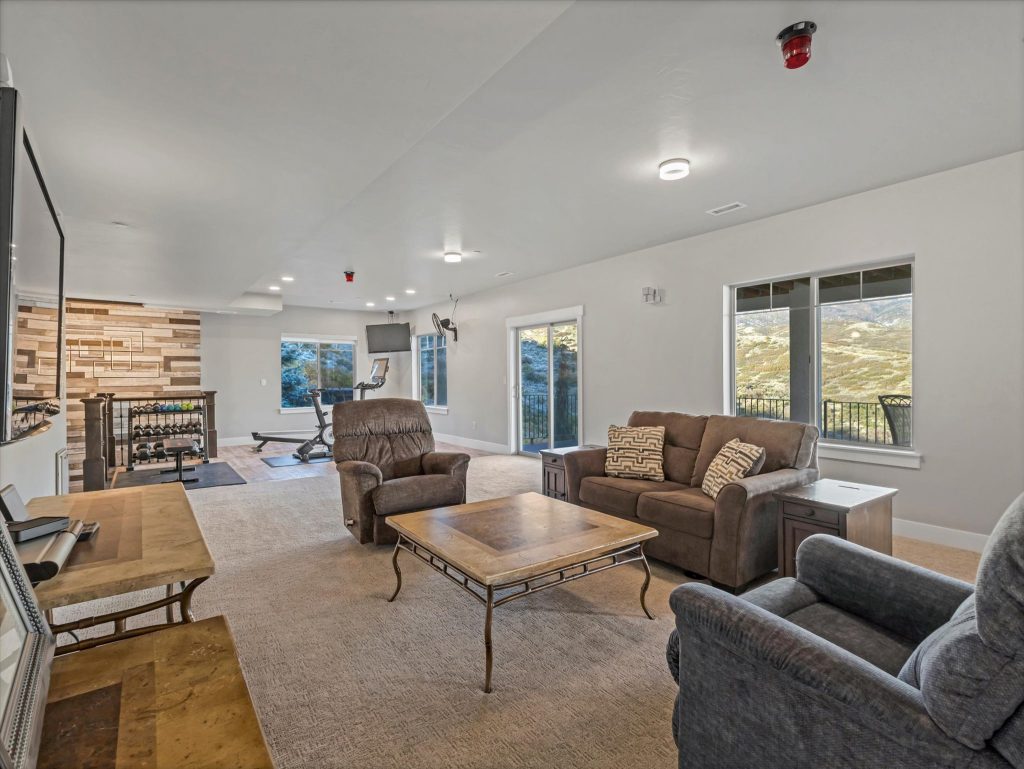
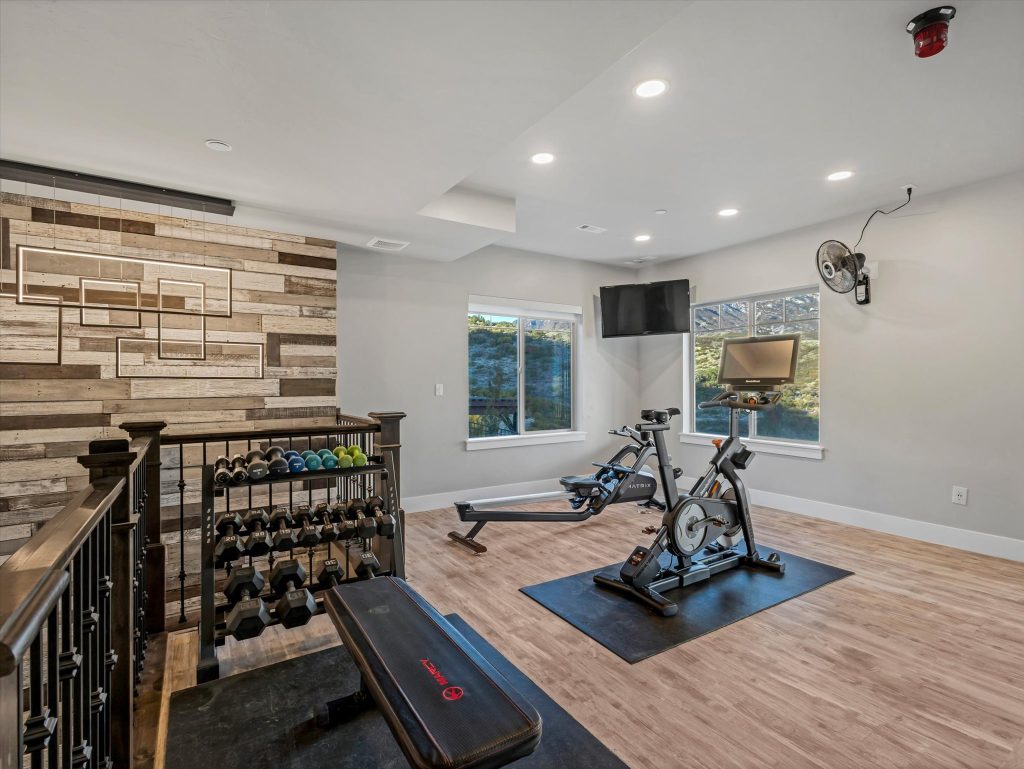
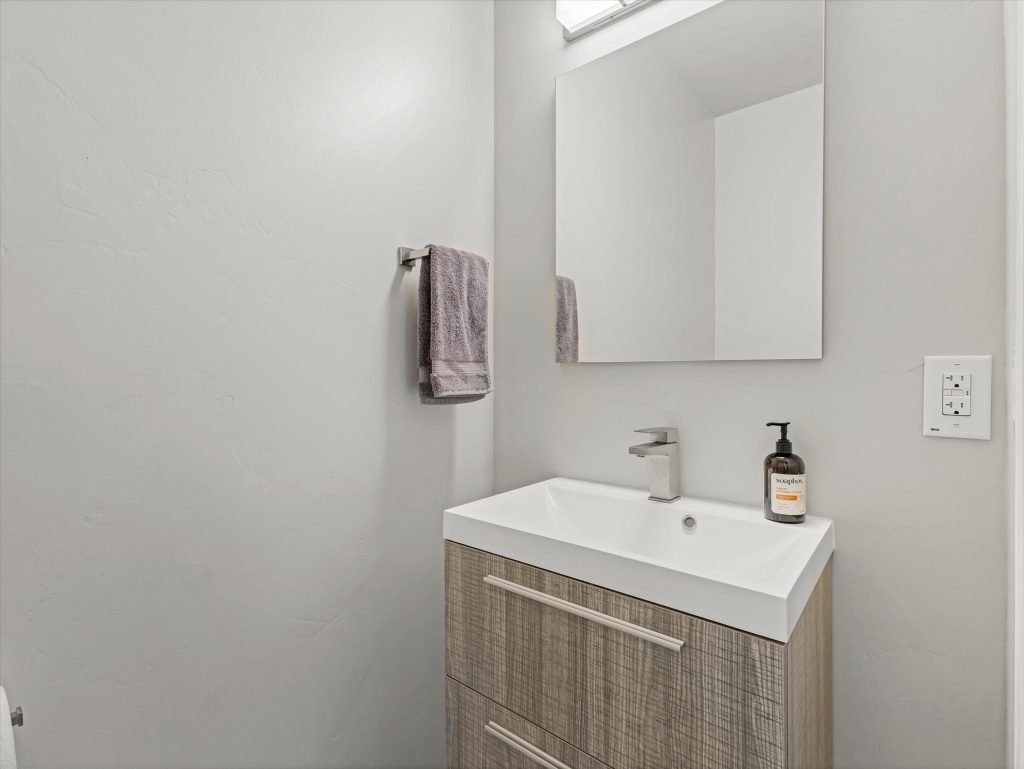
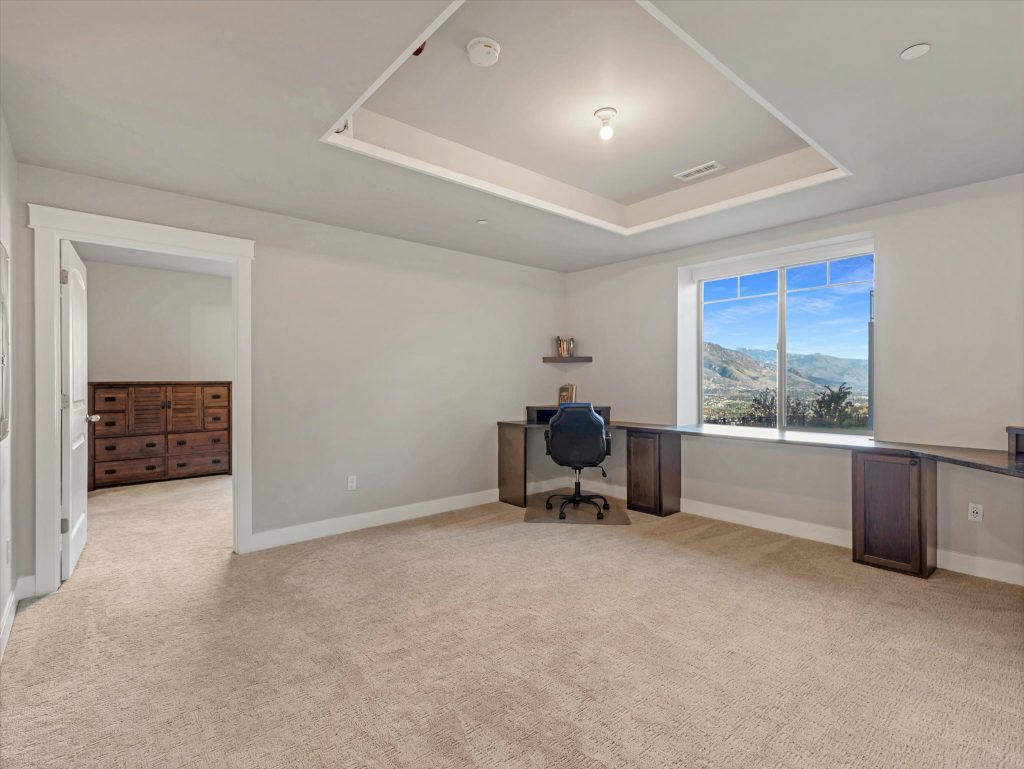
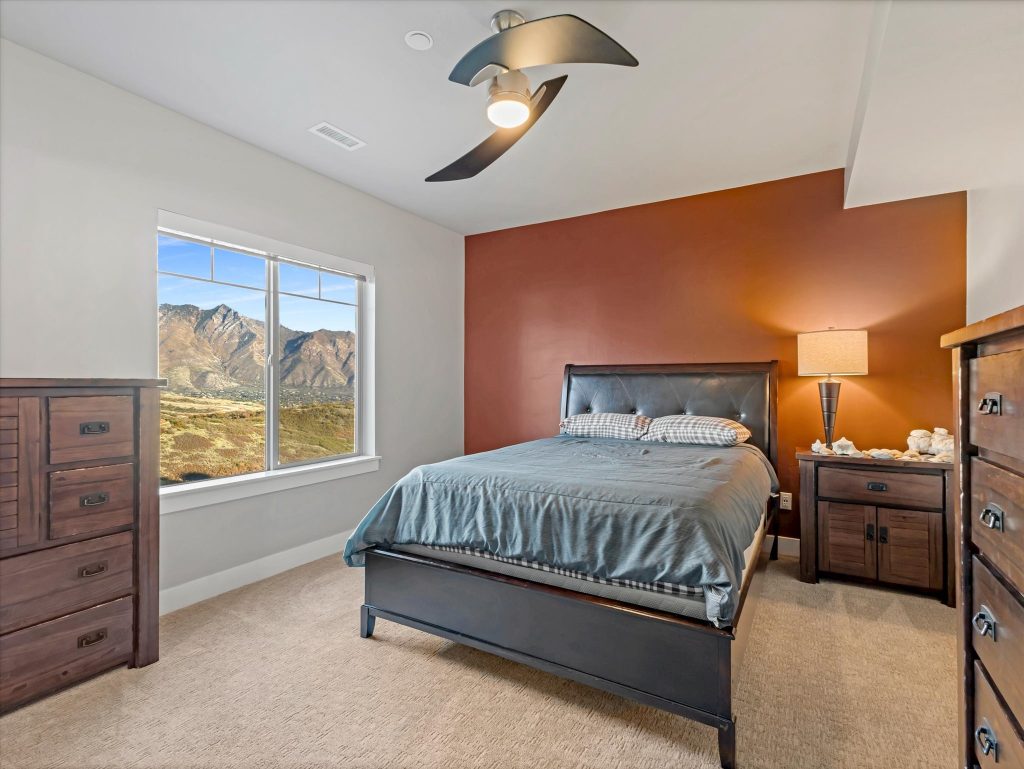
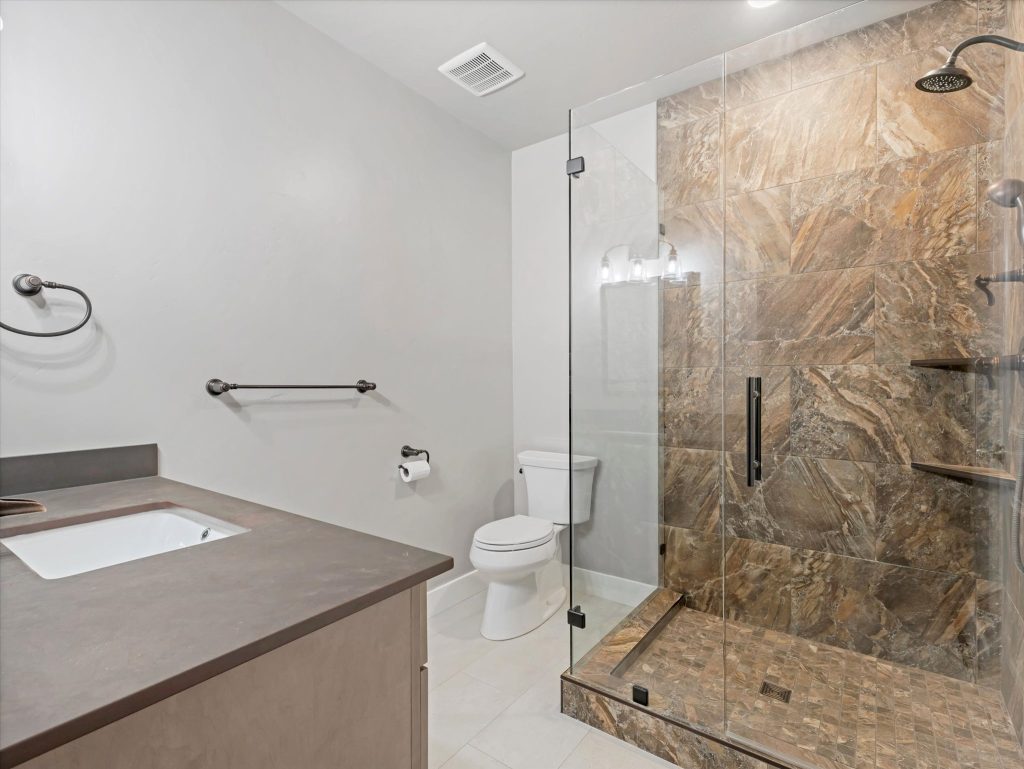
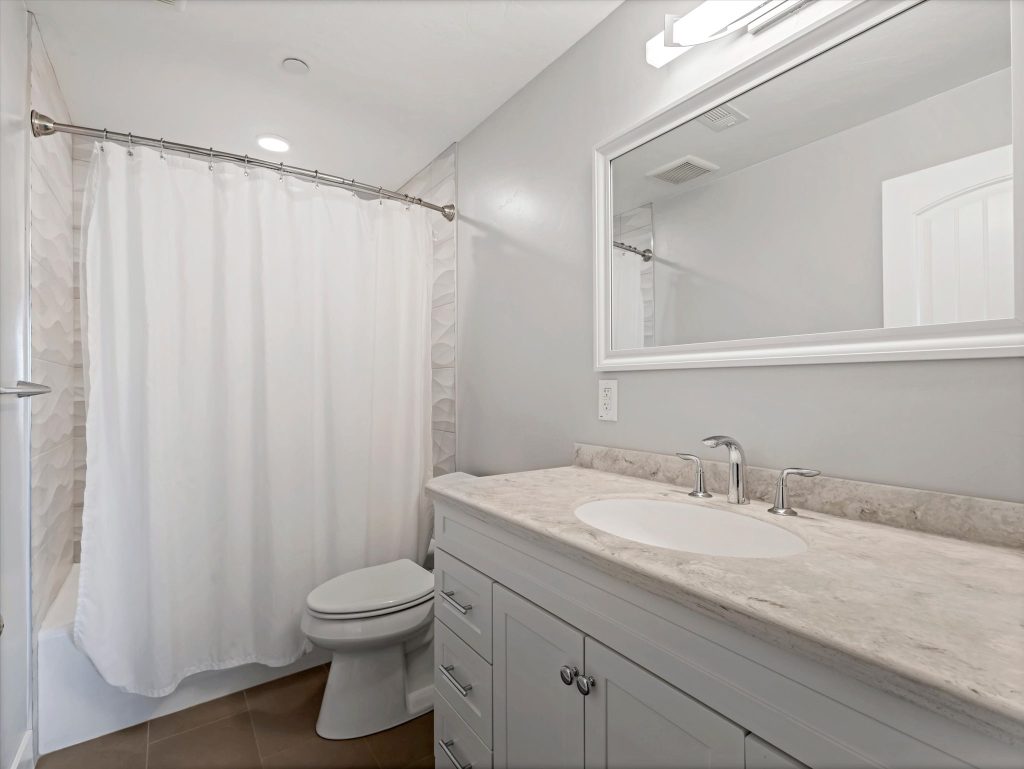
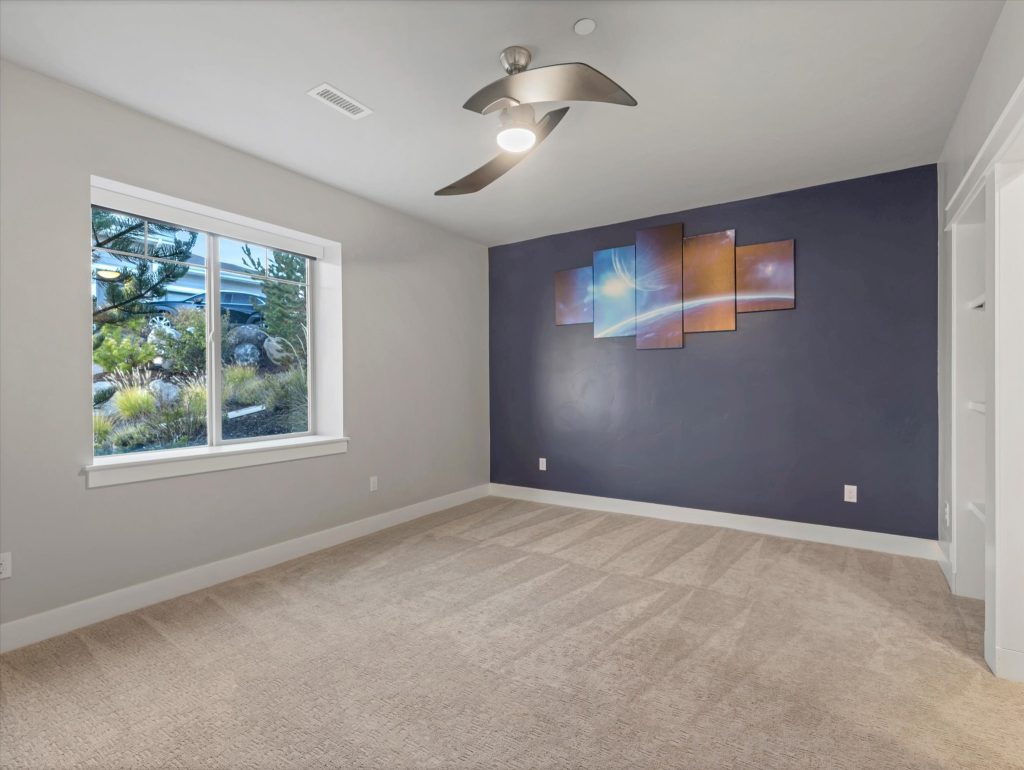
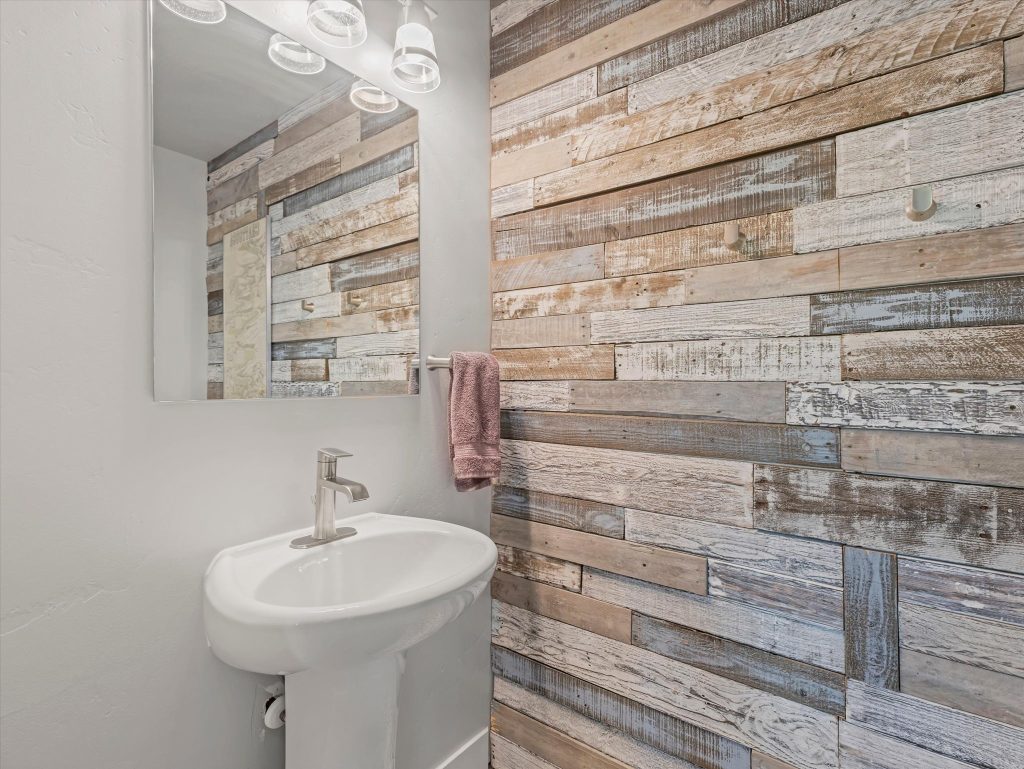
Two more bedrooms, a bath and a half, and one of the home's two laundry rooms round out the main level, so everyday living stays right where you spend your day. Below the main floor, this raised rambler gives you two full lower levels, with every window above grade. The first is where everyday life spreads out. Two bedrooms and two and a half bathrooms give guests a floor of their own, and the family room opens onto a covered deck facing the same peaks. Tucked in the middle of the level, a multipurpose space works as a home office, a craft table, or a Saturday puzzle that takes all weekend. Add a workout room, and the workday and the morning routine both stay close to home.
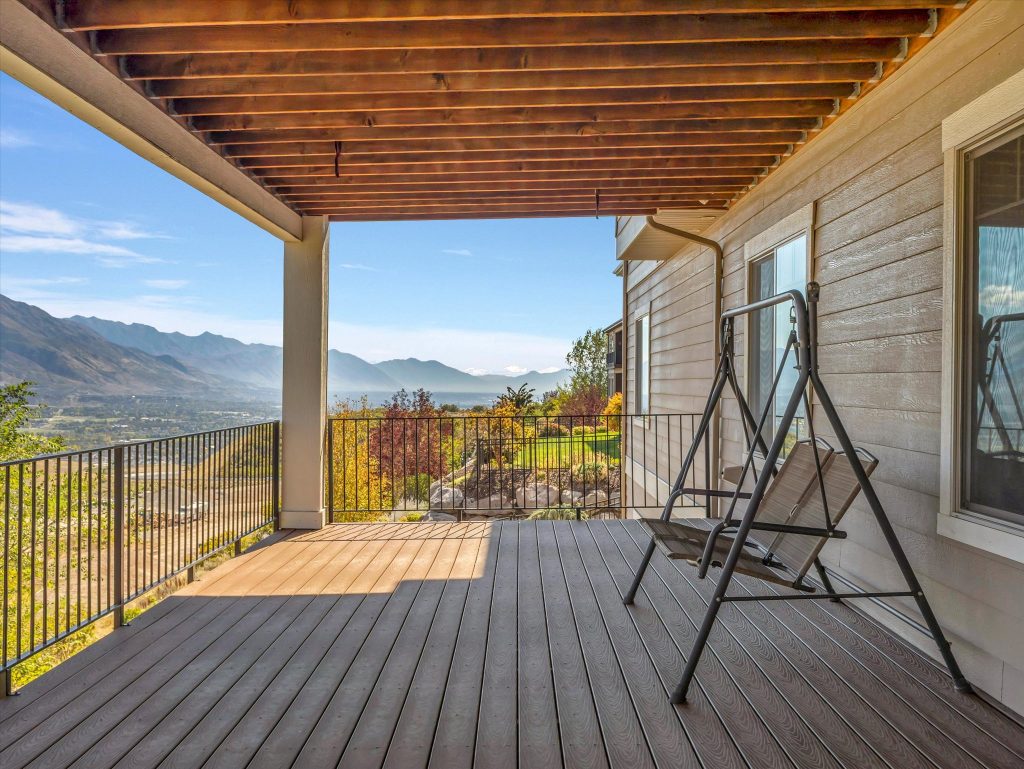
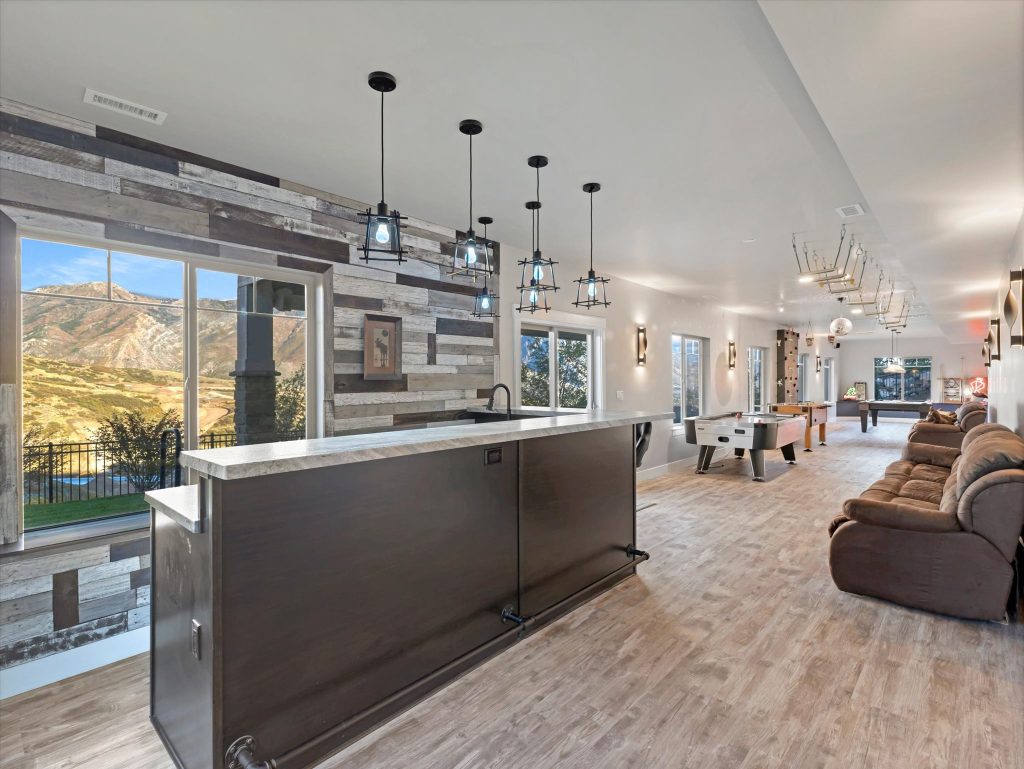
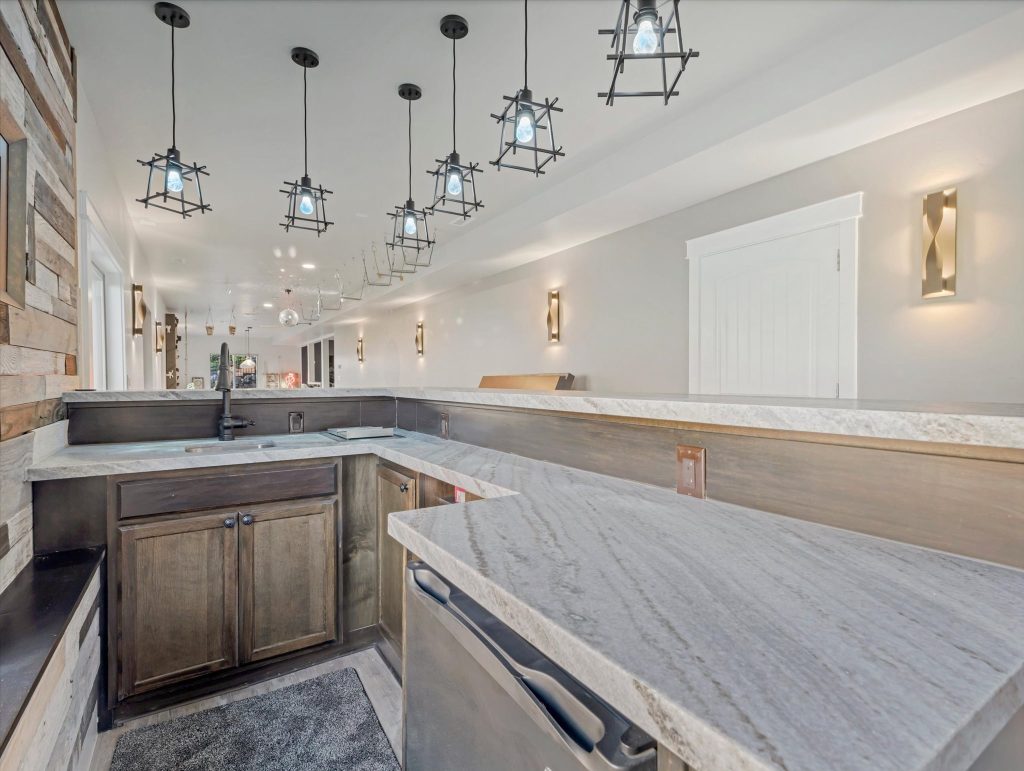
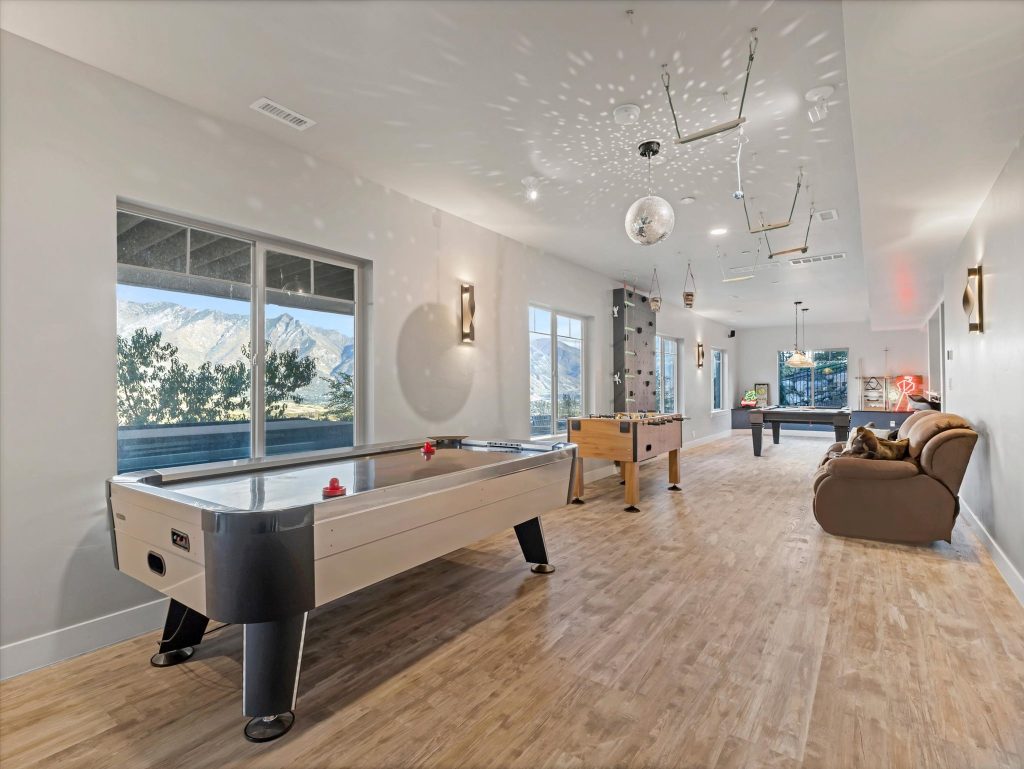
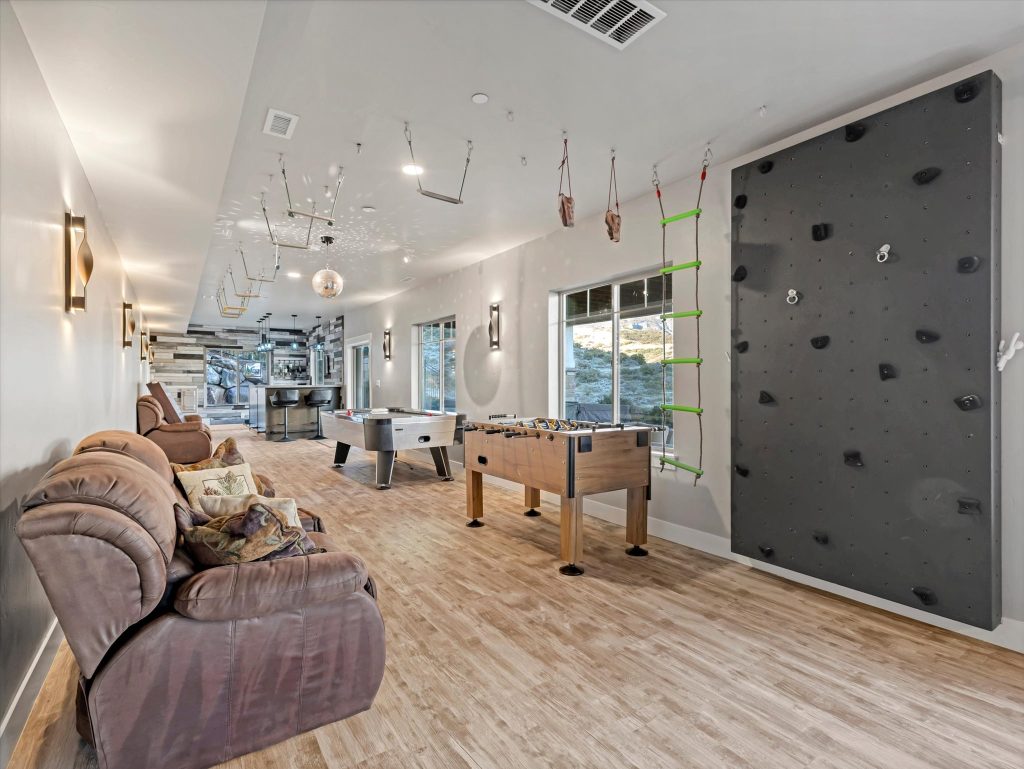
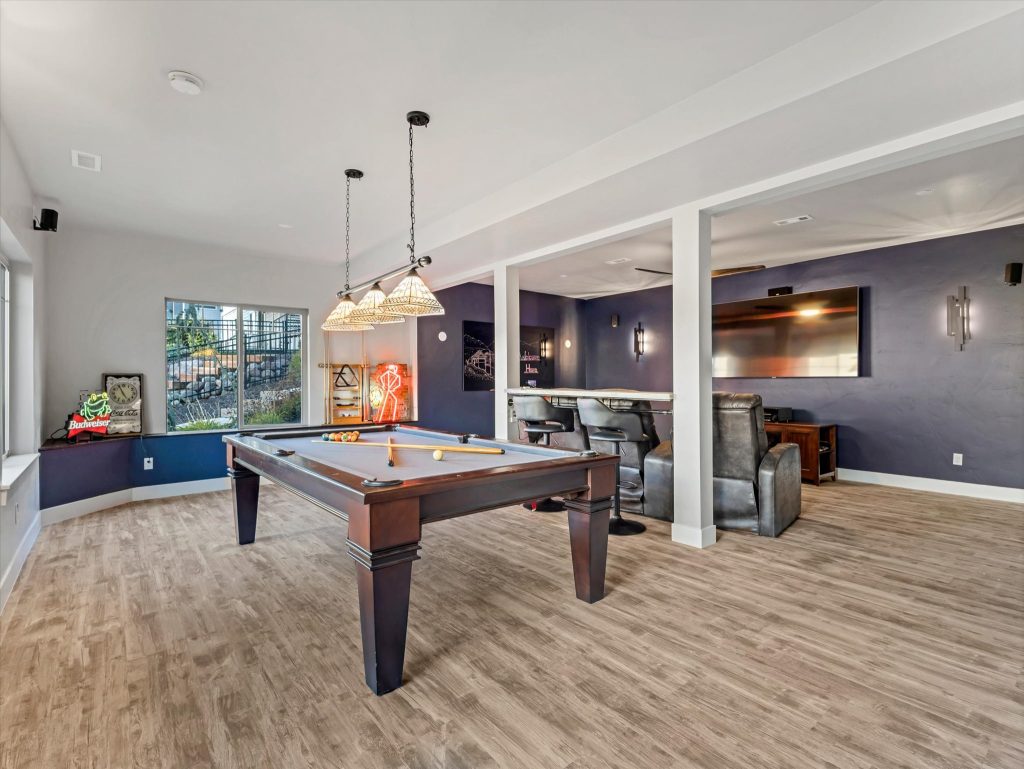
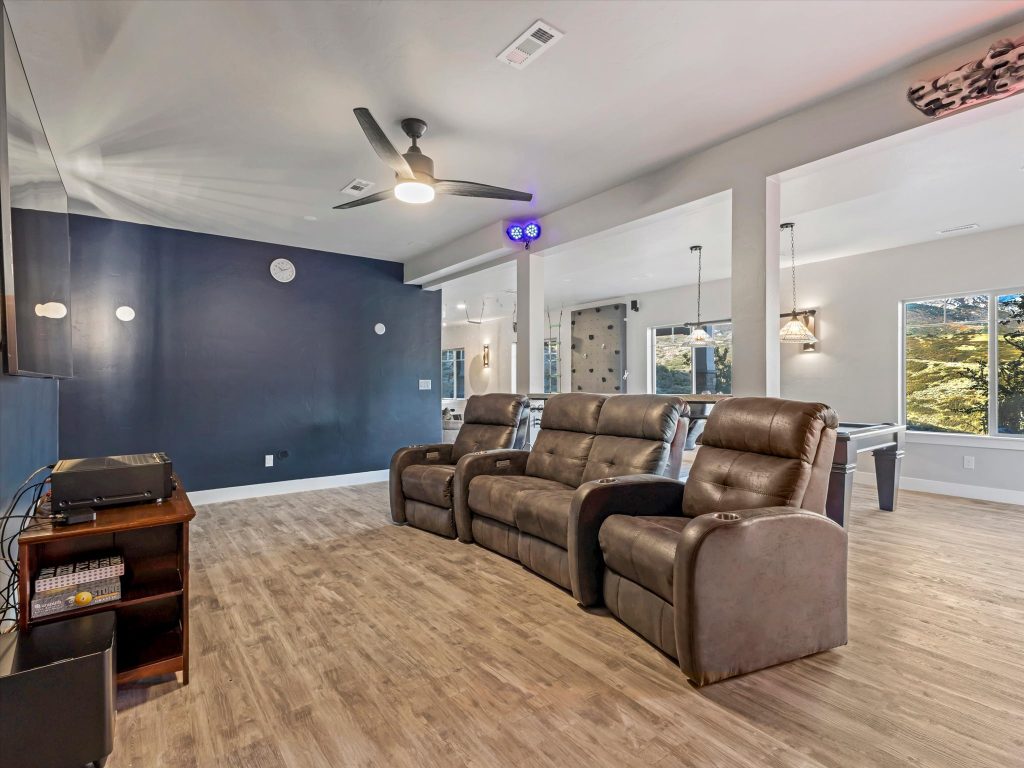
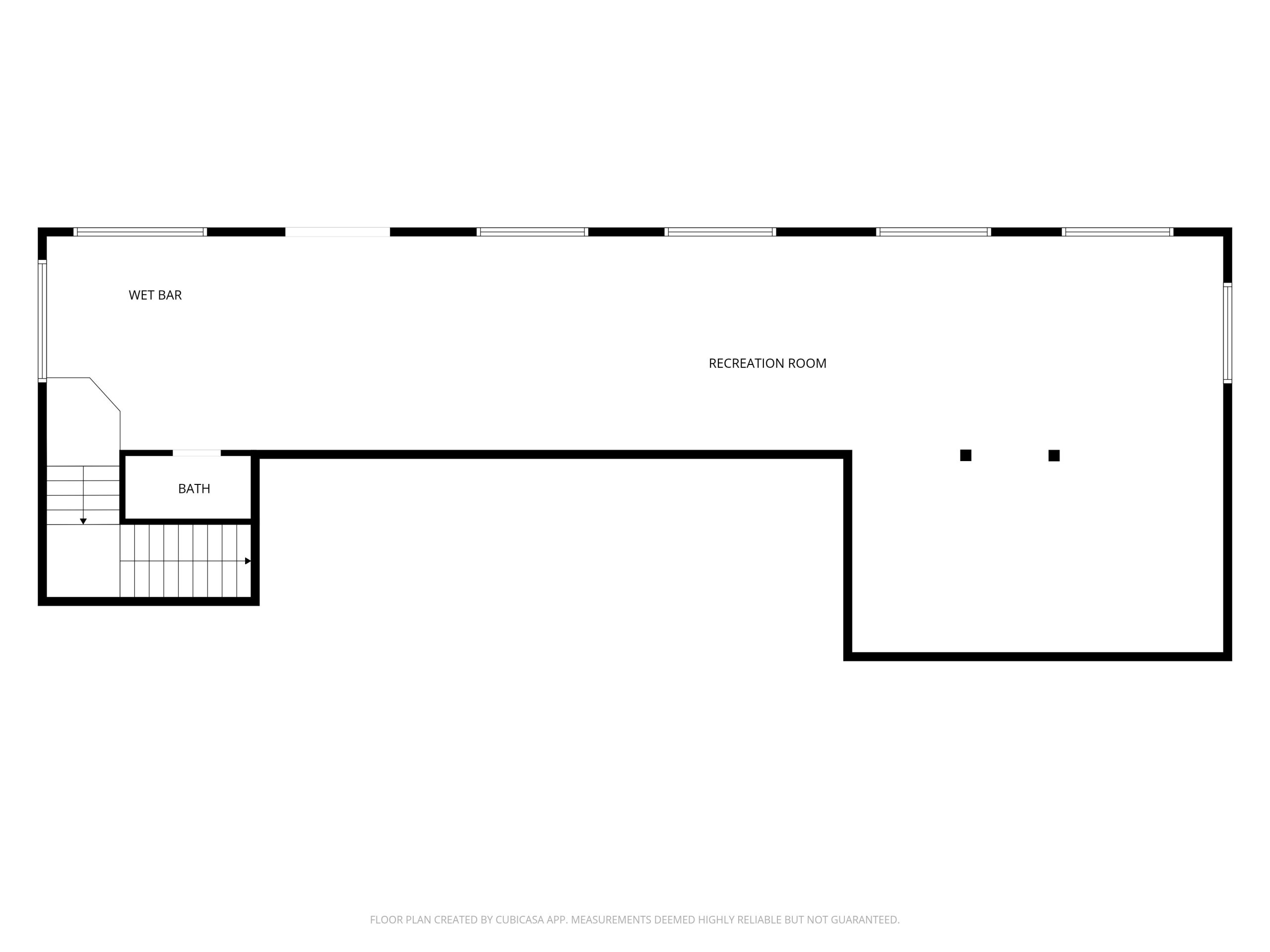
The walkout level is built for big gatherings. You'll have a theater room for movie nights that run long, plus a wet bar right next to the game room for late-night rematches. All told, you get three separate entertaining spaces: two decks and a covered patio. Coffee happens on one, dinner on another, and the last hour of the night down by the waterfall. Each one points you at the same view, which is the whole idea. Up here, you're living in the mountain air, with SunCrest's hiking and biking trails right outside your door and the clubhouse and gym within easy reach.
Ready for your personal tour?
Feel free to reach out to us with any questions you have or to set up a time for your personal tour of this beautiful home.

Scott Steadman
Robyn Foulger
SunCrest Lifestyle Presents
16064 S Chimney Stone Rd
Welcome Home
Welcome to 16064 S Chimney Stone Rd
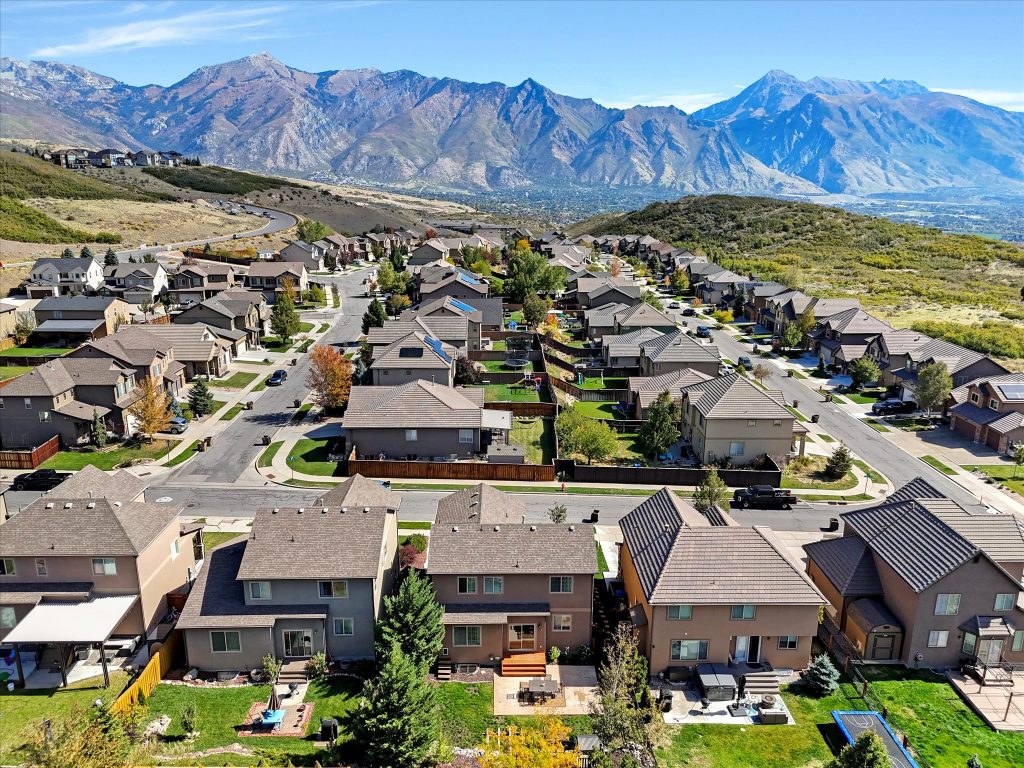
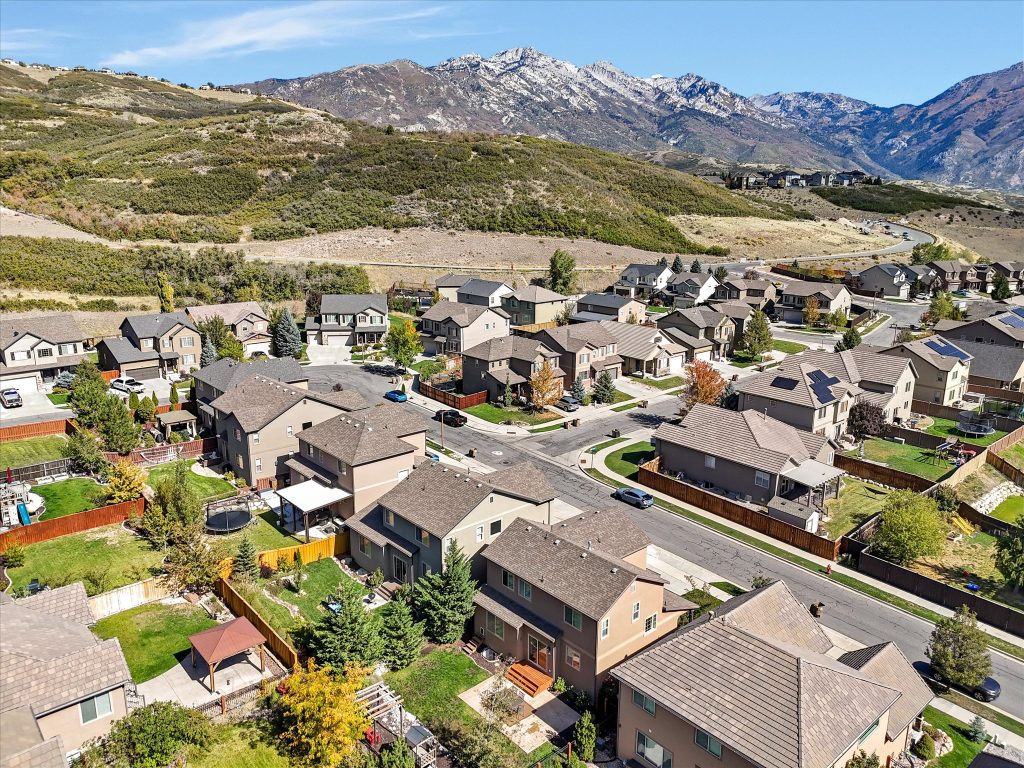
Every year in Maple Hollow, the scrub oak turns rust, the maples go red, and the mountain air picks up the kind of snap that sends you looking for a sweatshirt without thinking about it. SunCrest does fall well, and this is where it starts.
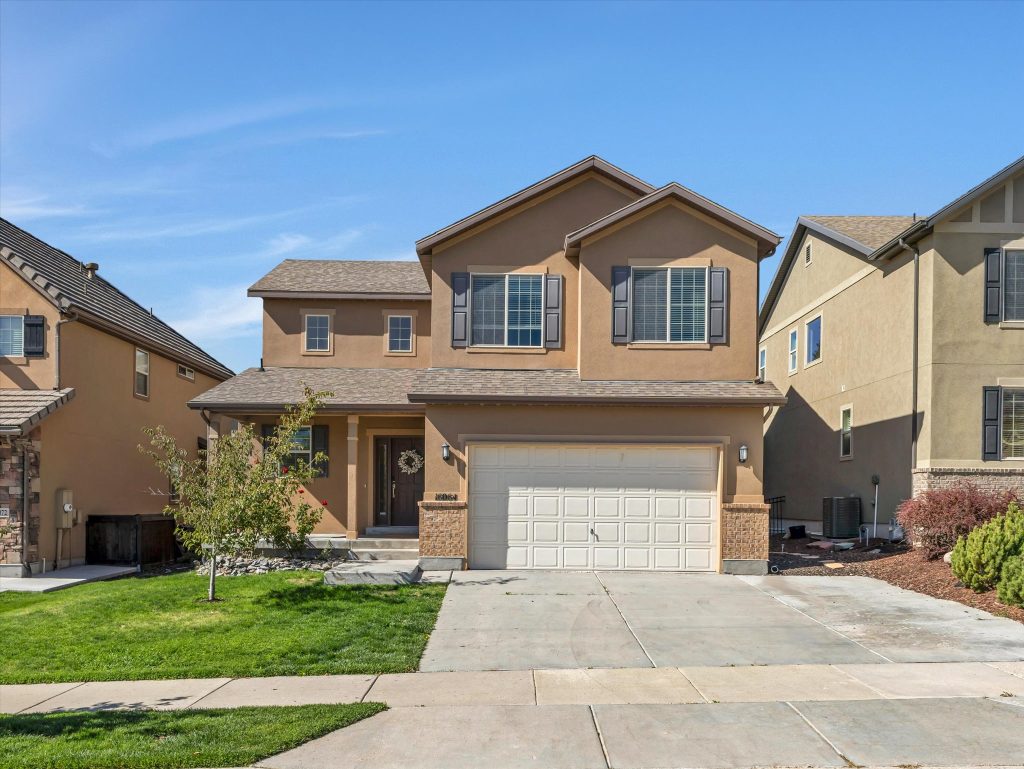
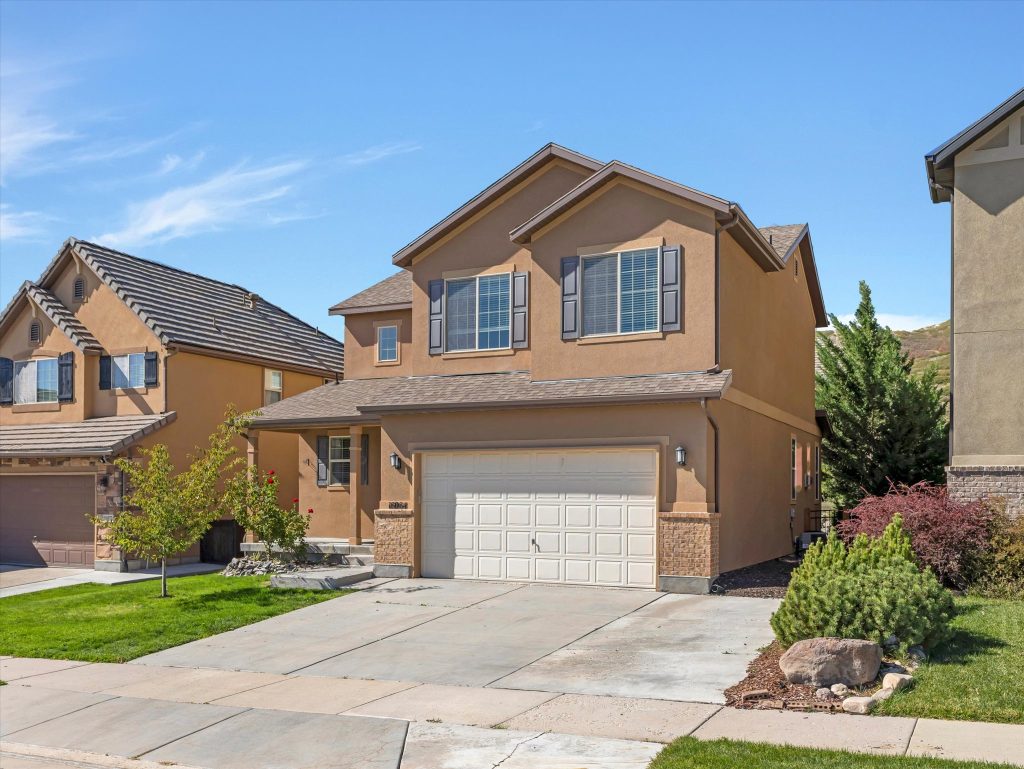
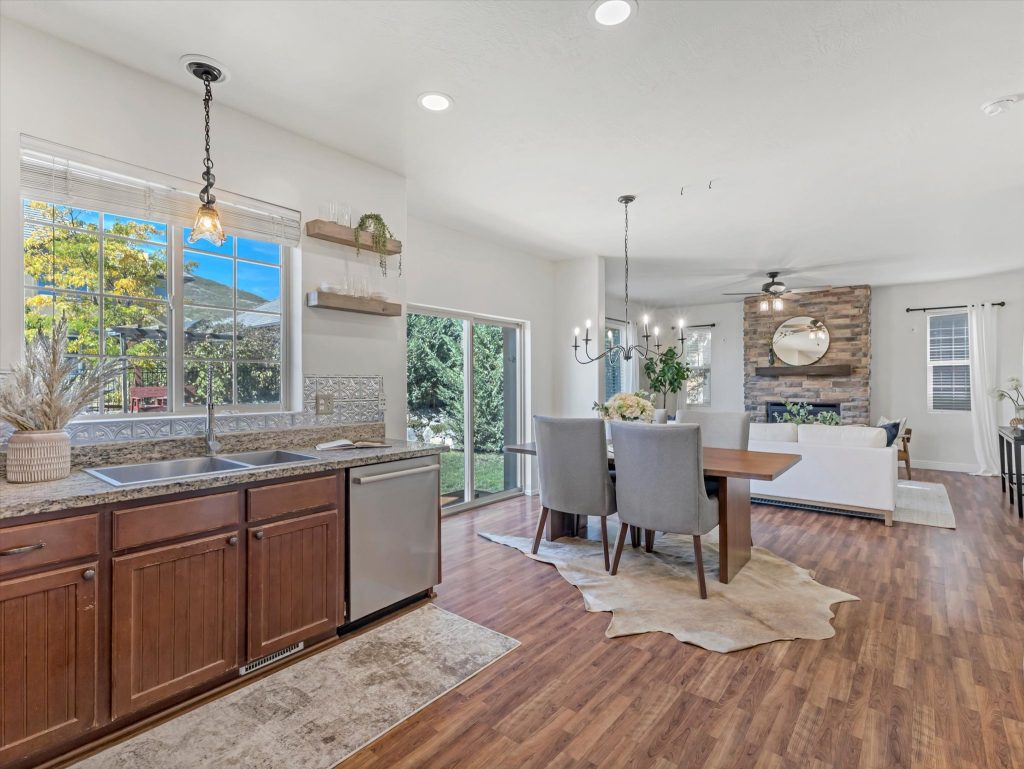
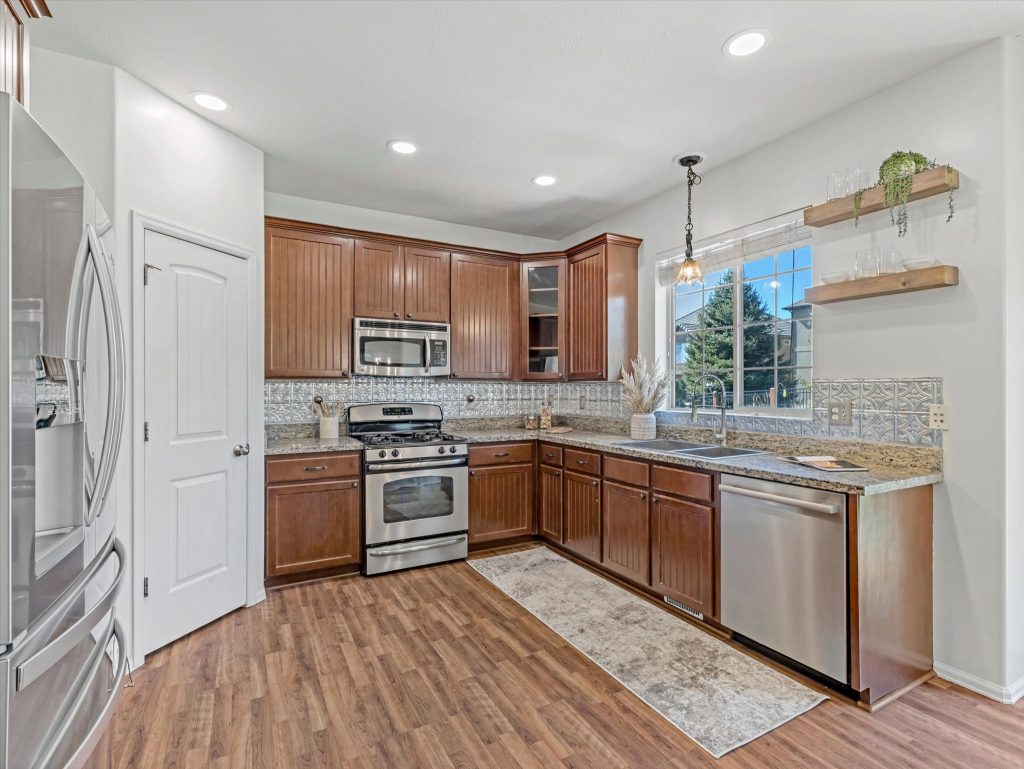
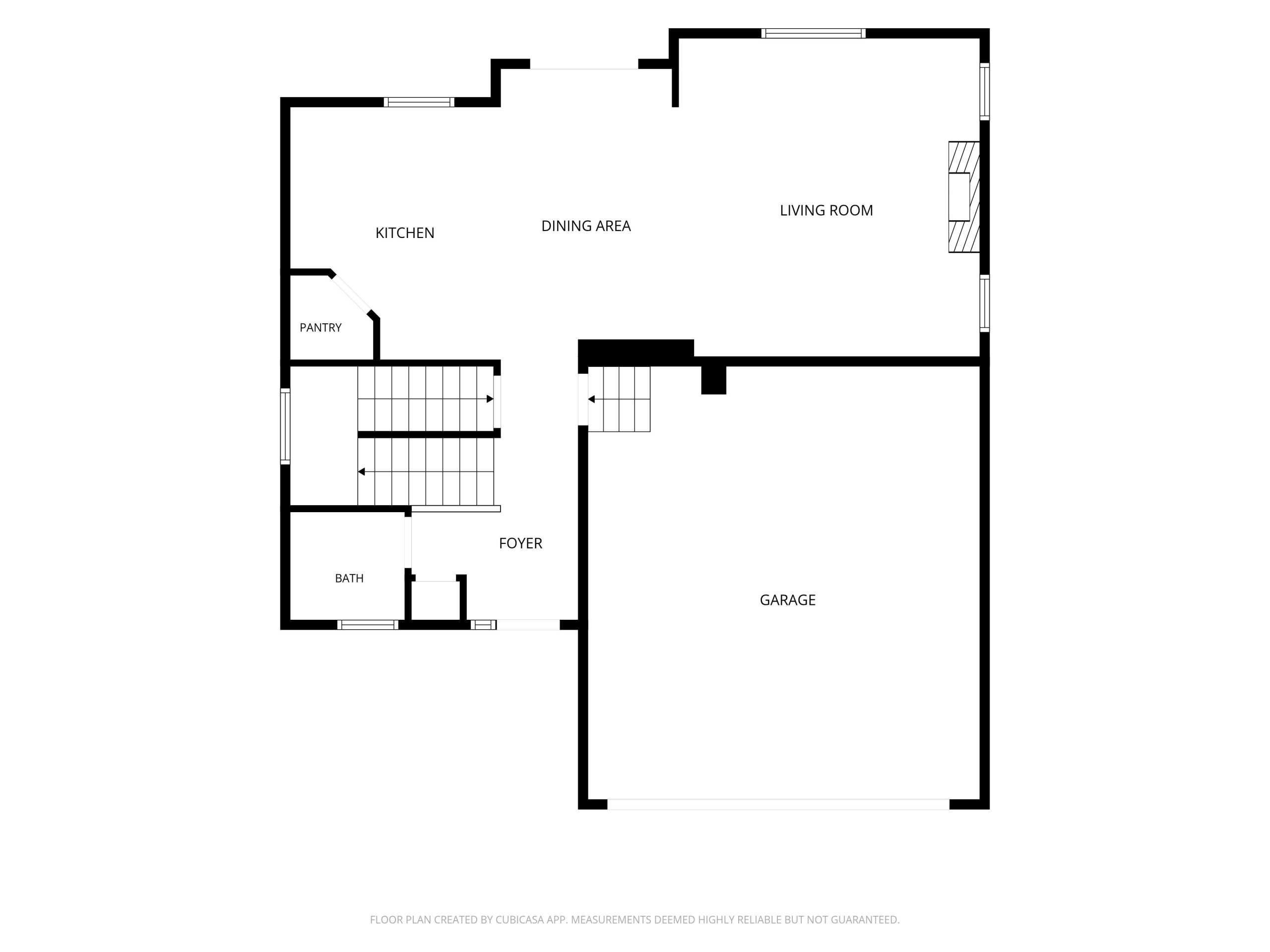
Freshly painted, the main level keeps things simple and functional. The kitchen is built for soup season: stainless steel appliances, a gas range, granite counters, and canned lighting. It's also where Boo Berry, Count Chocula, and Franken Berry get their annual Saturday-morning comeback.
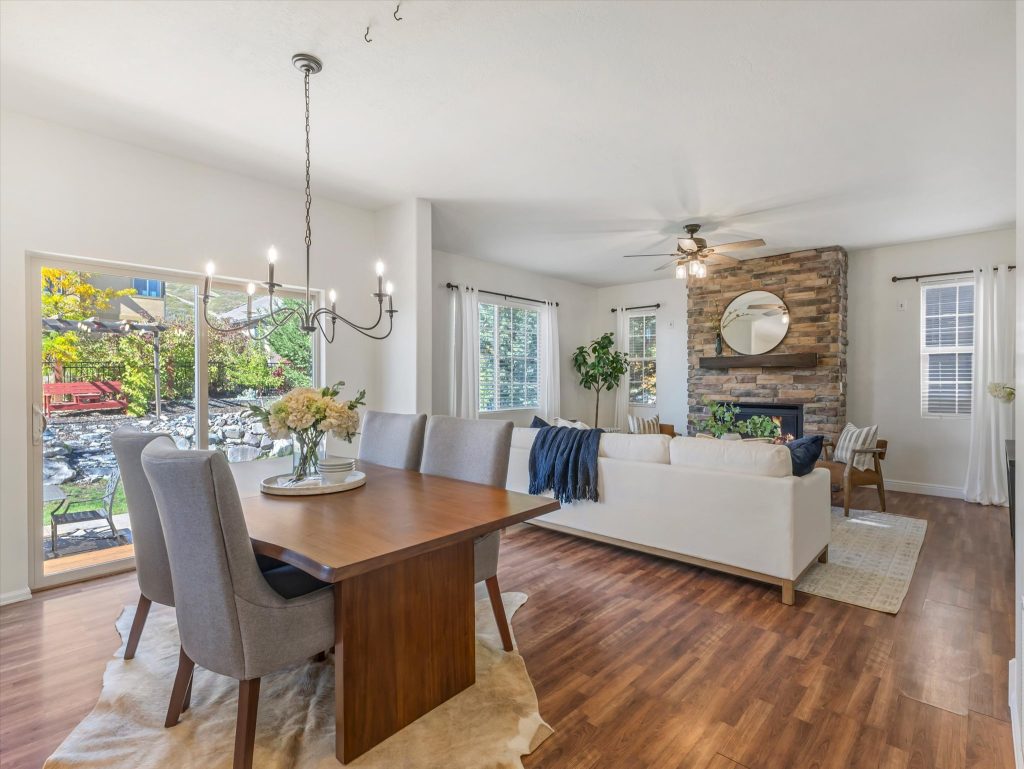
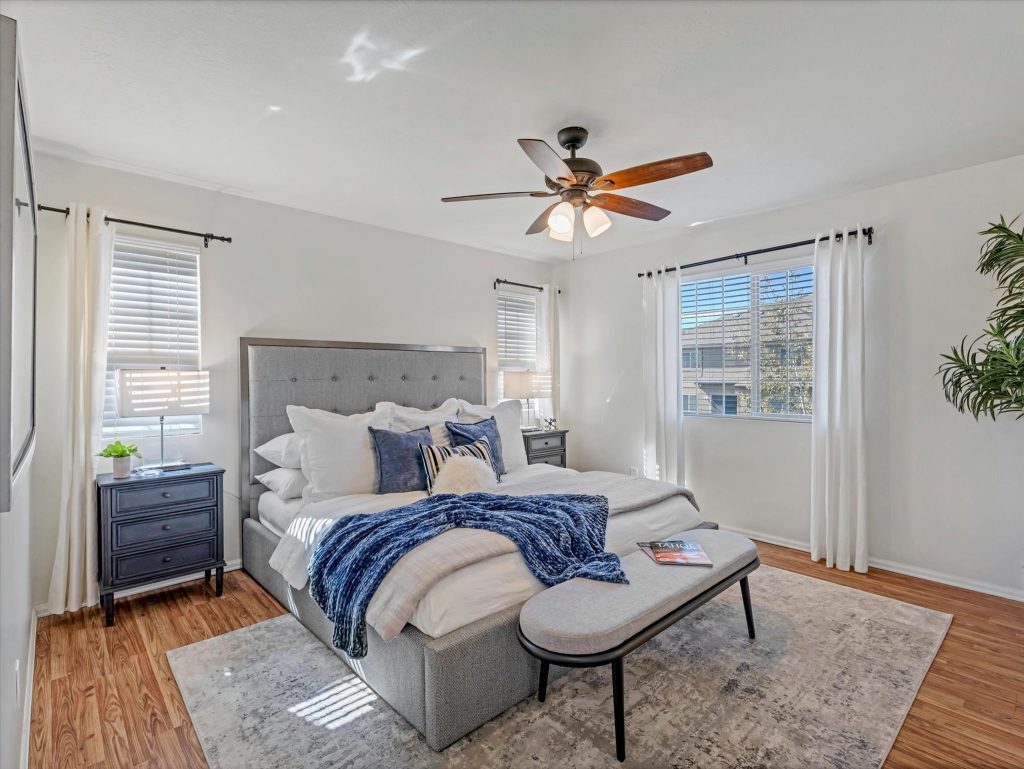
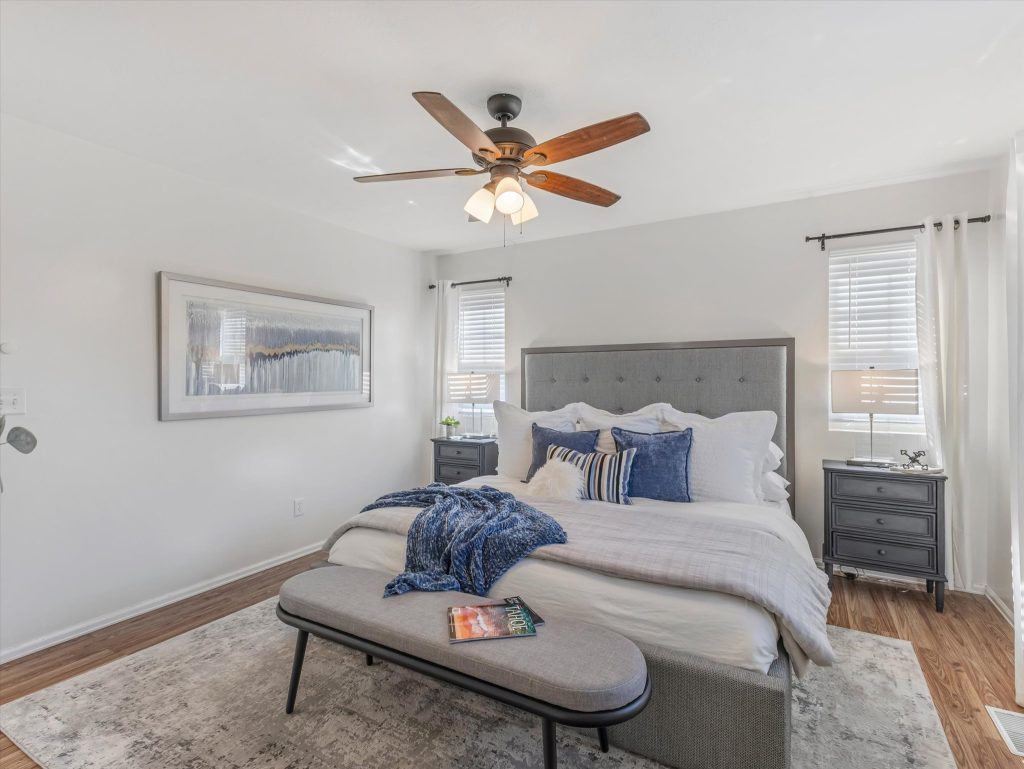
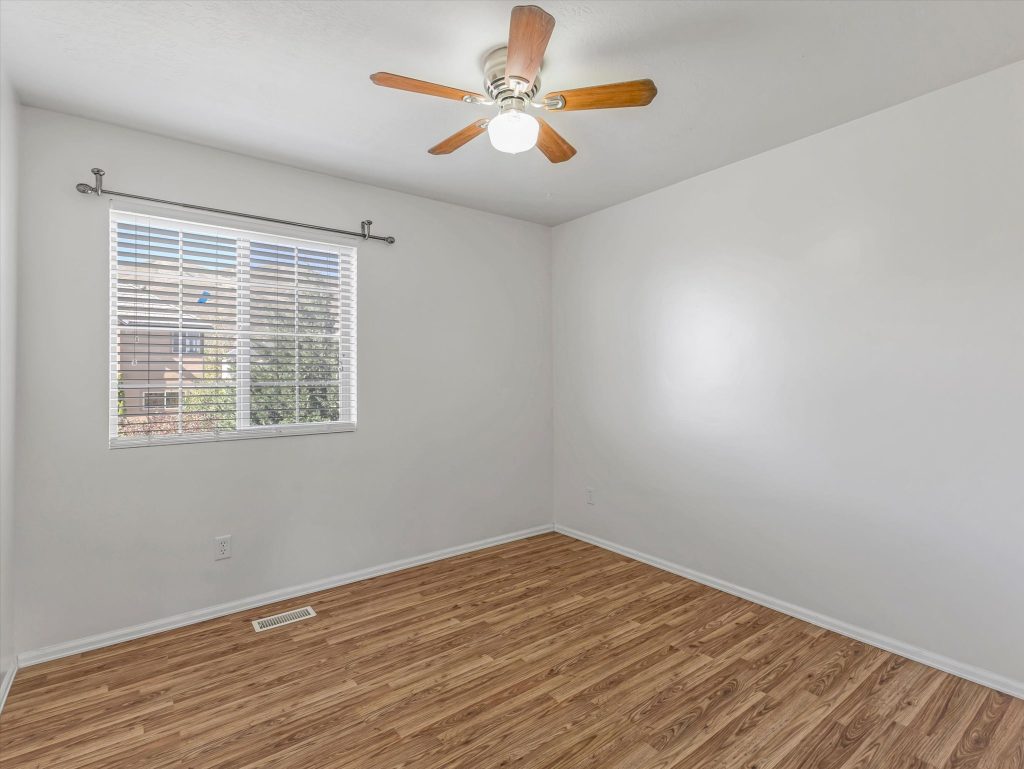
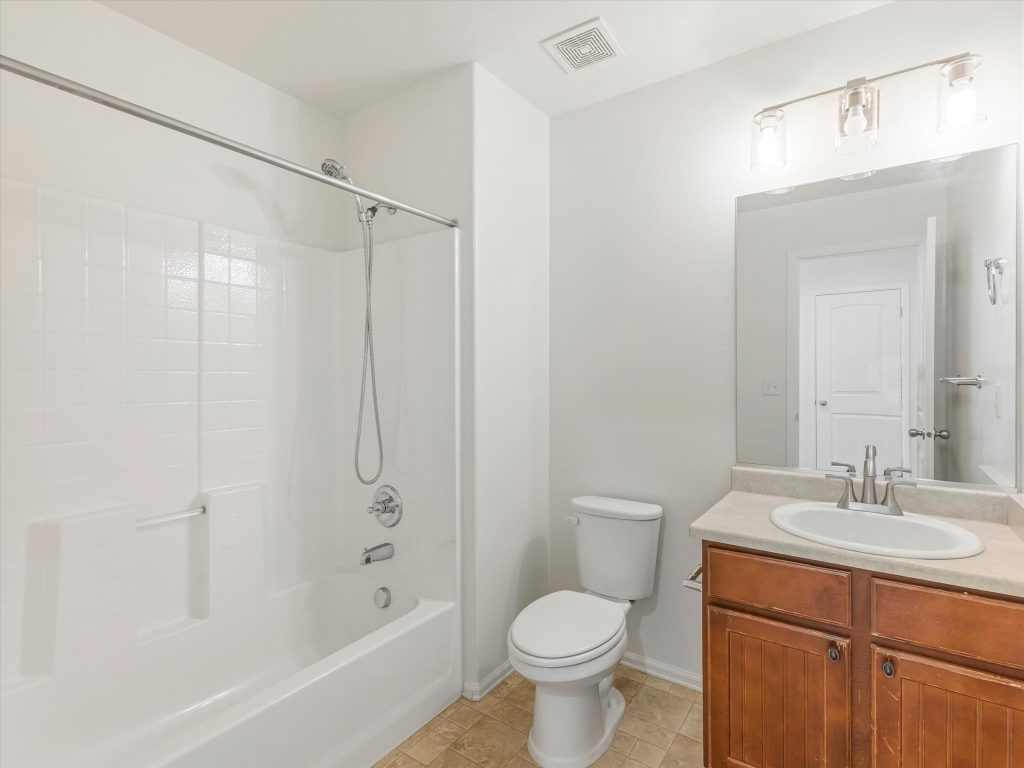
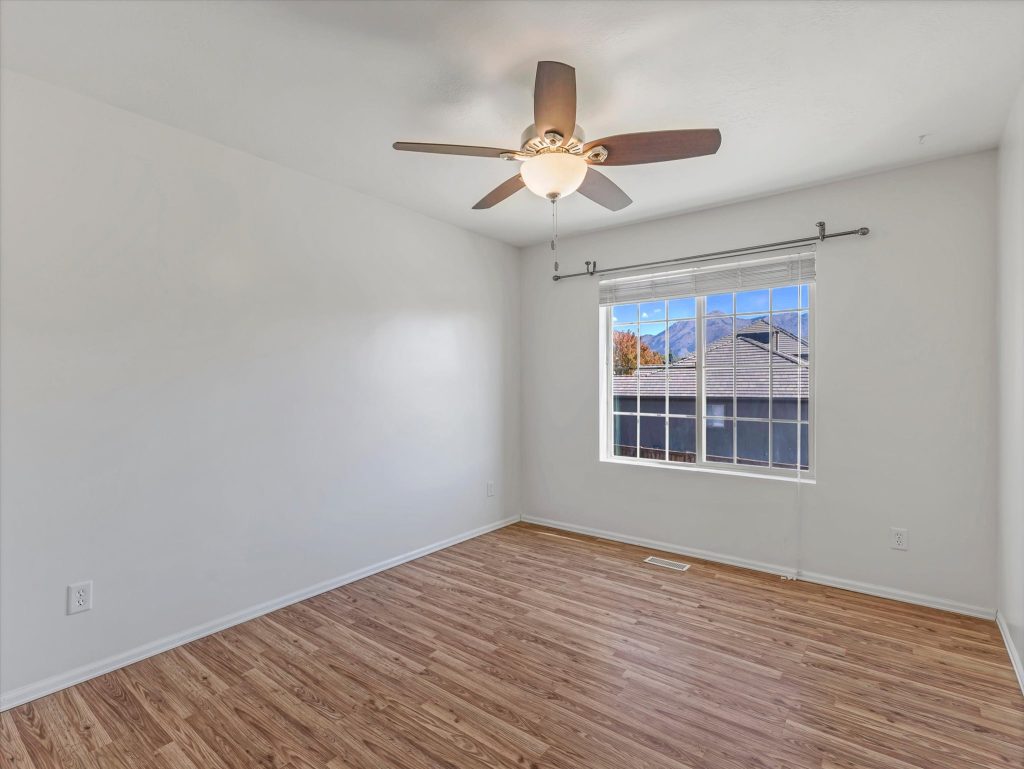
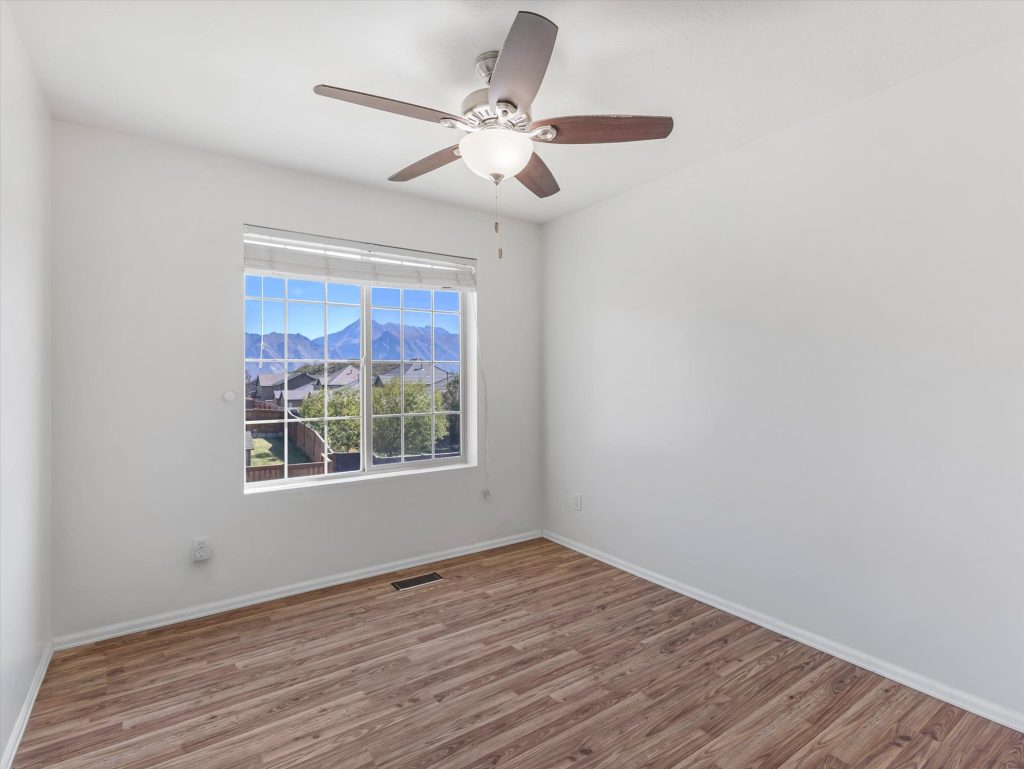
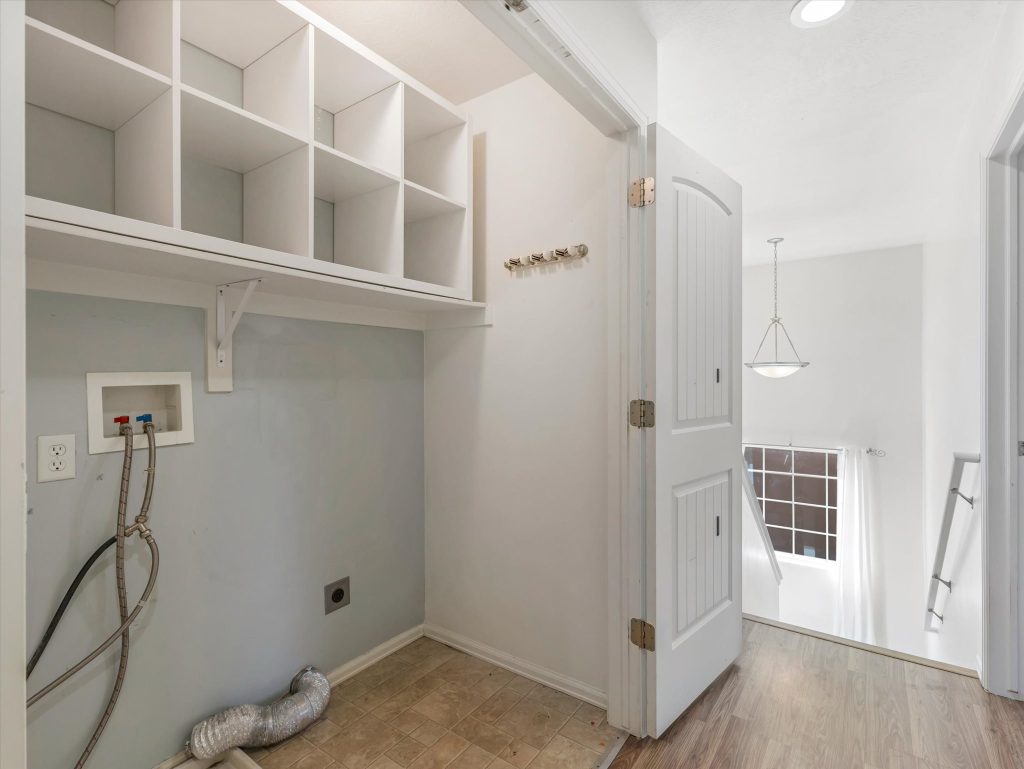
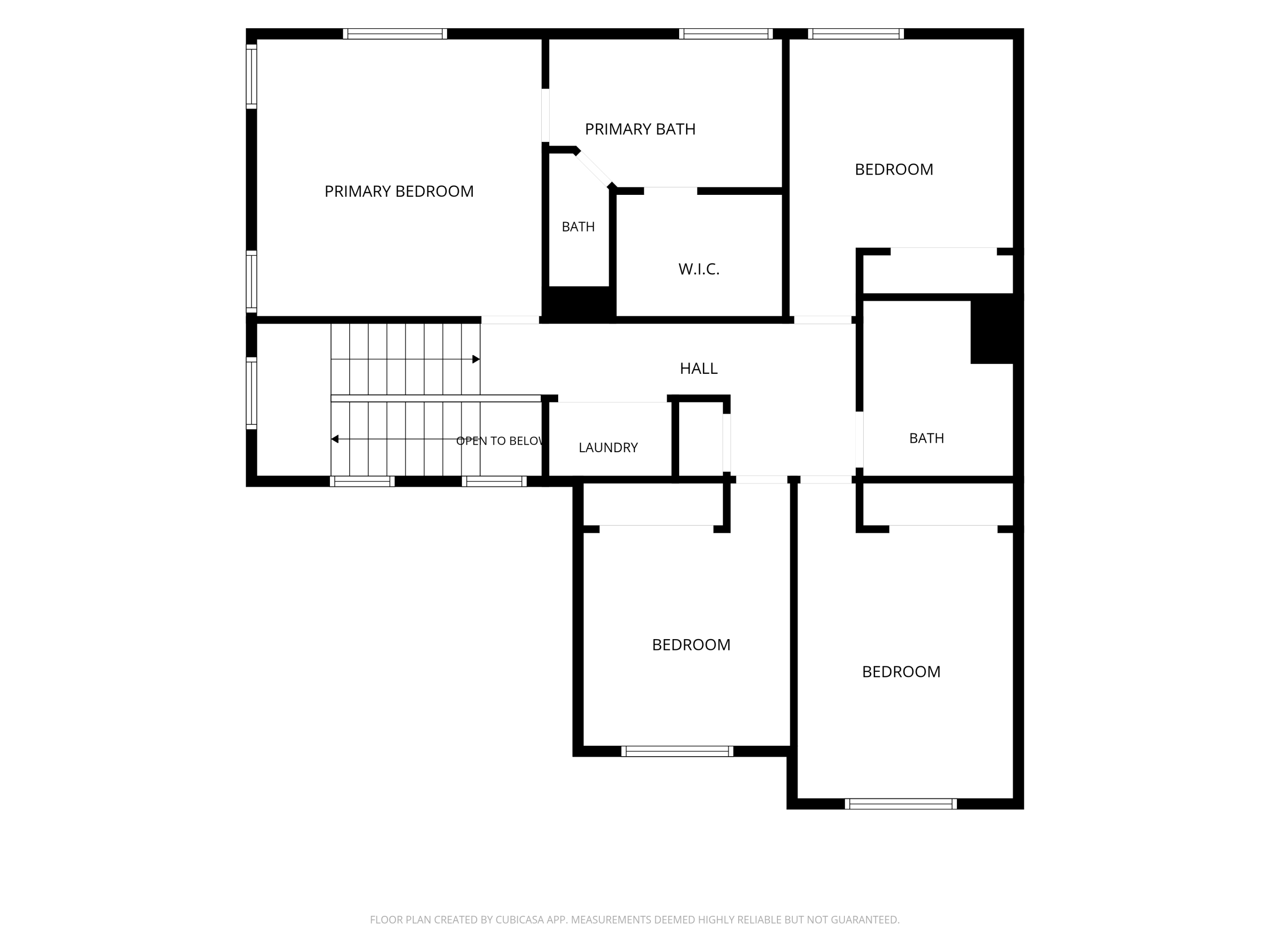
The kitchen opens straight into a dining space and a family room built around a custom stone fireplace, which is about to earn its keep. Slide the glass door open on a crisp evening and the backyard becomes part of the floor plan. Upstairs, four bedrooms and two full bathrooms give everyone room to spread out. The primary suite carries a separate tub and shower, double sinks, and a walk-in closet. Laundry lives up here too.
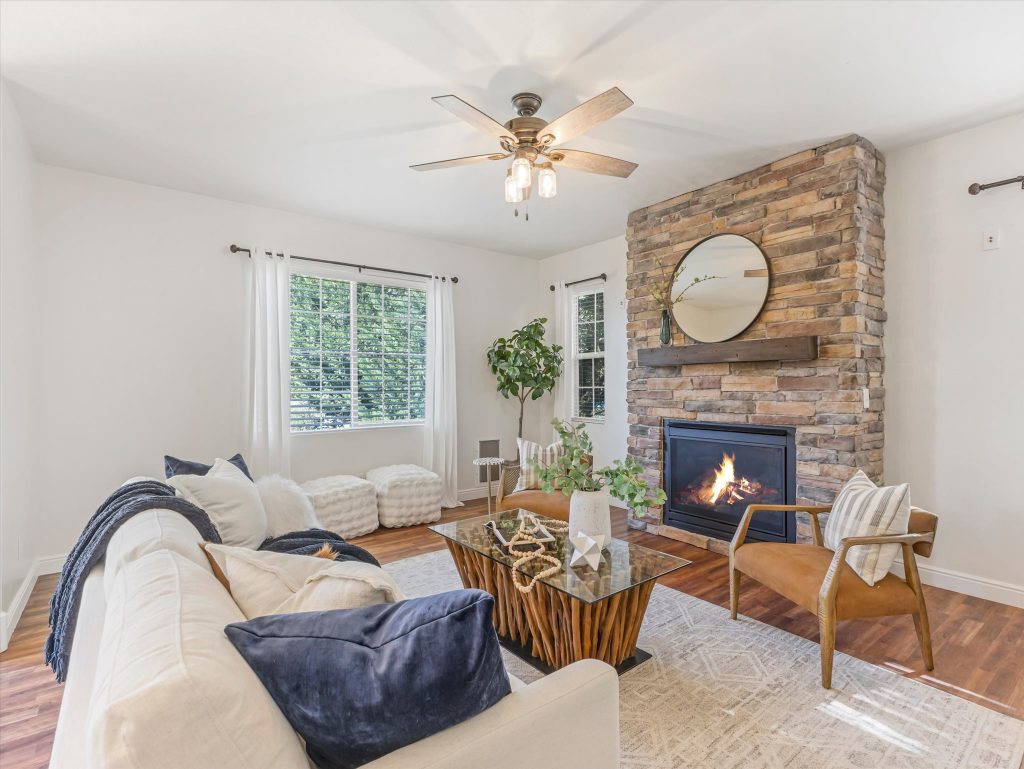
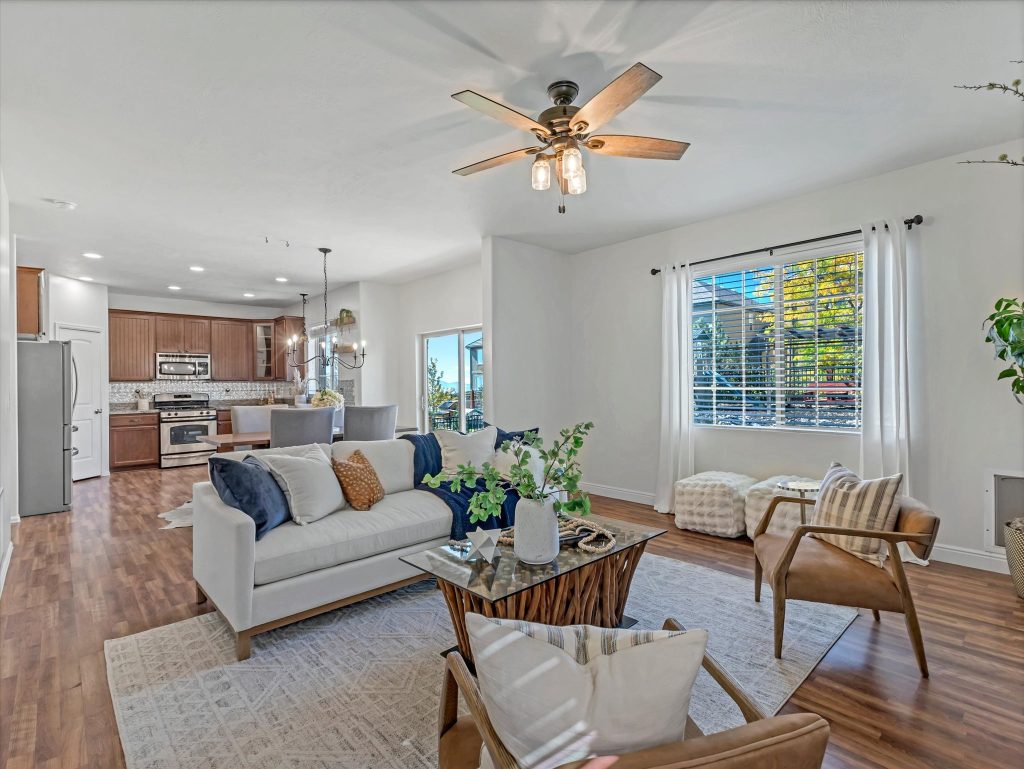
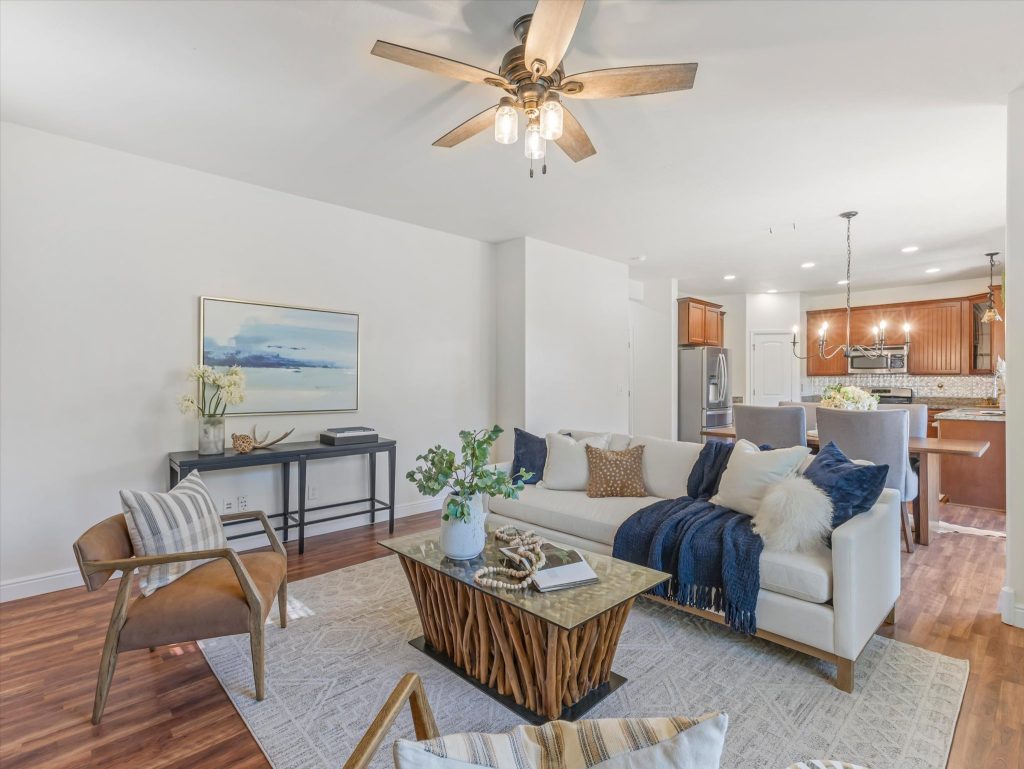
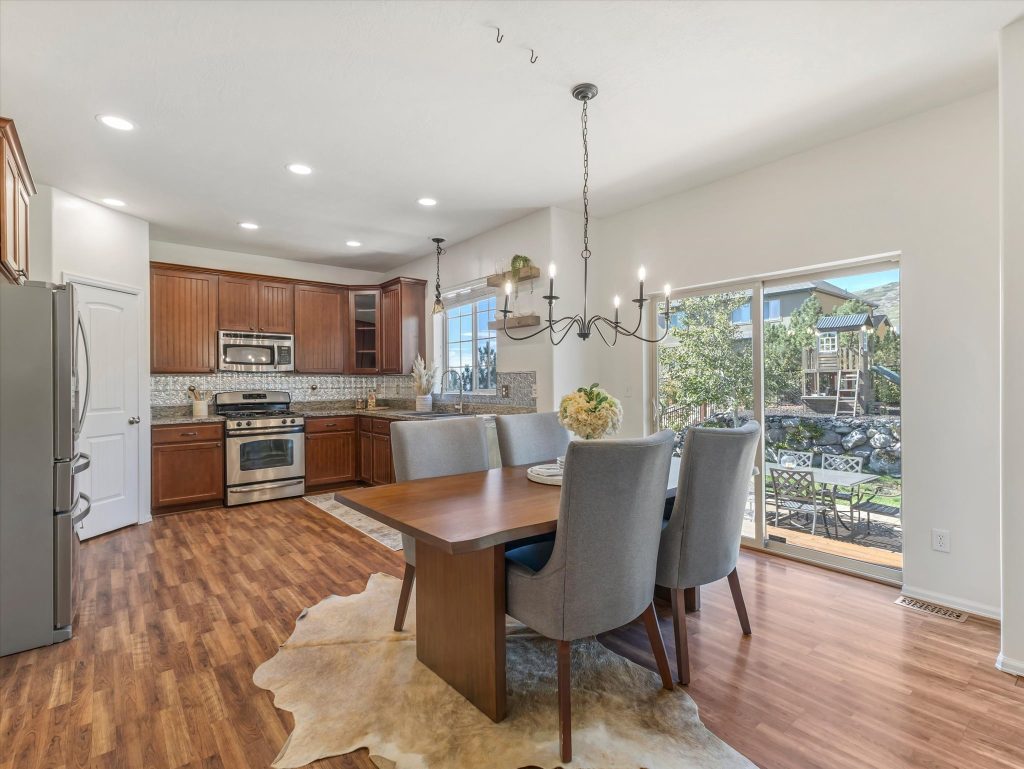
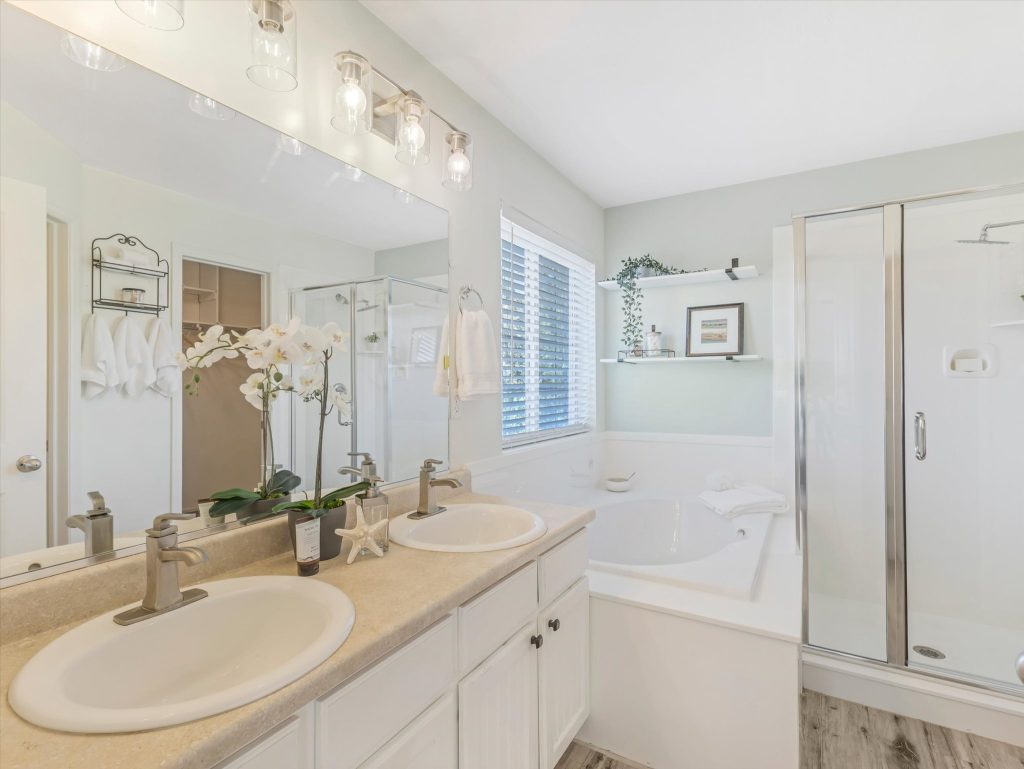
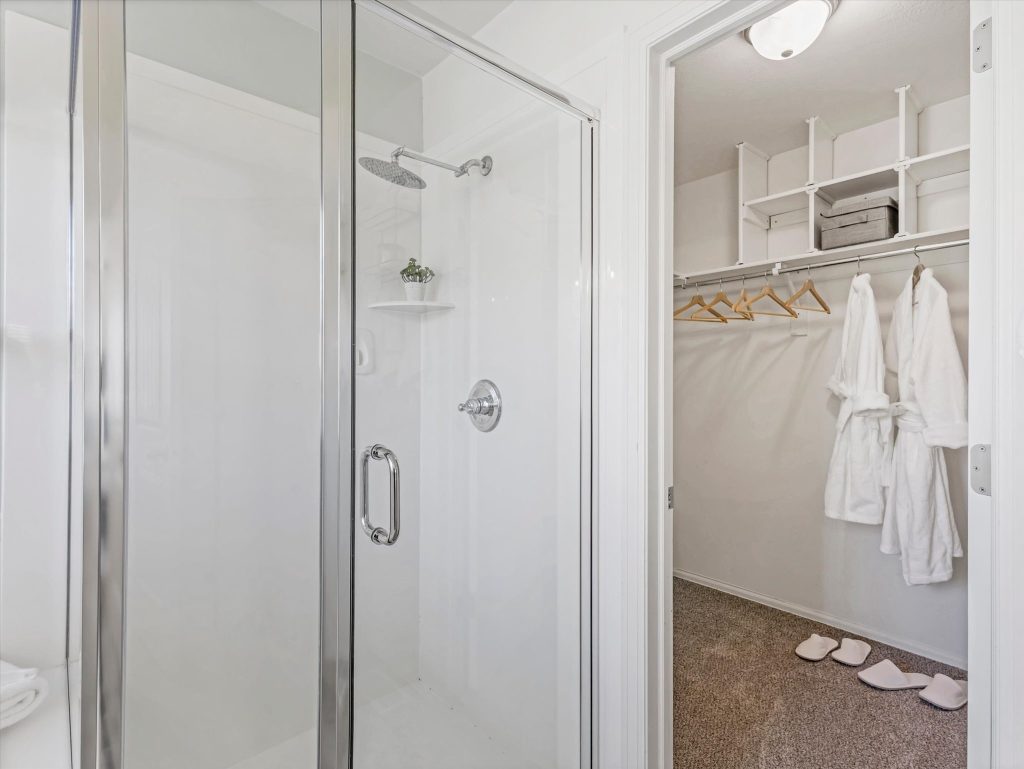
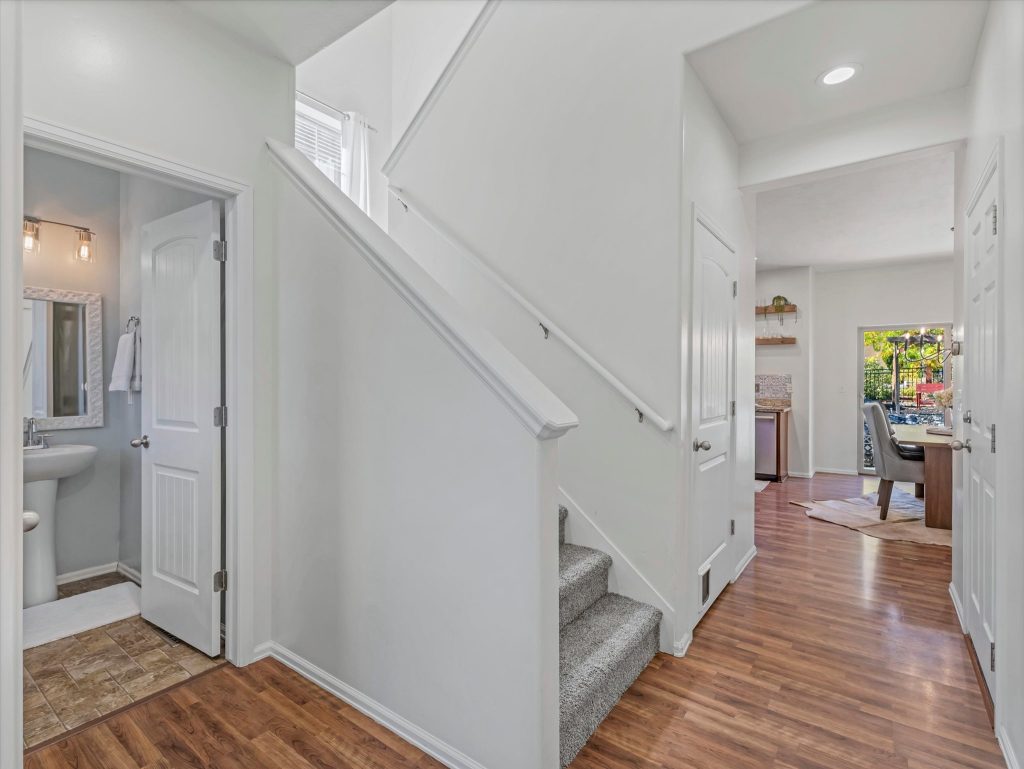
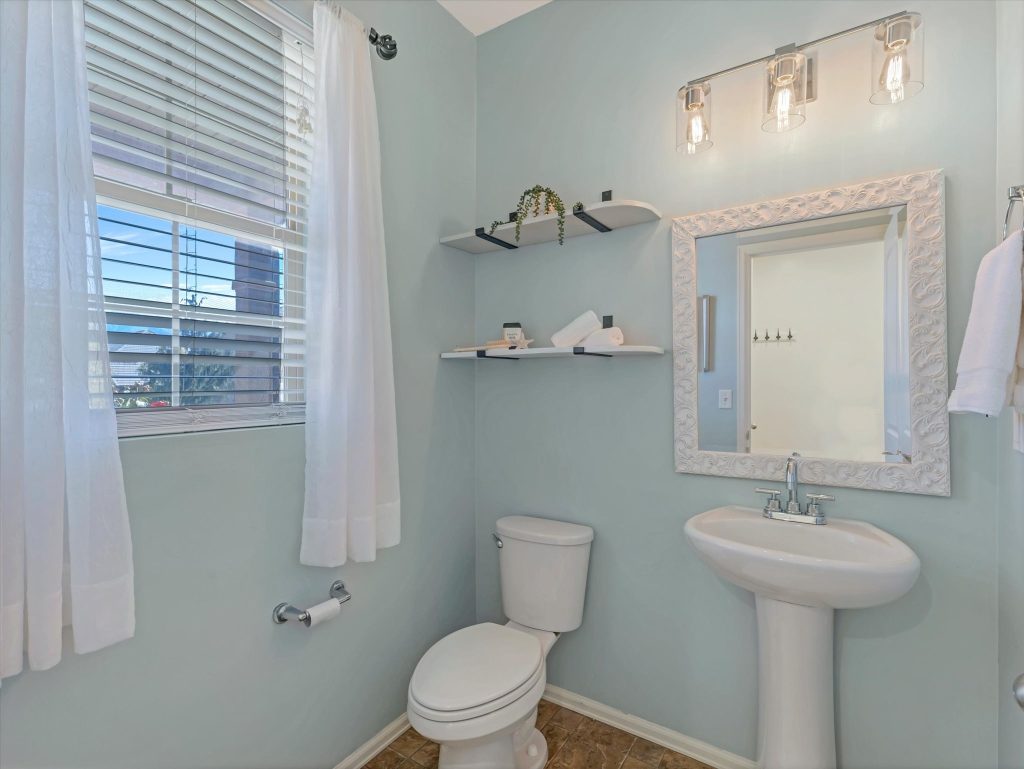
Amenities & Outdoors
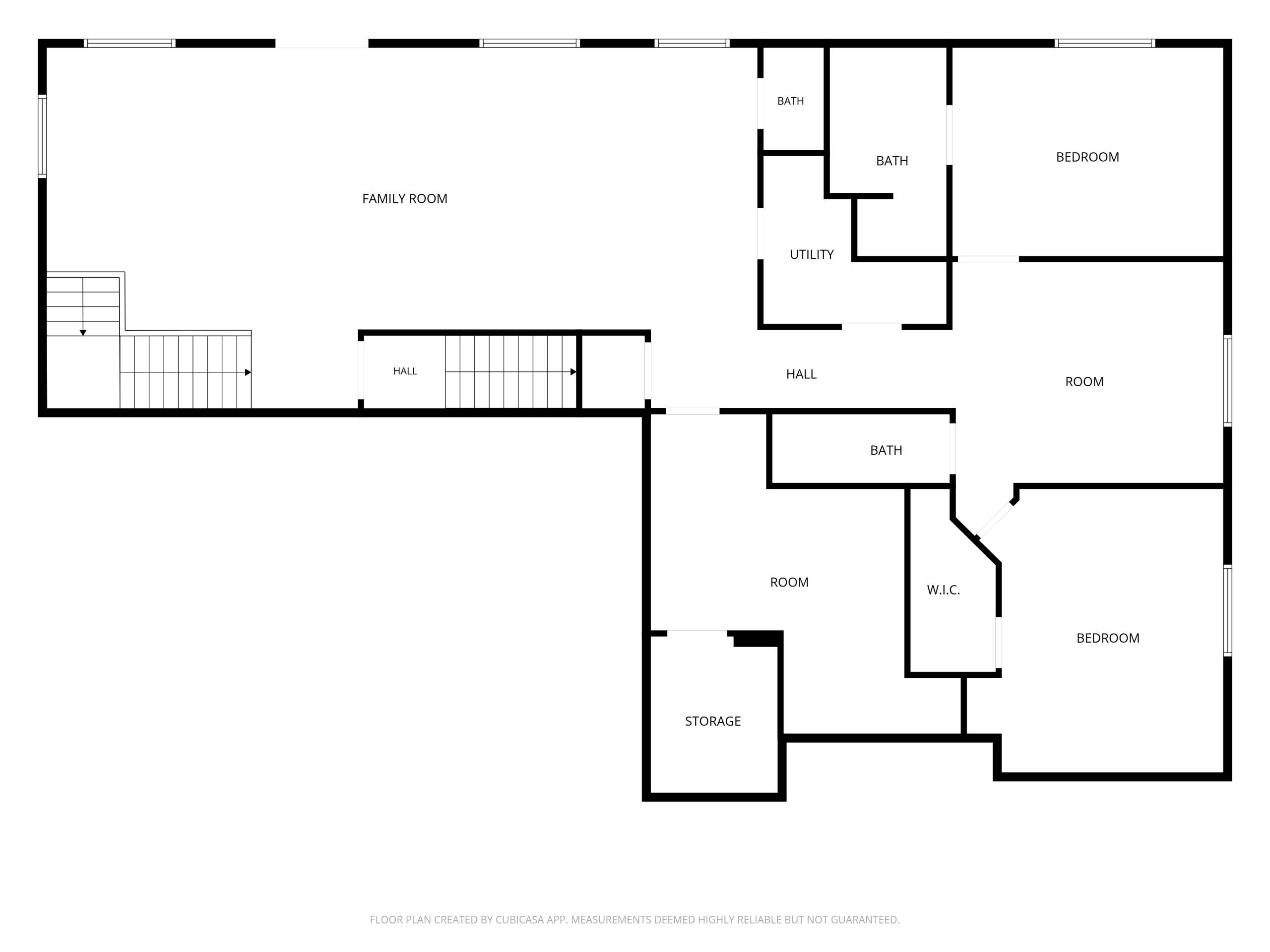
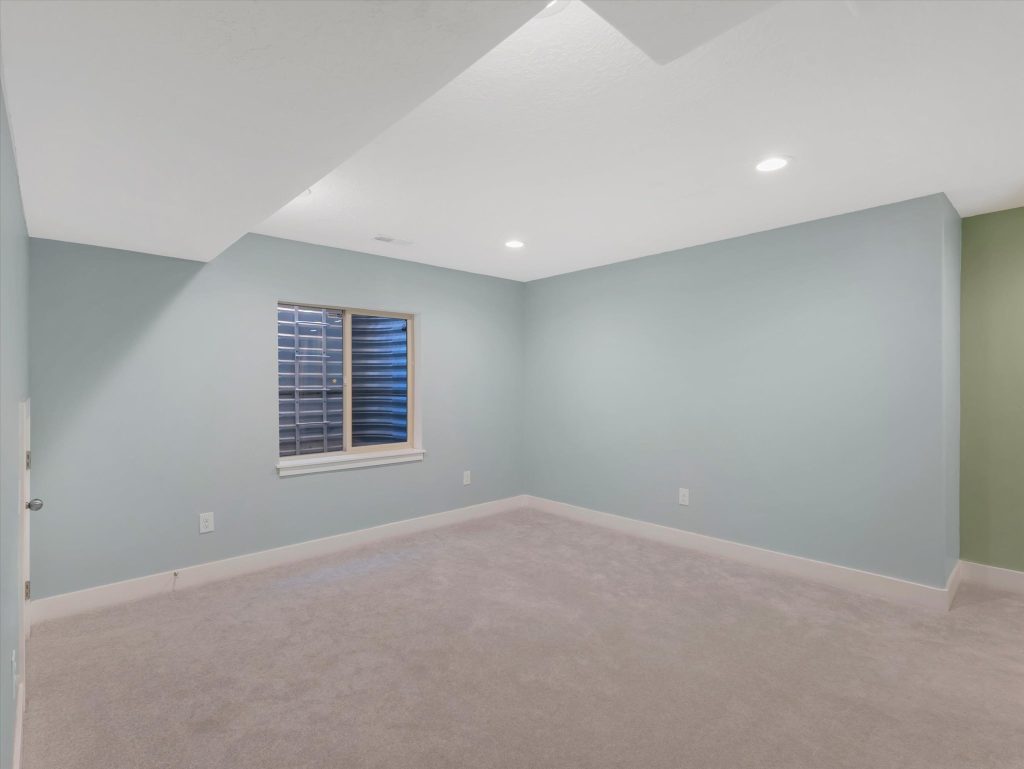
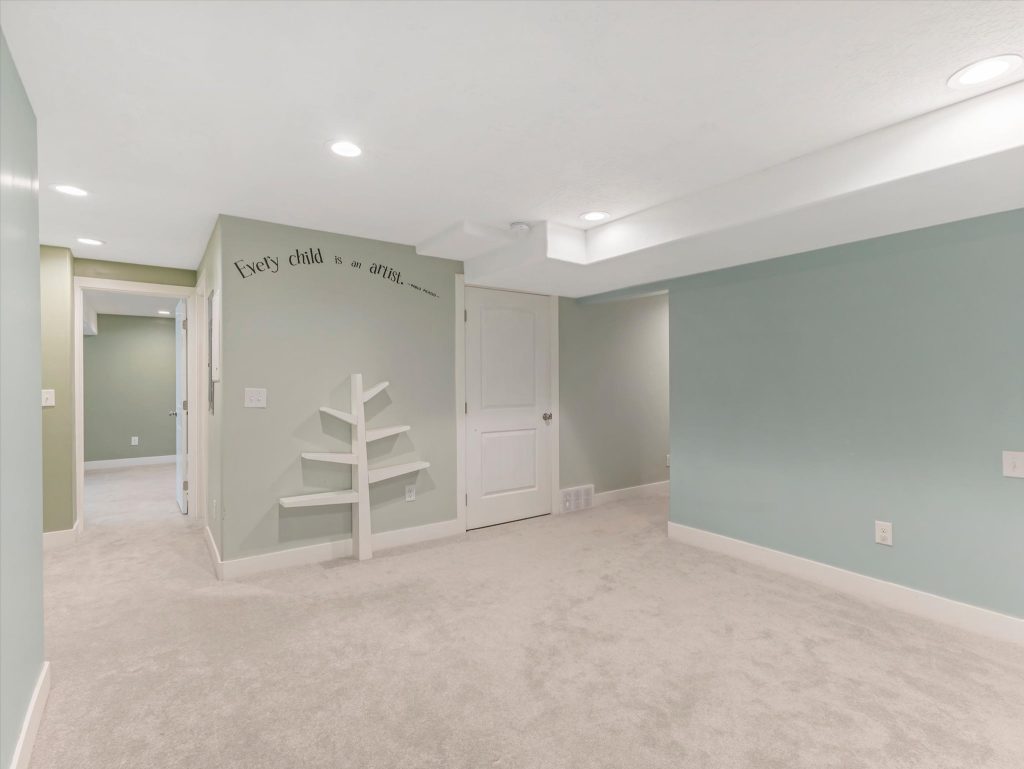
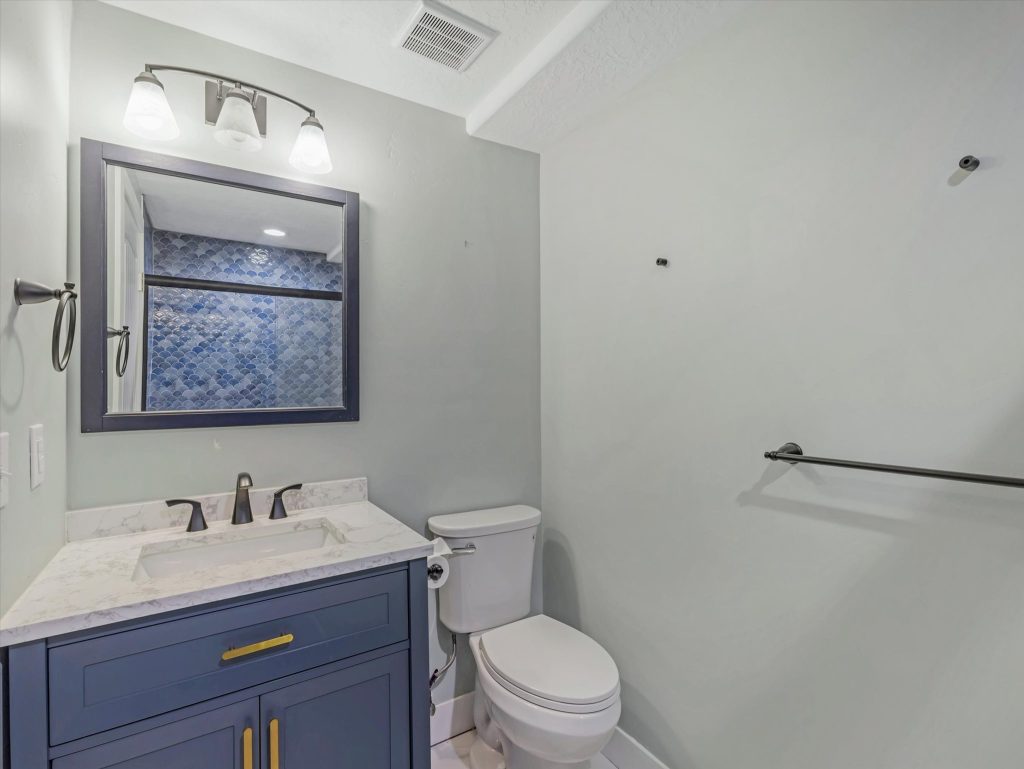
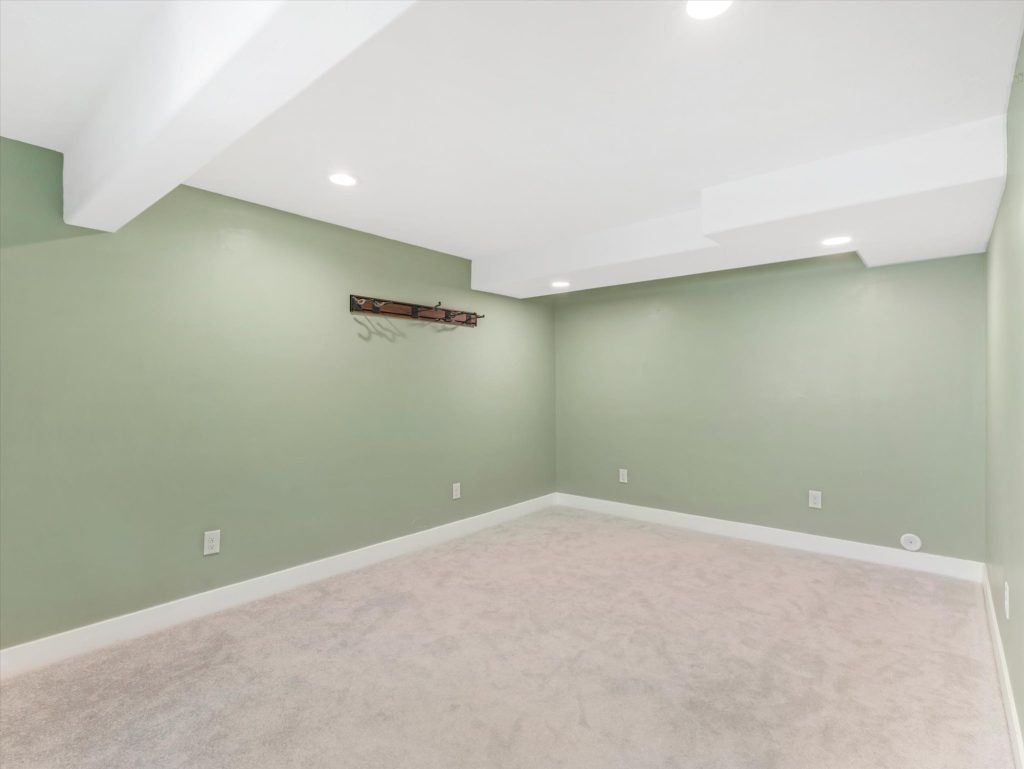
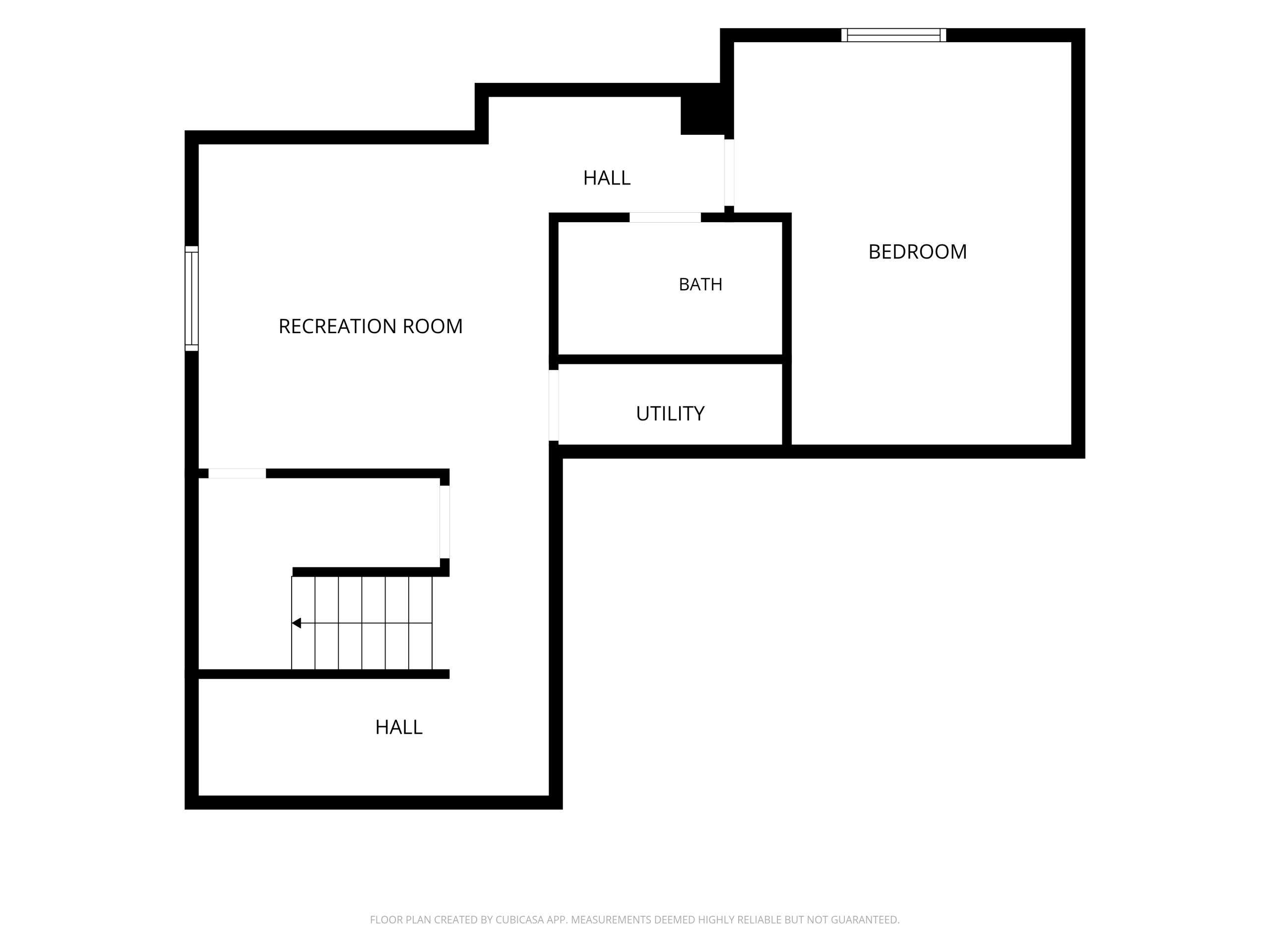
The basement is fully finished, adding a bedroom, a 3/4 bath, and a family room that works as another bedroom, a guest setup, or simply more square footage to grow into.
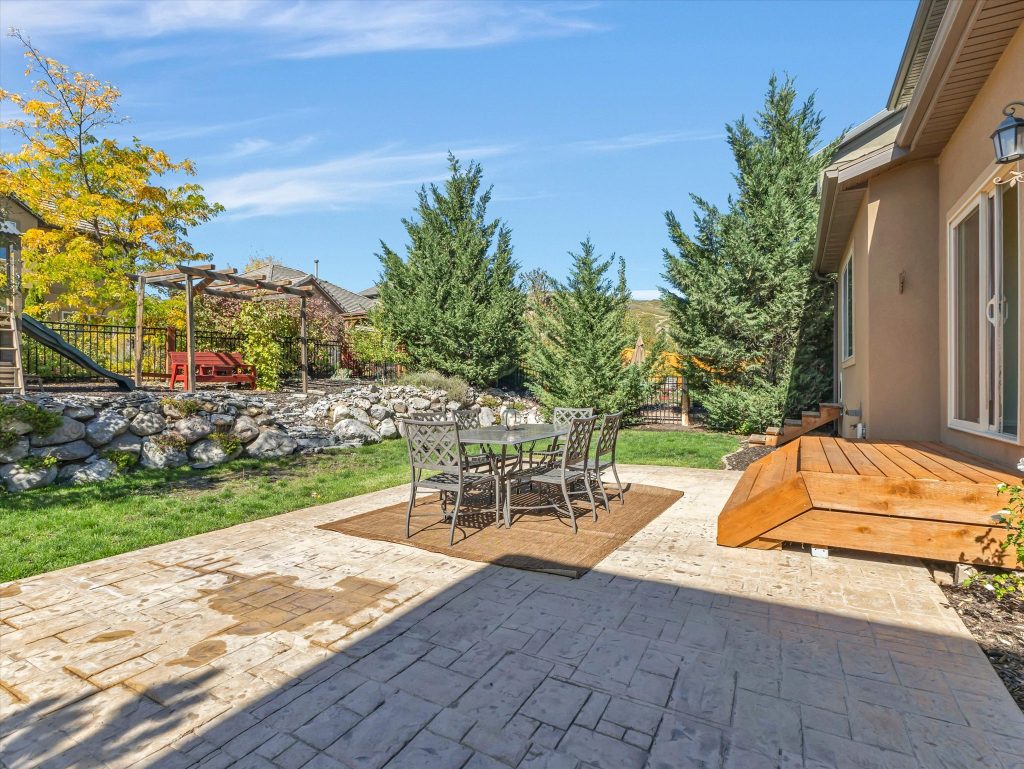
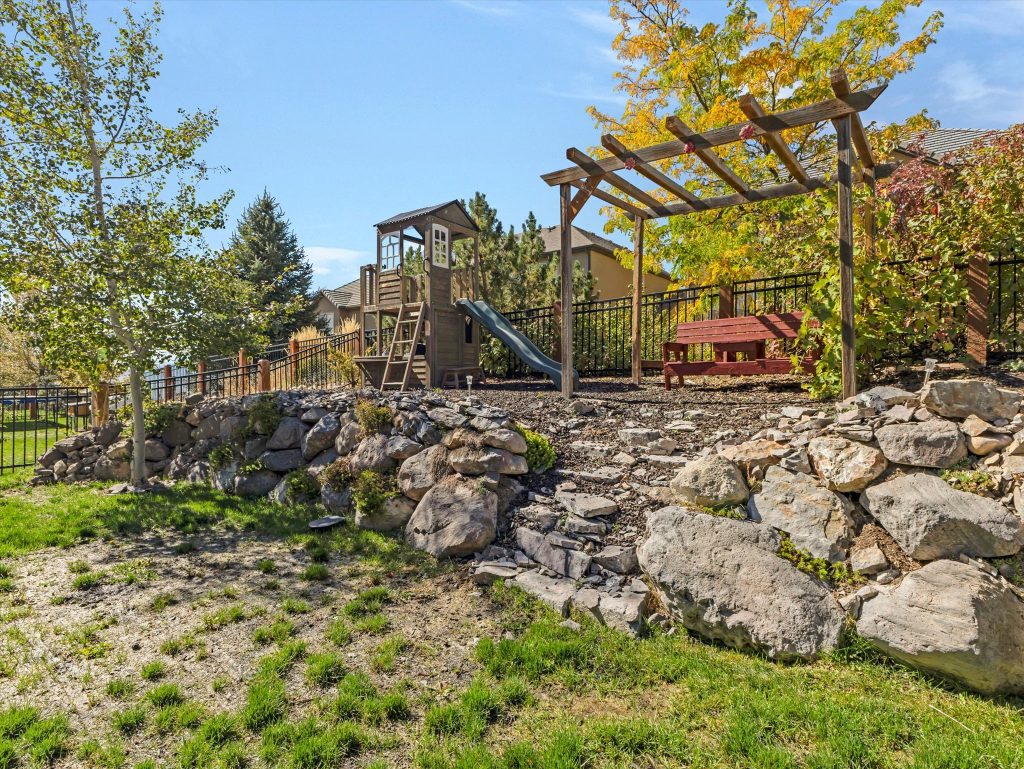
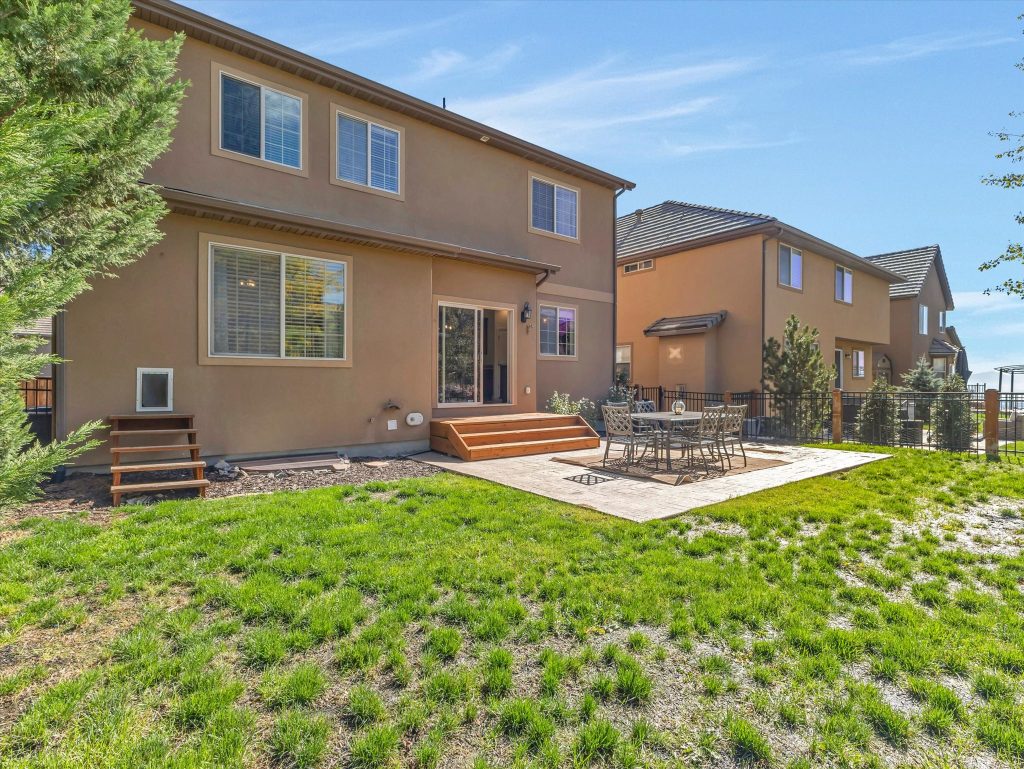
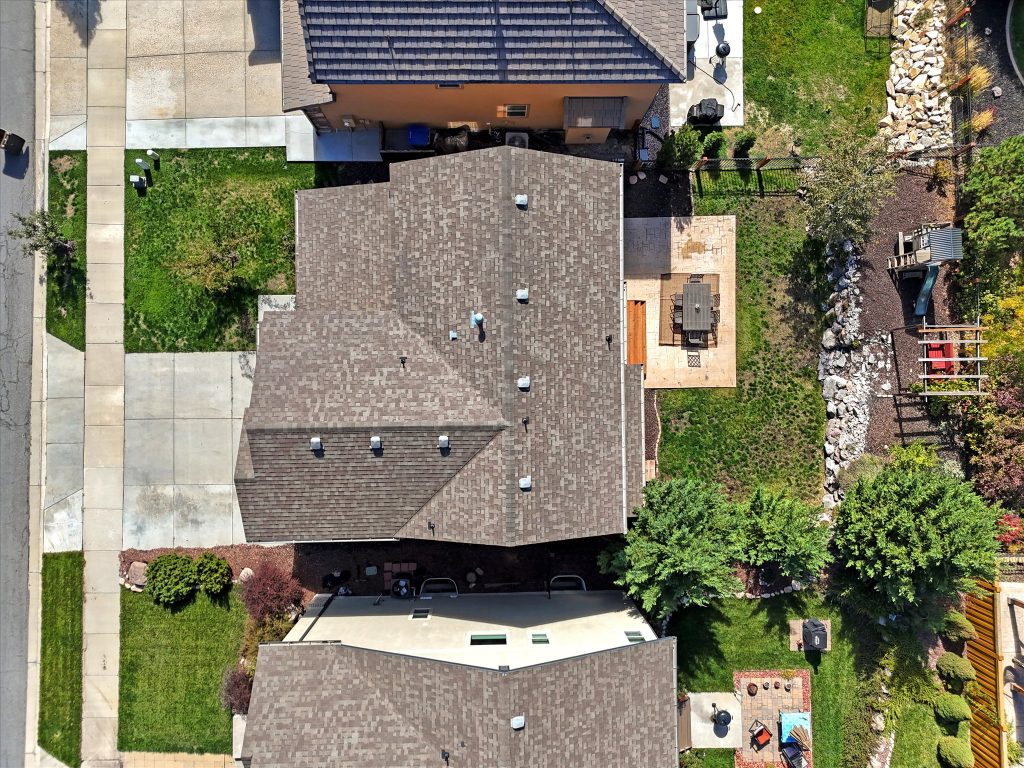
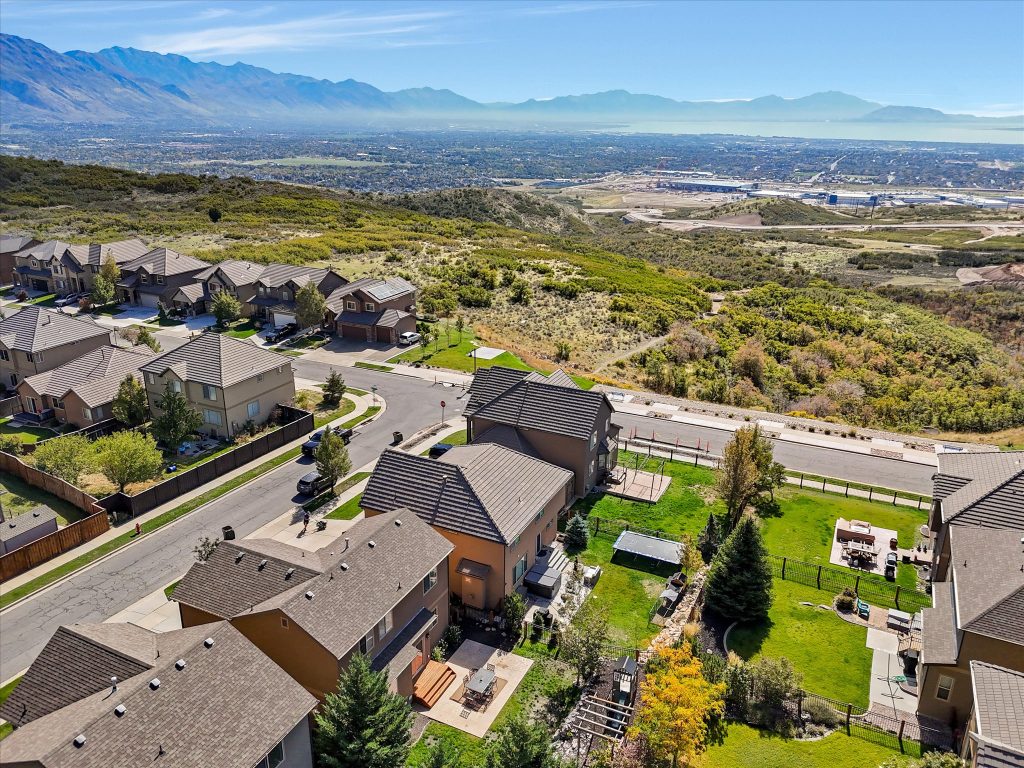
Outside, the fully fenced yard covers the essentials: a patio for the last warm dinners of the year, a vegetable garden for whoever is already planning next spring, a pergola for shade, and a rock retaining wall holding it all together.
Trails head out in every direction, the clubhouse and gym are a short drive away, and the basketball courts and city playgrounds keep the neighborhood moving long after the leaves drop. The hillside turns every year. This year, you get a fire in the fireplace and a front-row seat.
Ready for your personal tour?
Feel free to reach out to us with any questions you have or to set up a time for your personal tour of this beautiful home.
Scott Steadman
Robyn Foulger
SunCrest HOA September 2026 Meeting Recap: No Dues Increase Expected, Snow Removal, and Pool Upgrades
🏡 Unofficial Neighbor Recap · Meeting date: September 23, 2026
This recap reflects my own notes and understanding of the meeting. It’s shared as a courtesy and should not be relied upon for accuracy. Information is subject to change at any time and without notice, and this is not an official SunCrest HOA communication. For official minutes or updates, please contact the HOA directly at 801-572-1233.
No Dues Increase Expected for 2027
The preliminary 2027 budget balances with dues staying at current levels, which the board called the good news of the night given rising costs elsewhere. The final budget is expected to be approved at the October meeting, and homeowner feedback is still welcome. Items still being worked through:
- Holiday lights: Staying, though some of the more labor-intensive displays may be scaled back.
- Lifeguards: The contract is up for renewal and will be rebid.
- Landscaping and water: The association is considering a smart sprinkler controller that adjusts for rain and converting some mulch areas to rock.
- Events: The annual events budget may be trimmed based on resident feedback.
Snow Removal and Clubhouse Closure
The board approved a snow removal contractor for the season. The clubhouse closes starting September 24 for slate tile removal, as outlined in the August recap. Staff are working remotely and responding to email and voicemail, and the gym will reopen once it’s clean and safe.
Homeowner Open Forum
- RV parking: RV parking stays at six months this winter. The board plans to revisit year-round parking in an executive session before the end of the year, with community feedback as part of the process.
- Pool shade: Shade for the pool pavilion (the cabana room) is in the works, and the board will look at other spots on the deck.
- LUD snow removal: Changing an LUD’s snow removal arrangement requires every owner in that LUD to sign on. This season’s deadline has passed, so it can be revisited next year.
Project and Reserve Fund Plans
Items on the list for the coming year:
- Clubhouse roof: Replacement is being considered after several leaks.
- New parking lot: Roughly 35 stalls behind former The Ridge Restaurant to ease summer pool parking, including an enclosed salt storage area and a contained dumpster area.
- Bids in progress: Solar panels, a pool pavilion awning, and a sprinkler system upgrade.
- Pool loungers: The existing frames will be reupholstered with a more durable material, with color still to be decided.
Other Business
The board approved the August 26, 2026 meeting minutes and August financials.
Frequently Asked Questions
Are SunCrest HOA dues going up in 2027?
The preliminary 2027 budget indicates dues can stay at current levels. The final budget is expected to be approved at the October 2026 meeting.
When is the SunCrest clubhouse closed for remodeling?
The clubhouse closes starting September 24, 2026, for slate tile removal, with an October 10 target that could come sooner.
Can I park my RV at SunCrest year-round?
Not this winter. RV parking remains limited to six months, and the board plans to revisit year-round parking before the end of the year.
Is SunCrest getting more parking near the pool?
A new lot of roughly 35 stalls is being considered for the parcel behind former The Ridge Restaurant,
This recap is shared as a courtesy and isn’t an official HOA communication. It should not be relied upon for accuracy, and information is subject to change at any time and without notice. For official updates, minutes, or questions, please contact the HOA directly at 801-572-1233.
SunCrest HOA August 2026 Meeting Recap: Clubhouse Remodel, Water Sub-Metering, and Budget Planning
🏡 UNOFFICIAL NEIGHBOR RECAP . Meeting date: August 26, 2026
Homeowner Open Forum
Residents raised several items during open forum:
- Water leak on Traverse Ridge: Reported past the four-way stop; this falls under Draper City’s responsibility, and the board will follow up with a photo the homeowner is providing.
- Tamarisk removal on Deer Ridge: A homeowner flagged tamarisk plants near a trailhead as a spread risk into drainages. The board will determine which plants are on HOA property versus Draper City property.
- Water tower repair: A homeowner asked about damaged boards on the water tower that houses antennas. Draper City is aware and working on repairs.
- Poolside clock request: The board is looking into installing a clock visible from the pool, with a goal of having it done before next season.
Clubhouse Remodel Schedule
The clubhouse remodel is scheduled for September 24 through October 10, 2026 (subject to change). The work includes tearing out slate flooring, which will generate dust and require the clubhouse to close to the public for safety. The gym will reopen as soon as it’s accessible, and staff may work from home at times during the closure while continuing to respond to emails.
Water Sub-Metering for Eight Homes
Eight homes currently share a single water meter and are billed equally regardless of individual usage. The board approved installing sub-meters for each home. A supplemental agreement will be created for the affected homeowners that runs with the home’s title and specifies that homeowners are responsible for replacing their own meter if it fails.
Monument Lighting Repair and Code of Conduct
The entrance monument lights are currently out due to a wiring issue, raising safety concerns at night and in fog. The board approved repairs, with completion targeted before winter.
The board also adopted a new code of conduct in response to increasing incidents of staff intimidation at the pool and office. It applies to all SunCrest buildings and community social events and will be posted for residents. The board also plans to address expectations directly with lifeguard staff.
2027 Budget Planning
The board has begun preparing the 2027 budget, which is expected to be approved in October. Homeowner input is welcome on topics such as community events and expenses. Two items likely to shape the discussion:
- Christmas lights: This year’s holiday lighting was costly and had frequent malfunctions, making cost and reliability a key part of the 2027 budget conversation.
- RV storage: A homeowner asked about year-round RV storage. The board plans to discuss this further at the next meeting.
The board also clarified that the HOA has no affiliation with The Ridge Restaurant, which is independently owned and currently for sale.
Other Business
The board approved the July 26, 2026 meeting minutes and July financials. It also approved a quote to add a weed barrier and rock to an unmaintained park strip on the White Pettle LUD. Following the recent board election, positions were reorganized: President – Mel, Vice President – Brad, Treasurer – Nathan, Secretary – John, and Director – Chris.
Frequently Asked Questions
When is the SunCrest clubhouse remodel happening?
The remodel is scheduled for September 24 through October 10, 2026, though the board noted this timeline is subject to change. The clubhouse will close to the public during dusty work such as slate removal.
What’s changing with water billing for shared-meter homes?
The eight homes on a single shared water meter will get individual sub-meters, with a supplemental agreement running with each affected home’s title.
Is there a new code of conduct at SunCrest?
Yes. The board adopted a code of conduct covering all SunCrest buildings and community social events, prompted by increasing incidents of staff intimidation at the pool and office.
Is the HOA affiliated with The Ridge Restaurant?
No. The Ridge Restaurant is independently owned, not affiliated with the HOA, and is currently for sale.
SunCrest Lifestyle Presents
2138 E Eagle Crest Dr
Welcome Home
Welcome to 2138 E Eagle Crest Dr
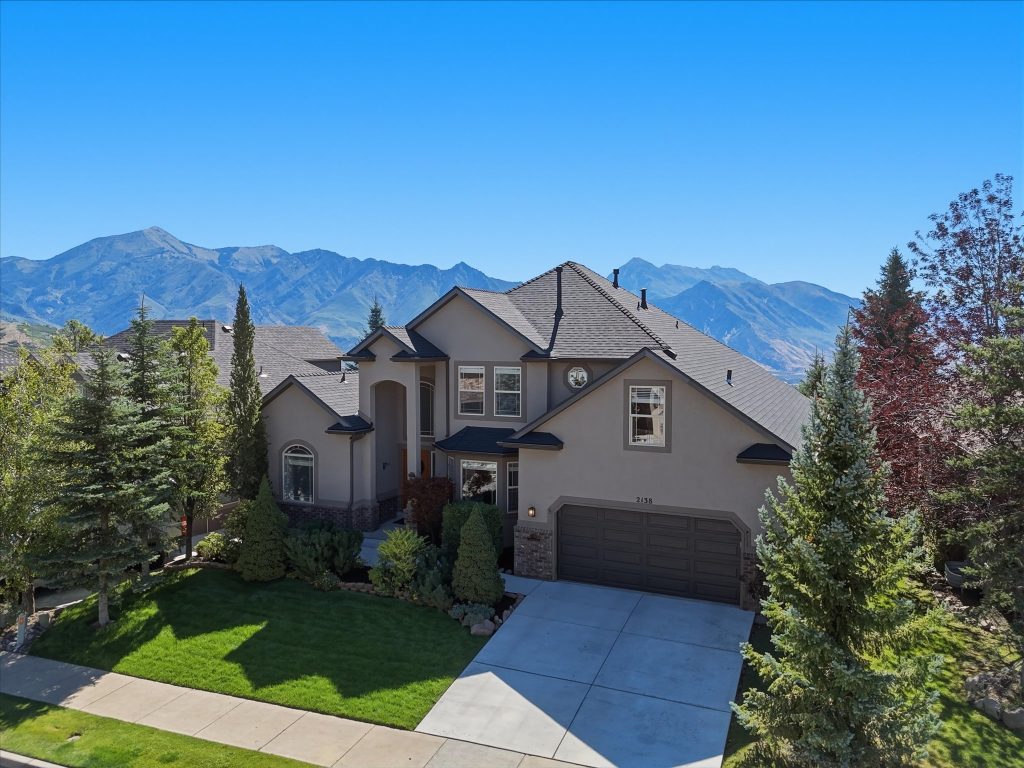
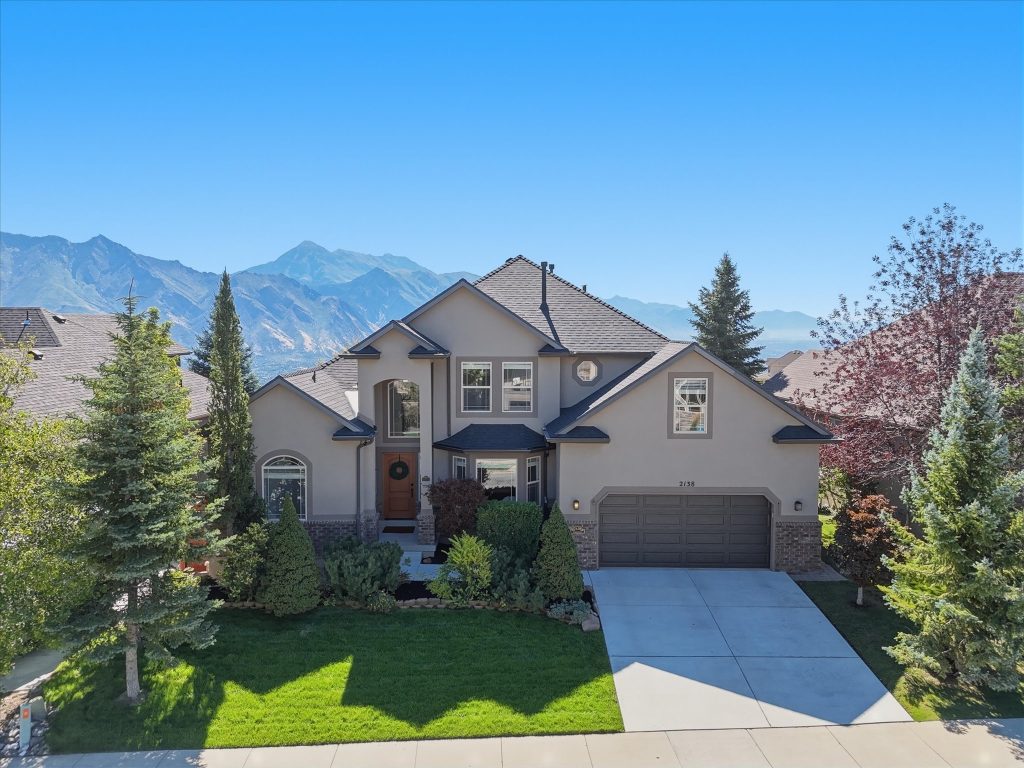
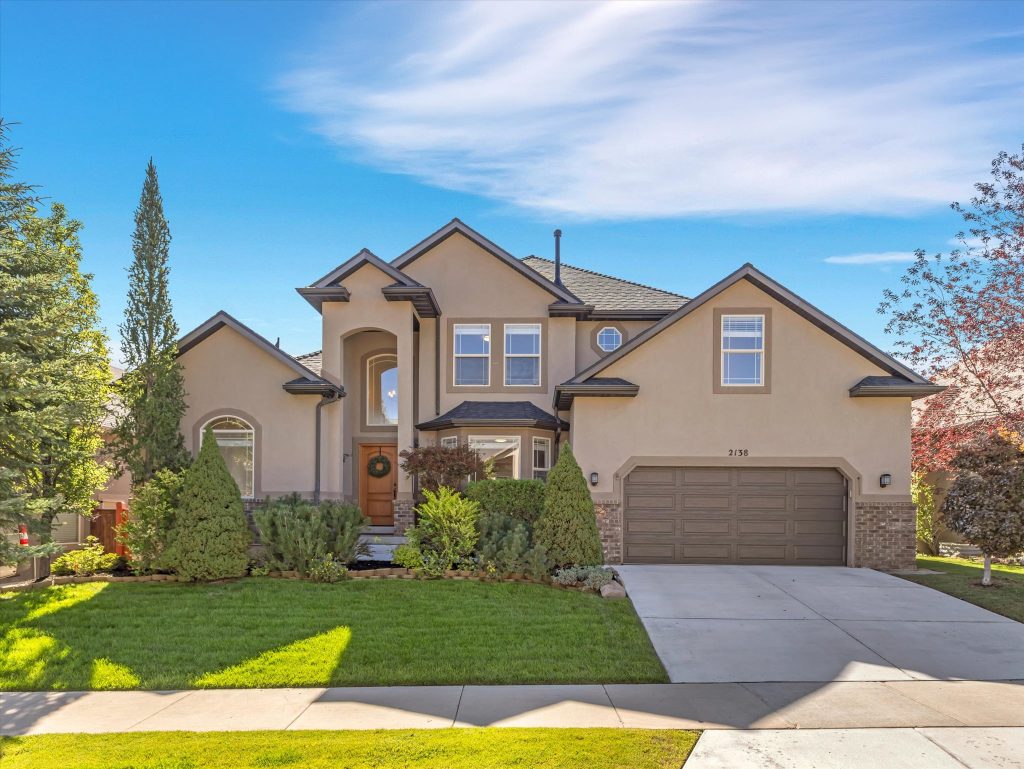
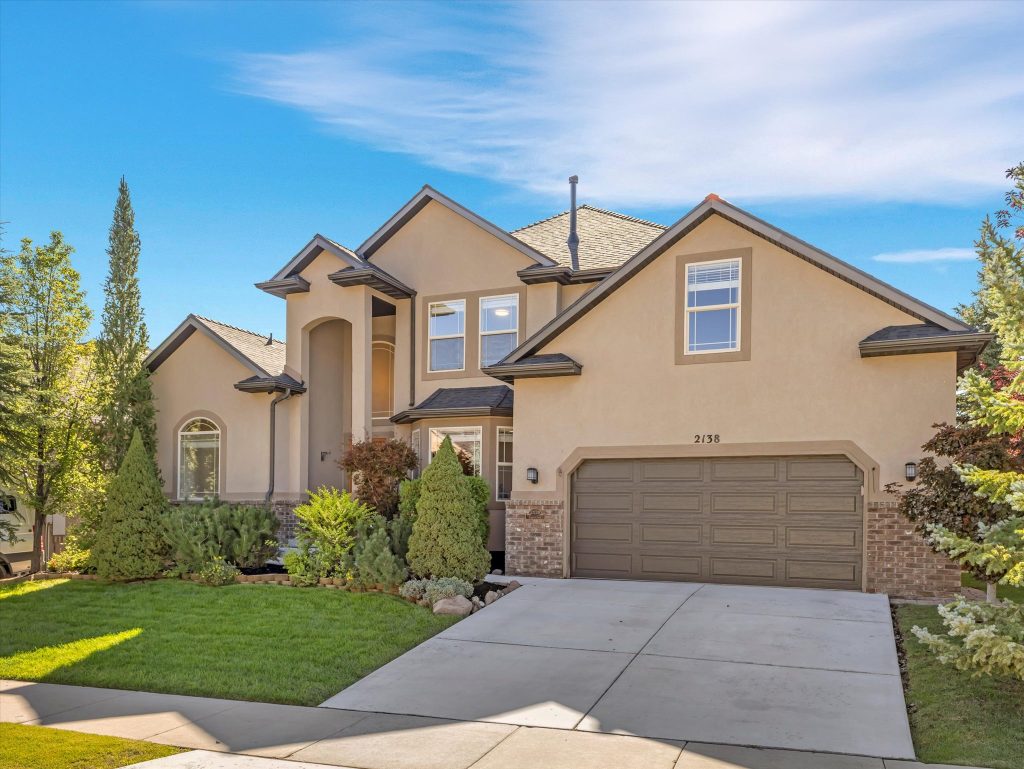
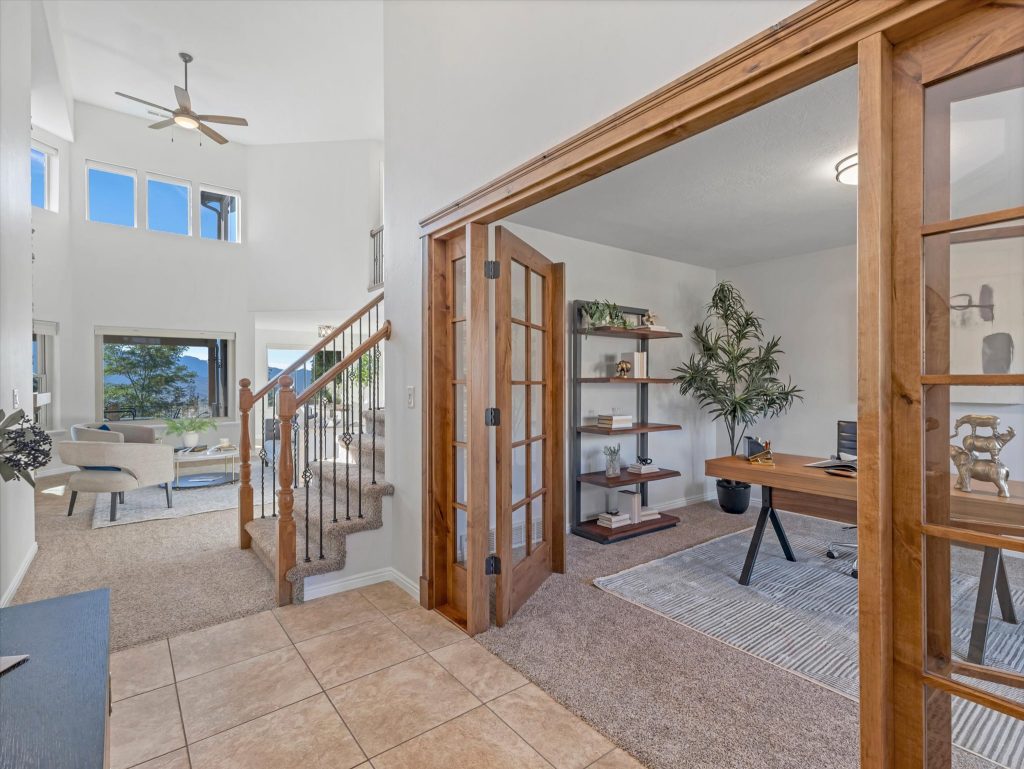
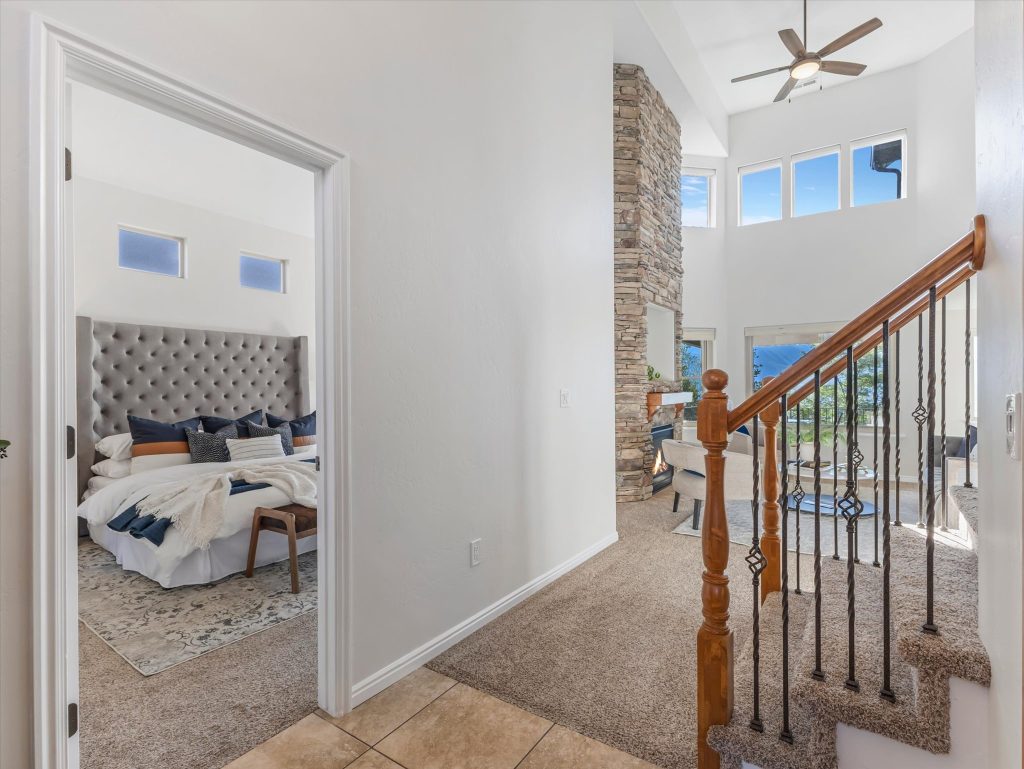
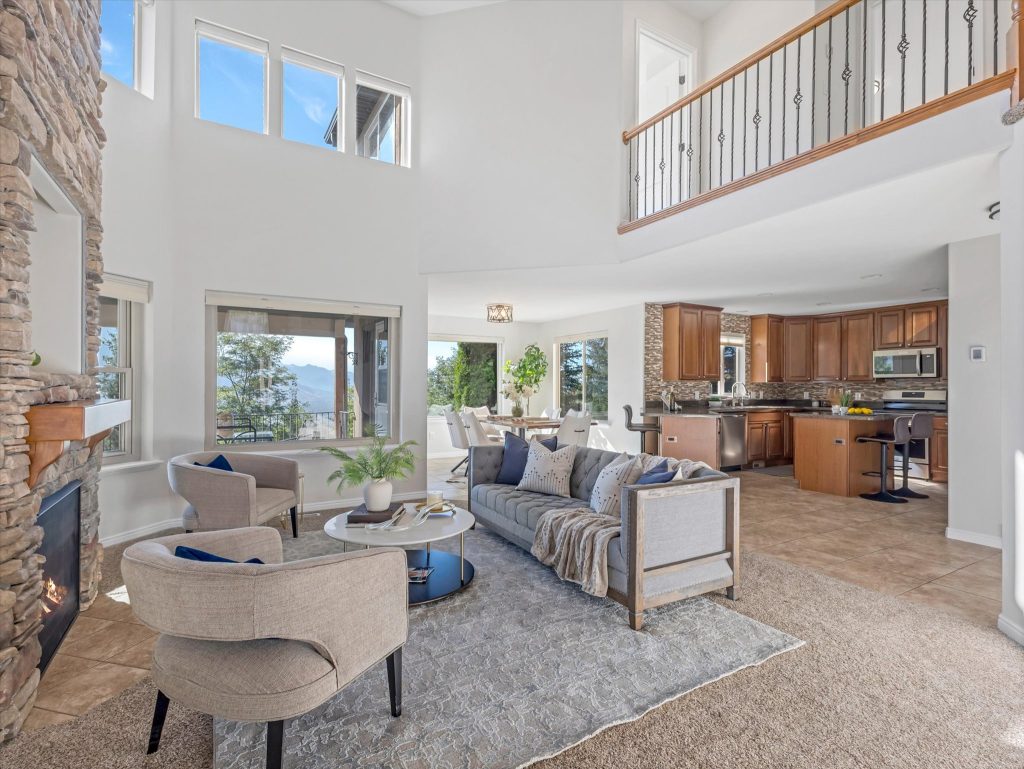
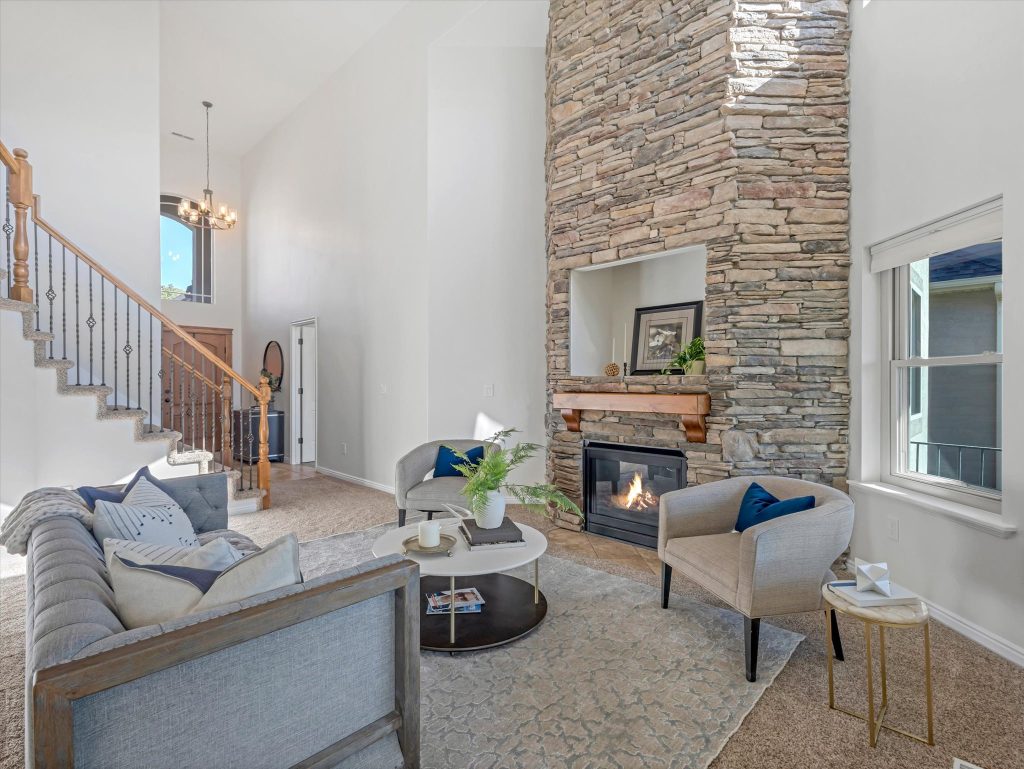
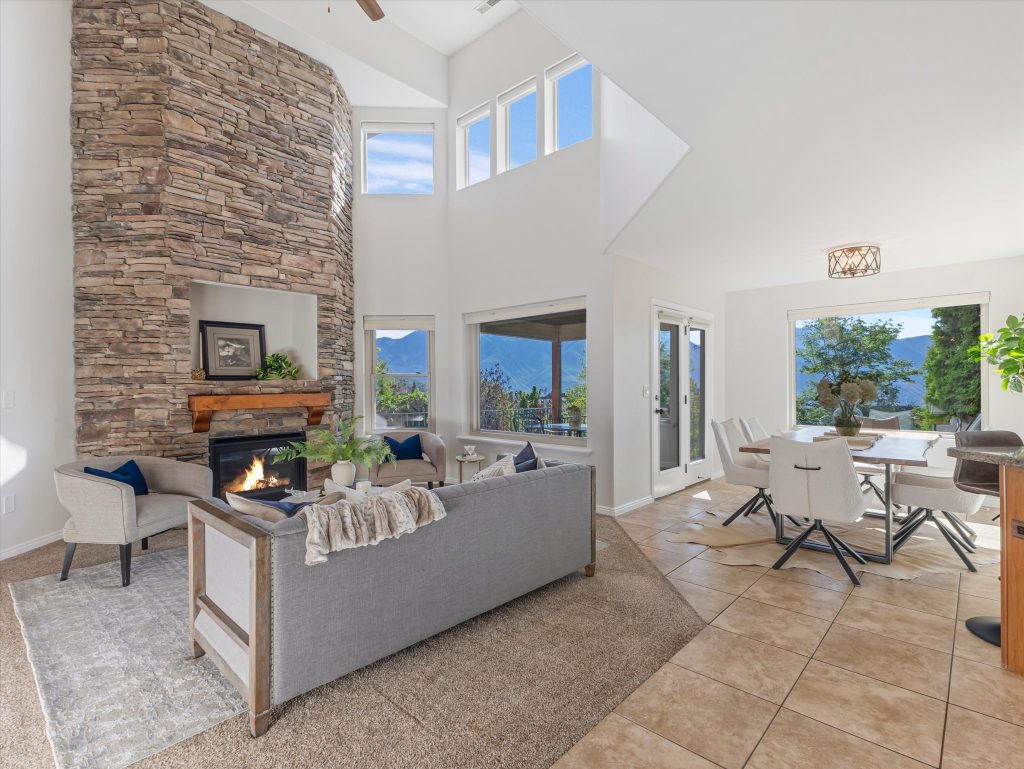
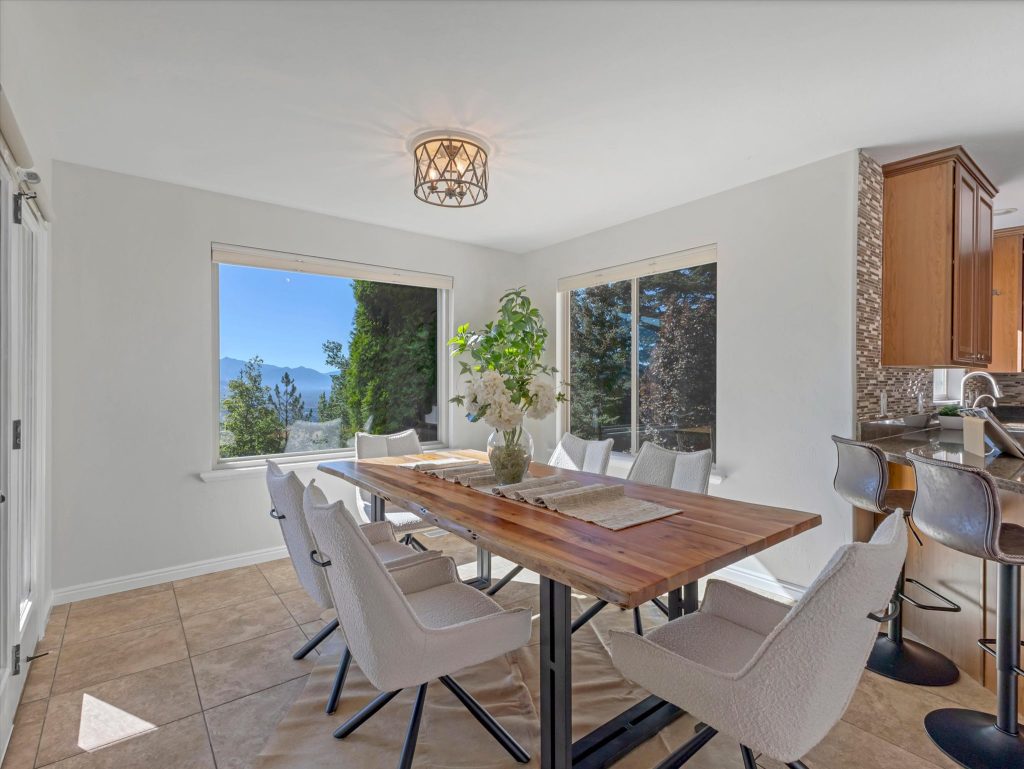
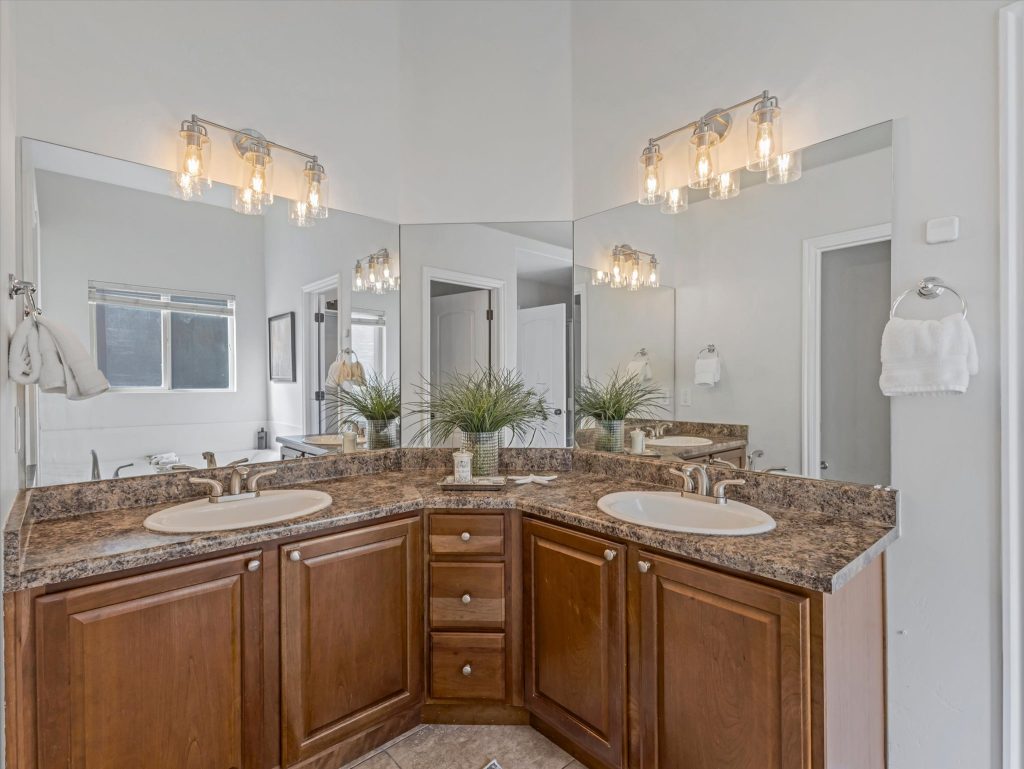
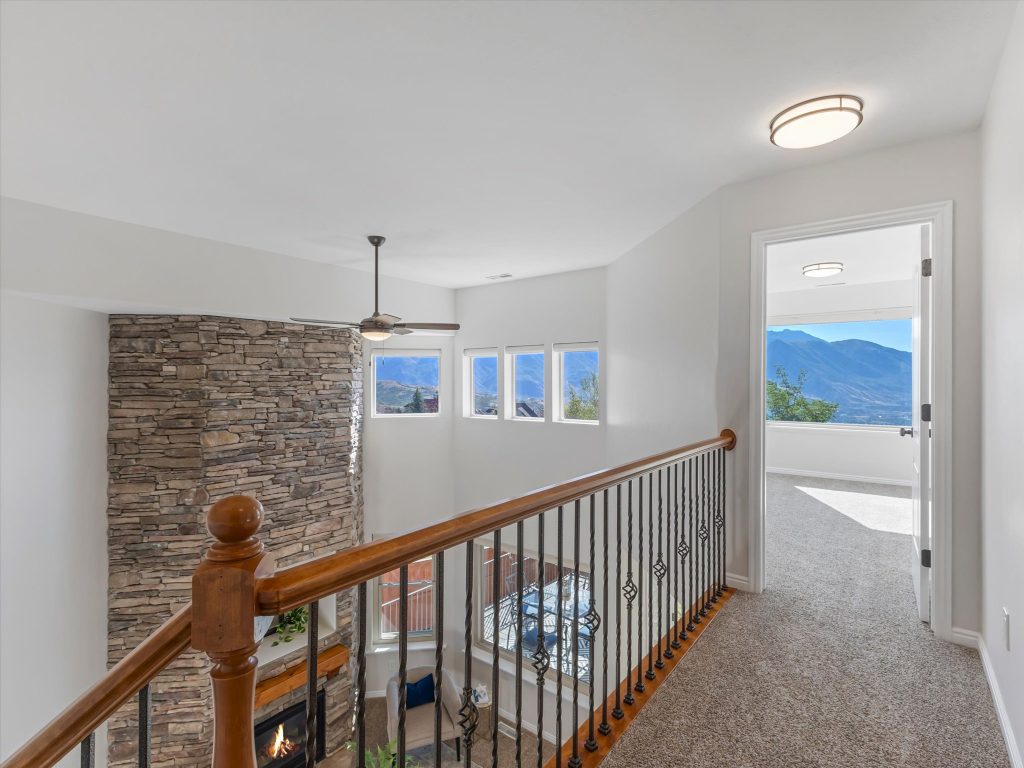
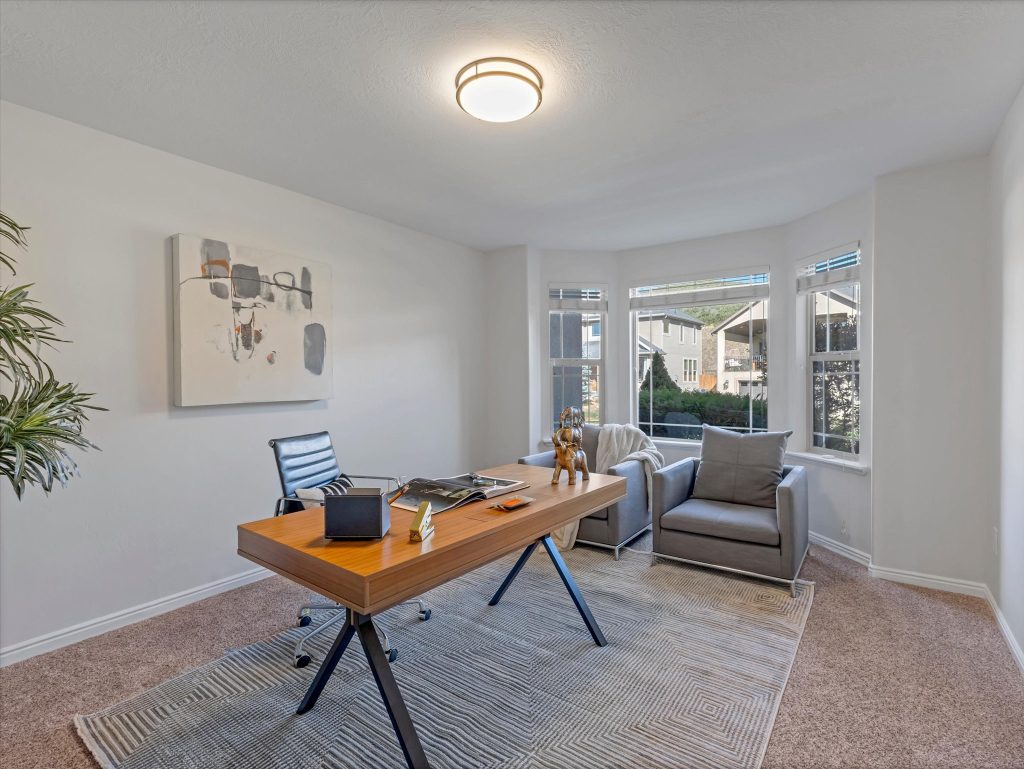
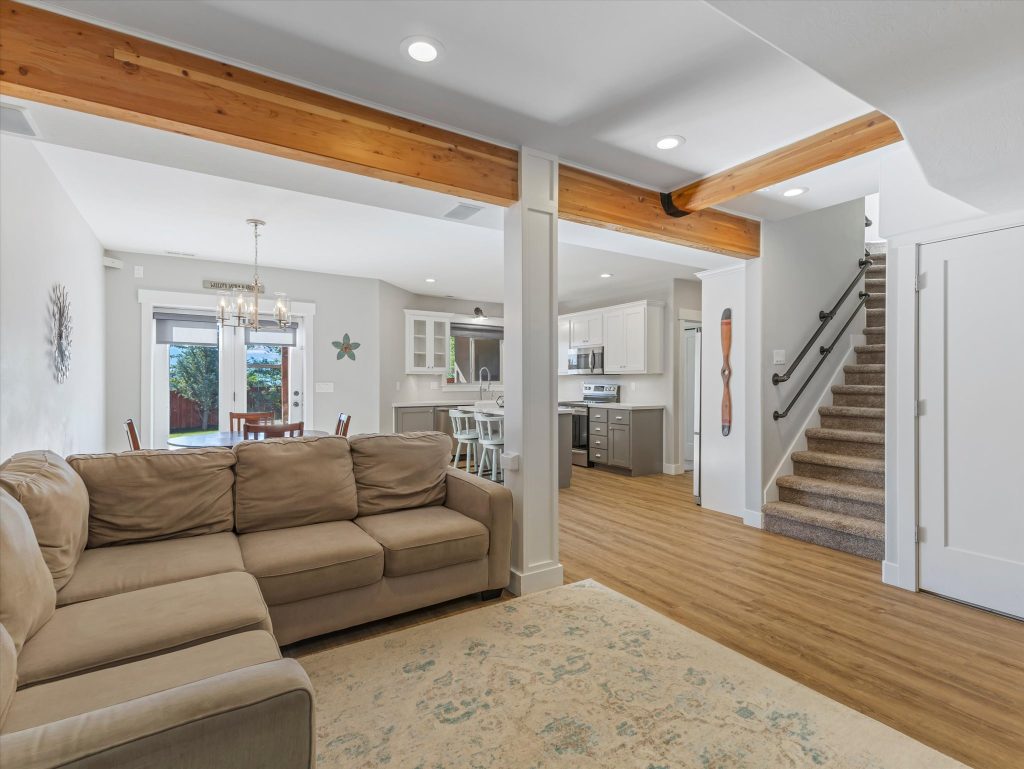
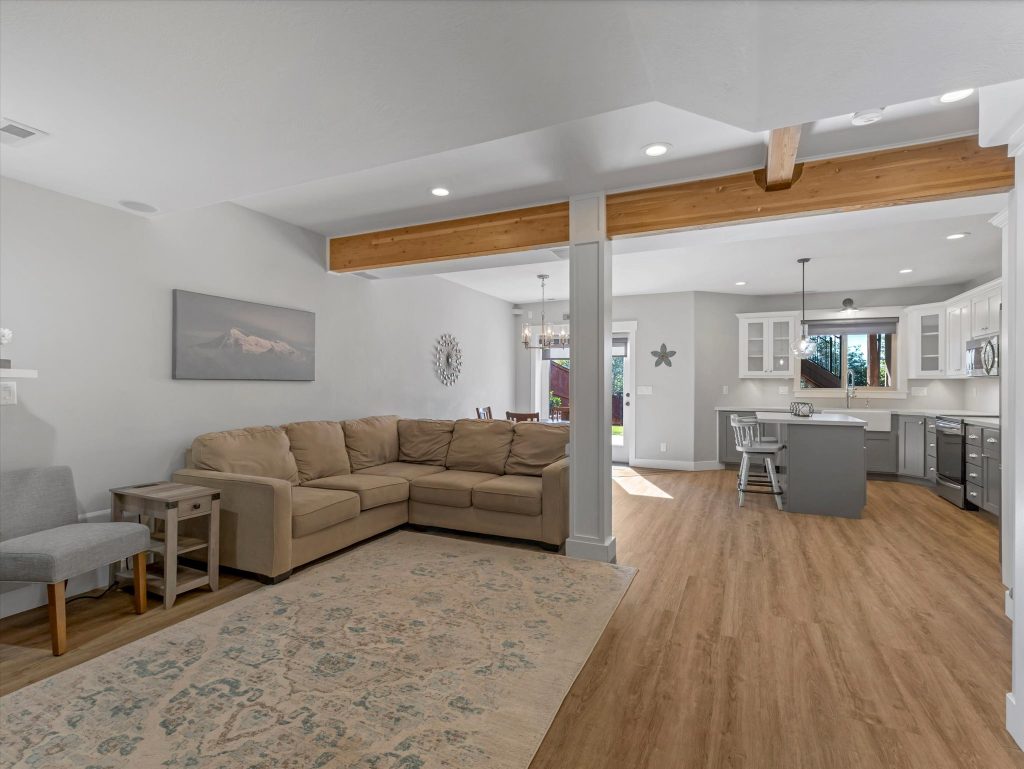
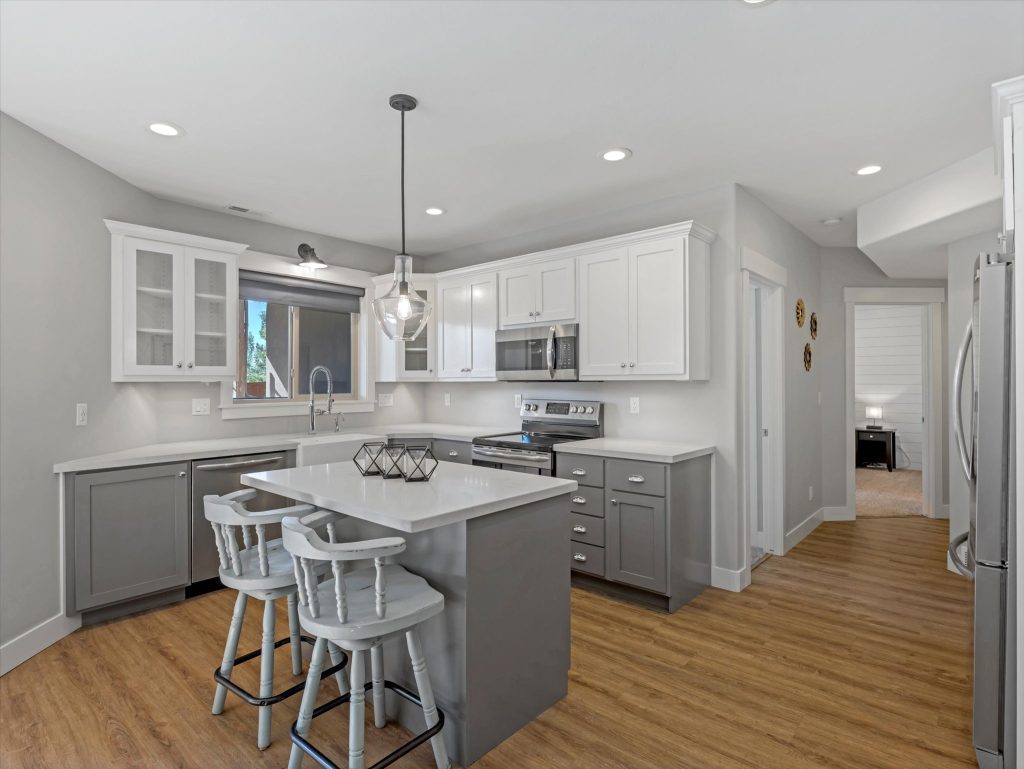
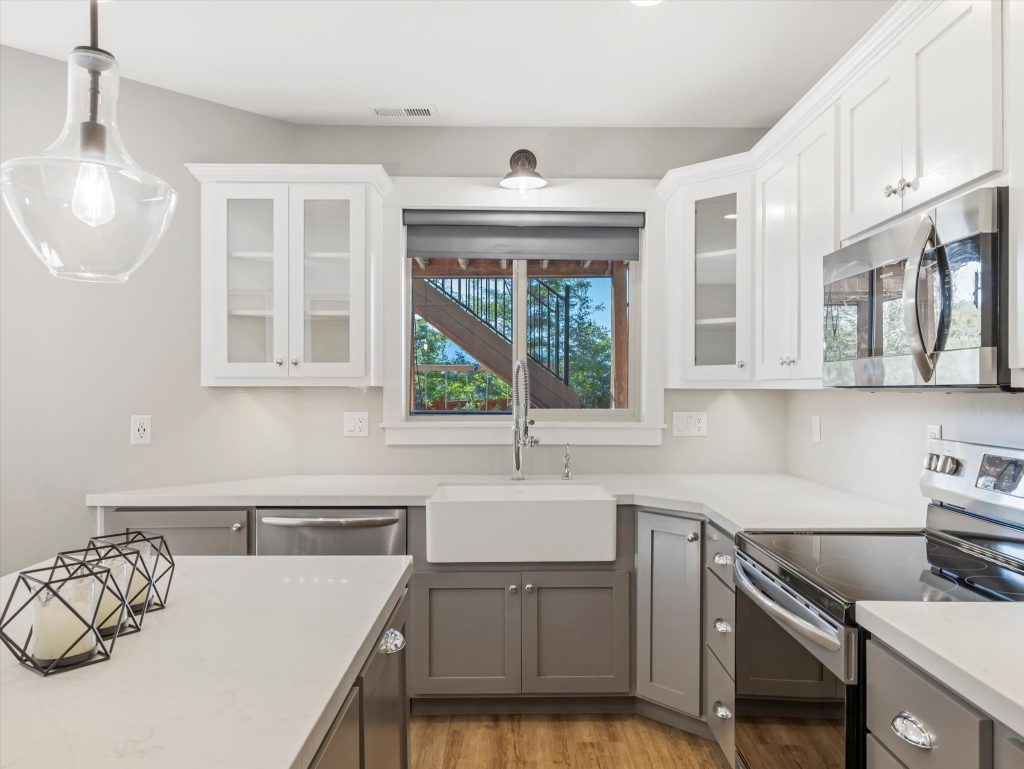
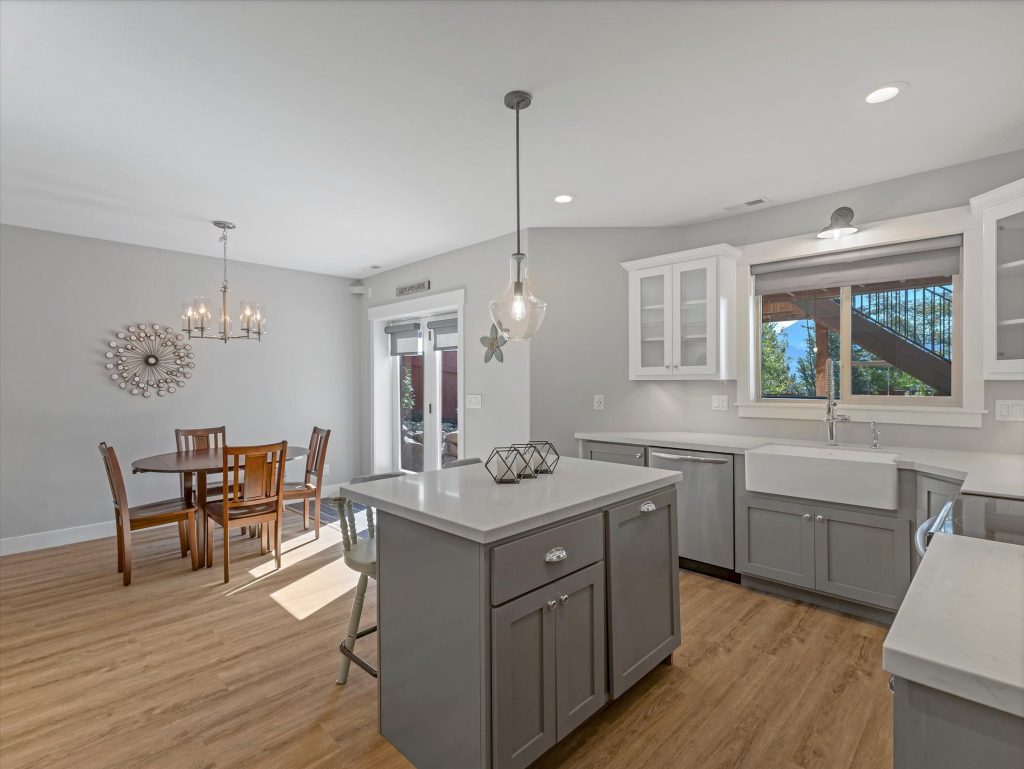
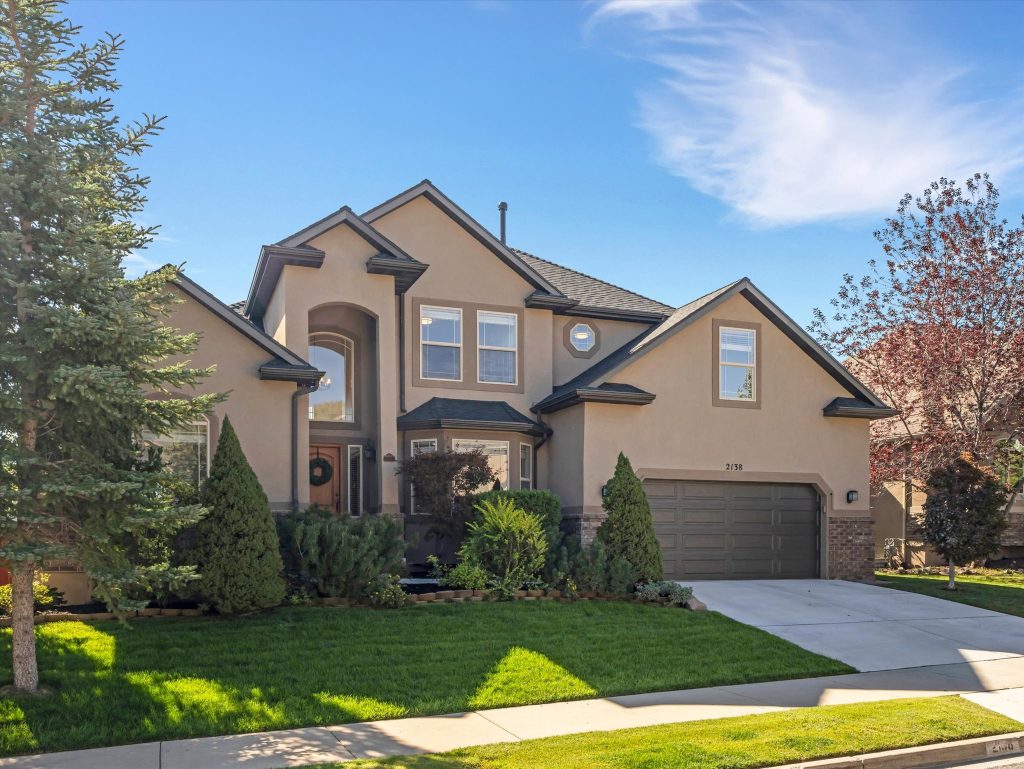
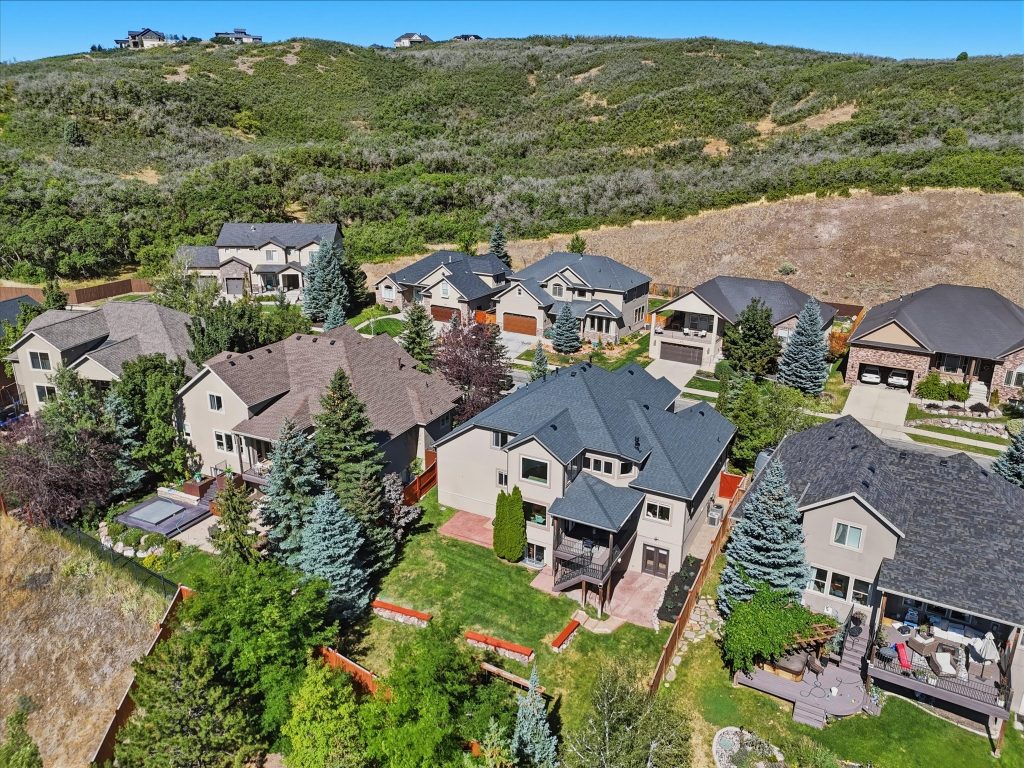
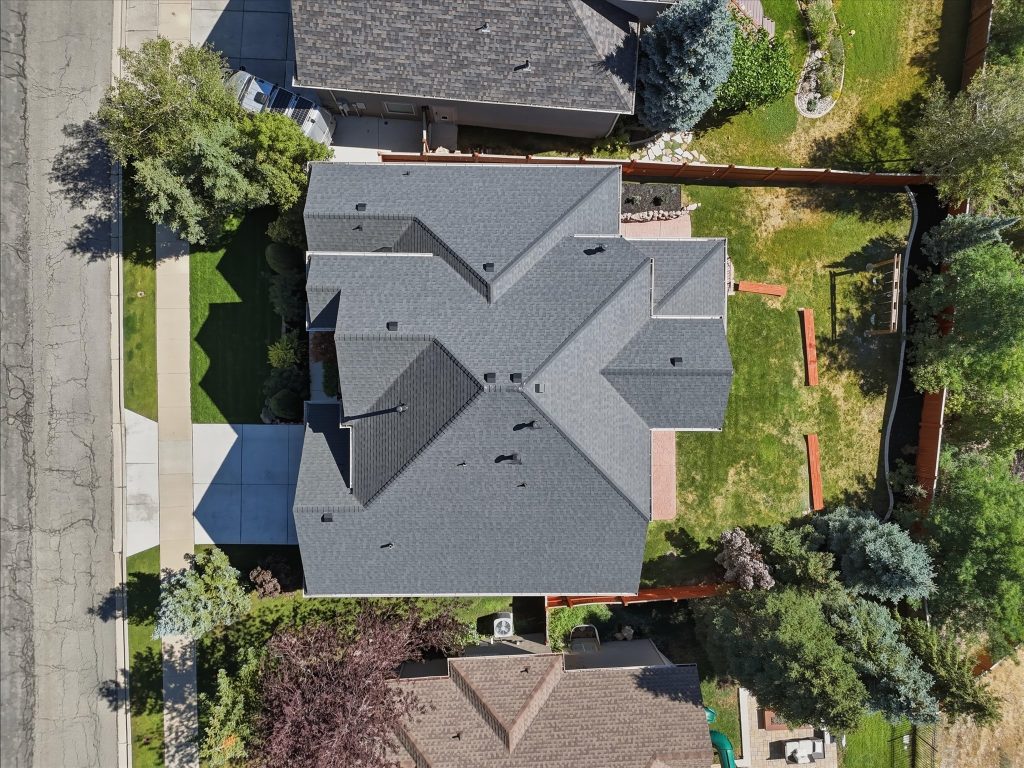
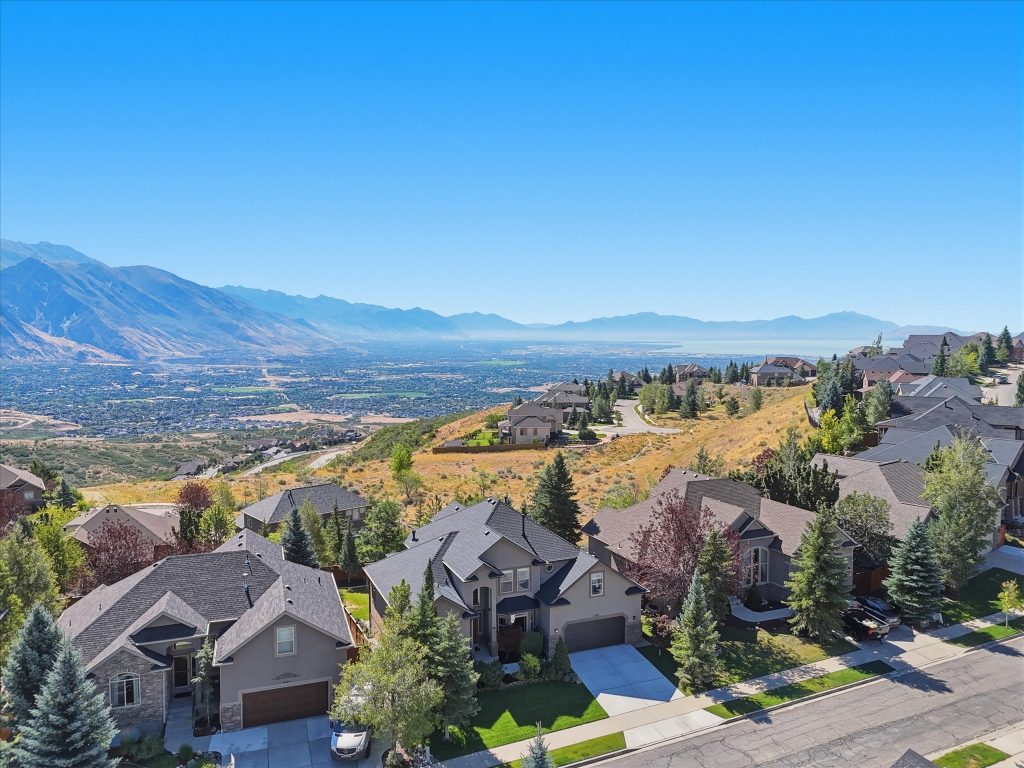
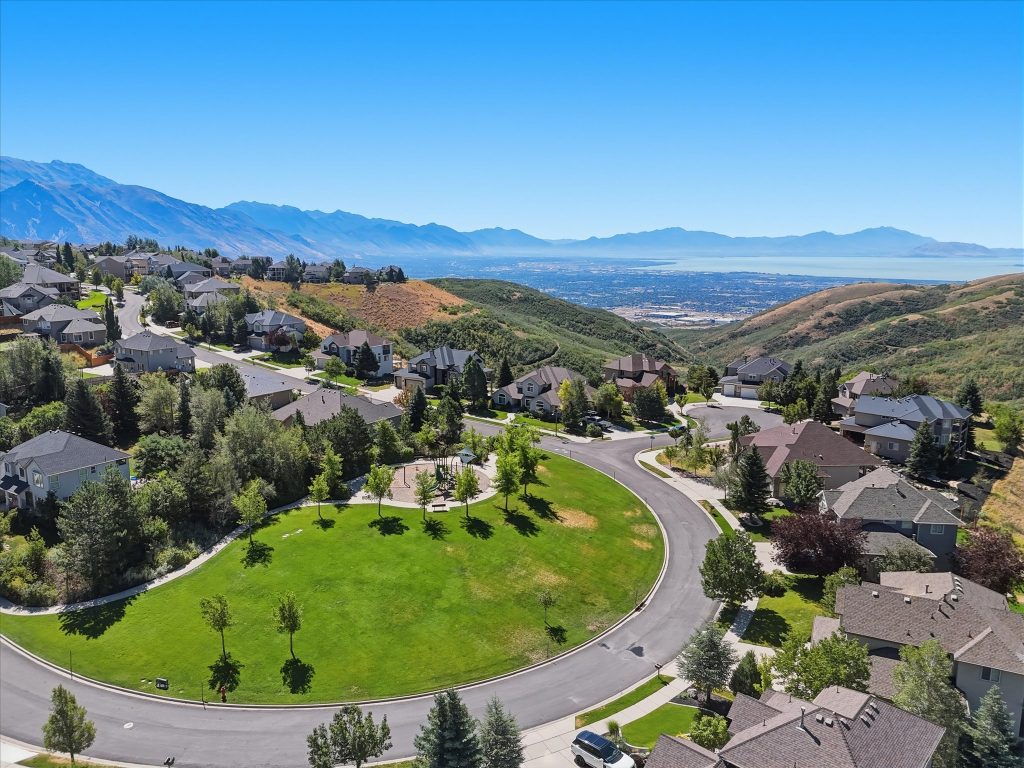
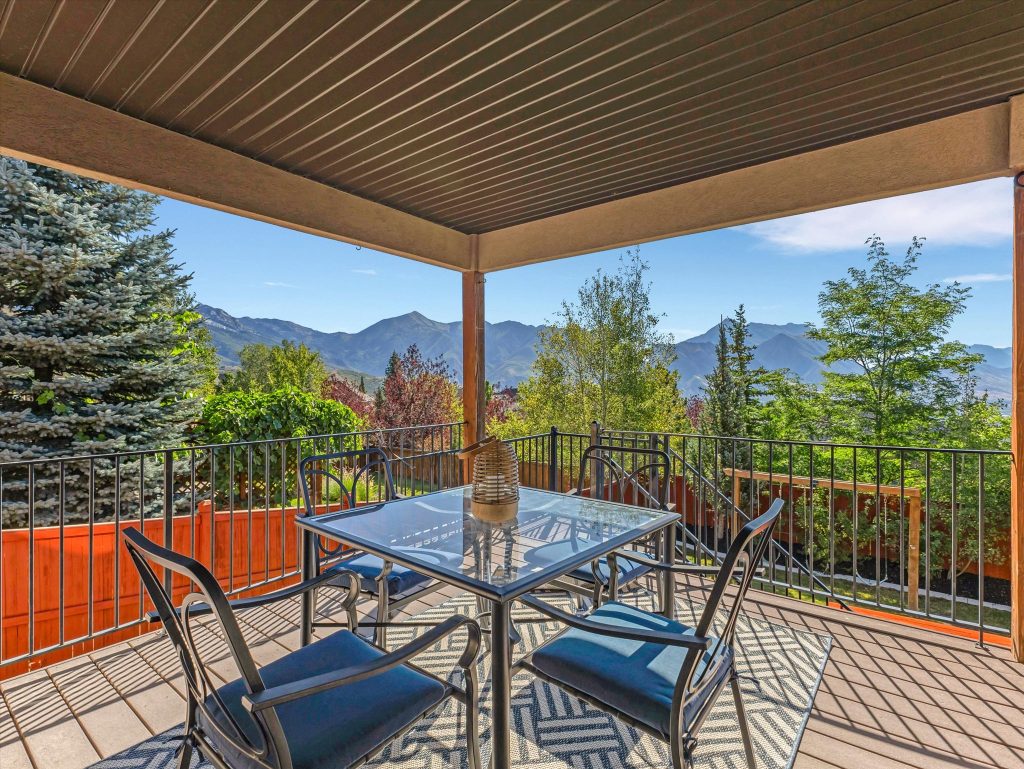
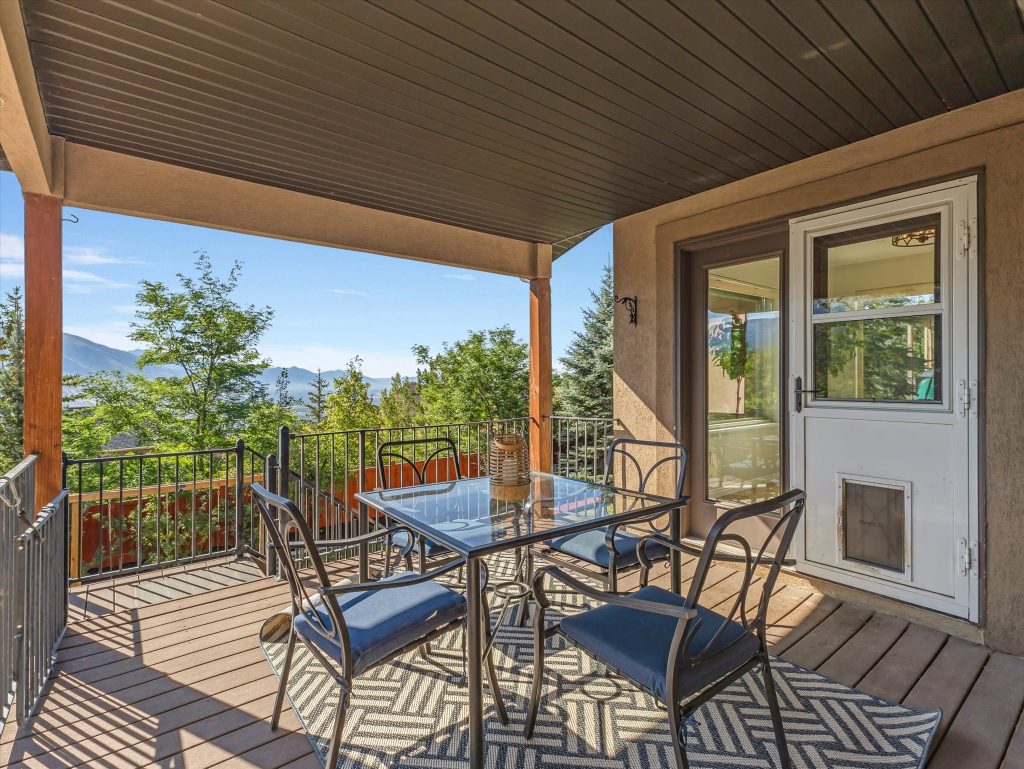
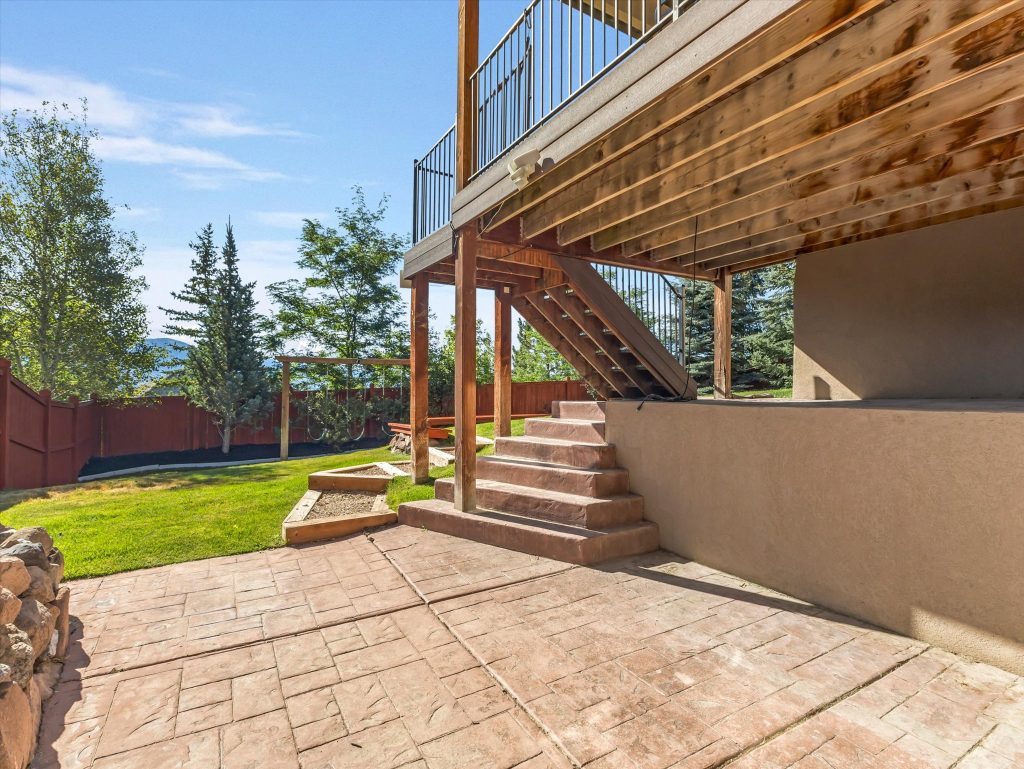
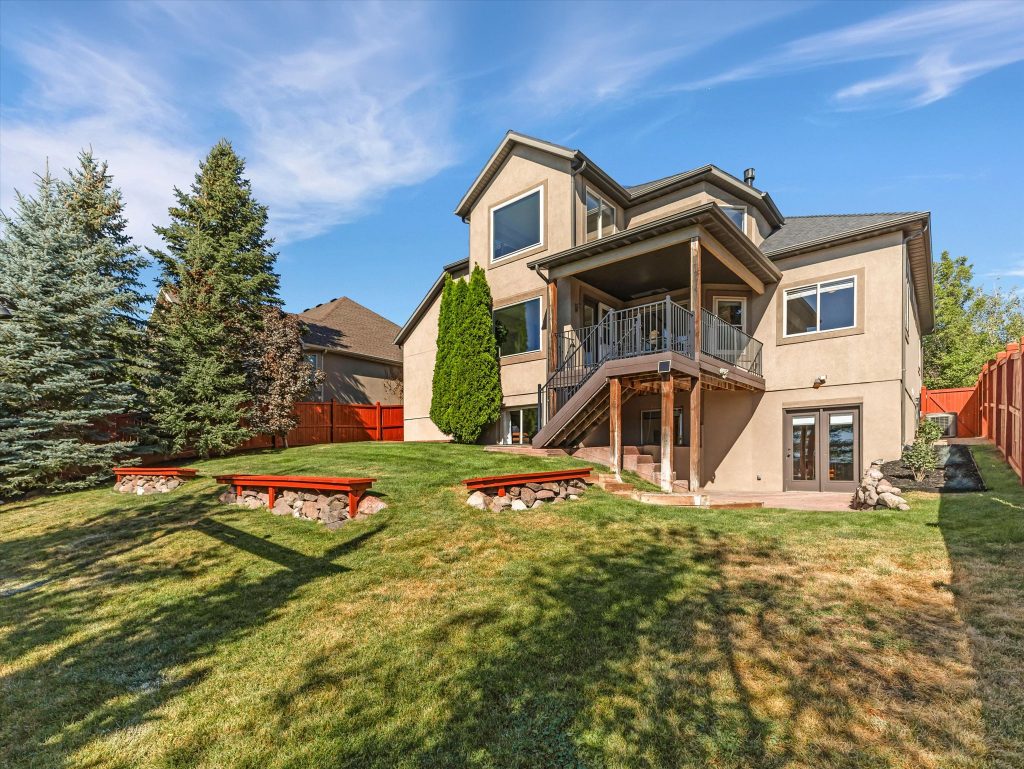
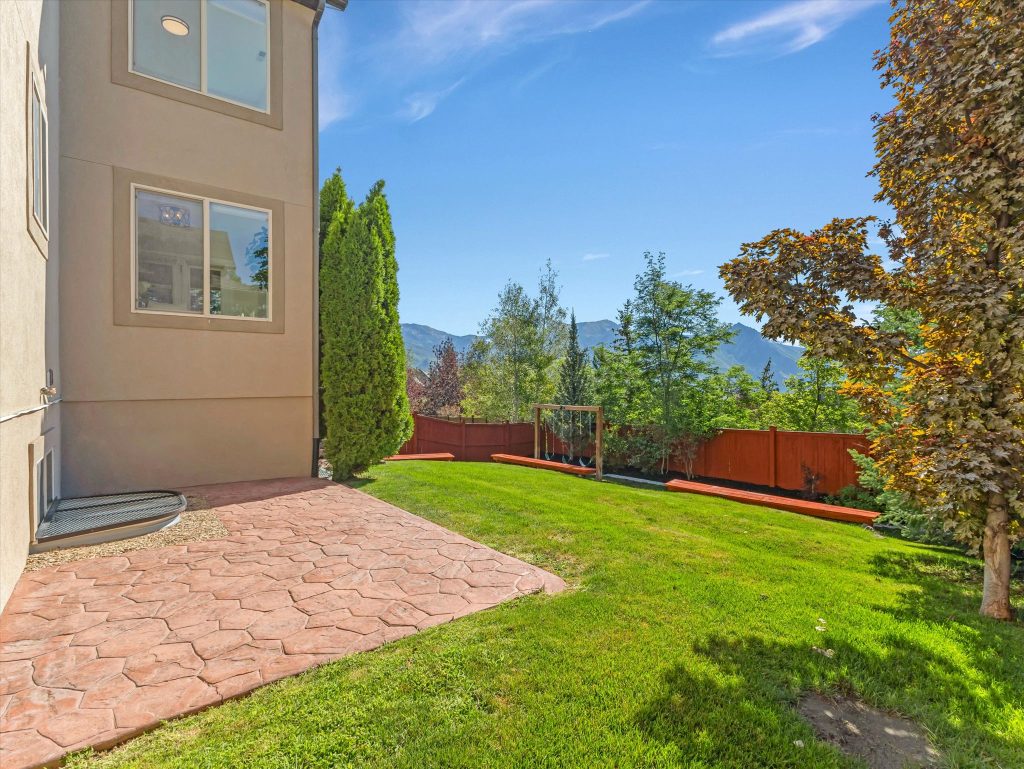
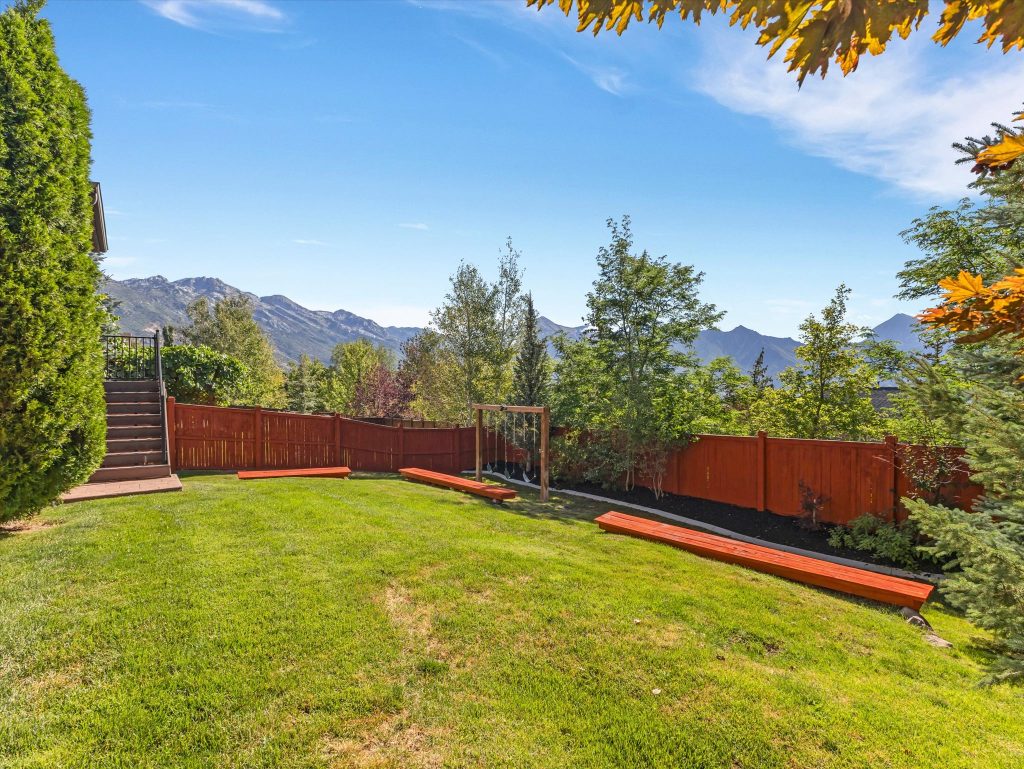
Eagle Crest earns its name honestly. The trailhead sits close enough to walk to before the sun's made it all the way across the kitchen floor, and the views stretch toward Utah Lake and Mount Timpanogos. Here, the air is cleaner, the sunrises don't need a filter, and you'll always have a front-row seat for the full moon. Inside, the kitchen and family room sit on the back of the house, with the dining space alongside, all angled toward those same views. A covered deck steps out from here, with stairs down to a fully fenced backyard, the same yard where one half of this household has spent years logging the season's snow totals for anyone counting inches.
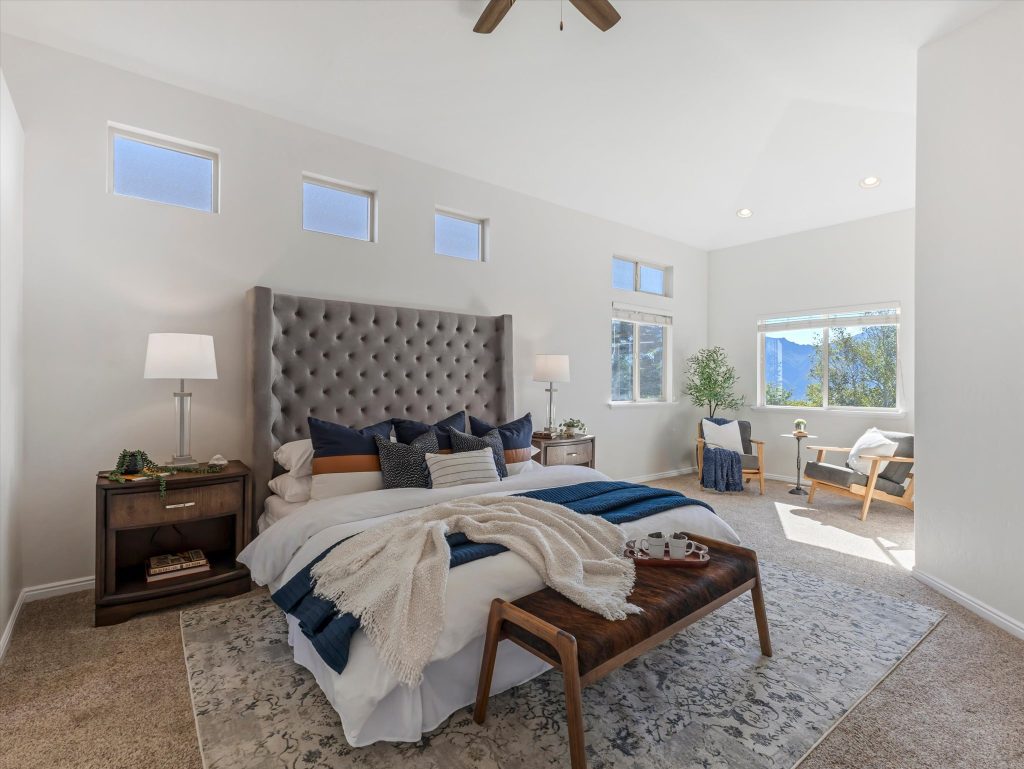
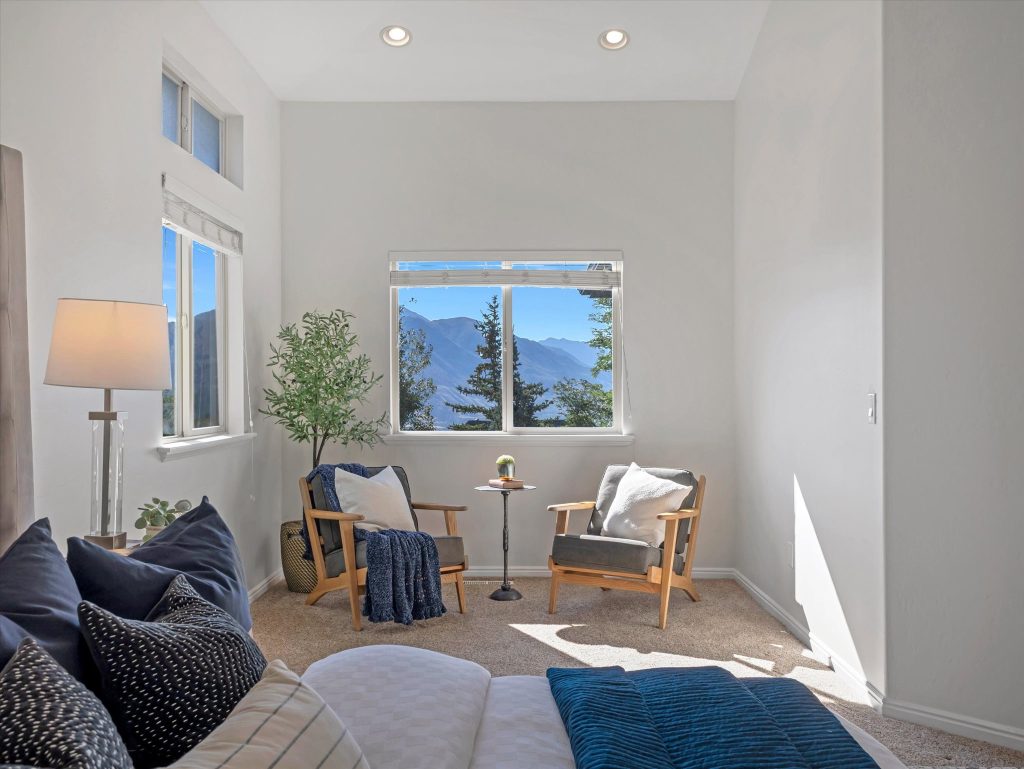
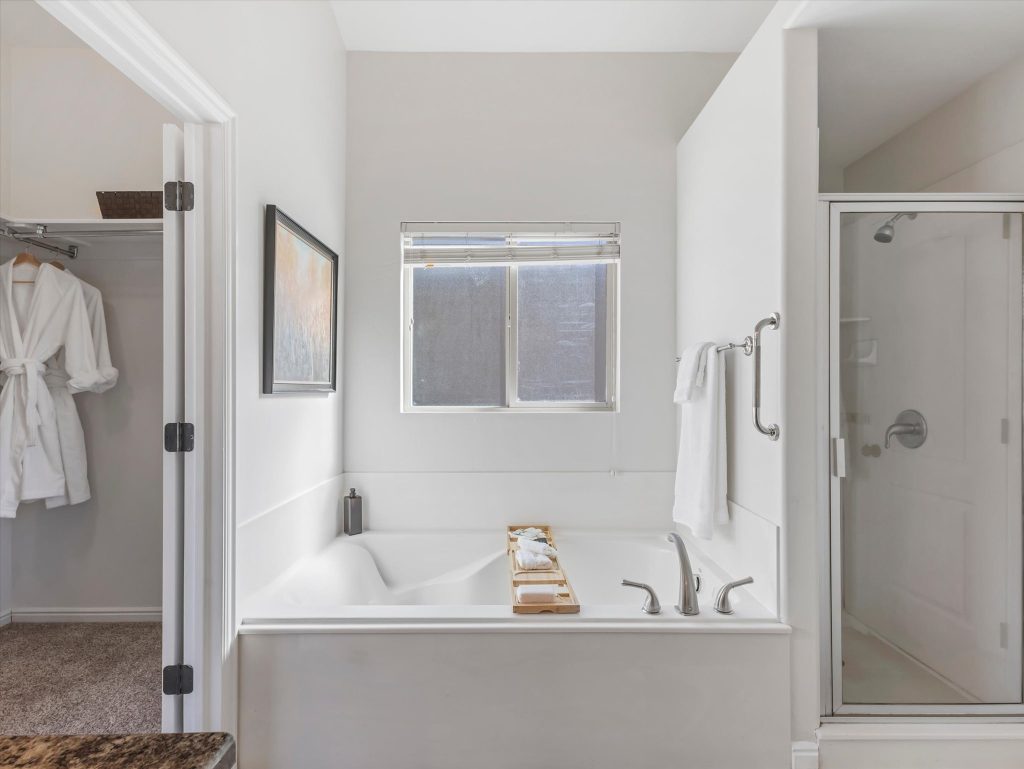
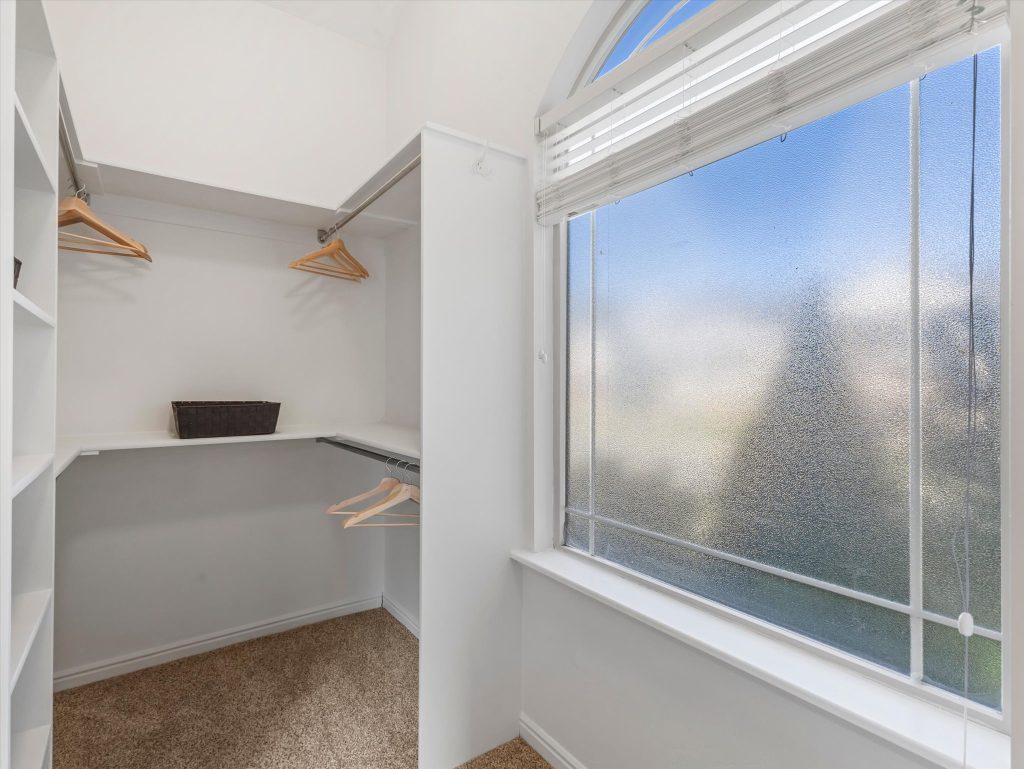
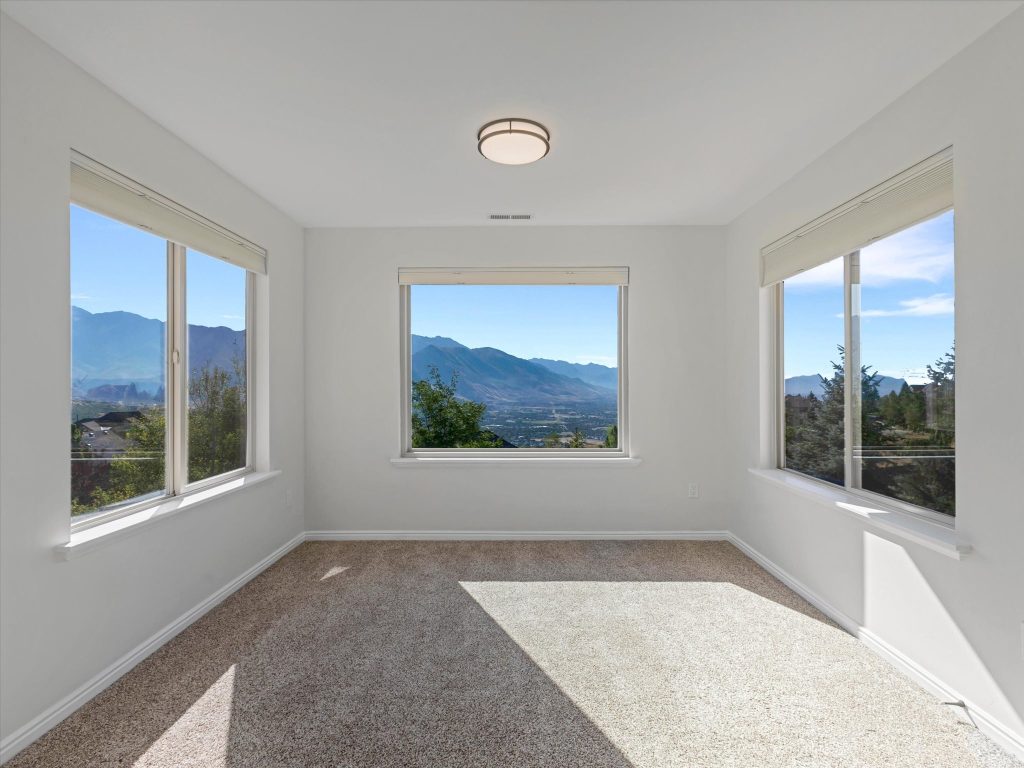
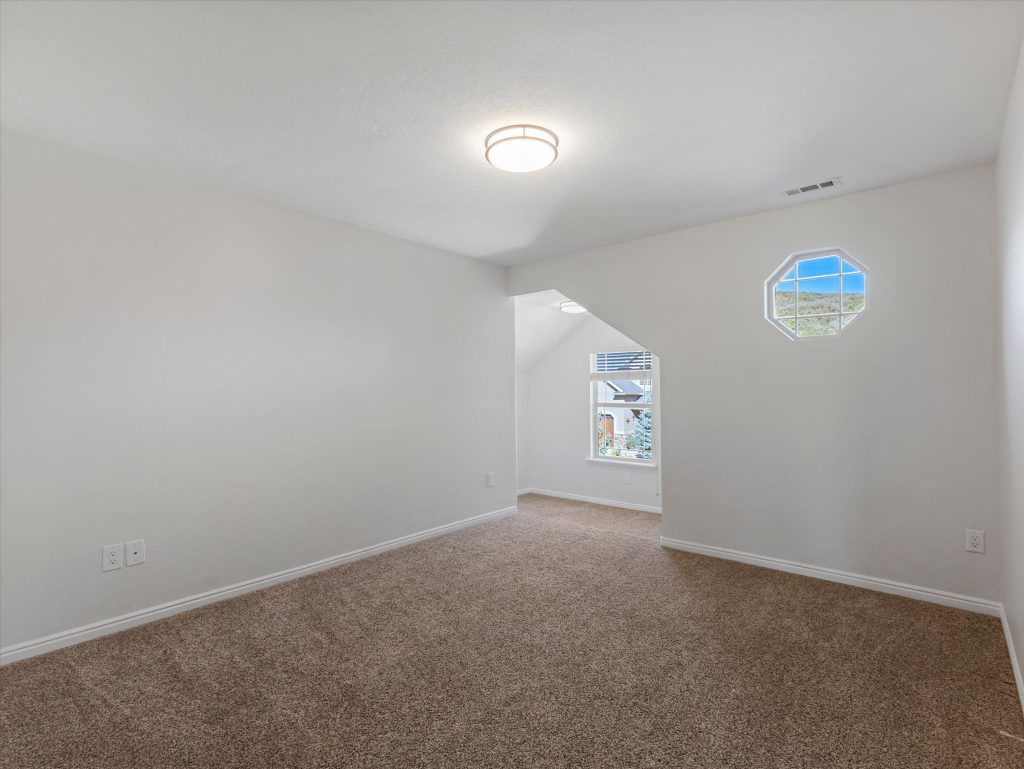
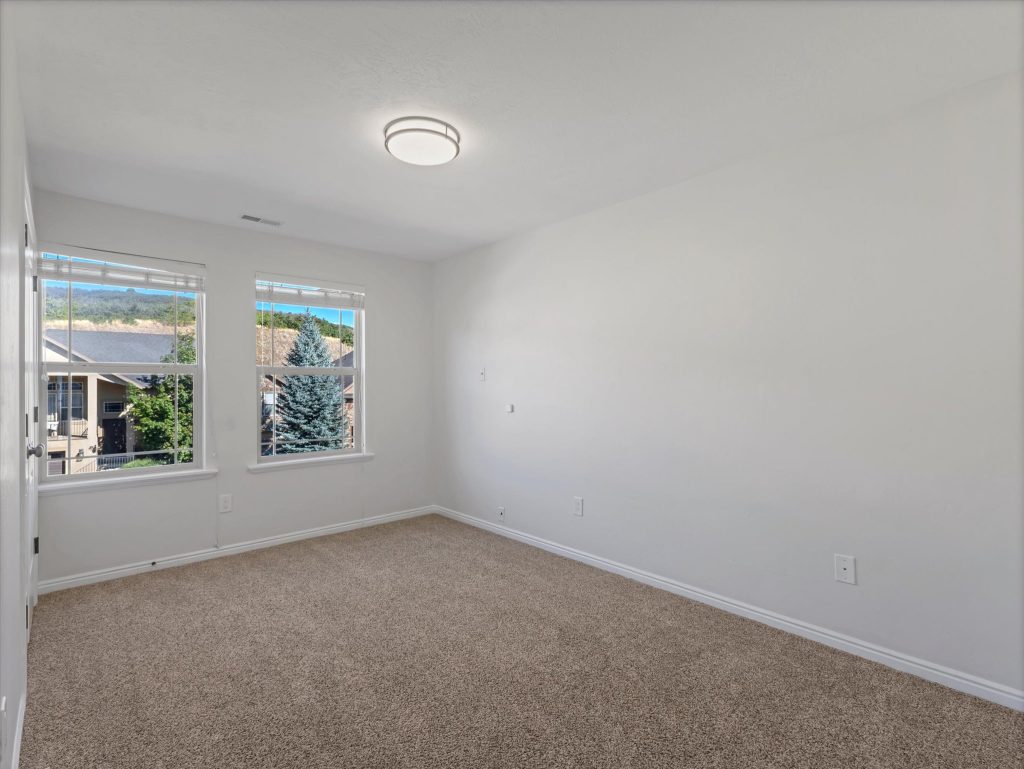
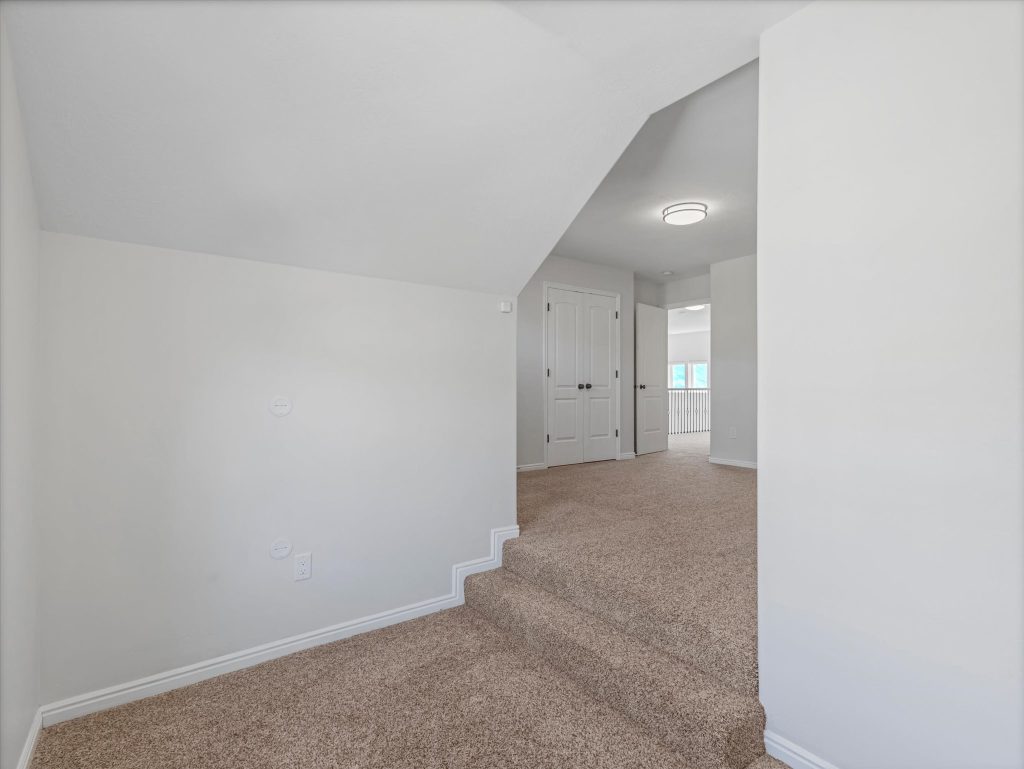
Main-floor living continues with the primary suite, tucked into the back of the house with its own share of the view, a formal living room for something a little more polished, and a private office for whenever work follows you home. Upstairs, the layout flexes easily: a full bathroom, bedrooms, offices, a hobby room, whatever your household needs this year, where the same view climbs right along with you and finds a way to look even better doing it. One room up here has earned its own nickname, the Mountain Room, for a Timpanogos view good enough to land on a calendar and make its rounds through social media more than once.
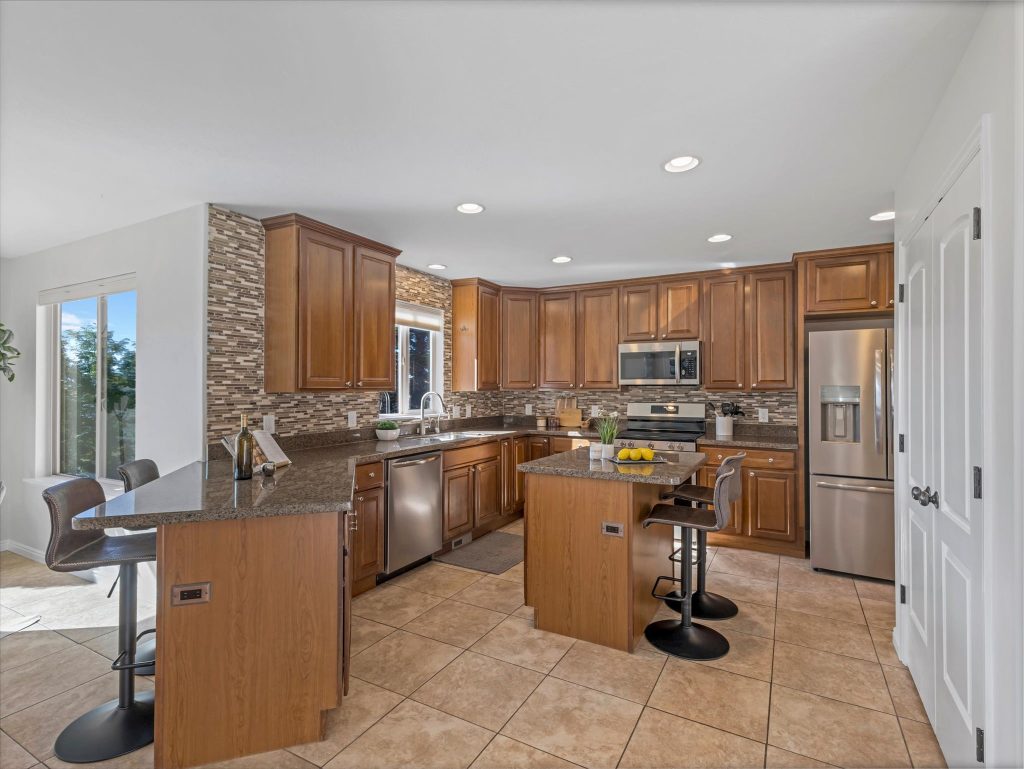
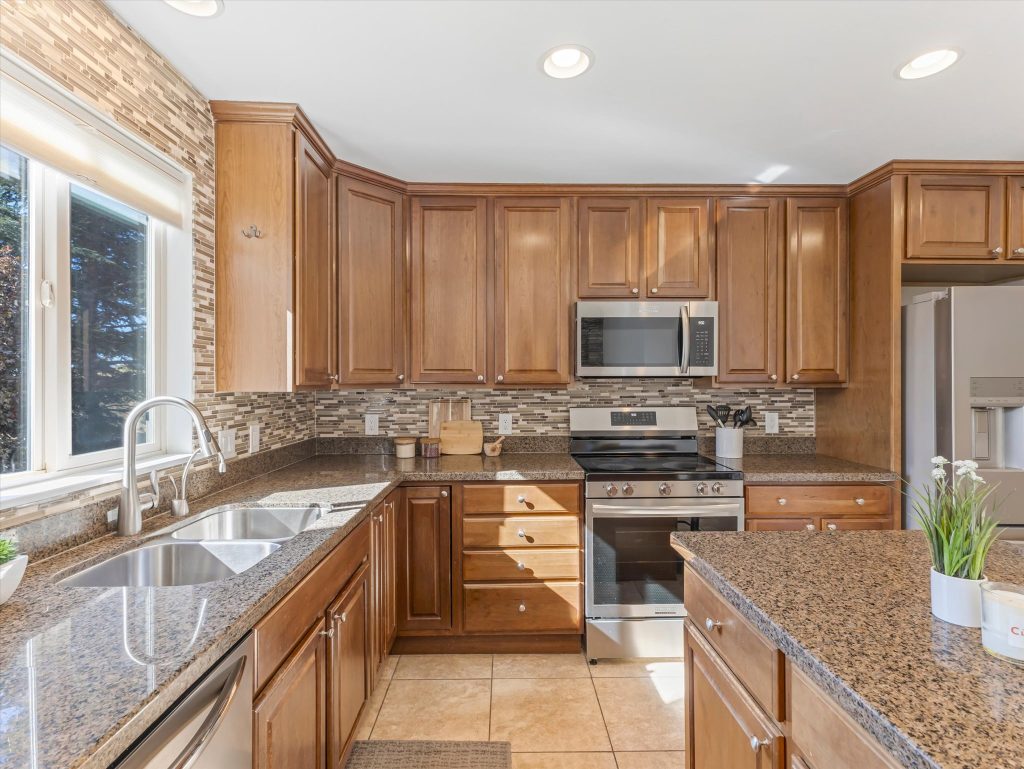
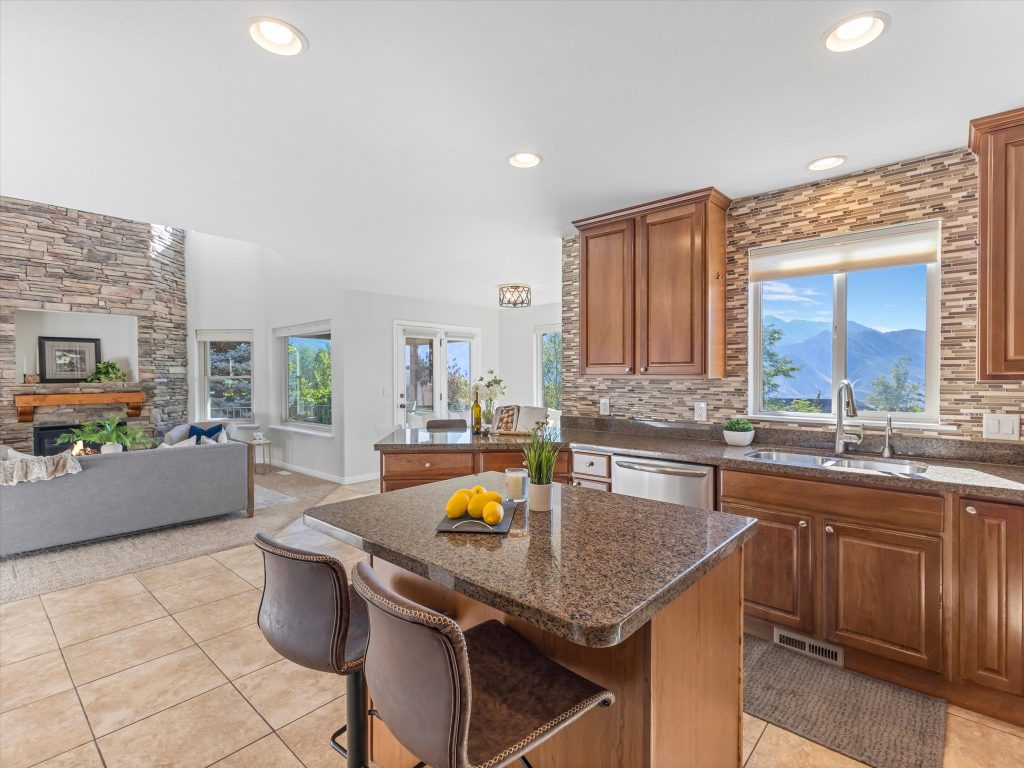
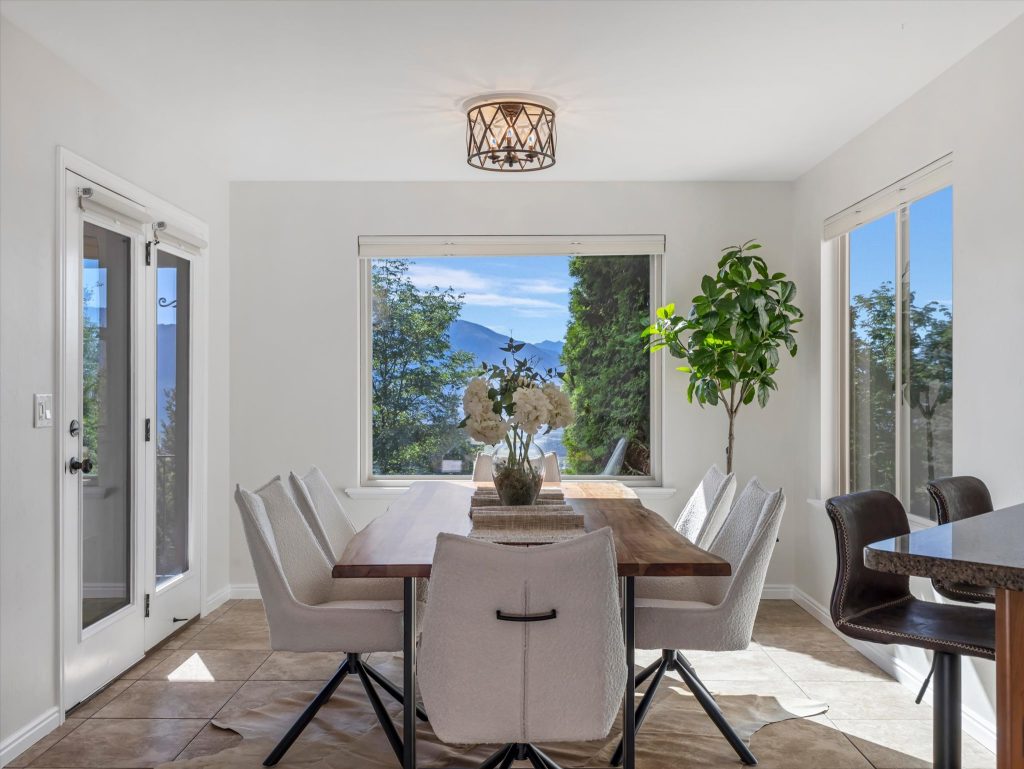
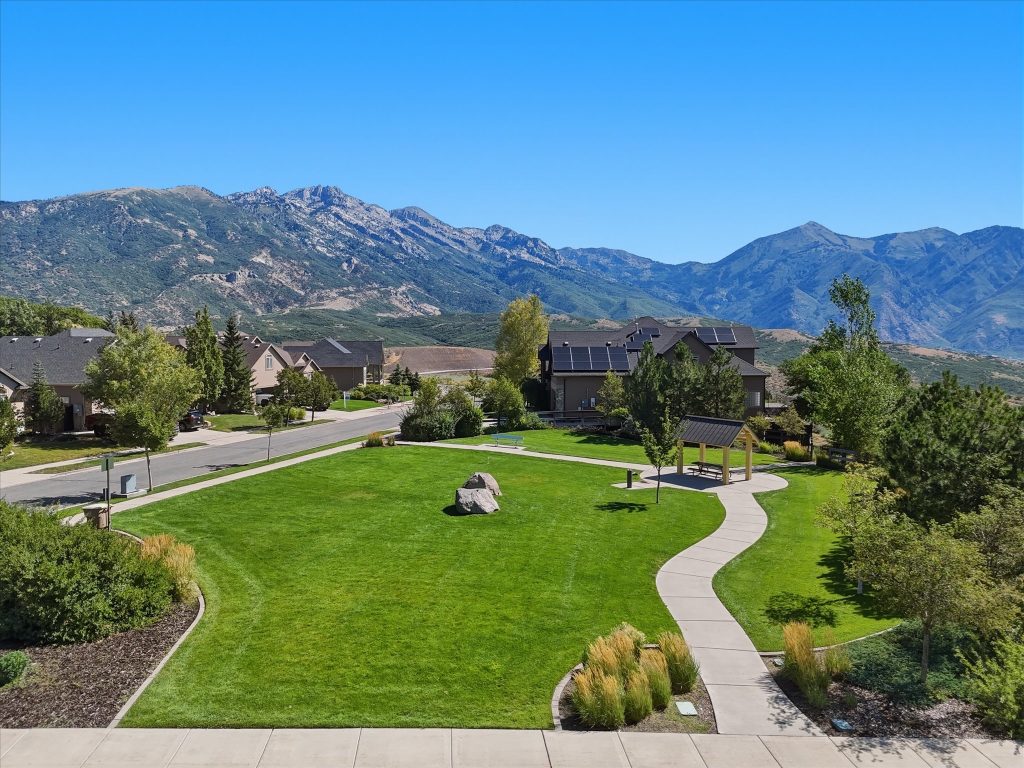
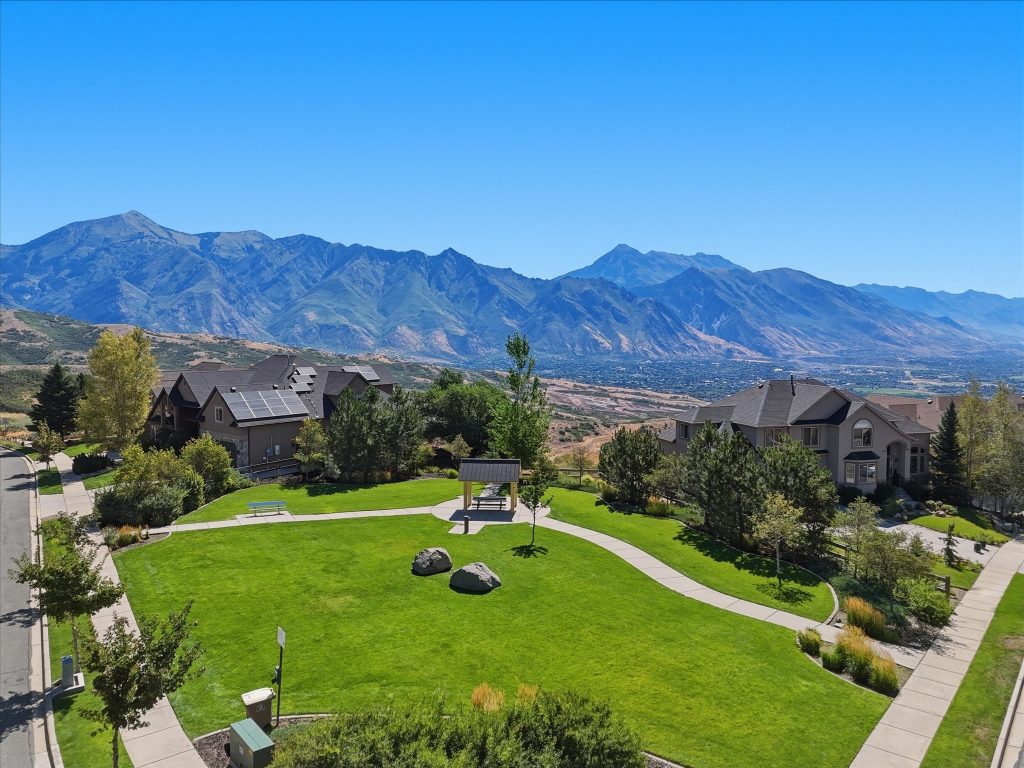
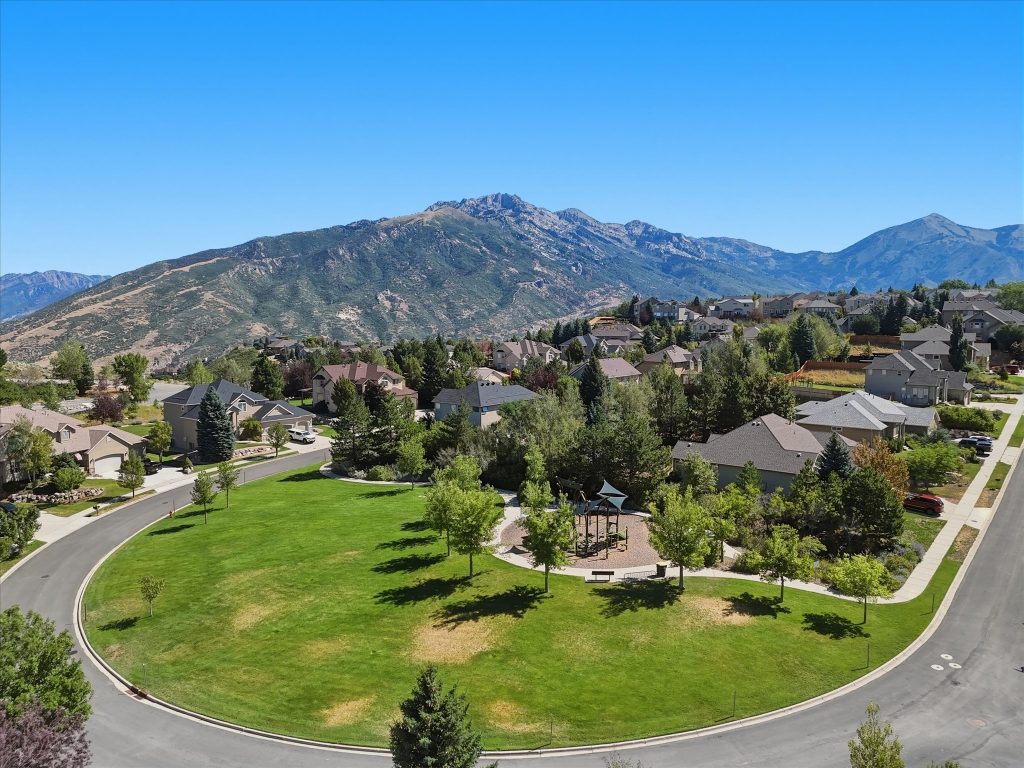
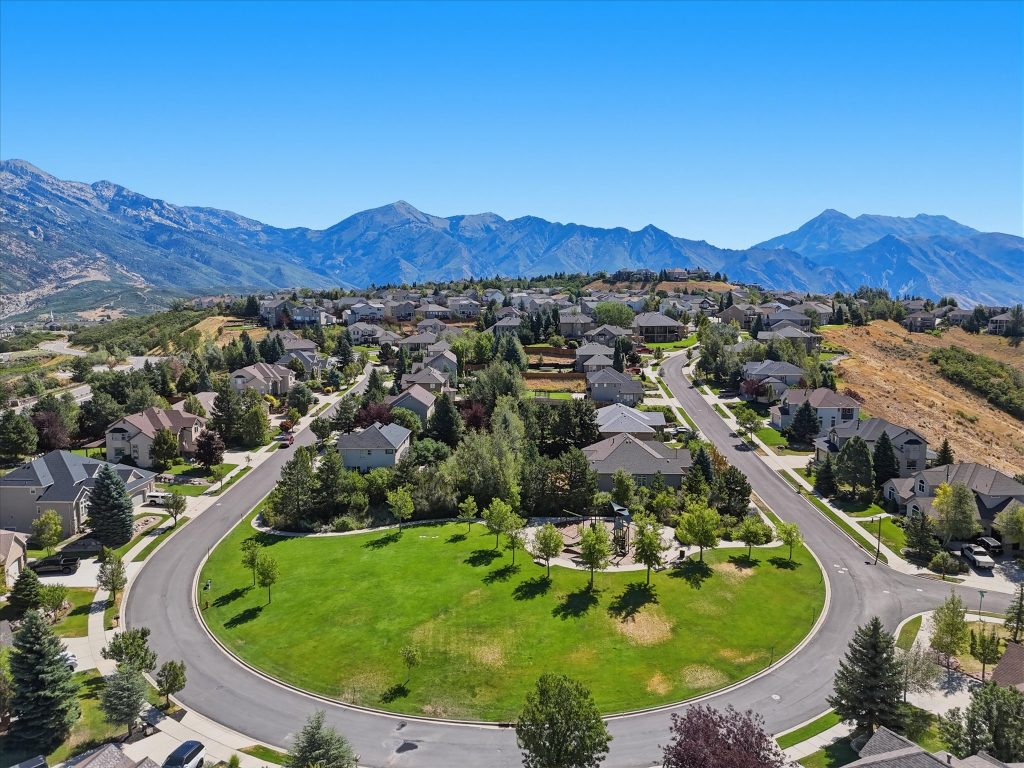
Spacious Living
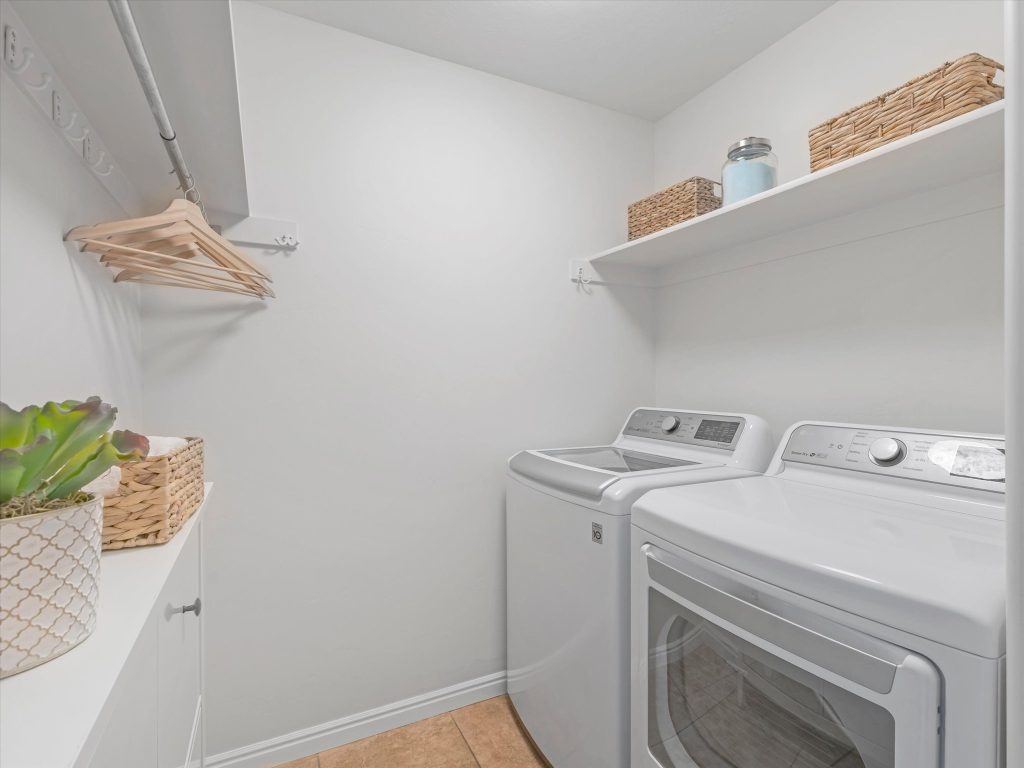
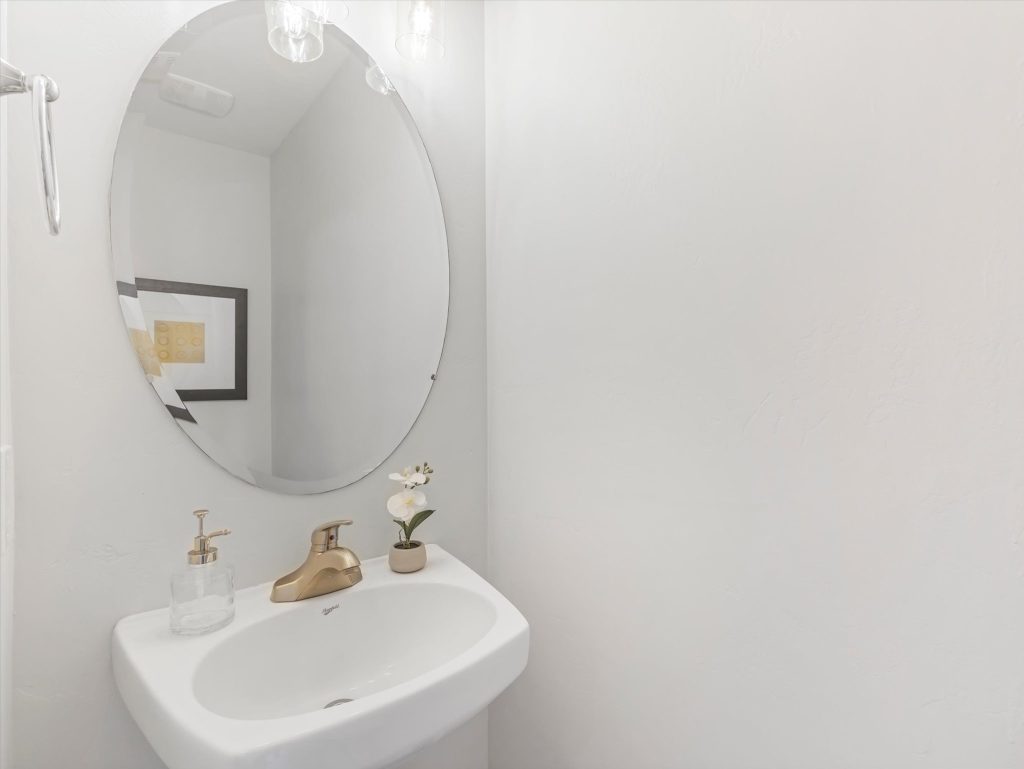
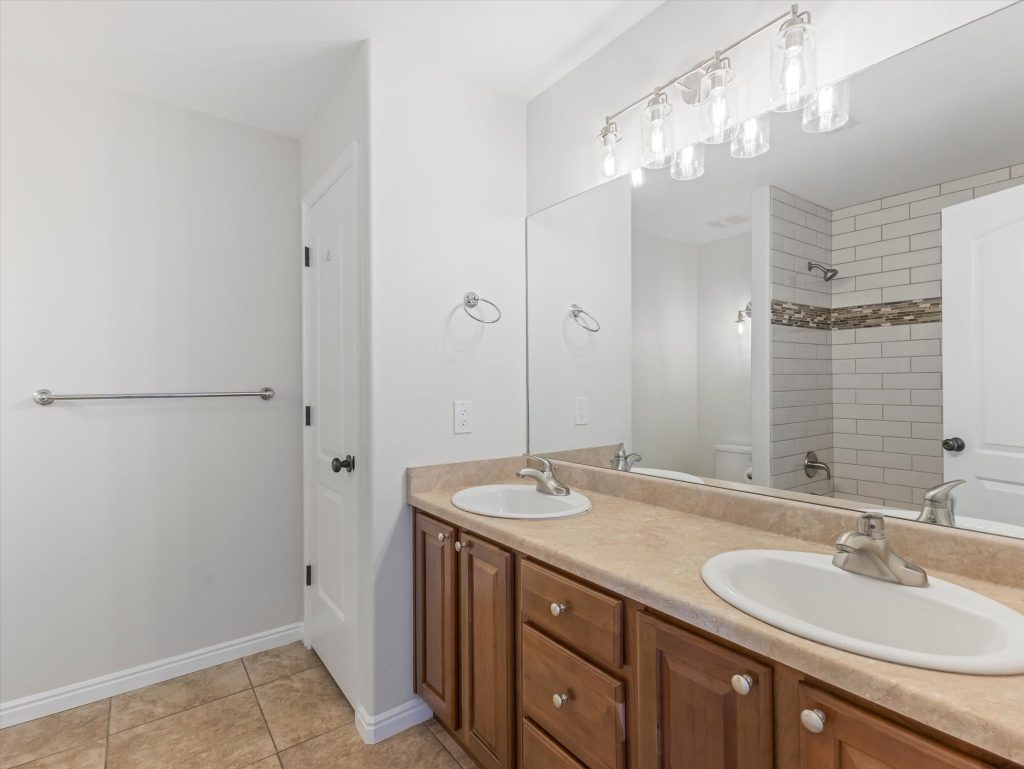
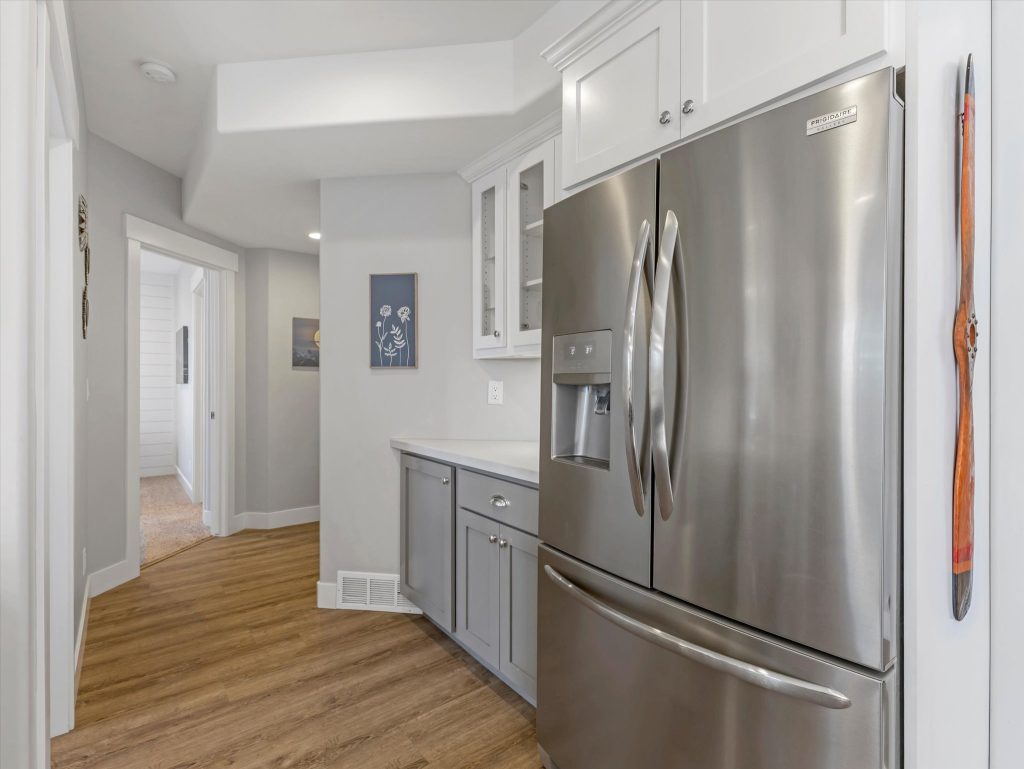
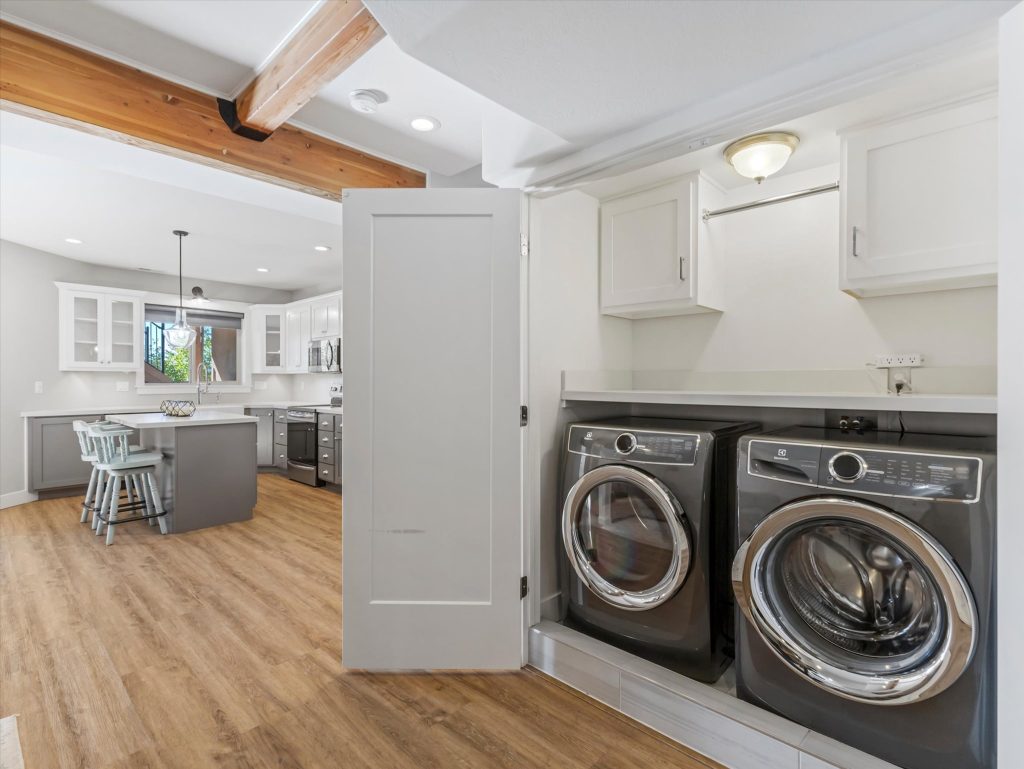
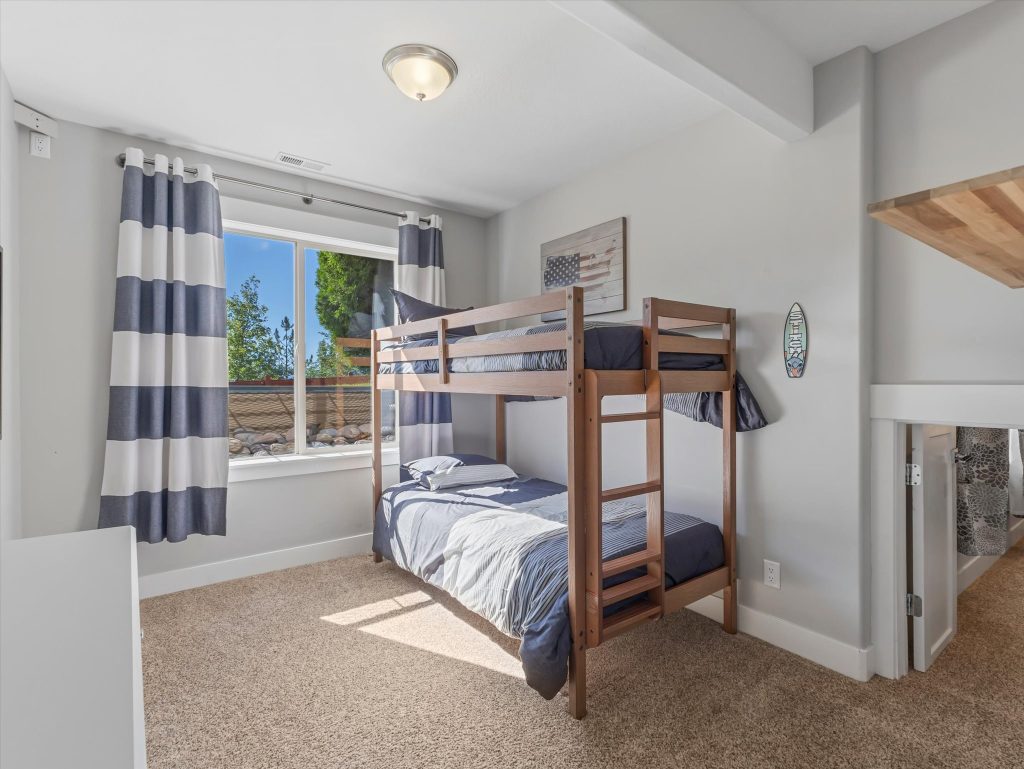
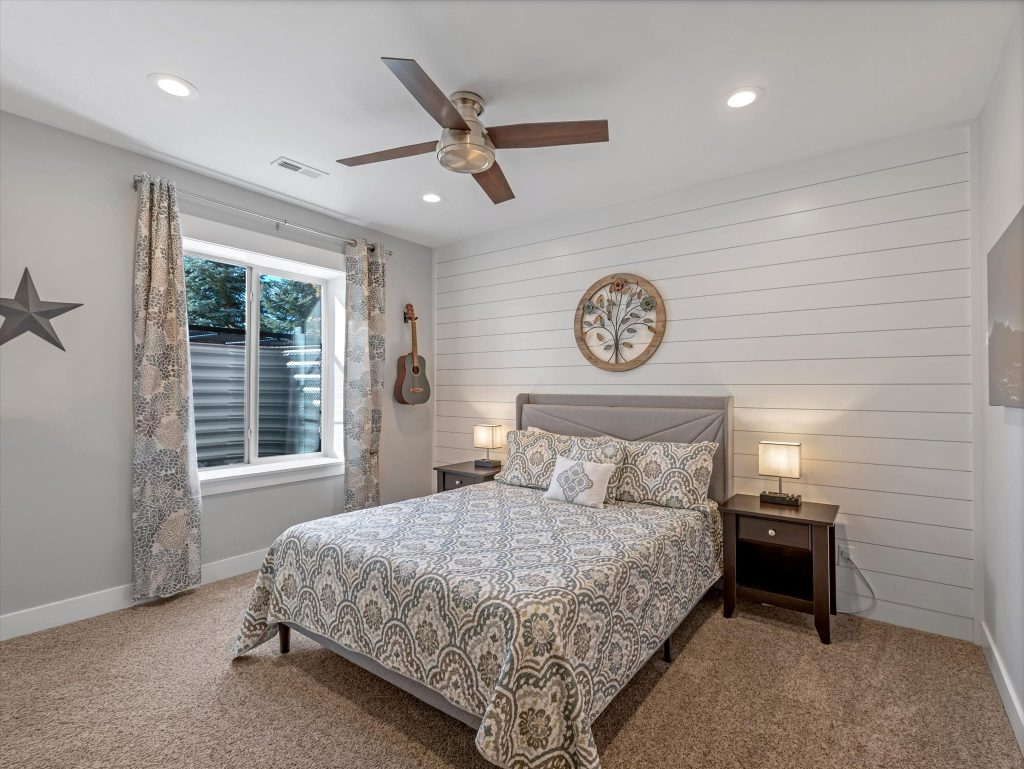
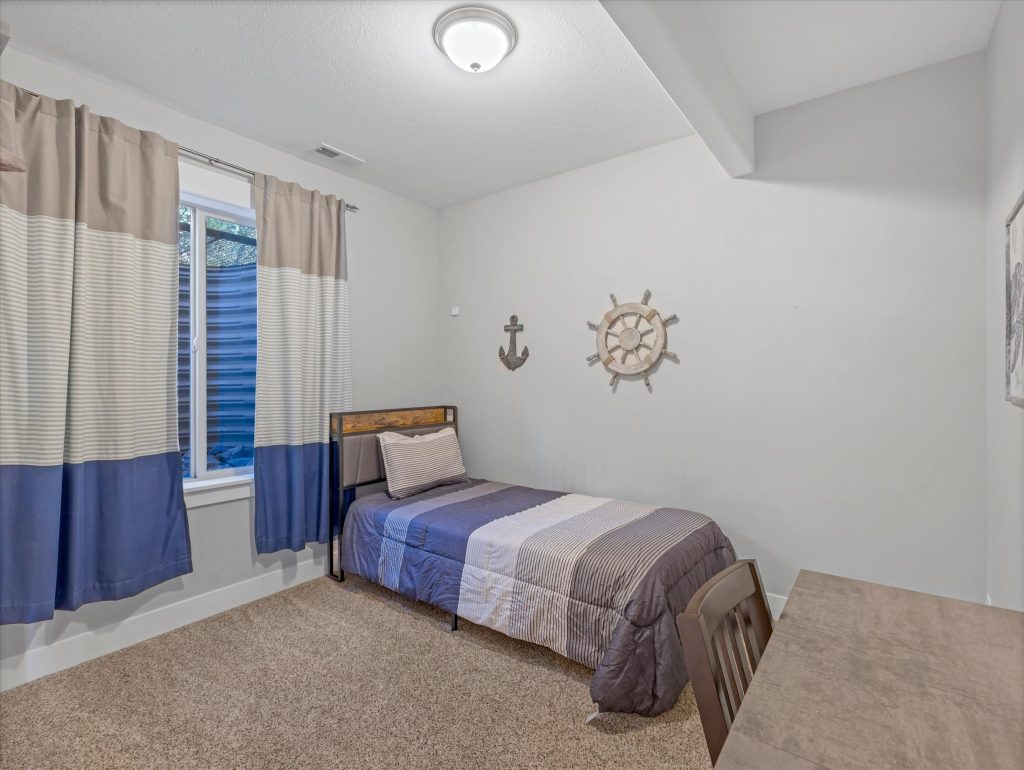
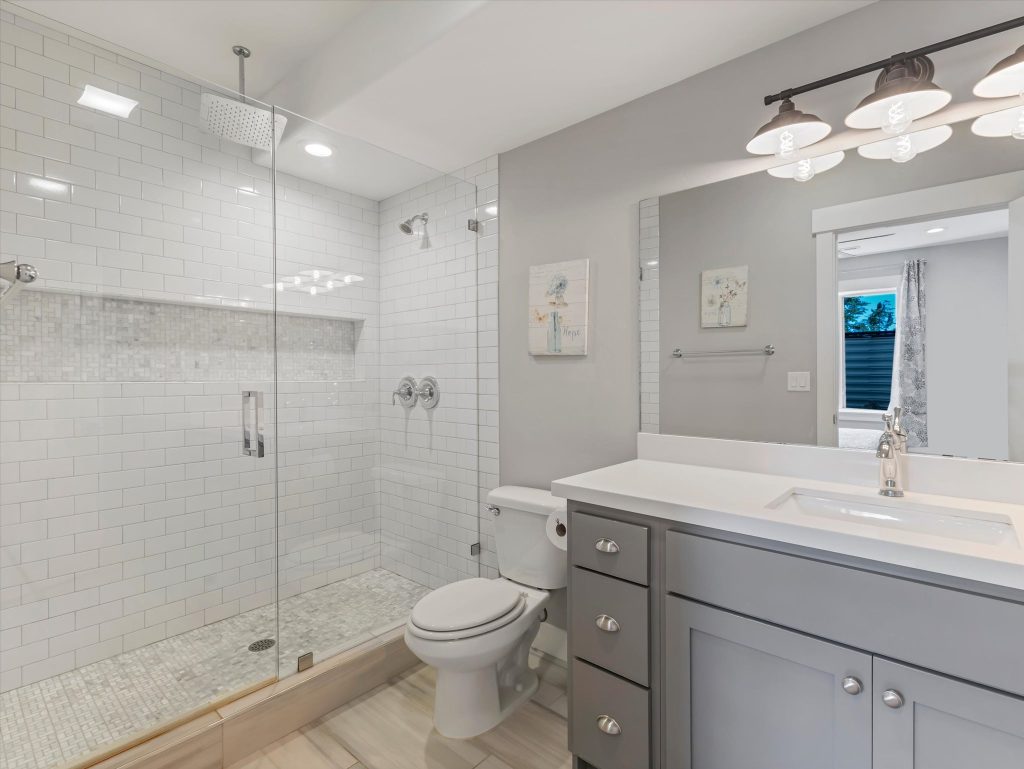
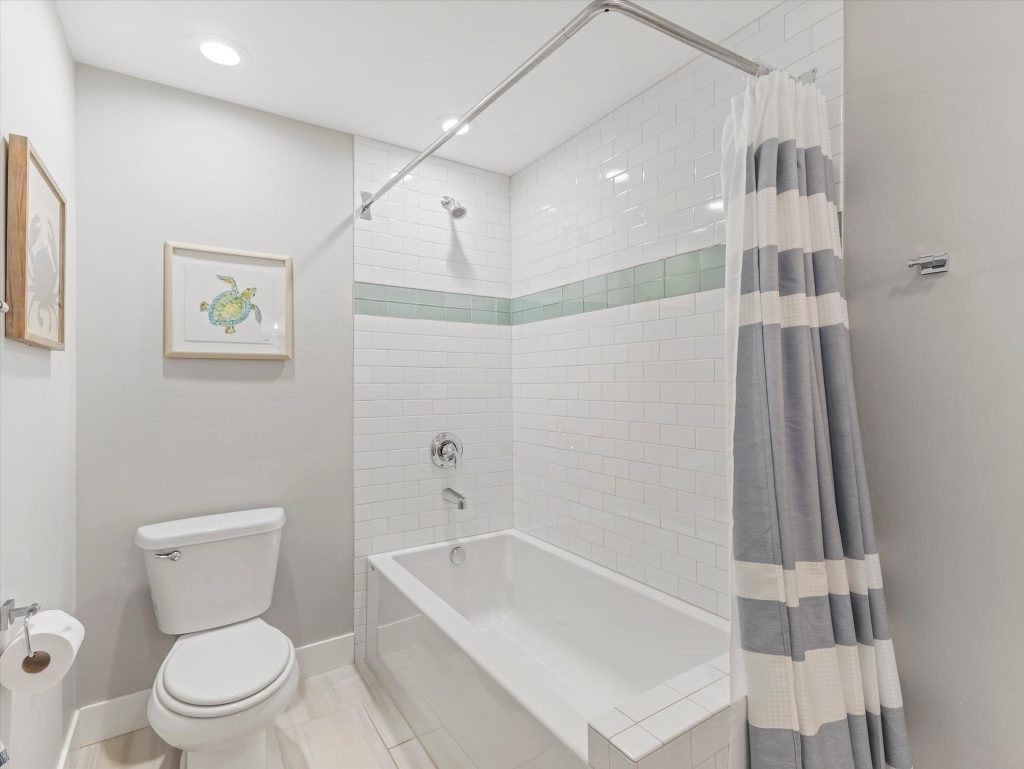
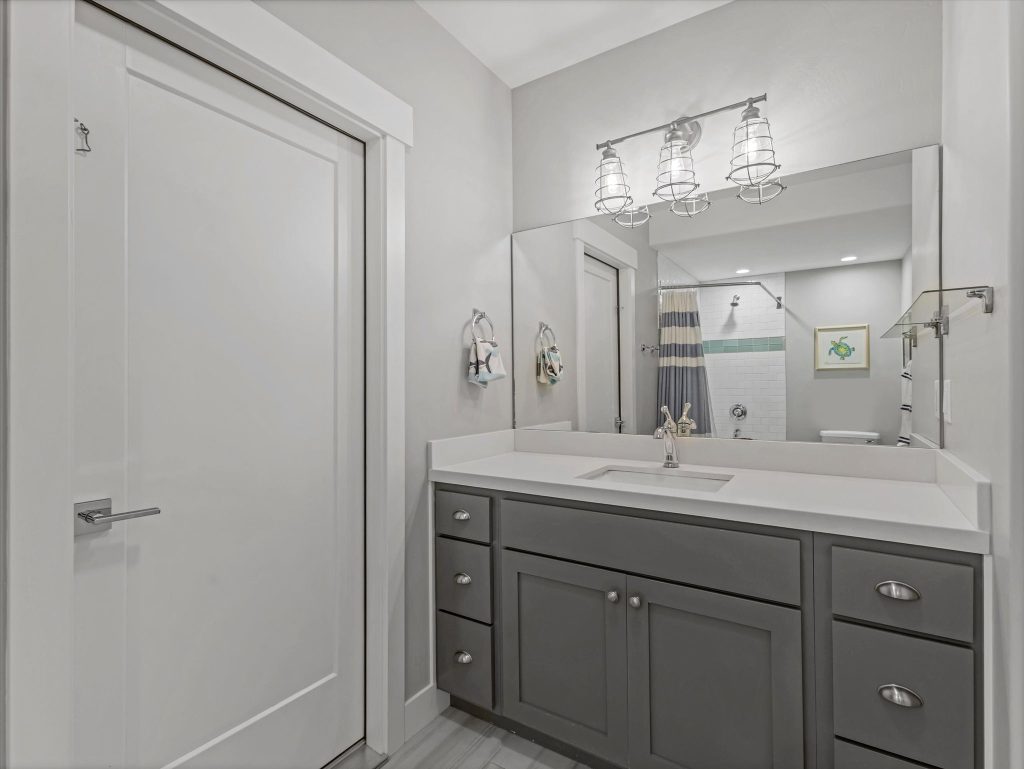
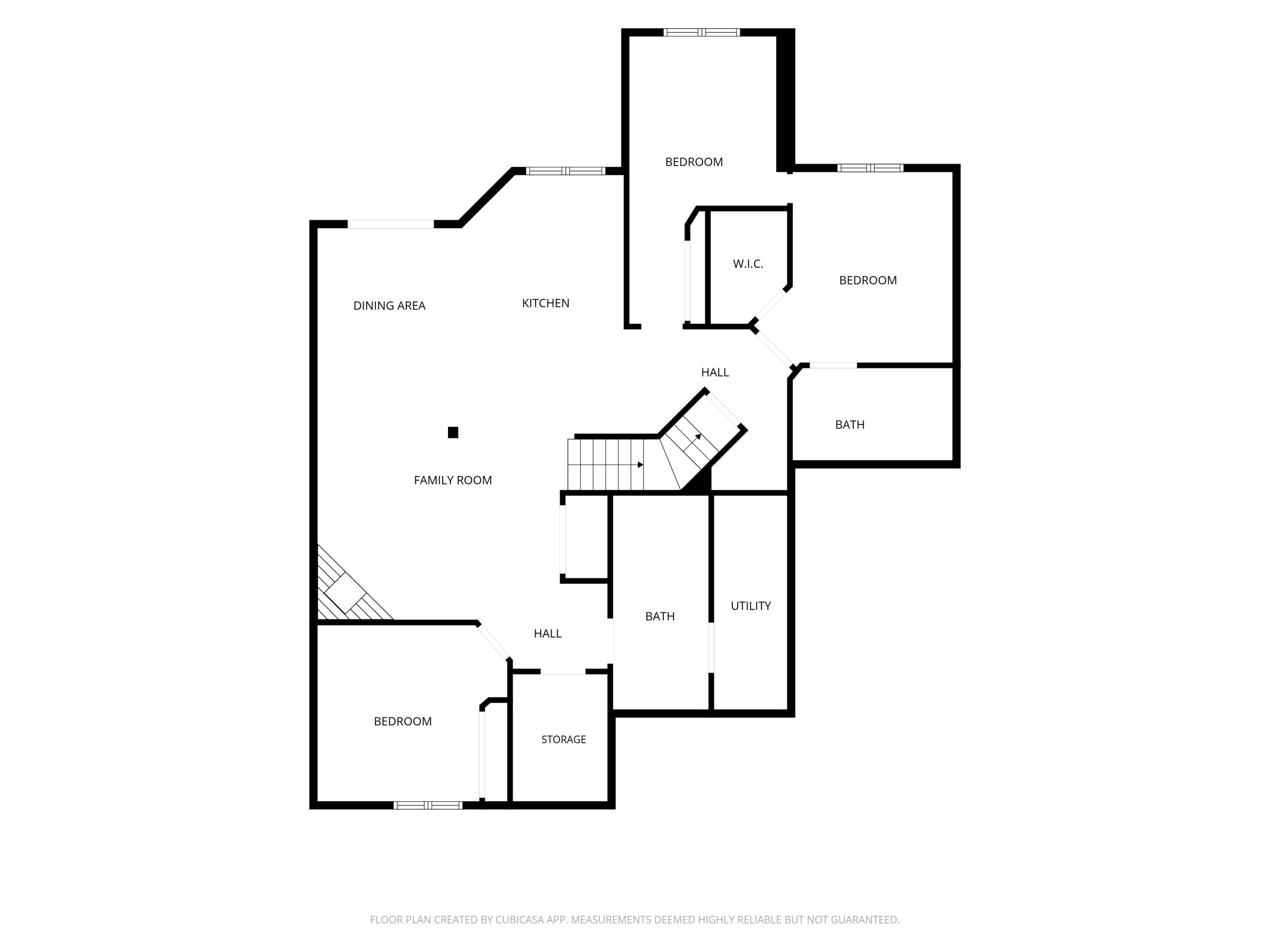
Downstairs is built for whoever needs their own space under the same roof, extended family, long-term guests, or just more room than the rest of the house can hold. The finished walkout basement comes with its own full kitchen, three more bedrooms, two full bathrooms, and a private walkout entrance that makes it feel like a second address hiding under the same one.
Living in SunCrest means trail access minutes from your door, plus a community clubhouse with a pool and gym, and a full calendar of concerts, barbecues, and holiday parties. It also means you're surrounded by neighbors who show up, sometimes with a weather update, an always-appreciated photo, or a little quiet moderating to keep unwanted posts off the community pages.
That's the SunCrest way: people here look out for each other. Eagle Crest earns its name, one neighbor and one view at a time.
Ready for your personal tour?
Feel free to reach out to us with any questions you have or to set up a time for your personal tour of this beautiful home.
Scott Steadman
Robyn Foulger
Stoneleigh Heights HOA August 2026 Meeting Recap: CC&R Vote, Insurance Changes, and Maintenance Updates
🏡 Unofficial Neighbor Recap. Meeting date: August 18, 2026
This recap reflects my own notes and understanding of the meeting. It’s shared as a courtesy and should not be relied upon for accuracy. Information is subject to change at any time and without notice, and this is not an official Stoneleigh Heights HOA communication. For official minutes or updates, please contact the HOA directly at 801-572-1233.
The Stoneleigh Heights HOA board met on August 18, 2026, and voted to send updated Covenants, Conditions & Restrictions (CC&Rs) to the full community for a vote. The update brings a proposed insurance overhaul, a cap on future dues increases, and changes to maintenance responsibilities. Here’s what homeowners need to know.
CC&R Vote: Key Dates
- Voting opens: August 24, 2026
- Format: Homeowners vote yes or no on the full CC&R document, with an option to explain their vote.
The board said the original CC&Rs were developer-focused and need updating to reflect current HOA governance and state law, particularly around insurance.
Proposed Insurance Change and Dues Cap
If the CC&Rs pass, the HOA plans to adopt a master structural insurance policy as early as January 2027. The HOA’s policy would cover the building (including a $25,000 deductible), while homeowners would shift from an HO-3 to an HO-6 policy covering contents and liability. Earthquake and ice-damage coverage details were still being confirmed with the insurance agent as of this meeting. Tied to a roughly 27% rise in insurance costs, the board also proposed a 30% maximum annual dues increase cap, to be used only as needed.
Maintenance and Rental Cap
Exterior painting would shift to an association-funded program for consistency, while roof upkeep would remain a homeowner responsibility with compliance enforcement. The draft CC&Rs also keep an existing cap on rental properties; current rentals would be grandfathered in, but landlords must formally notify the board since no registry yet exists. The rental cap drew some resident pushback; the board’s position is that it helps preserve an owner-occupied community, with the final call left to the community vote.
Other Business
The board approved a Milburn Landscaping bid to repair guest-parking shrubbery damaged by loose rock, is coordinating wildfire mitigation with Draper Fire ahead of next fire season, and has pothole repairs planned across the community before winter. CCMC confirmed its contracted management time for Stoneleigh Heights is 5 hours per week, under the broader management agreement it also holds with the separate SunCrest master association.
Attendance was light for the topic (about 20 of 170 lots), which the board cited as the reason for putting the CC&R decision to a full community vote rather than deciding it in the room.
Frequently Asked Questions
When does the Stoneleigh Heights CC&R vote open and close?
Voting begins August 24 and is open to all Stoneleigh Heights homeowners.
How would Stoneleigh Heights’ insurance change if the CC&Rs pass?
The HOA would cover the building under a master policy, and homeowners would move from an HO-3 to an HO-6 policy for contents and liability, as early as January 2027.
Is there a cap on how much dues can increase?
The board proposed a 30% maximum annual increase, used only as needed, not a guaranteed yearly increase.
This recap is shared as a courtesy and isn’t an official HOA communication. It should not be relied upon for accuracy, and information is subject to change at any time and without notice. For official updates, minutes, or questions, please contact the HOA directly at 801-572-1233.
SunCrest Lifestyle Presents
1731 Longbranch Dr
Welcome Home
Welcome to 1731 E Longbranch Dr
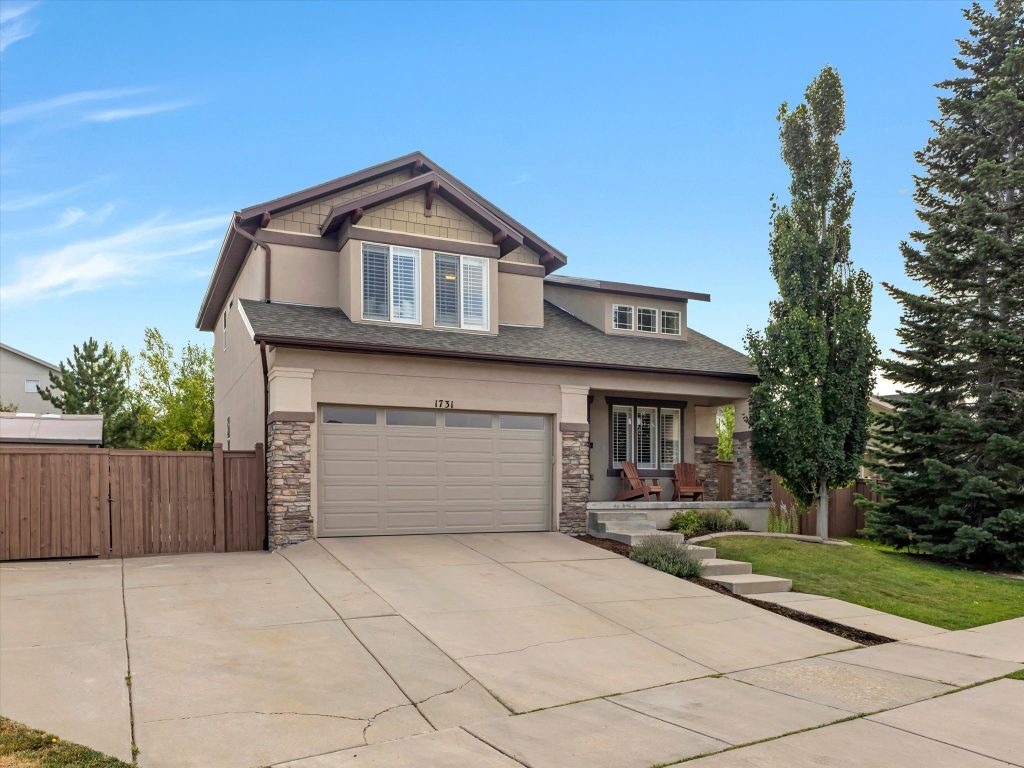
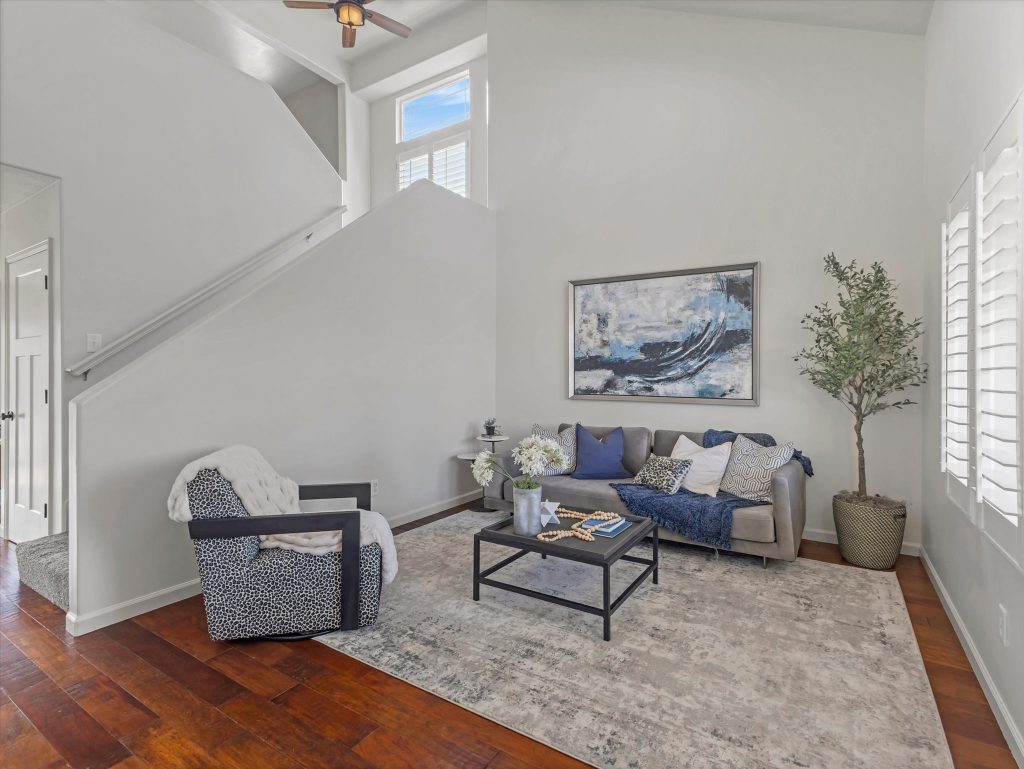
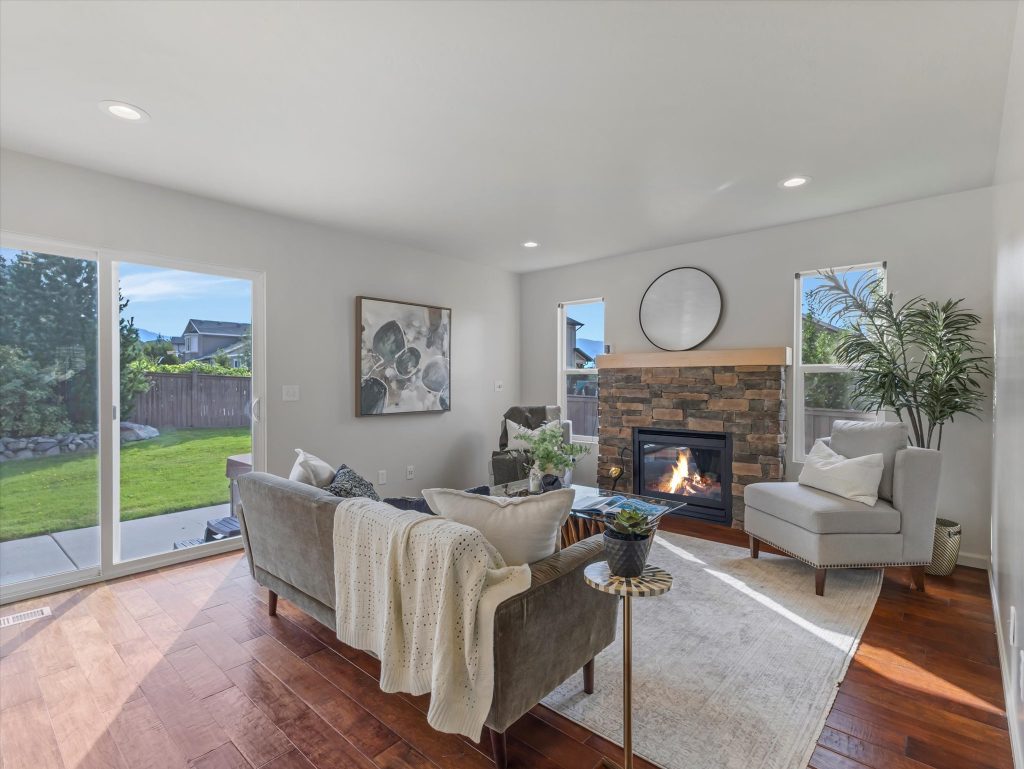
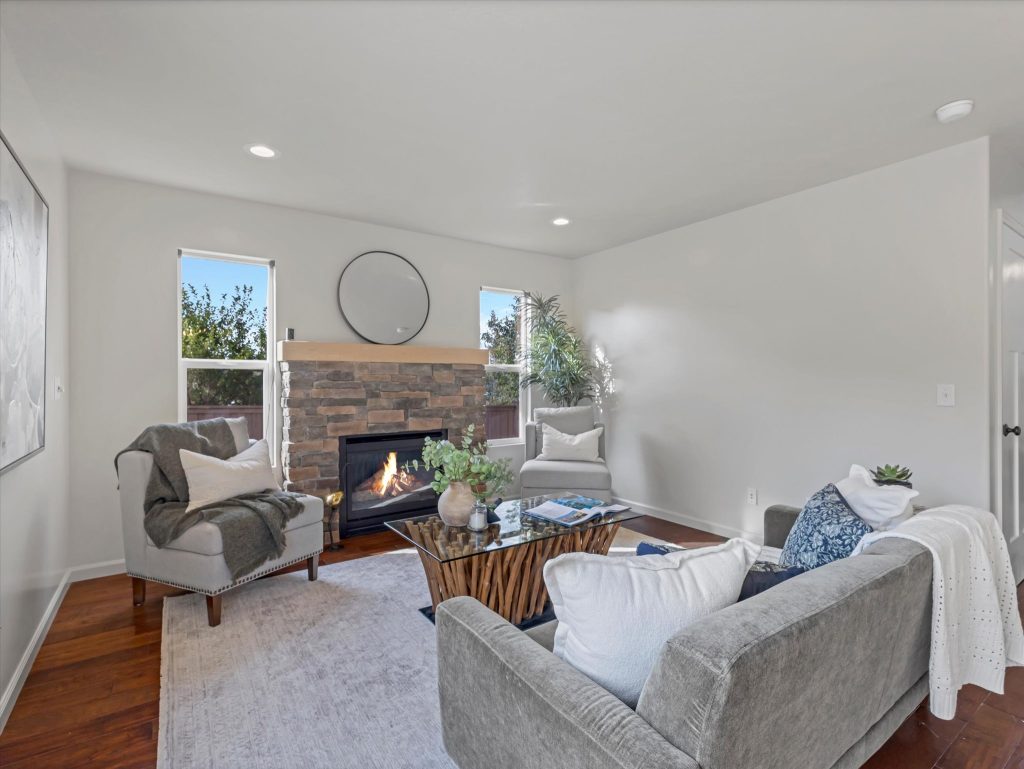
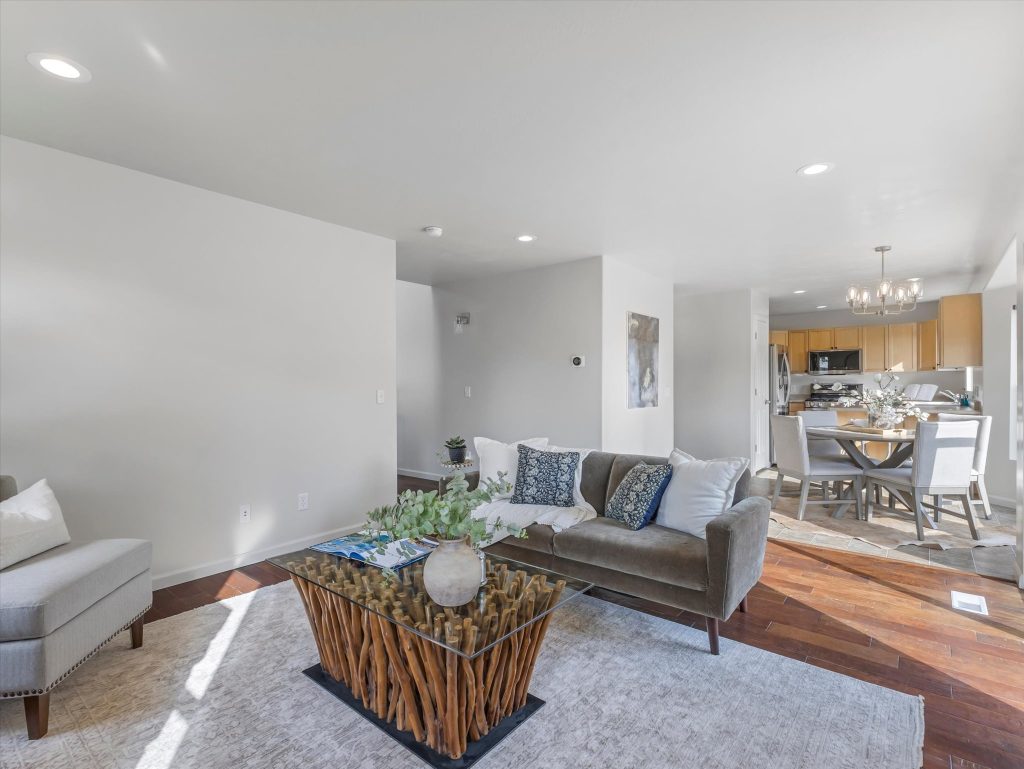
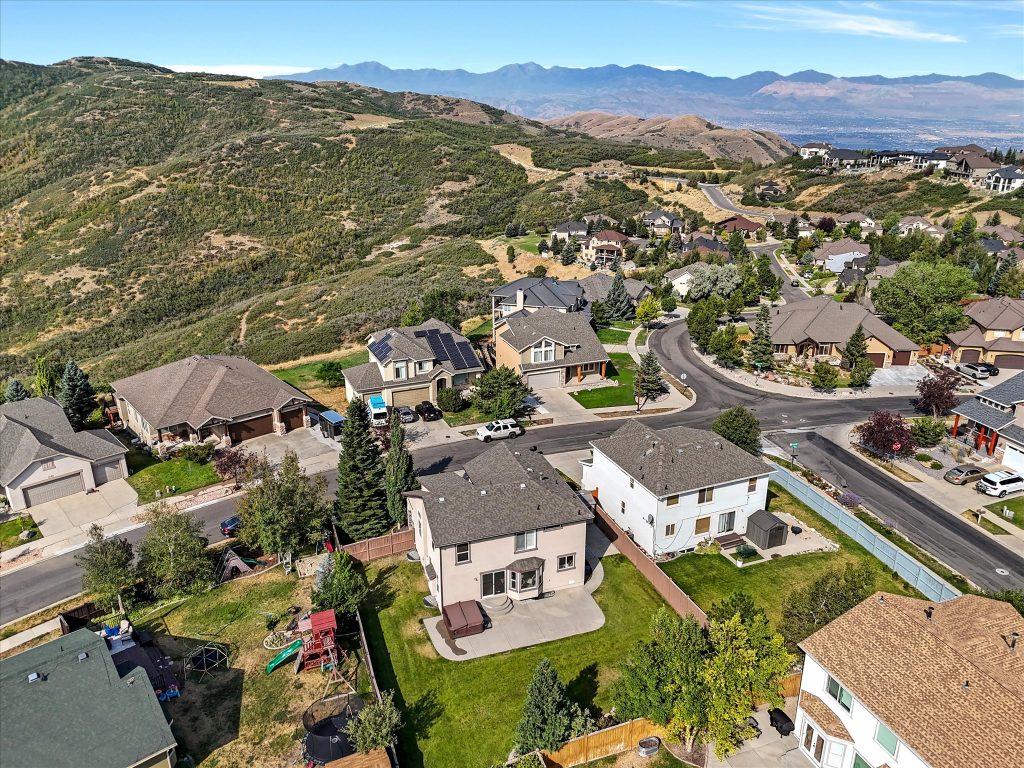
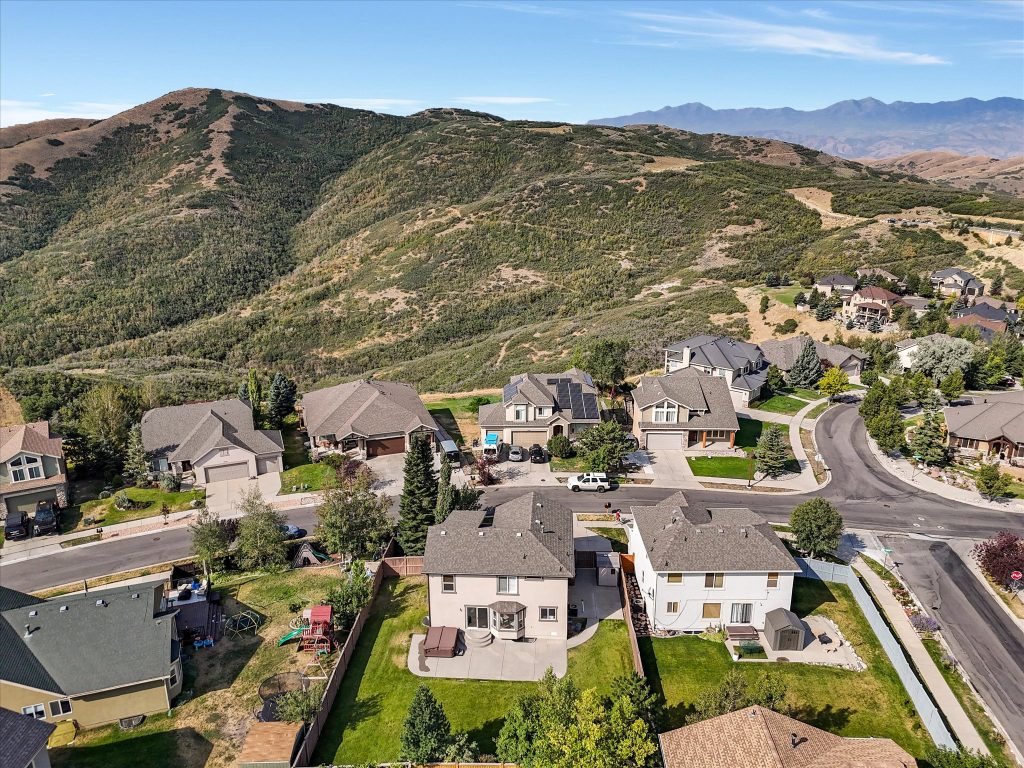
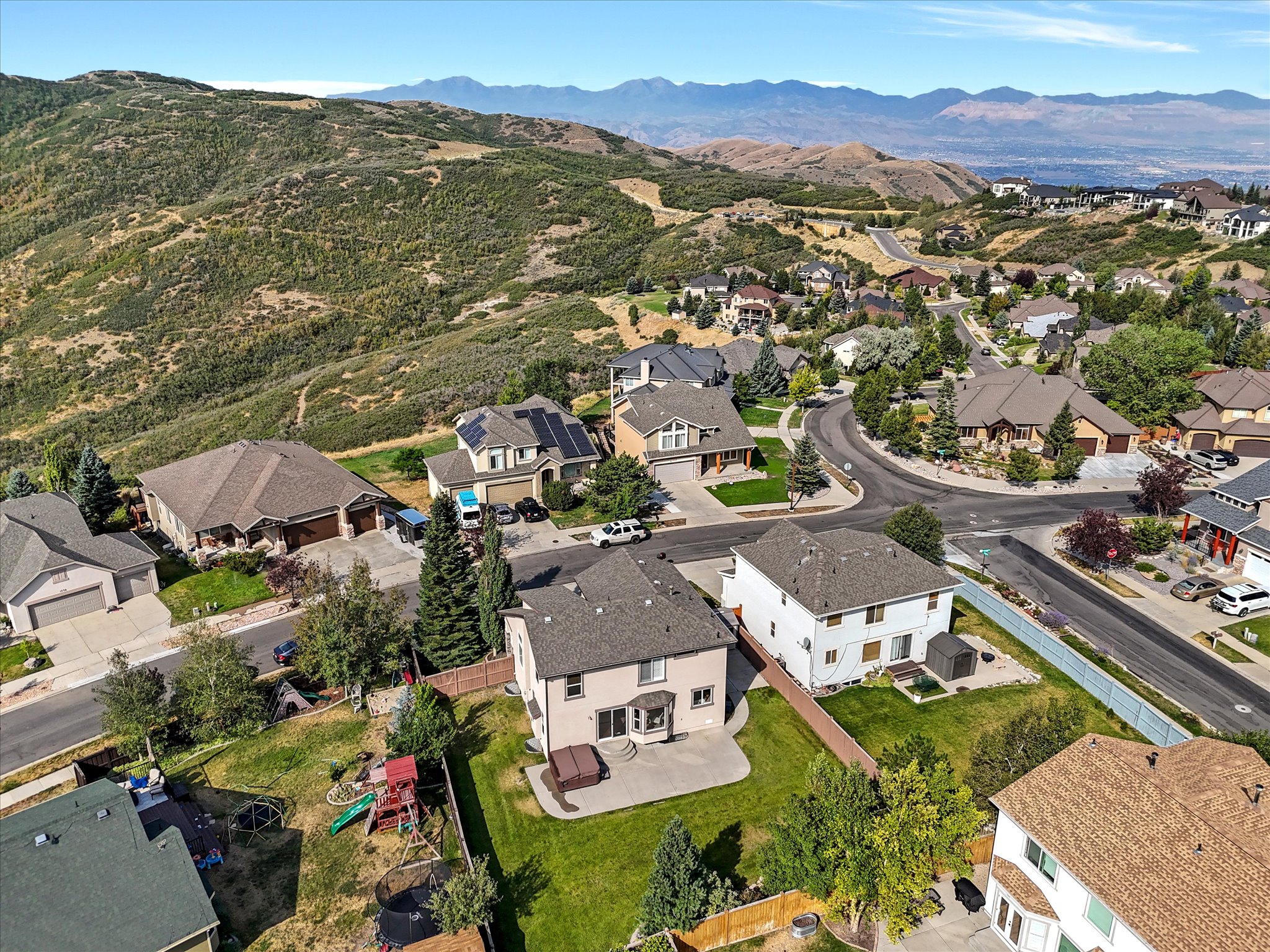
Every neighborhood has a house where everyone somehow ends up. Not the newest one, not the biggest one. Just the one that sits closest to everything that makes the place feel like home. That's this house.It's been loved by one family since the day it was built, and it shows. This is SunCrest living the way it was meant to be lived: trails everywhere, mountain air in your lungs, three parks within walking distance, and the community clubhouse and pool just a short stroll from your front door. You're not on the edge of the action here. You're standing in
the middle of it.
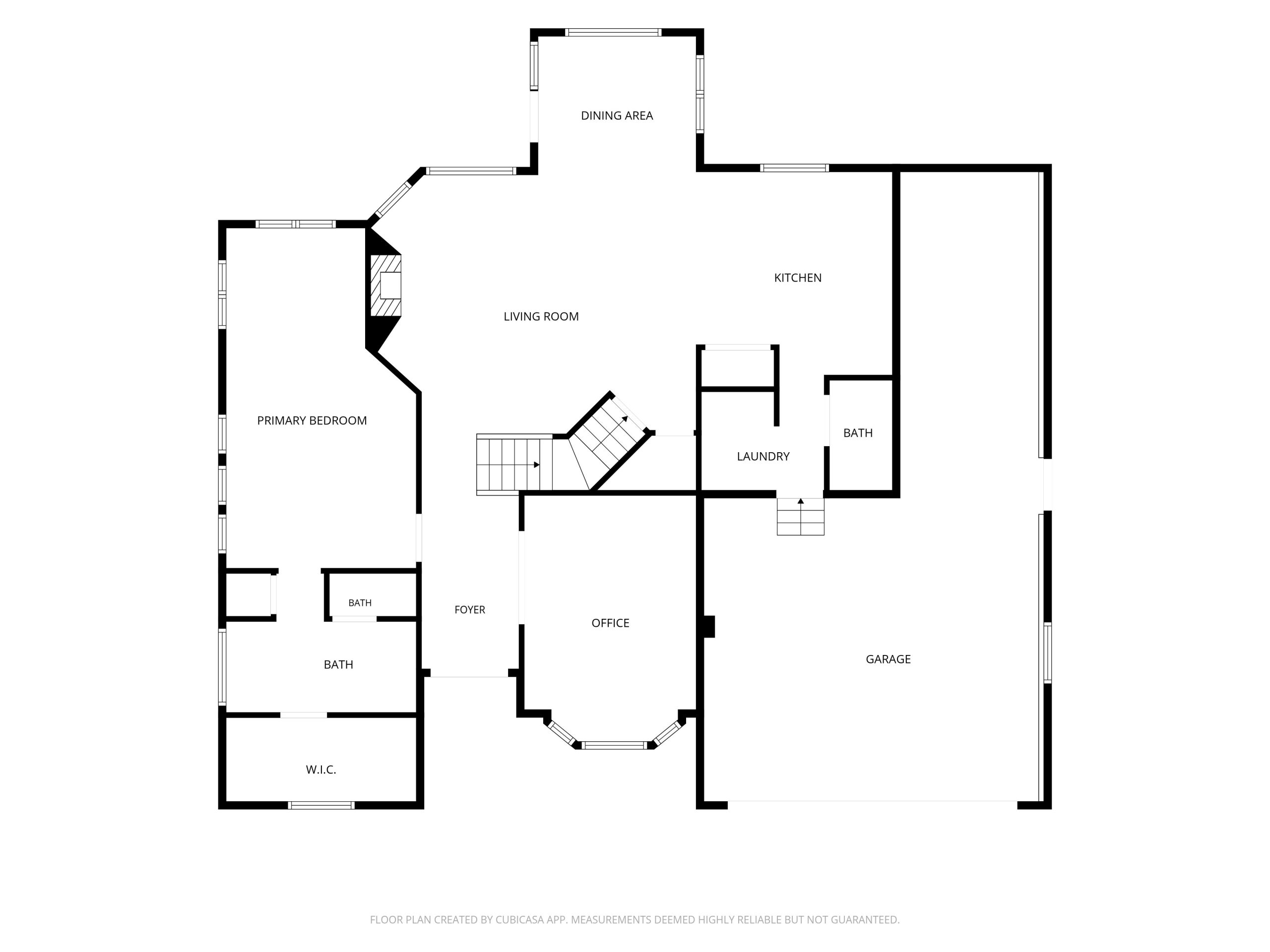
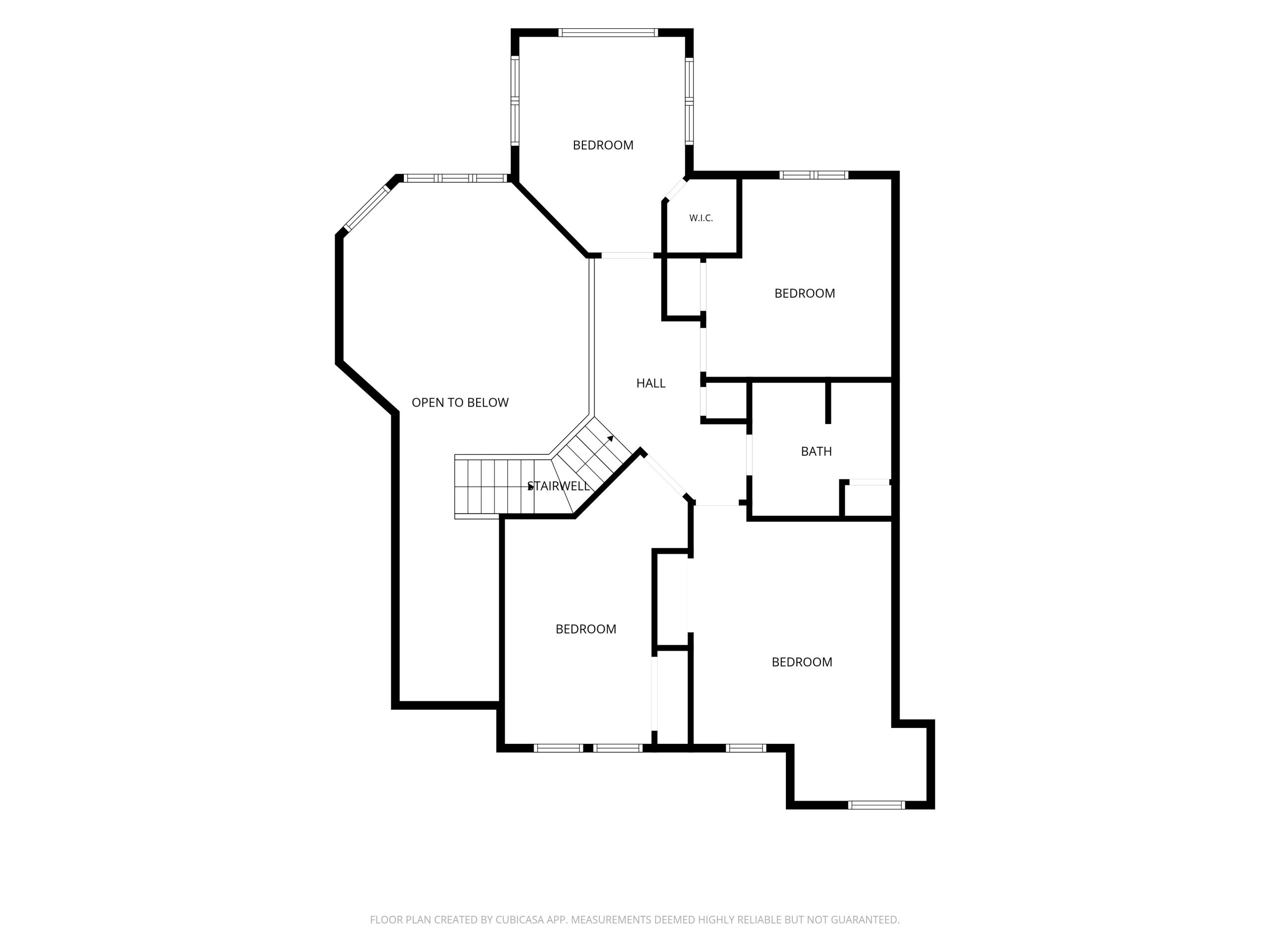
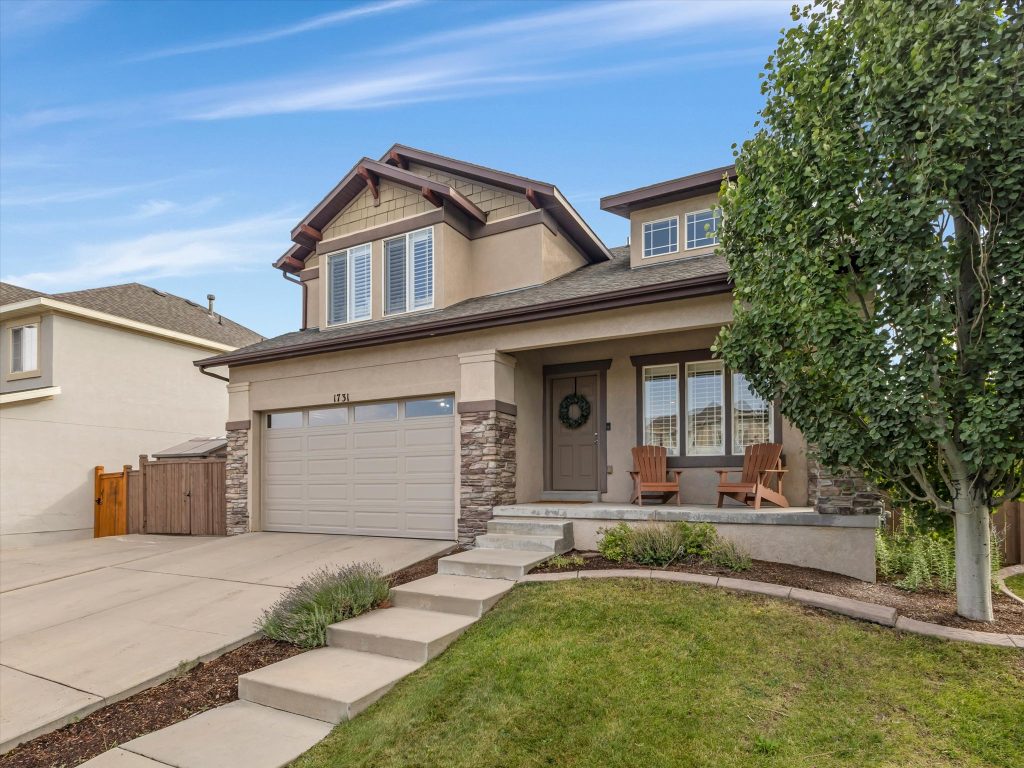
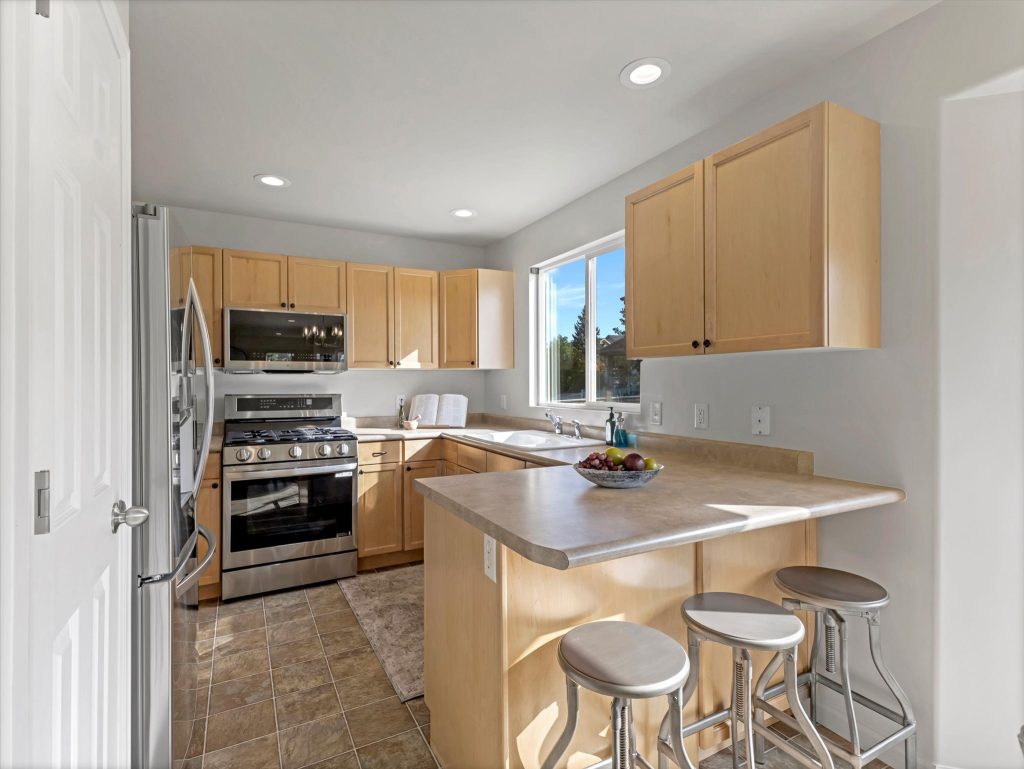
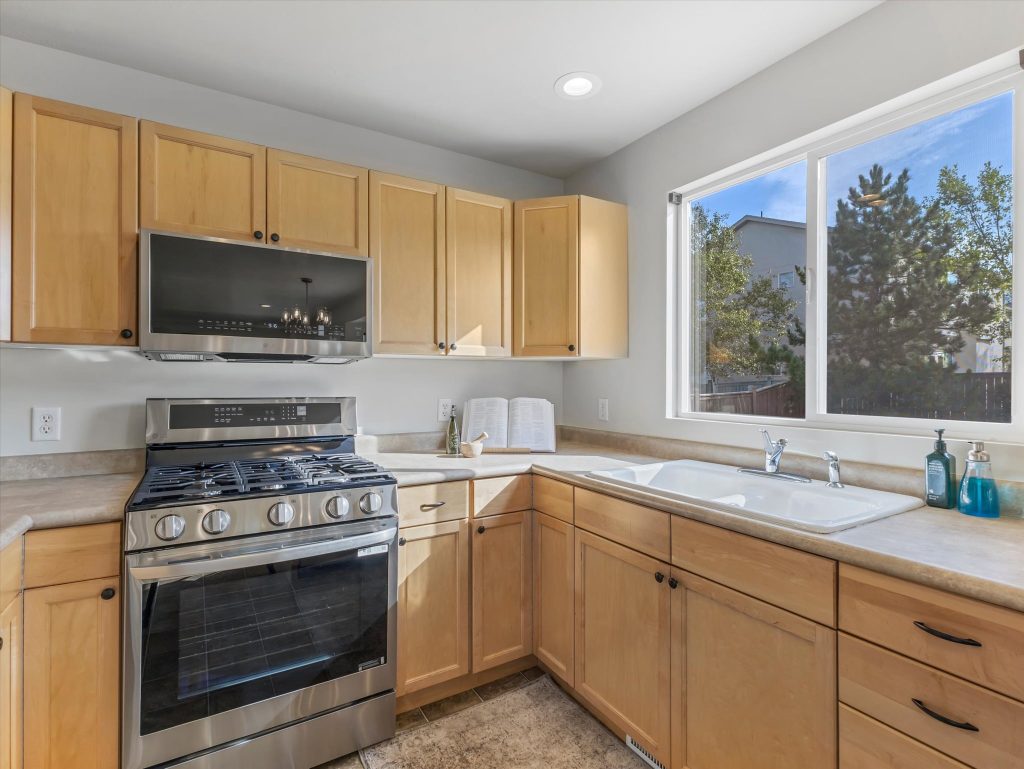
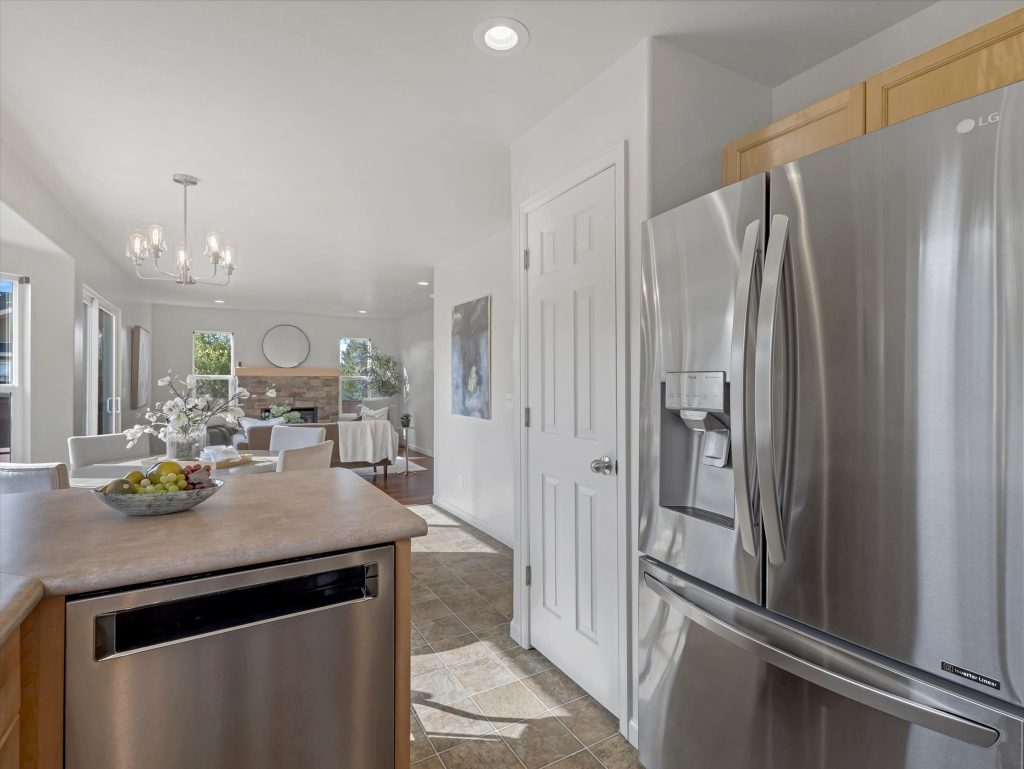
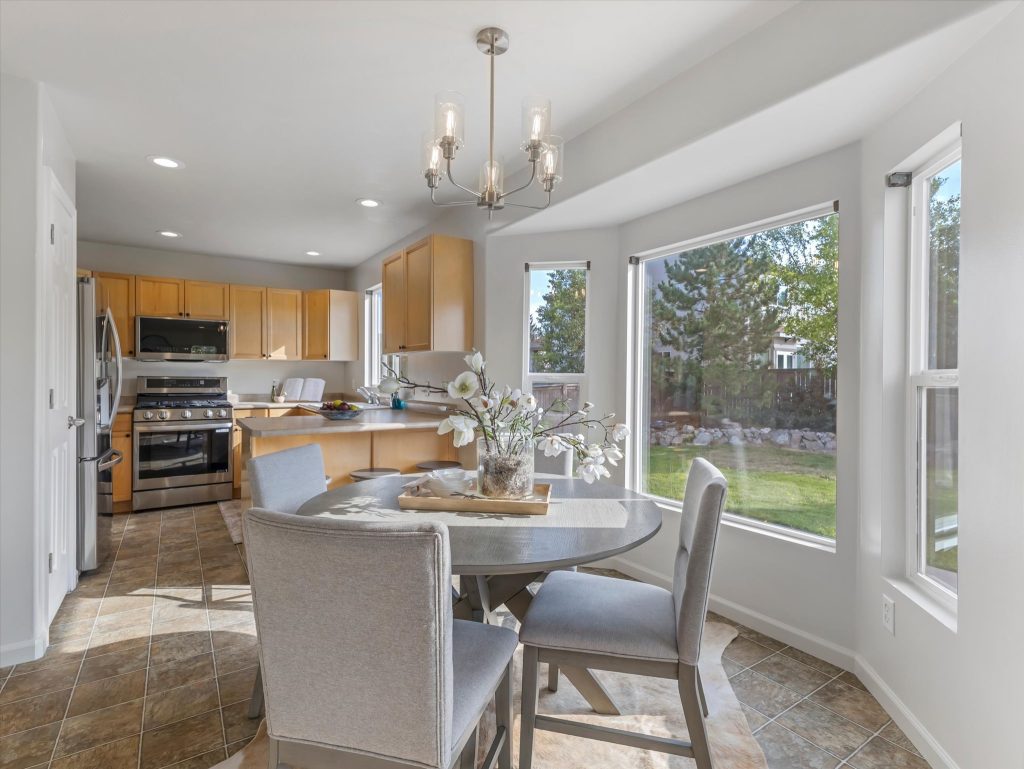
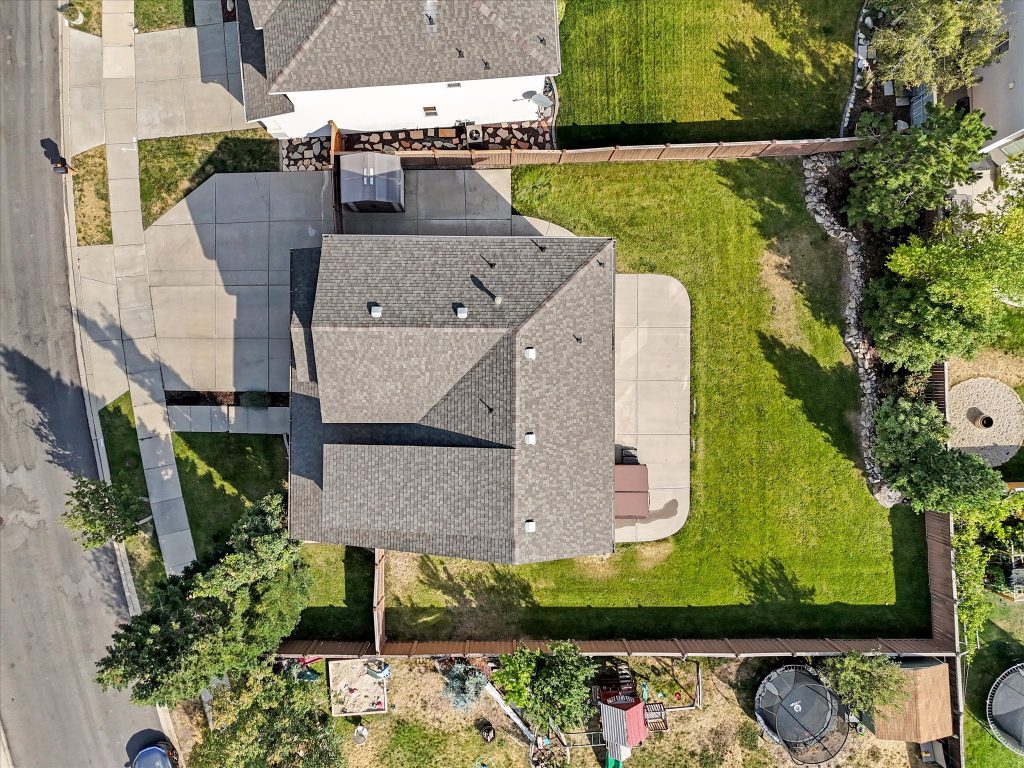
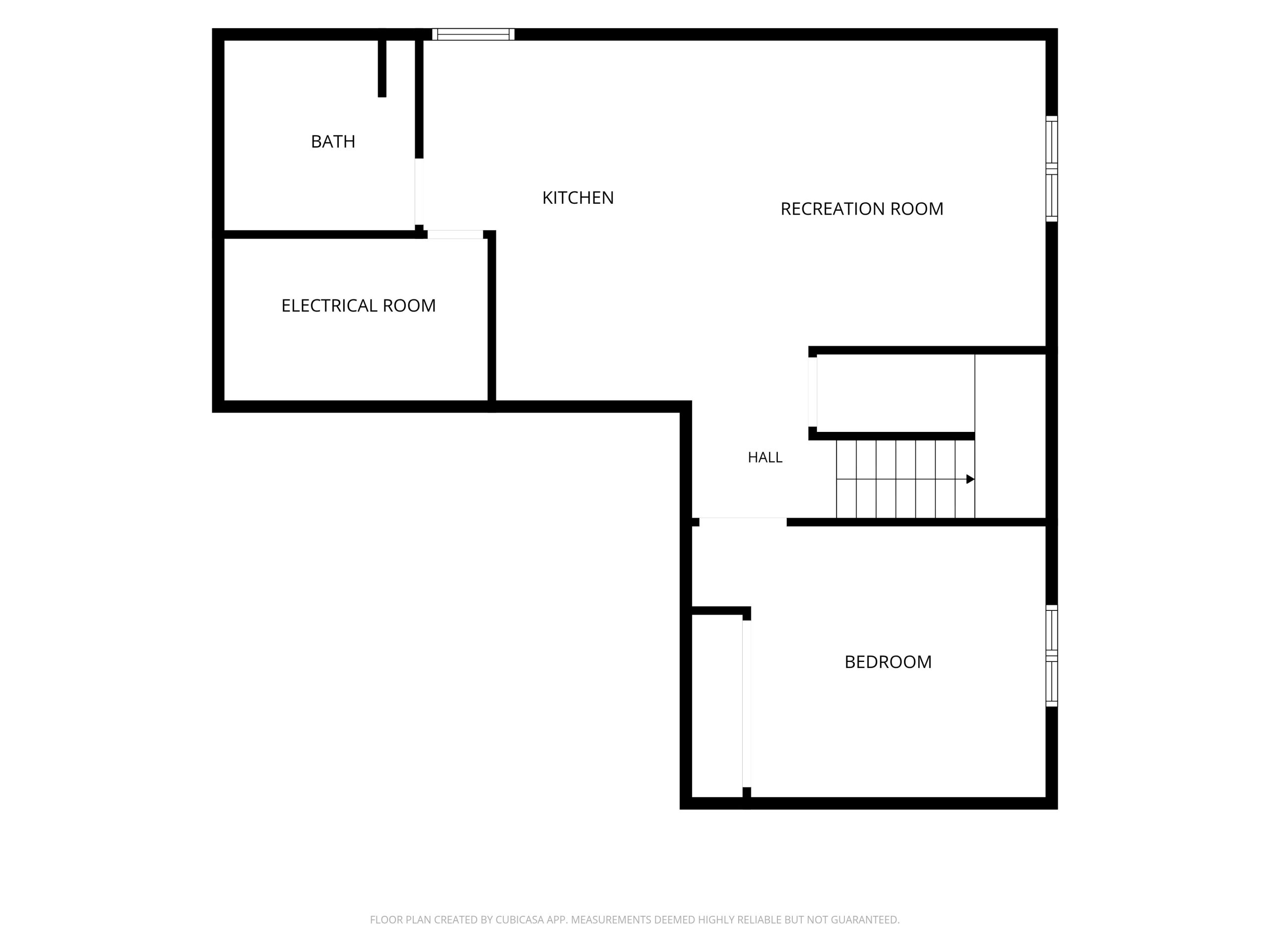
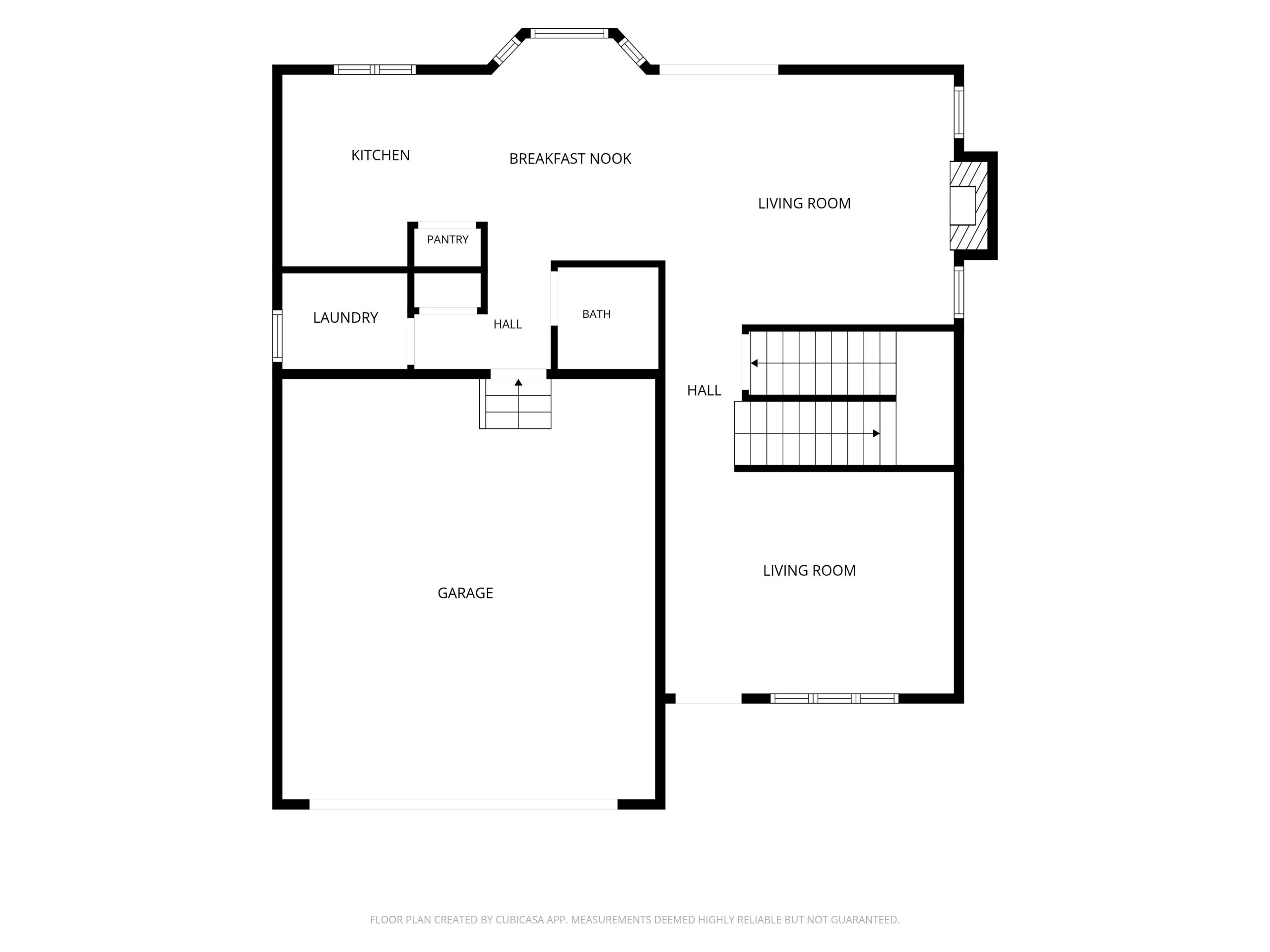
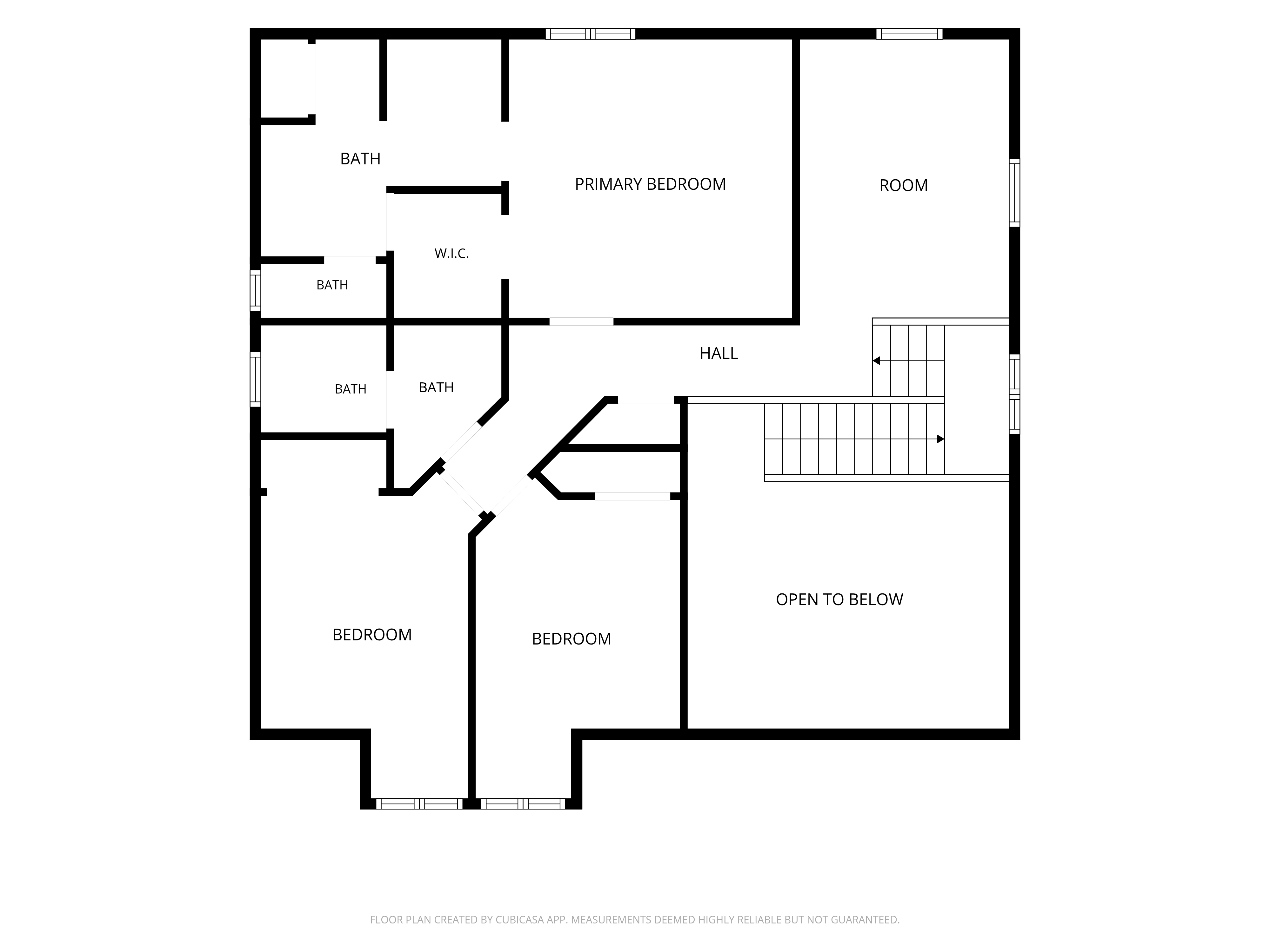
Pull up and you'll notice the driveway first. It's extra-wide, giving you extra parking when family's in town, or just breathing room most SunCrest homes don't have. Step inside and the layout does exactly what a home should do: it makes sense. Upstairs holds three bedrooms and two bathrooms, including a primary suite that gives you a little separation from the rest of the house. Downstairs is where this floor plan earns its keep. A fourth bedroom, a full bathroom, a spacious family room, and a kitchenette that turns the whole level into its own living space. Guests come and go without ever feeling like they're underfoot, and extended family staying long-term gets its own corner.
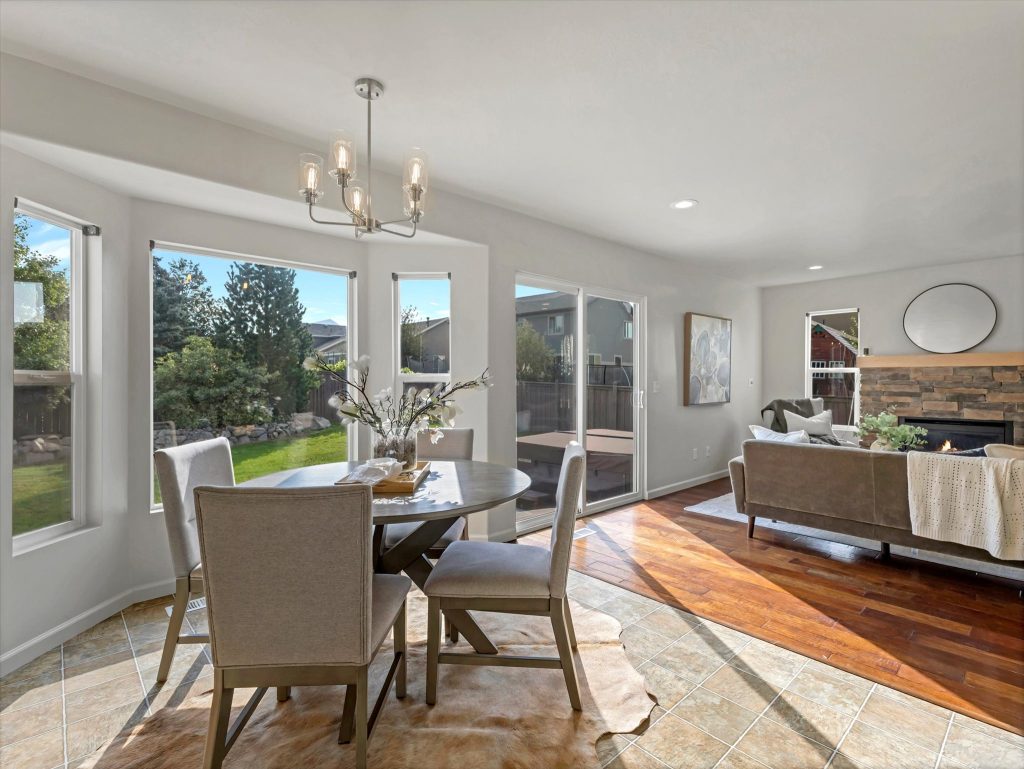
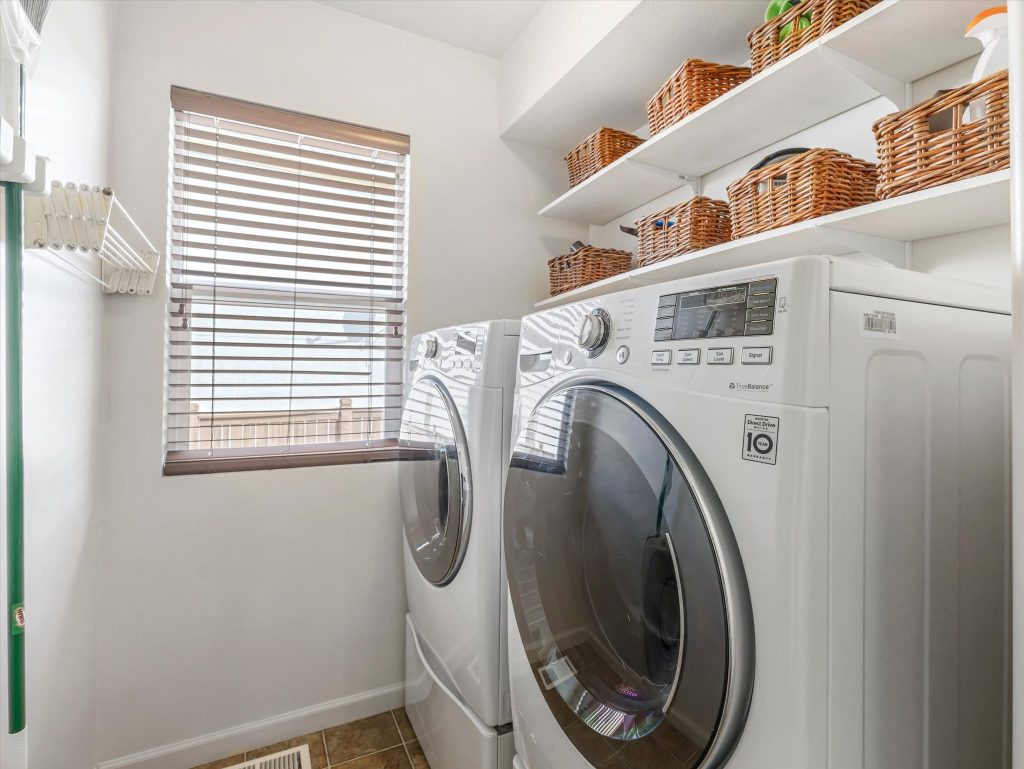
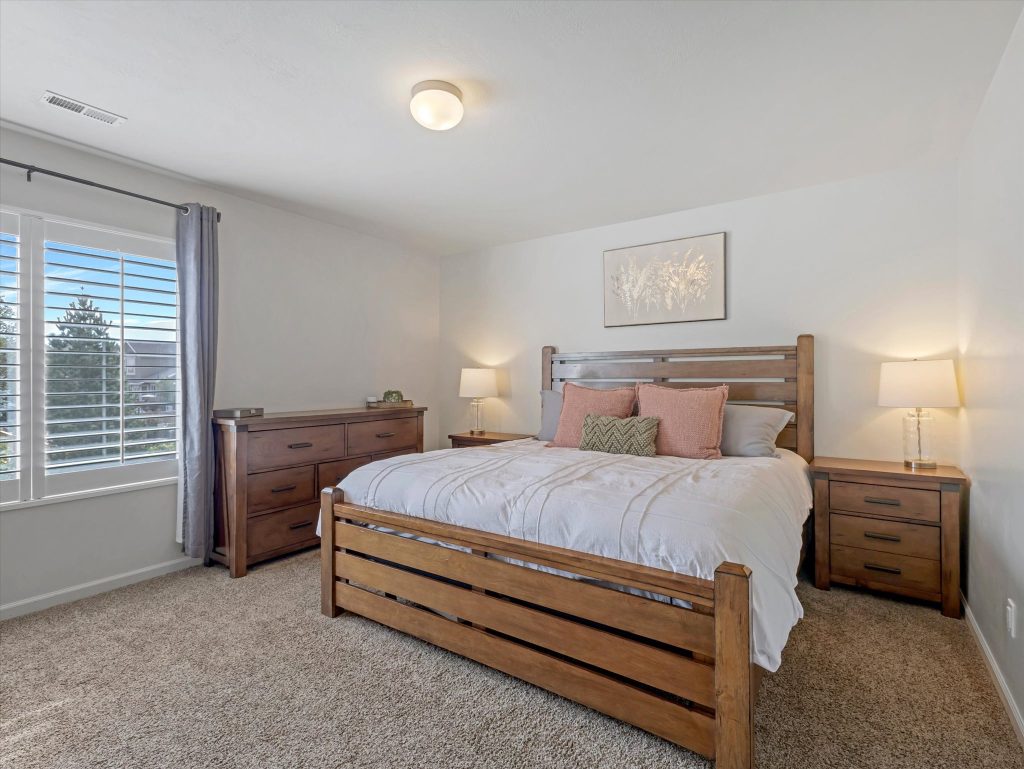
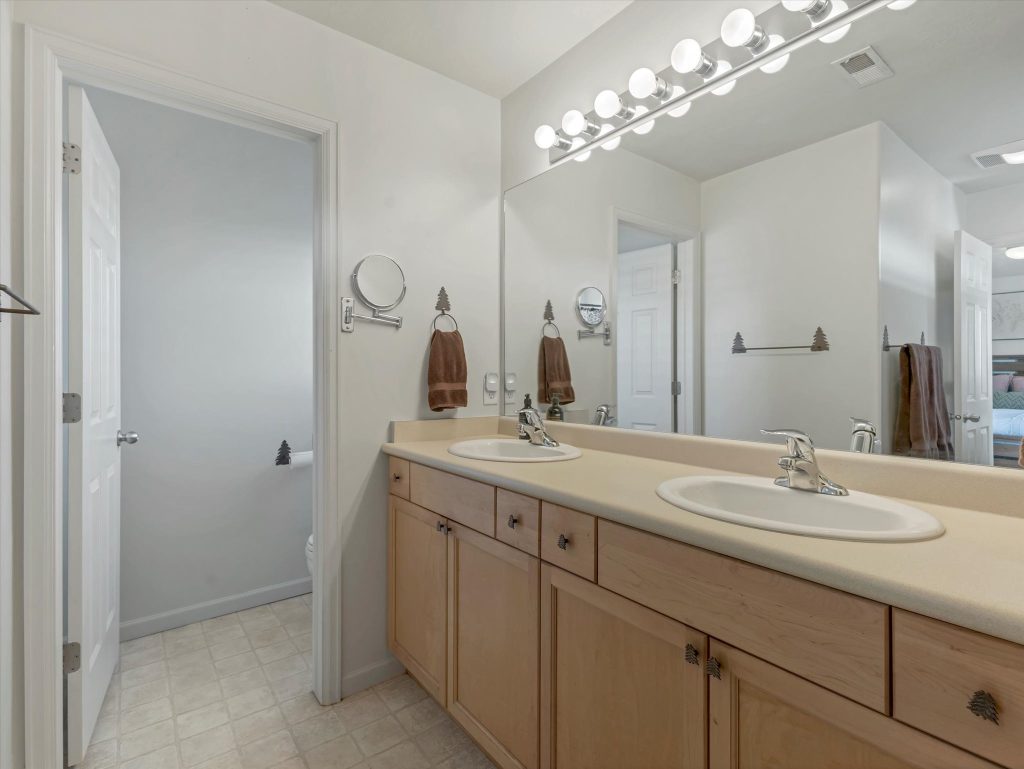
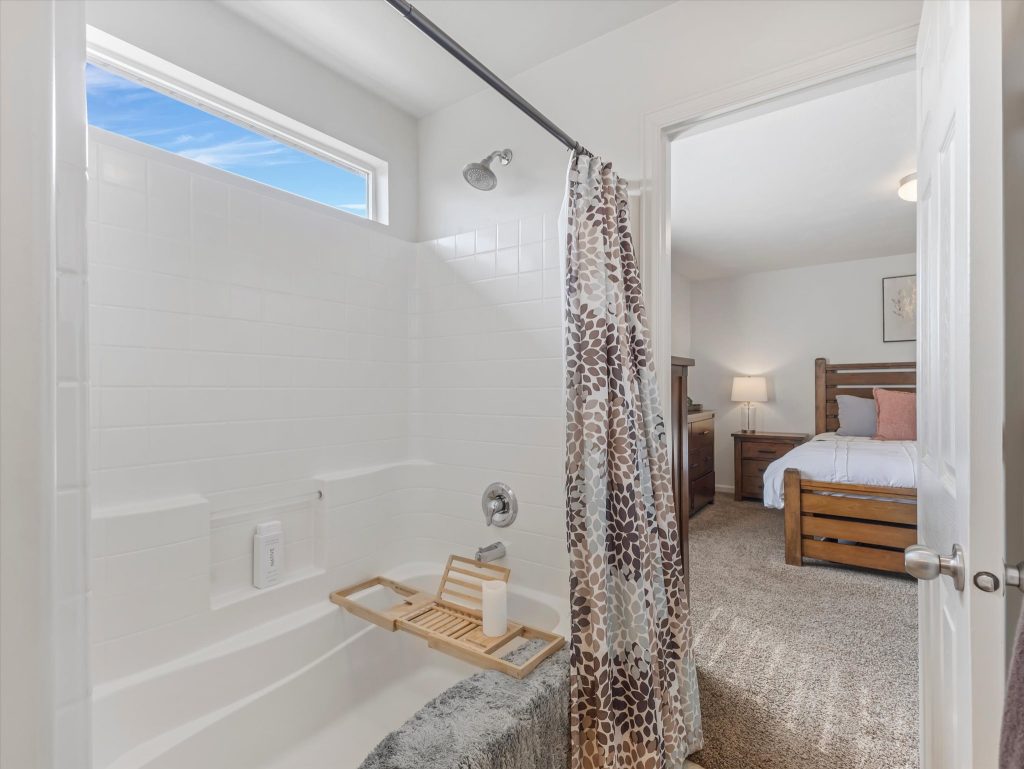
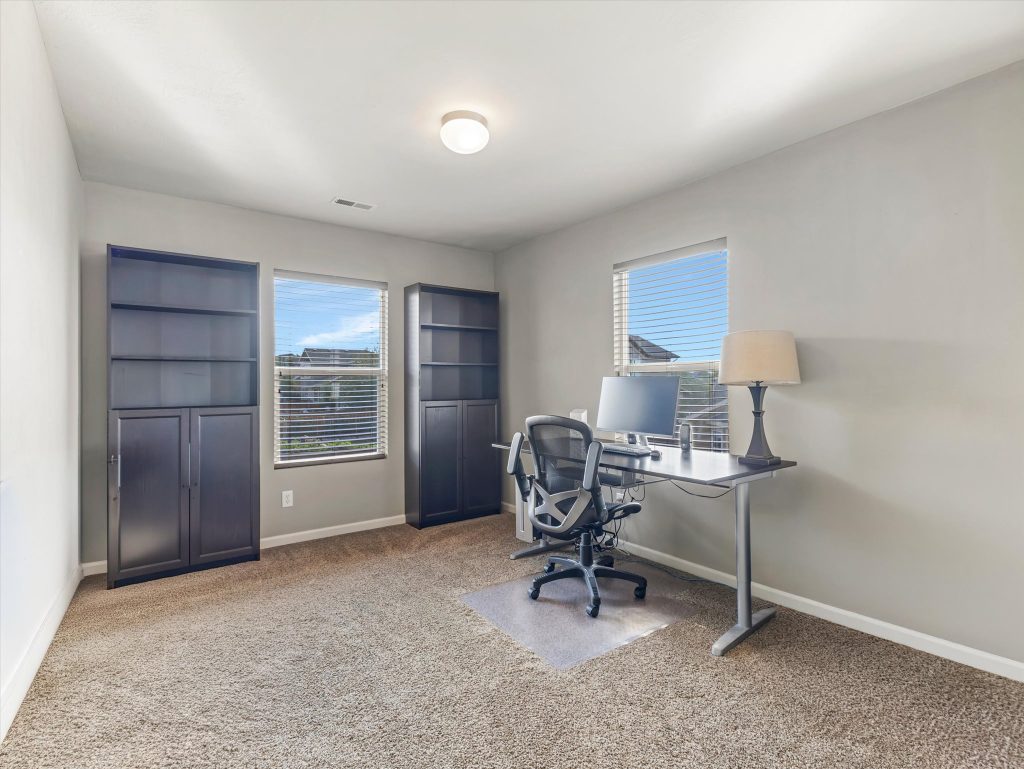
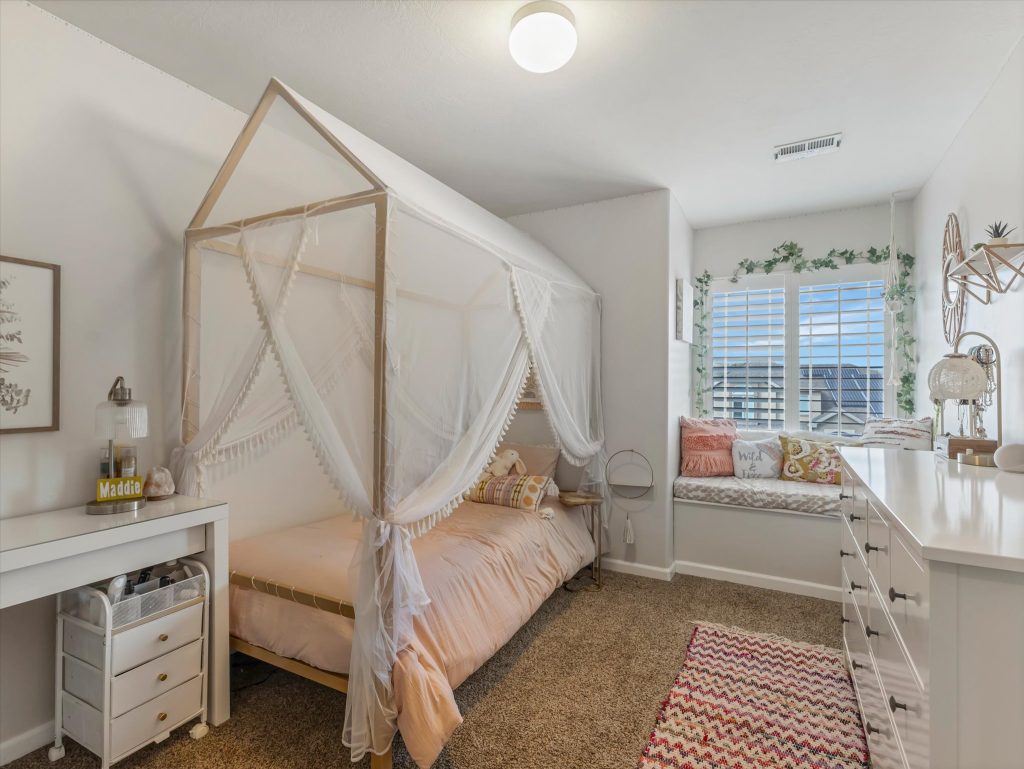
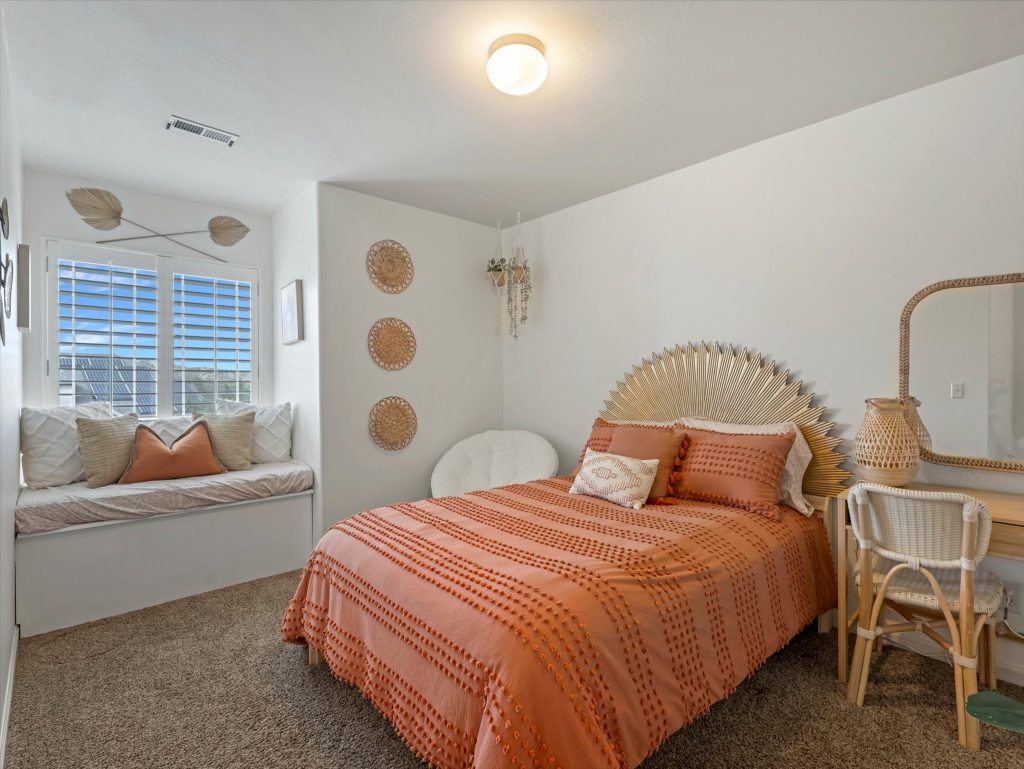
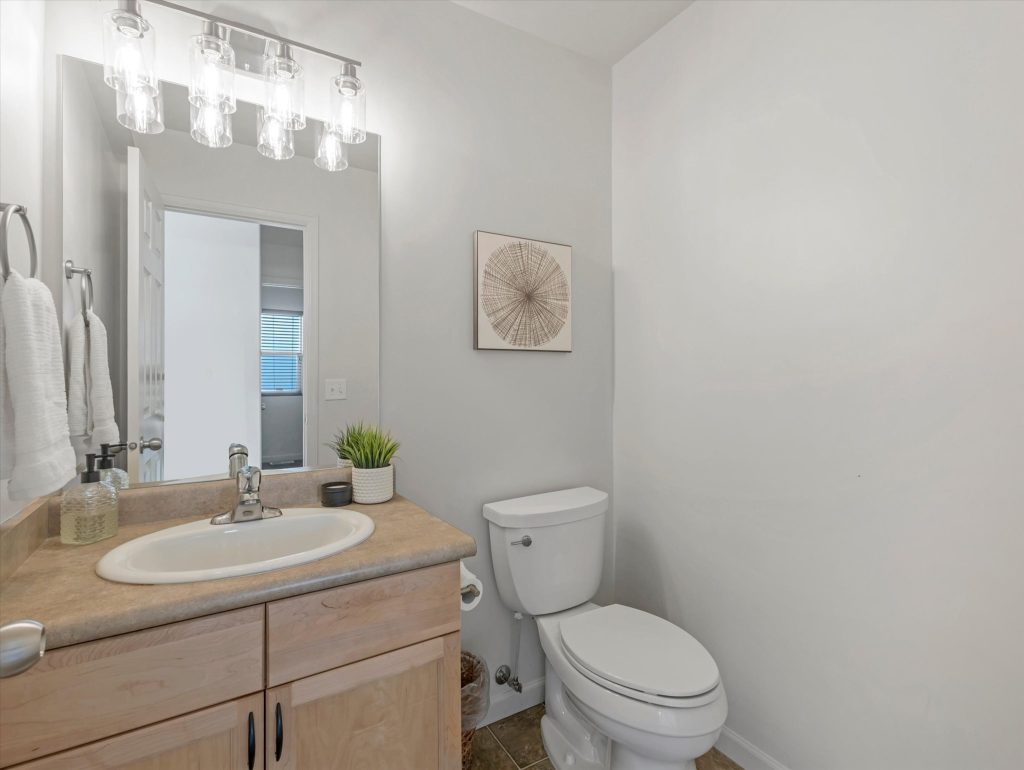
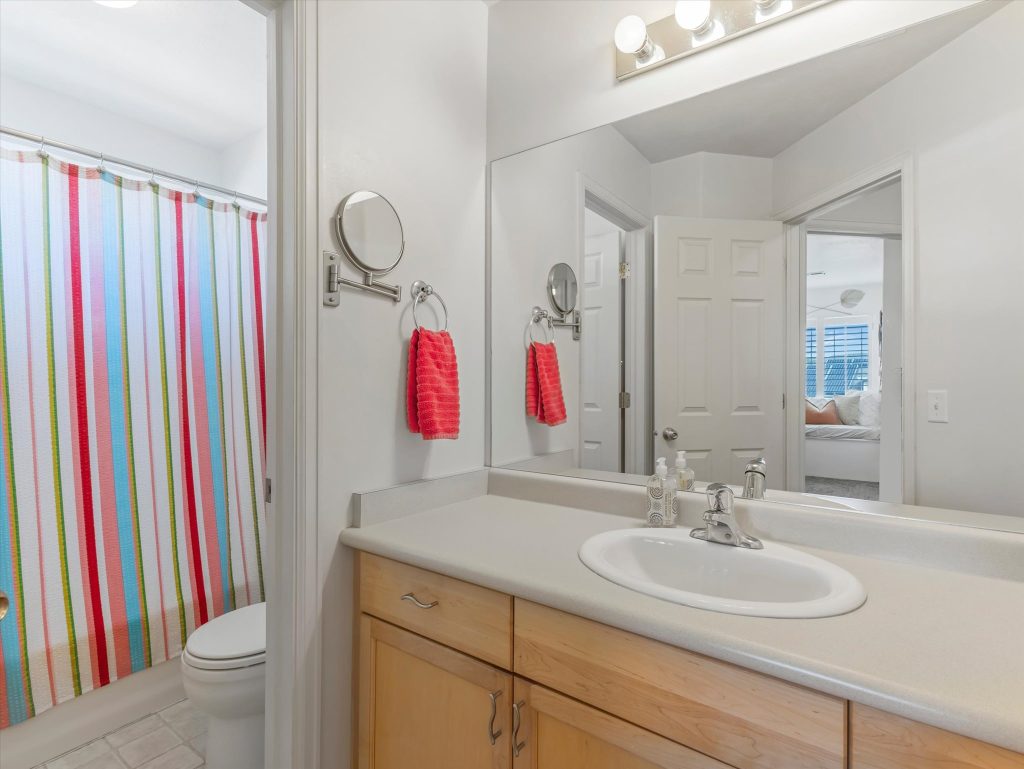
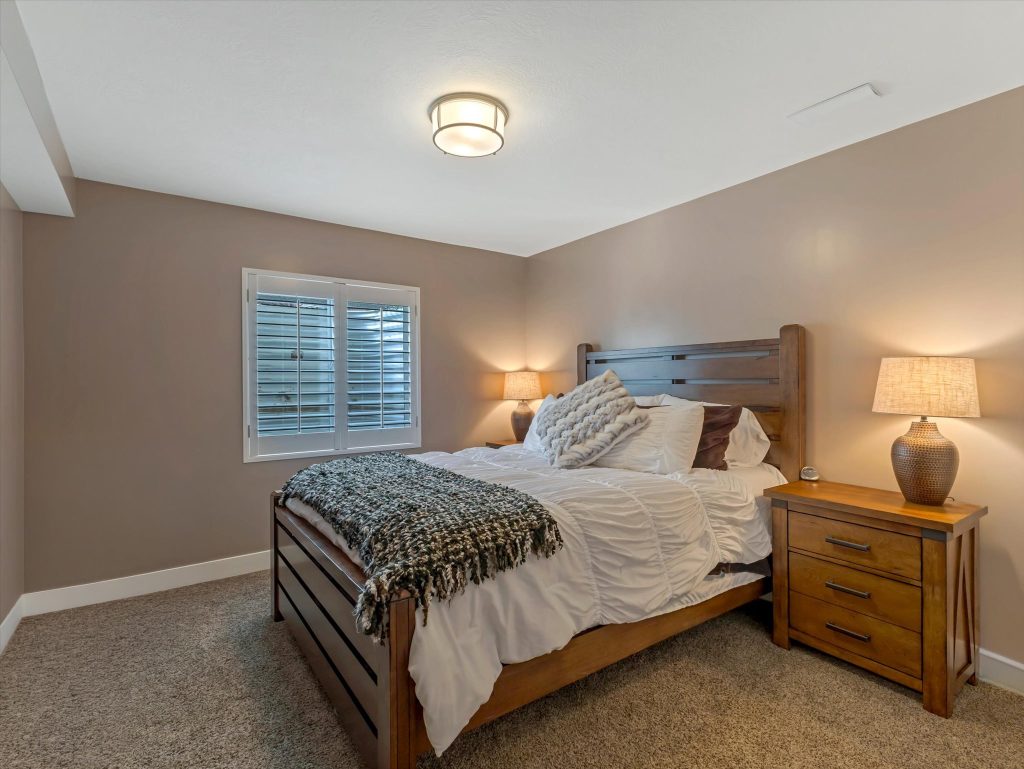
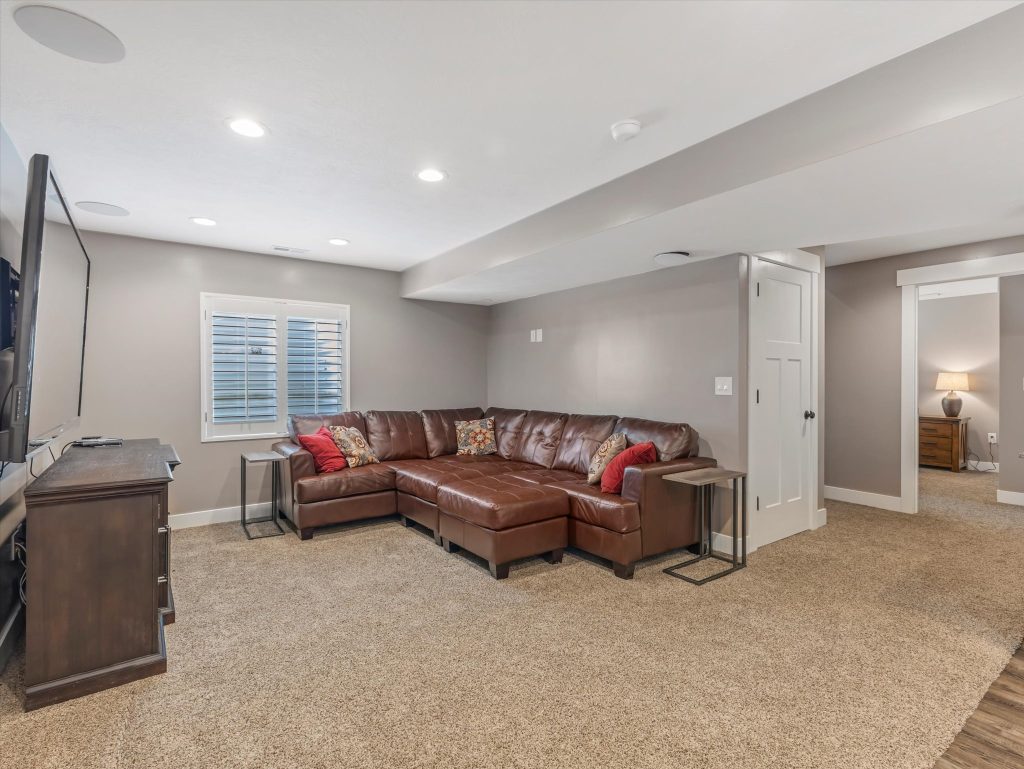
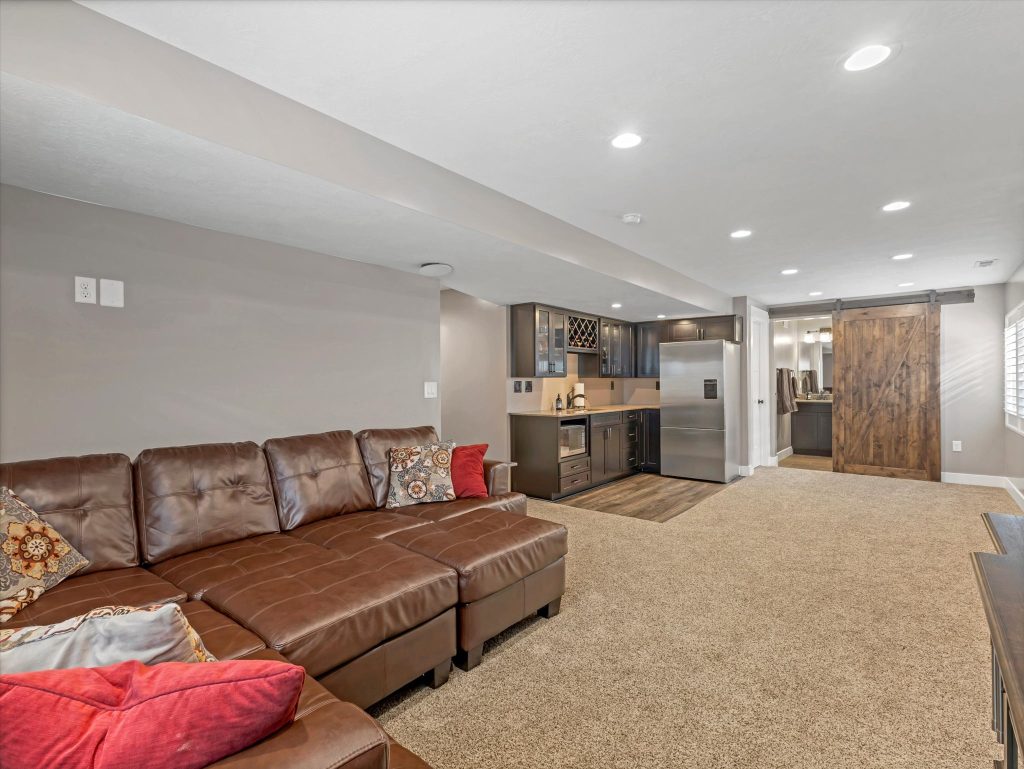
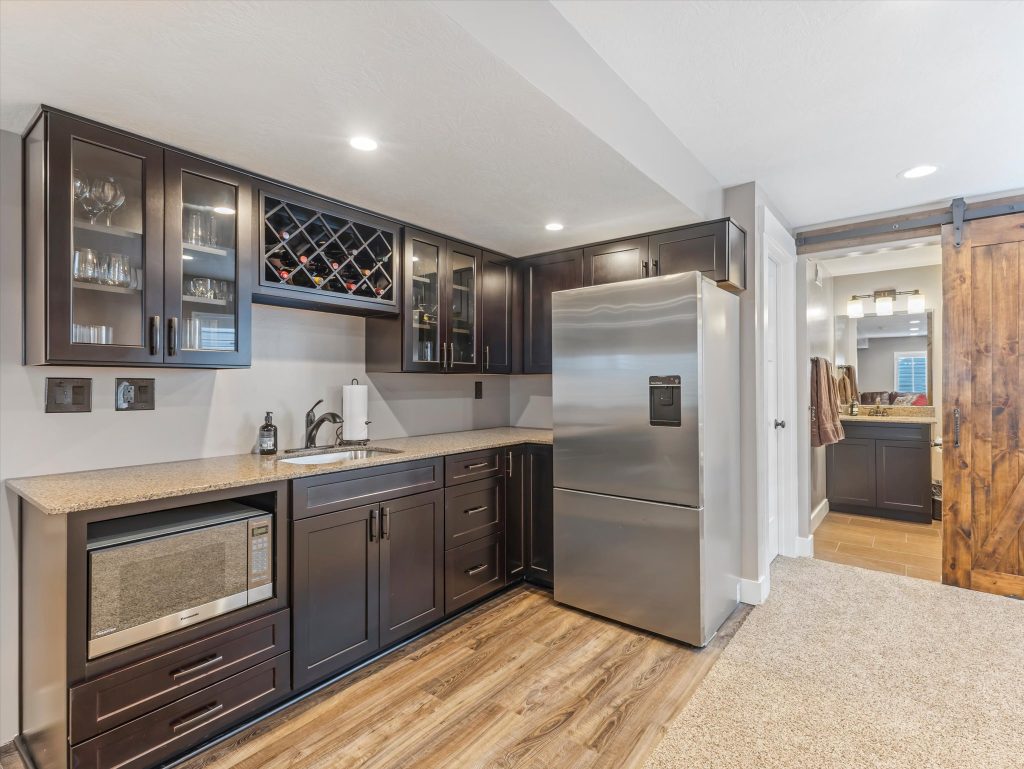
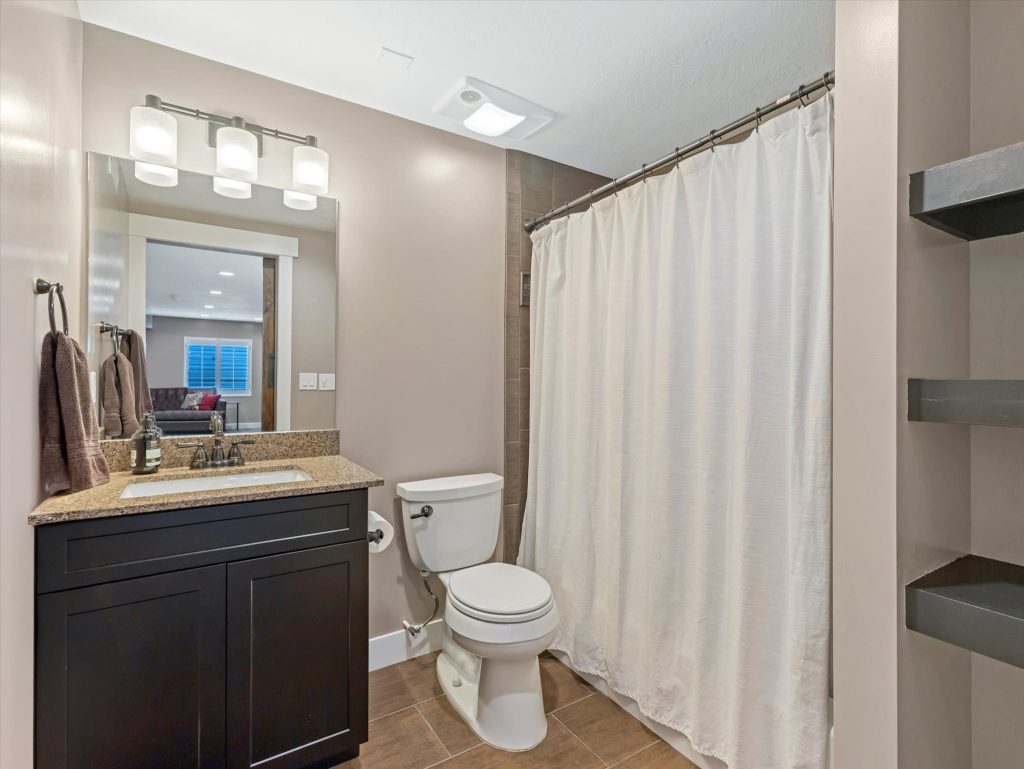
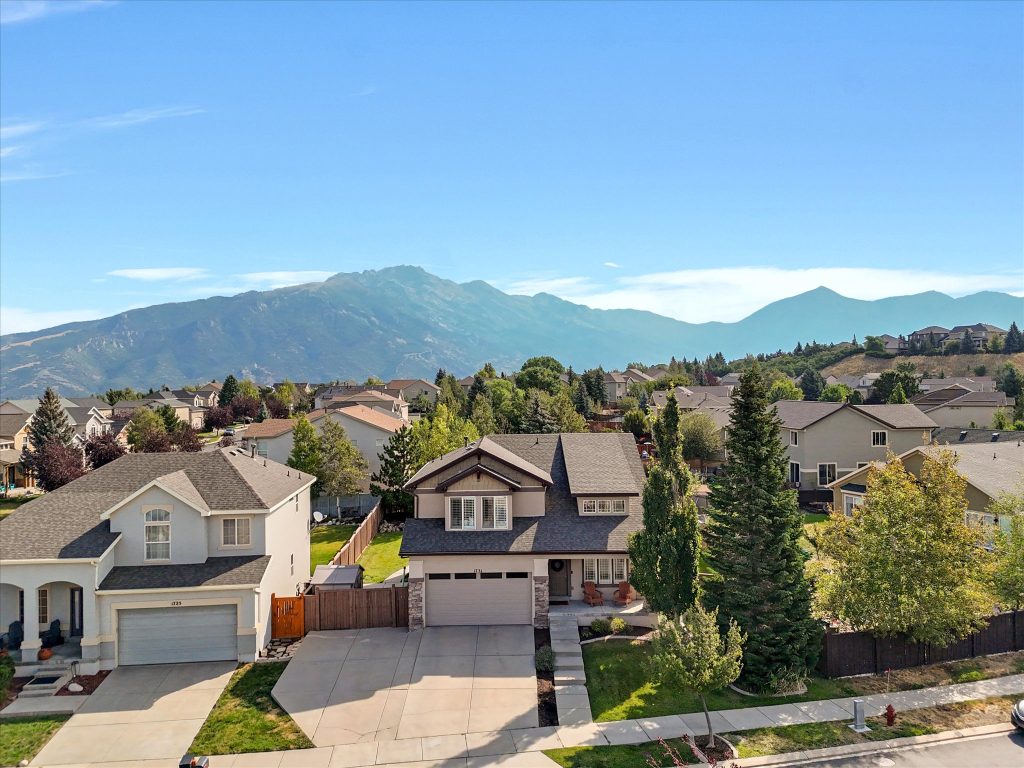
In The Heart of Oaks Vista
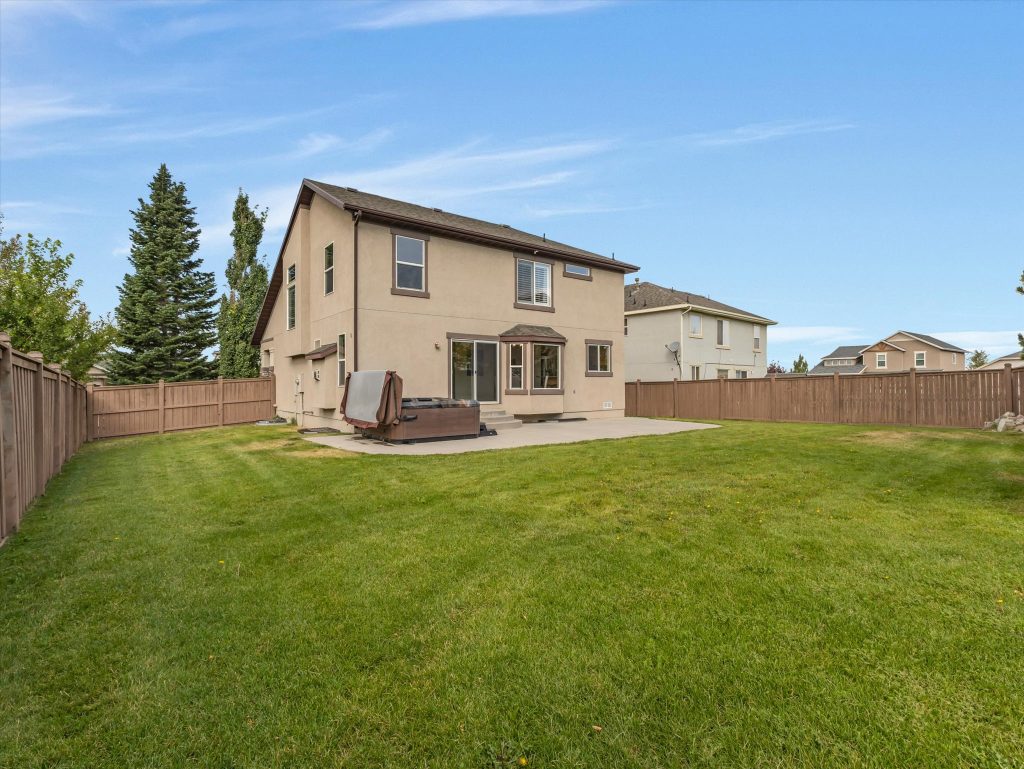
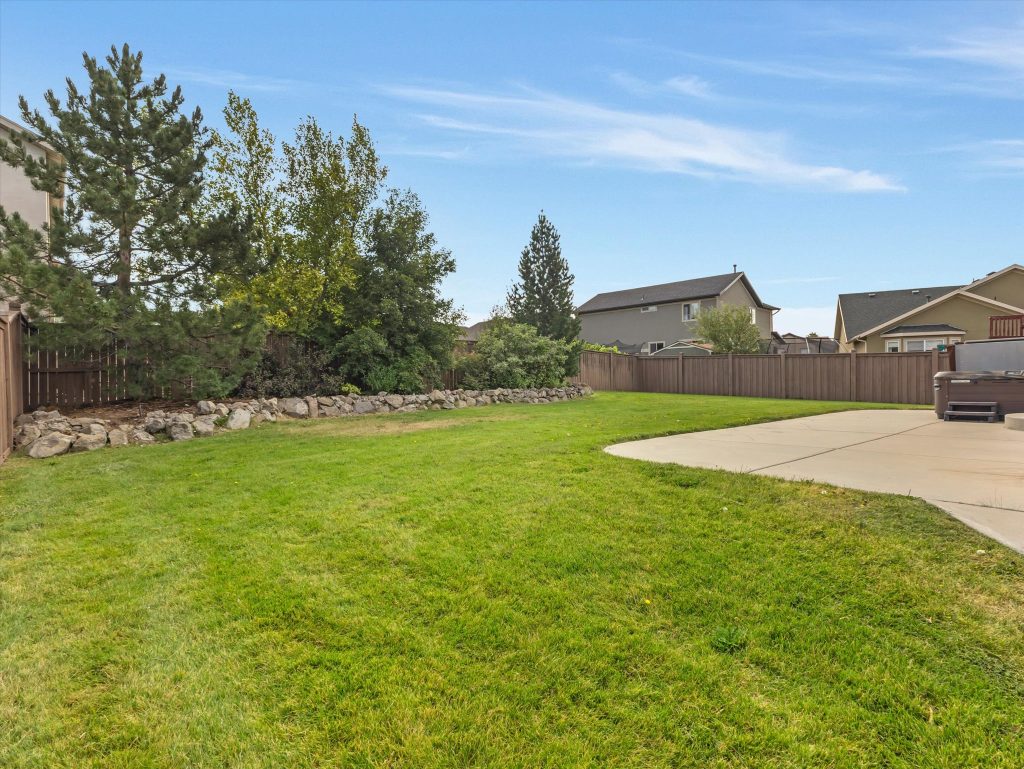
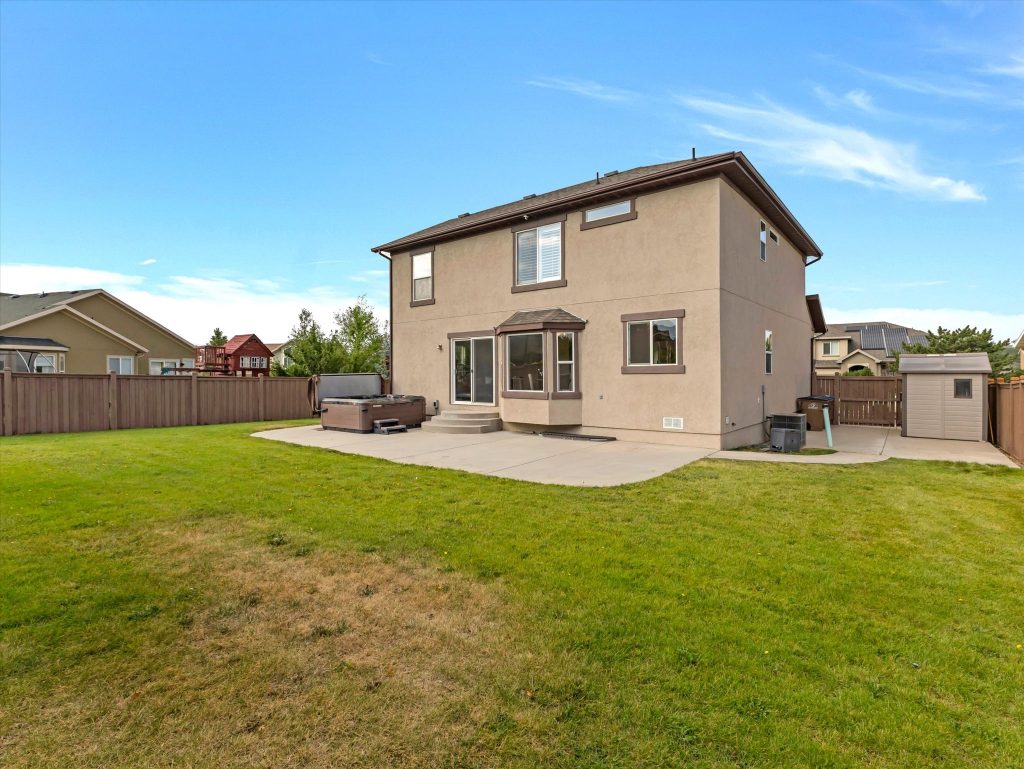
Then there's the backyard, and this is where the home really surprises you. Right off the kitchen and family room, so summer nights flow straight from indoors to out without a second thought. A flat, fully usable yard at this price point in SunCrest is hard to come by, and this one delivers. No terracing, no awkward slopes to work around. Just open, level grass for cornhole, a firepit circle, or a Saturday afternoon that turns into a Saturday evening without anyone checking the clock.
What you're really inheriting here is a location that most listings can only claim on paper: parks in three directions, the clubhouse around the corner, and a yard flat enough to actually use. That's not something you renovate your way into. It's already here, waiting. Some houses sit on the edge of the neighborhood. This one sits at the heart of it. That's exactly why everyone ends up here.
Ready for your personal tour?
Feel free to reach out to us with any questions you have or to set up a time for your personal tour of this beautiful home.
Scott Steadman
Robyn Foulger
SunCrest Lifestyle Presents
15228 Eagle Chase Dr
Welcome Home
Welcome to 15228 Eagle Chase Dr
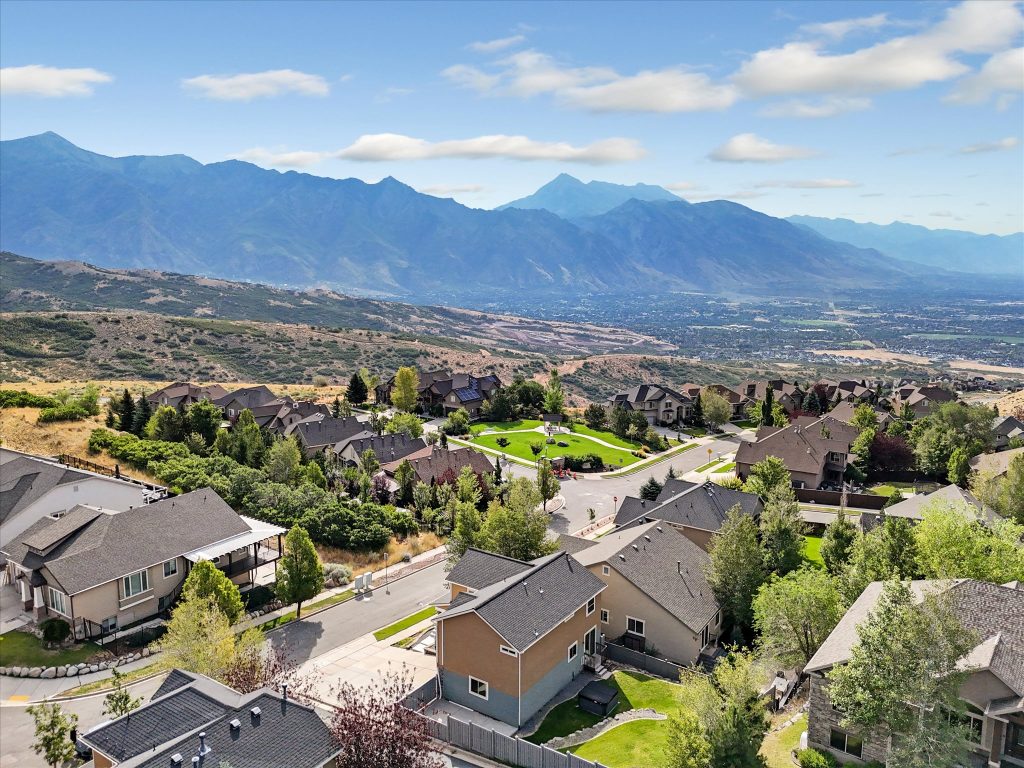
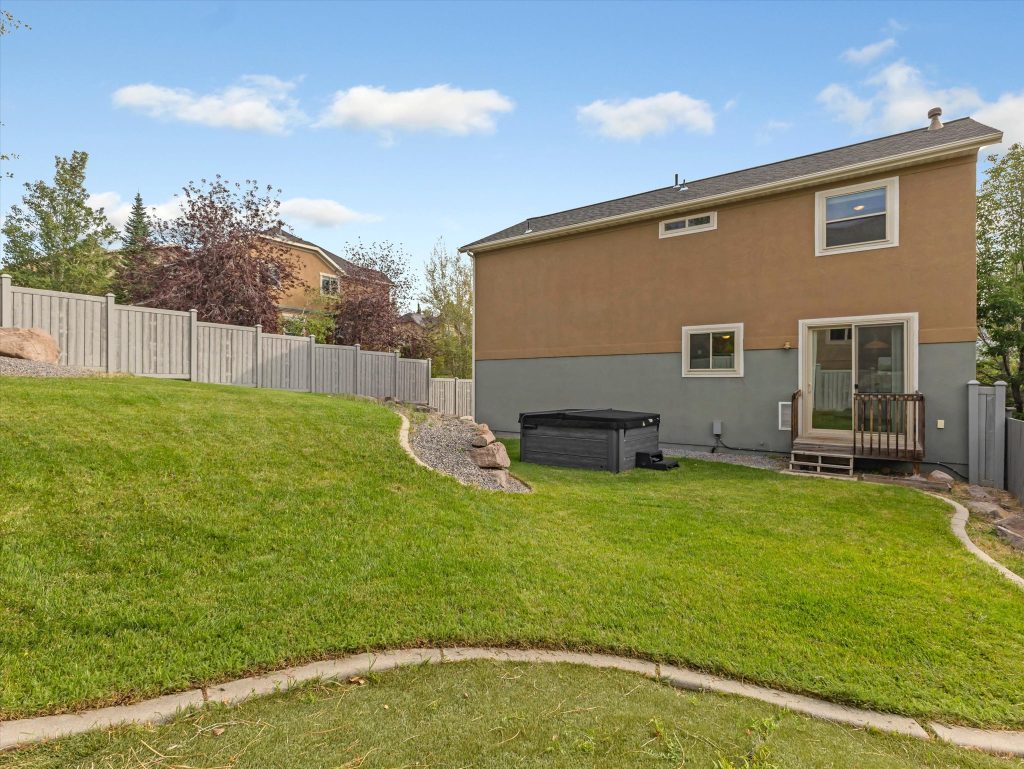
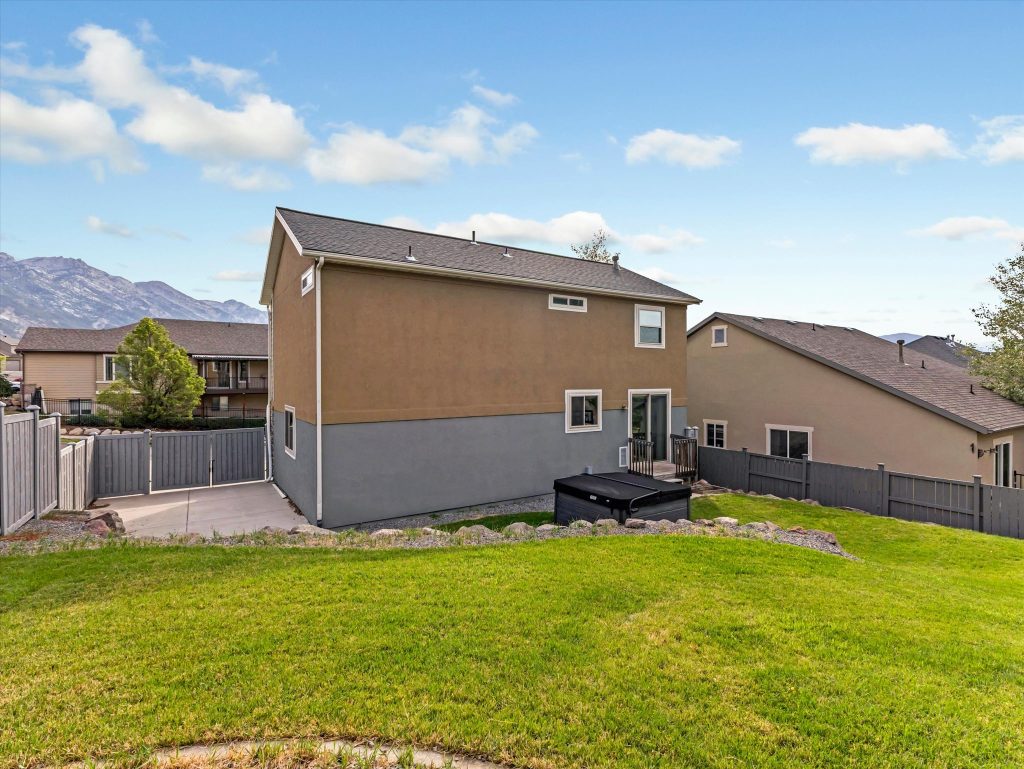
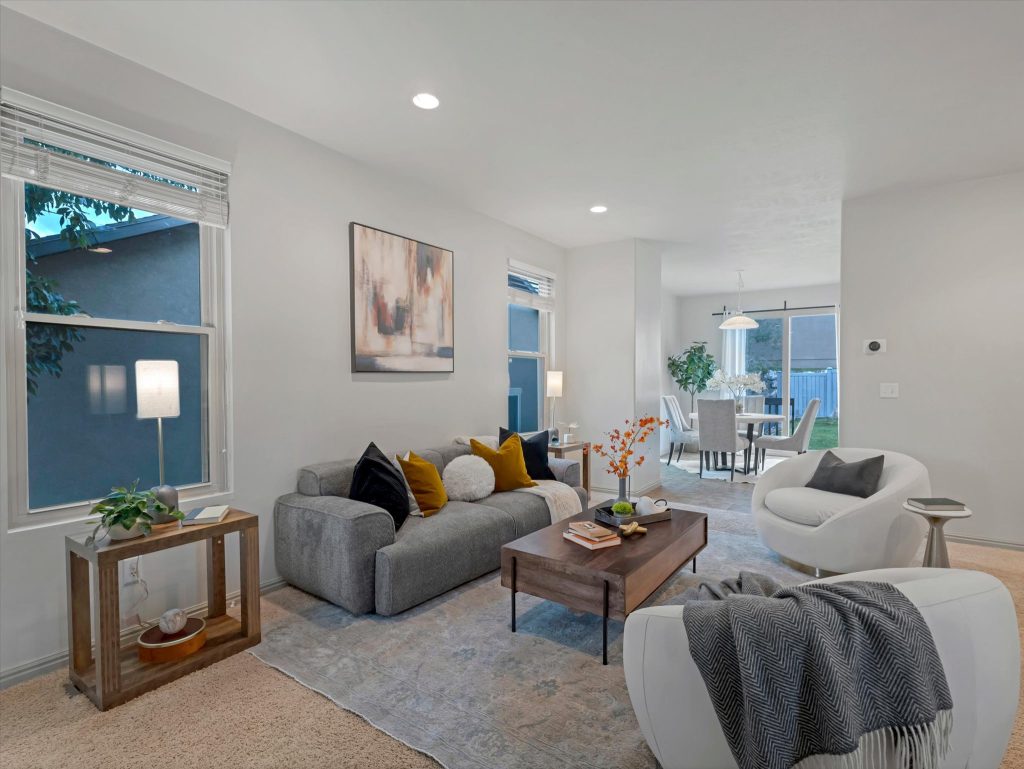
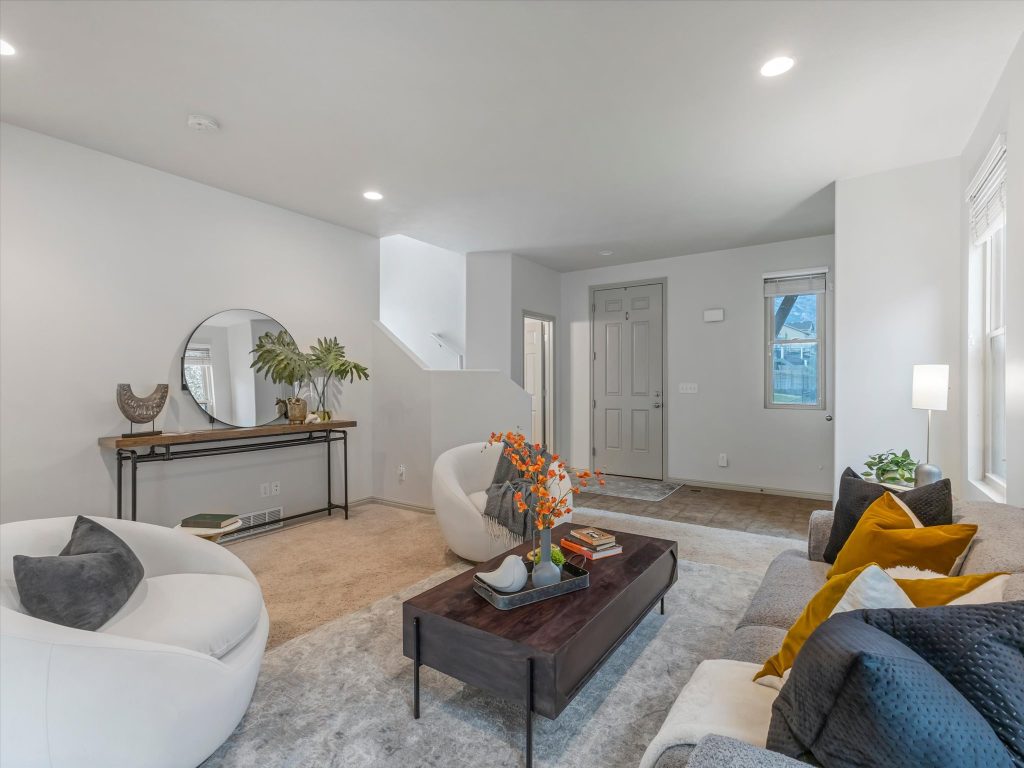
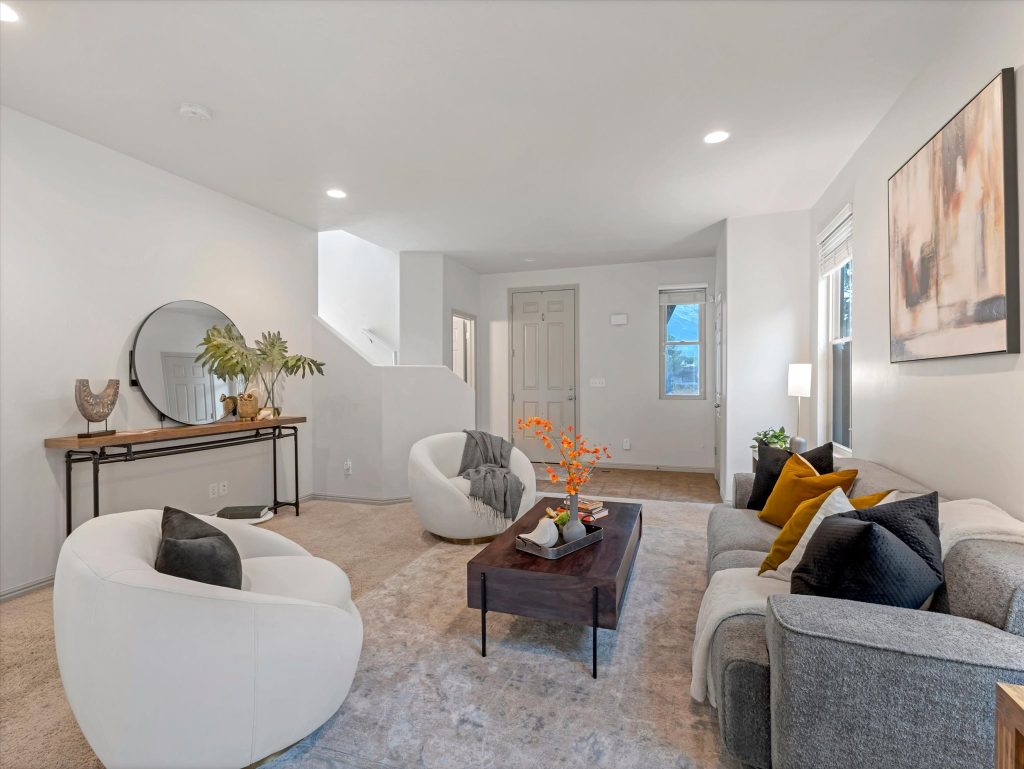
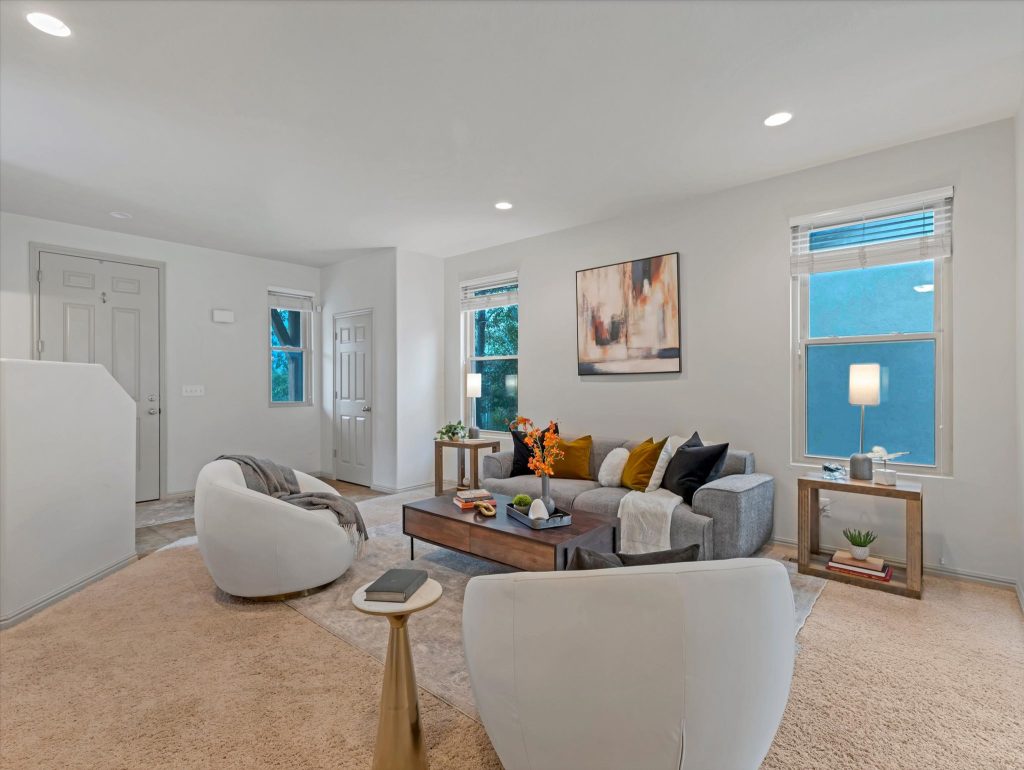
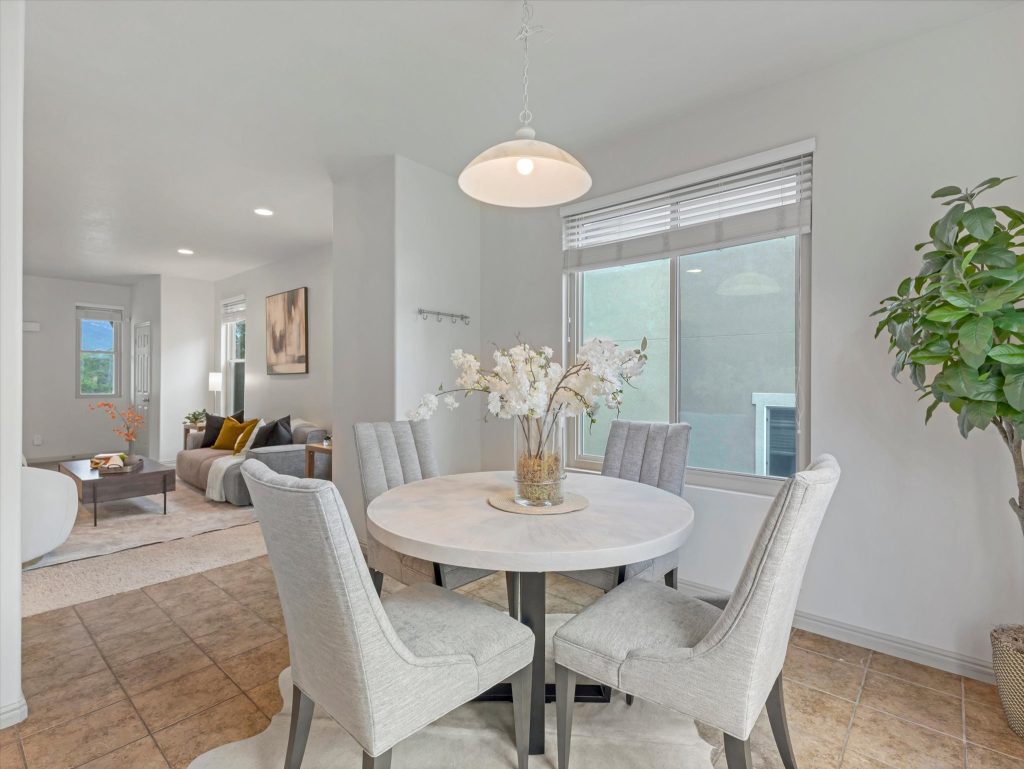
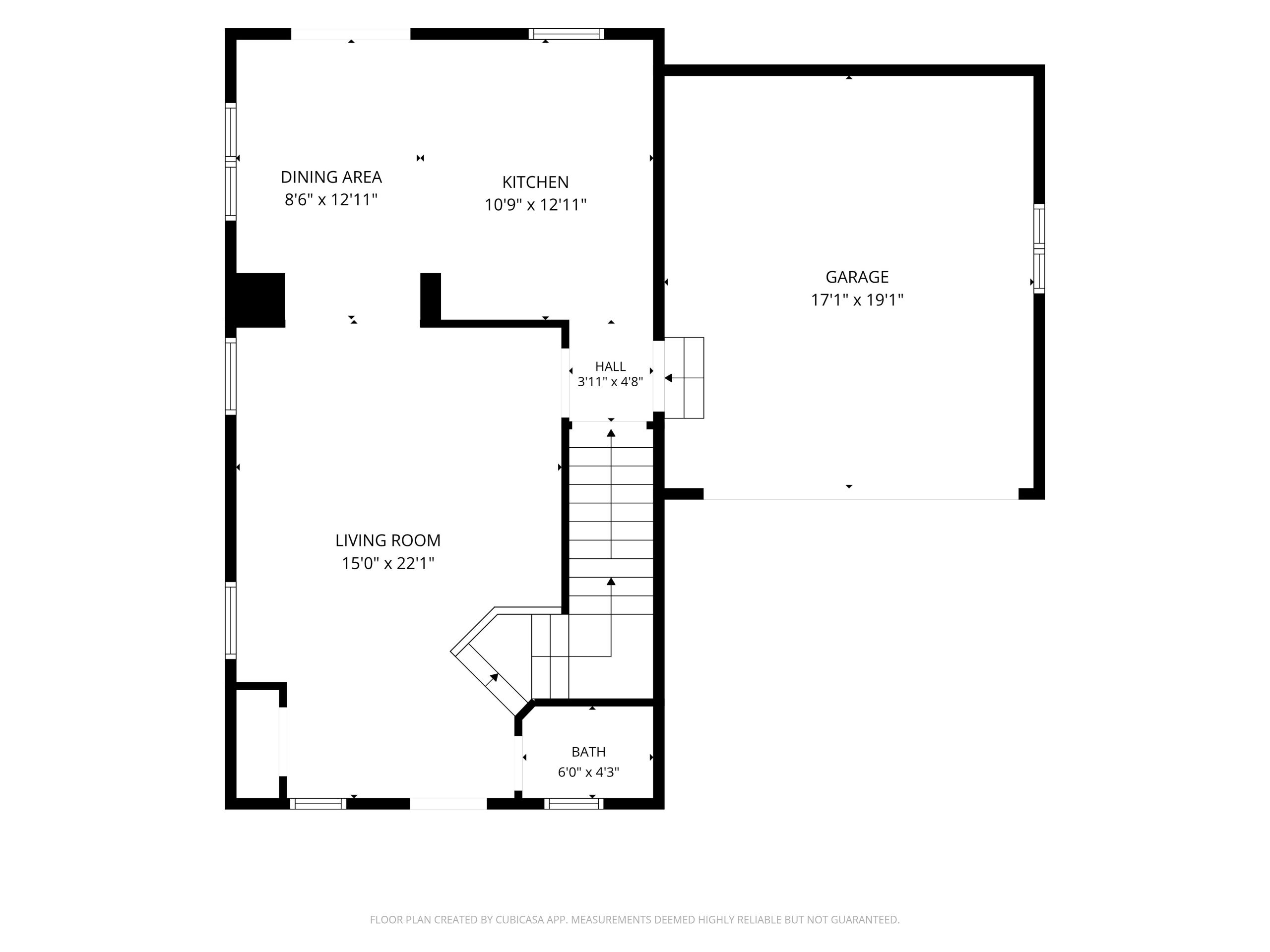
Not all square feet are created equal. A warehouse has plenty of them, and you still wouldn't want to live there. This SunCrest home earns its footage the hard way, with a floor plan that puts every inch to work. Up here, above the inversion, trails start at the curb, the clubhouse and pool are minutes away, and Mt. Timpanogos anchors the view from more than one window.
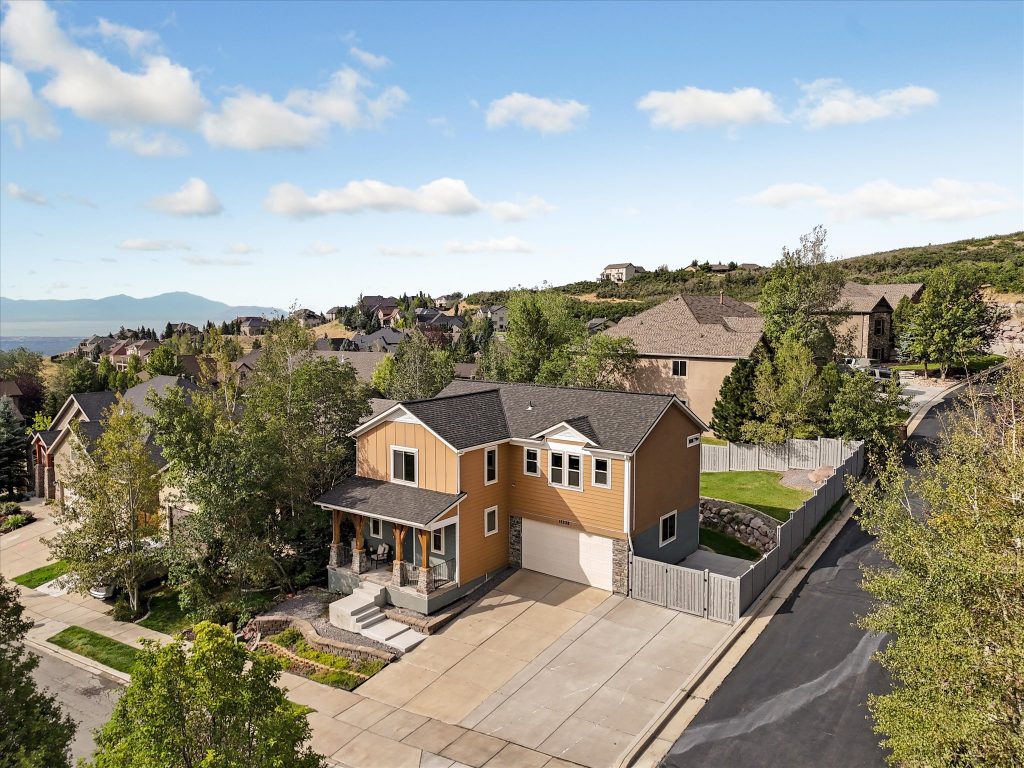
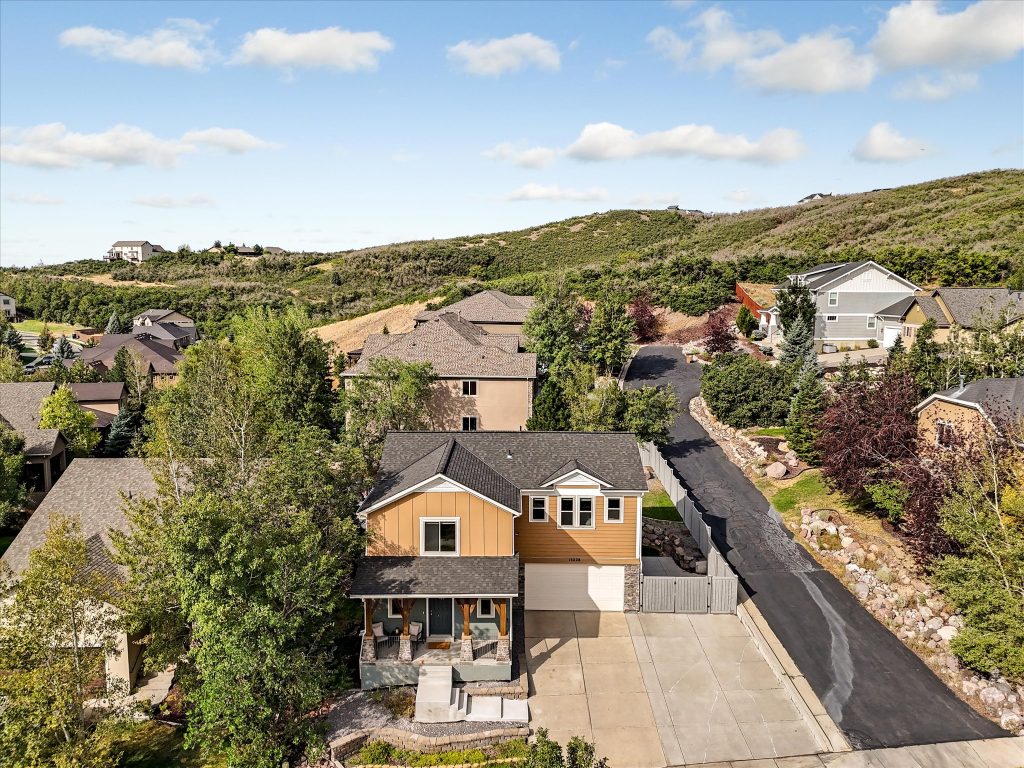
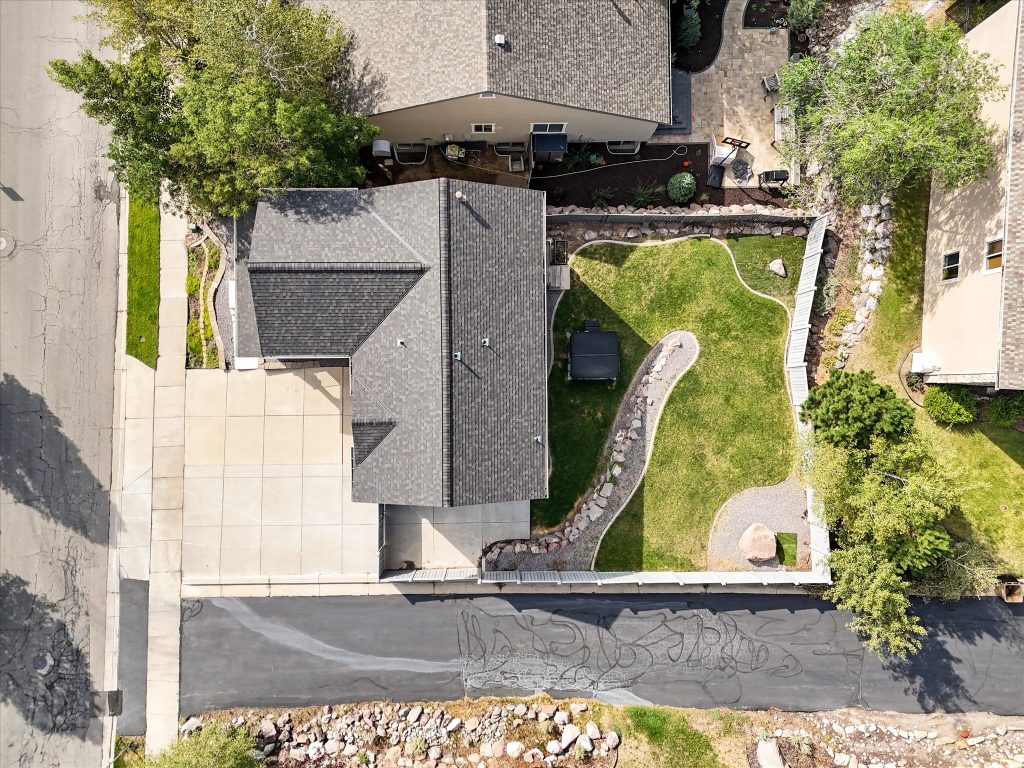
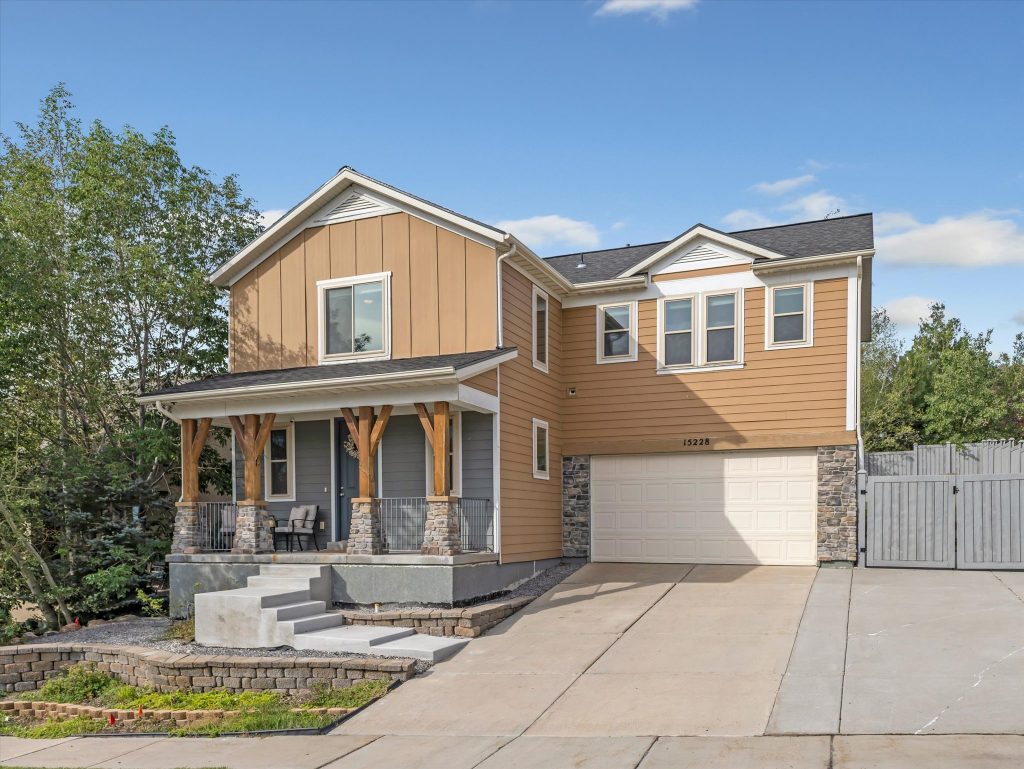
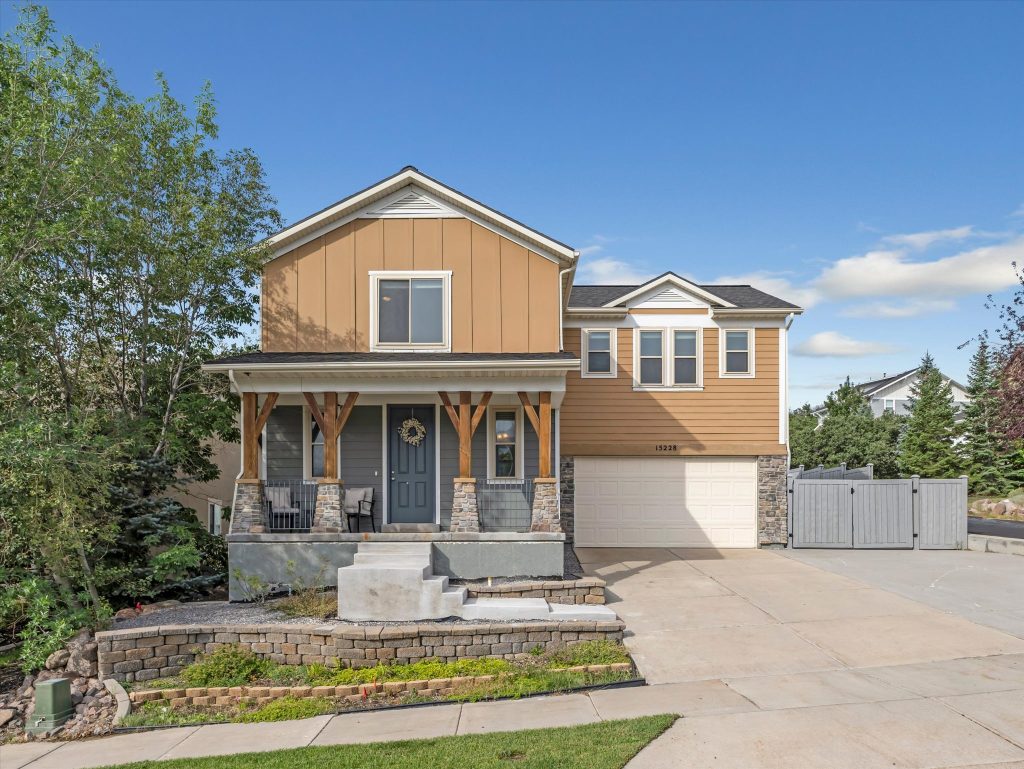
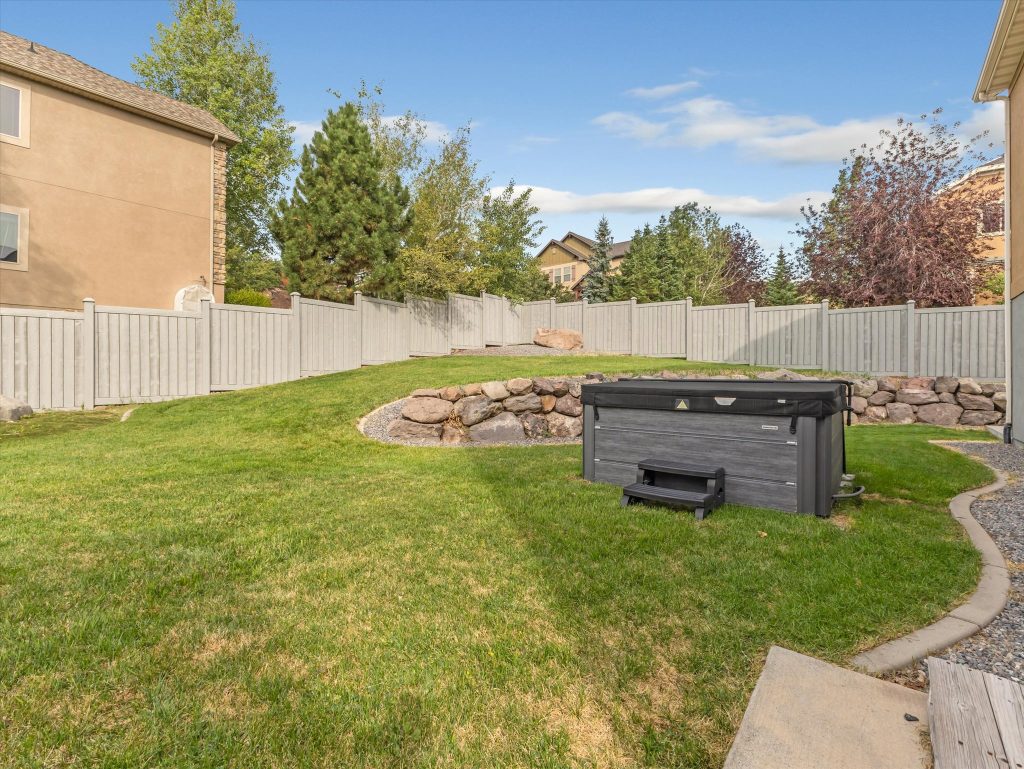
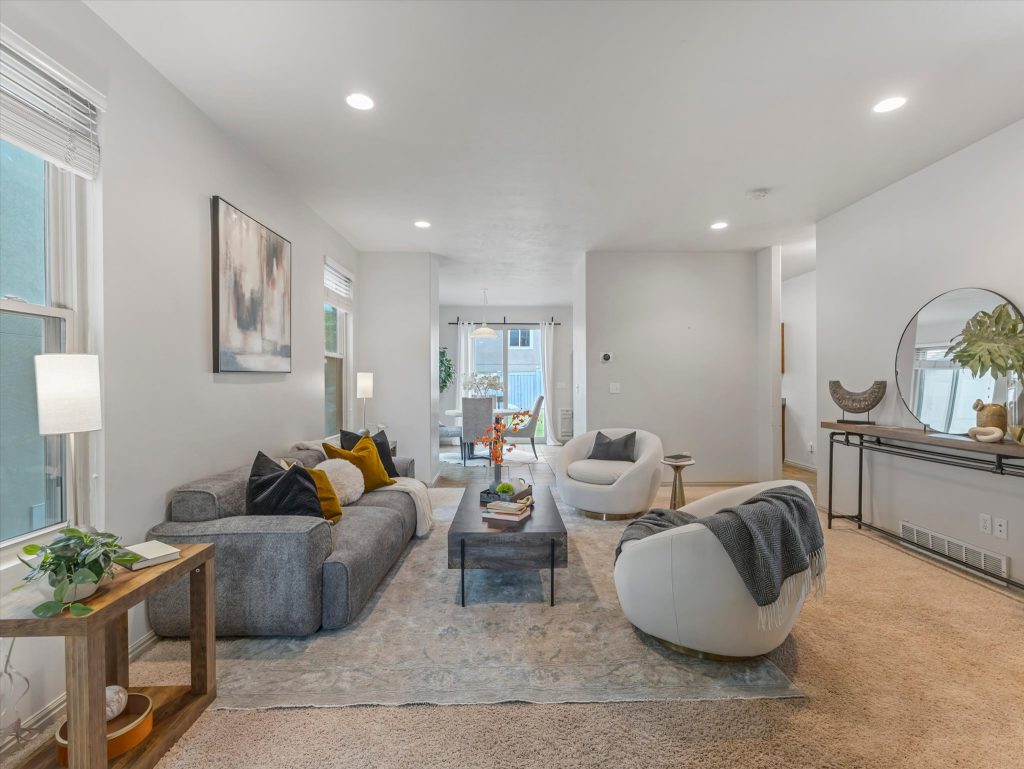
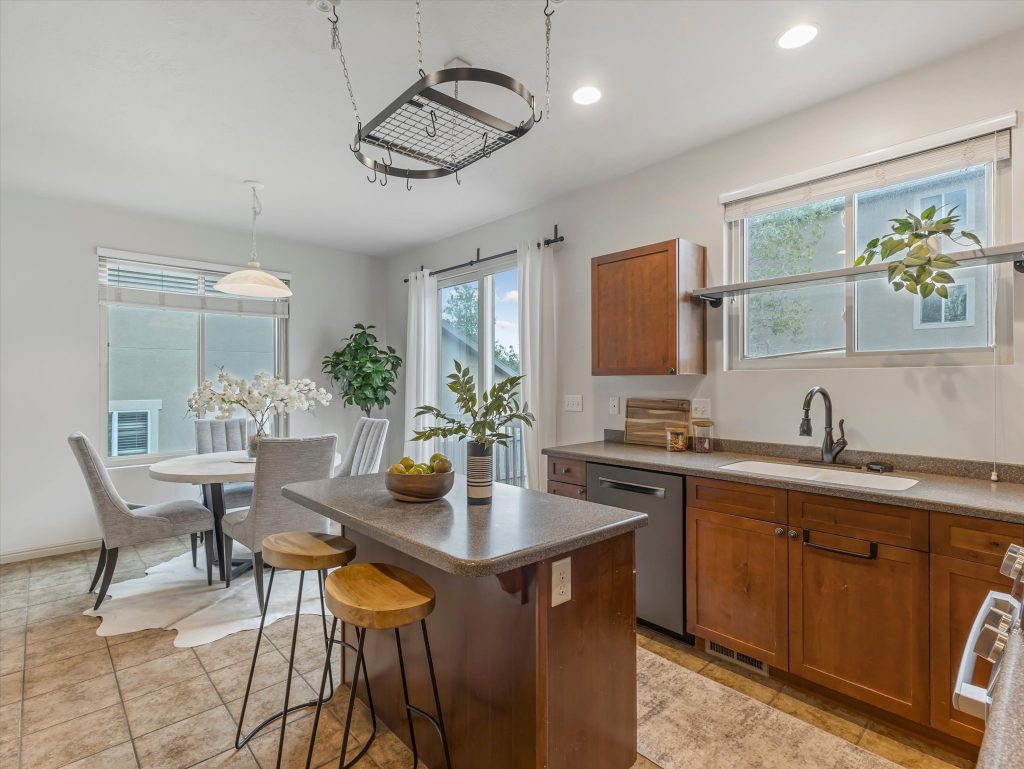
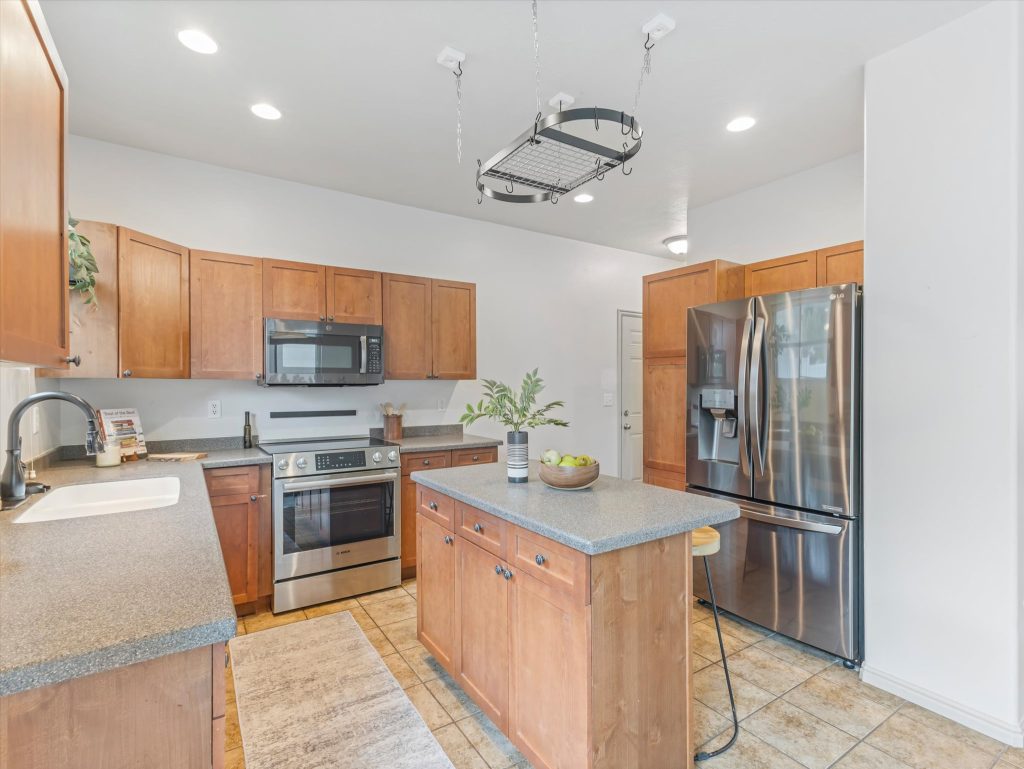
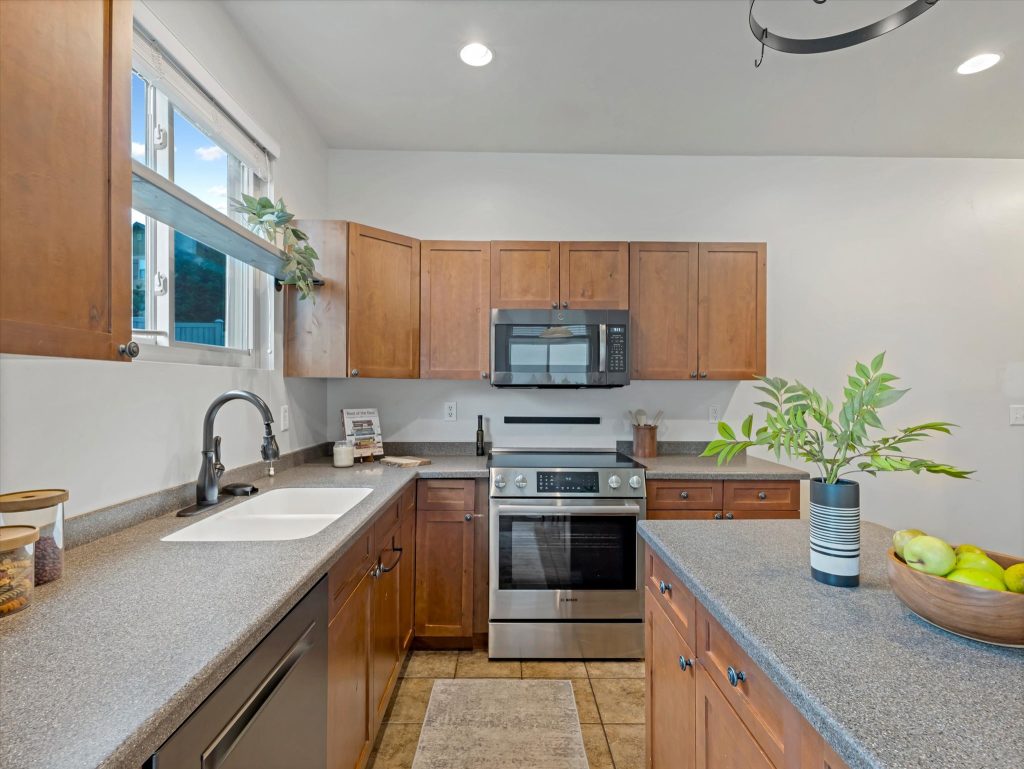
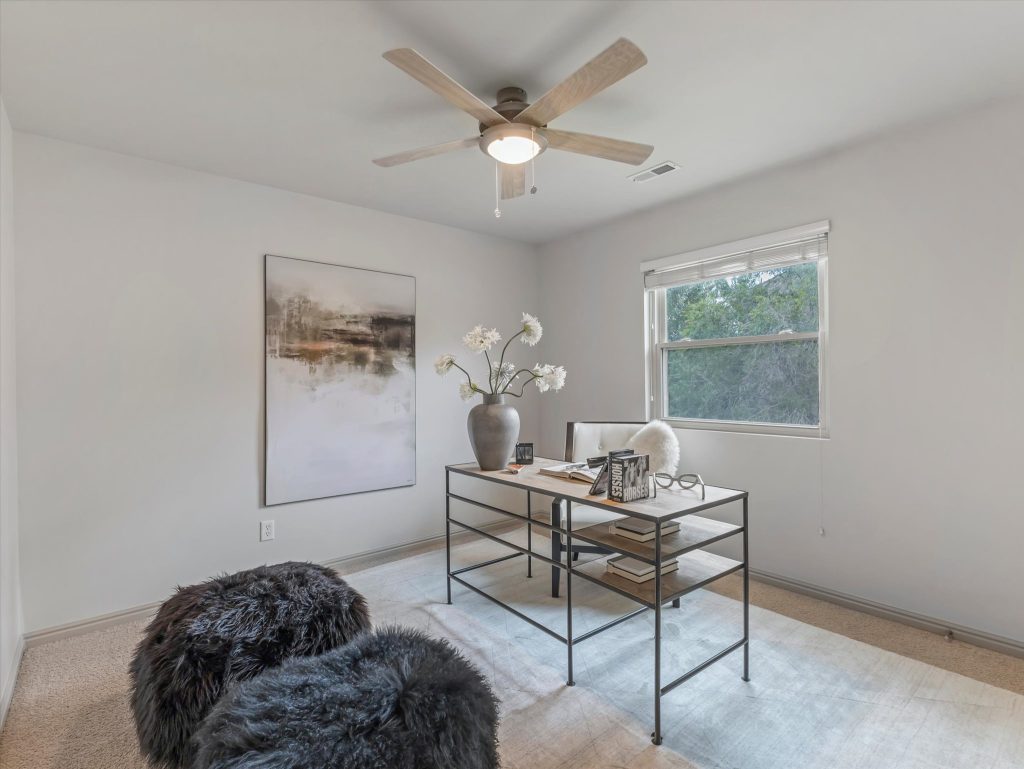
Pull into the driveway and you'll notice the first thing this home gets right: room, for the cars, the trailer, or the guest who needs somewhere to park. Inside, high ceilings and big windows keep the kitchen bright most of the day, and a sliding glass door off the back leads straight out to a fully fenced yard. The island is built for the kind of gathering where everyone ends up in the kitchen anyway, and a separate dining area gives you somewhere to sit down for dinner. The family room opens wide from there, the kind of space that doesn't make you choose between cooking and conversation.
Mountain Living
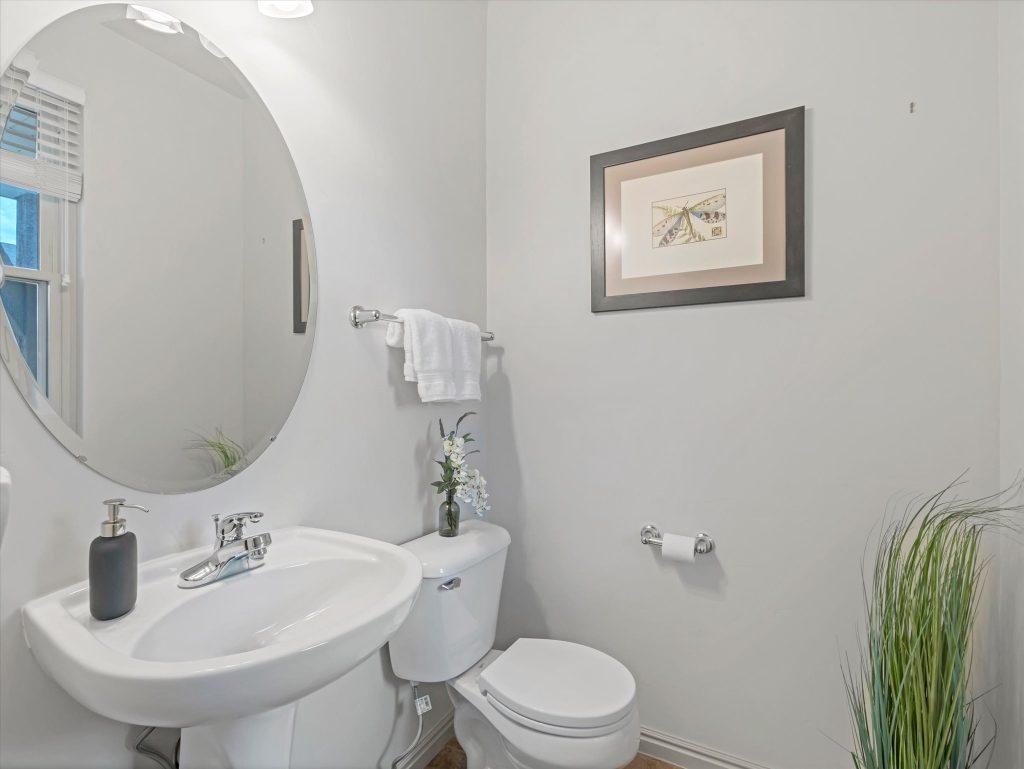
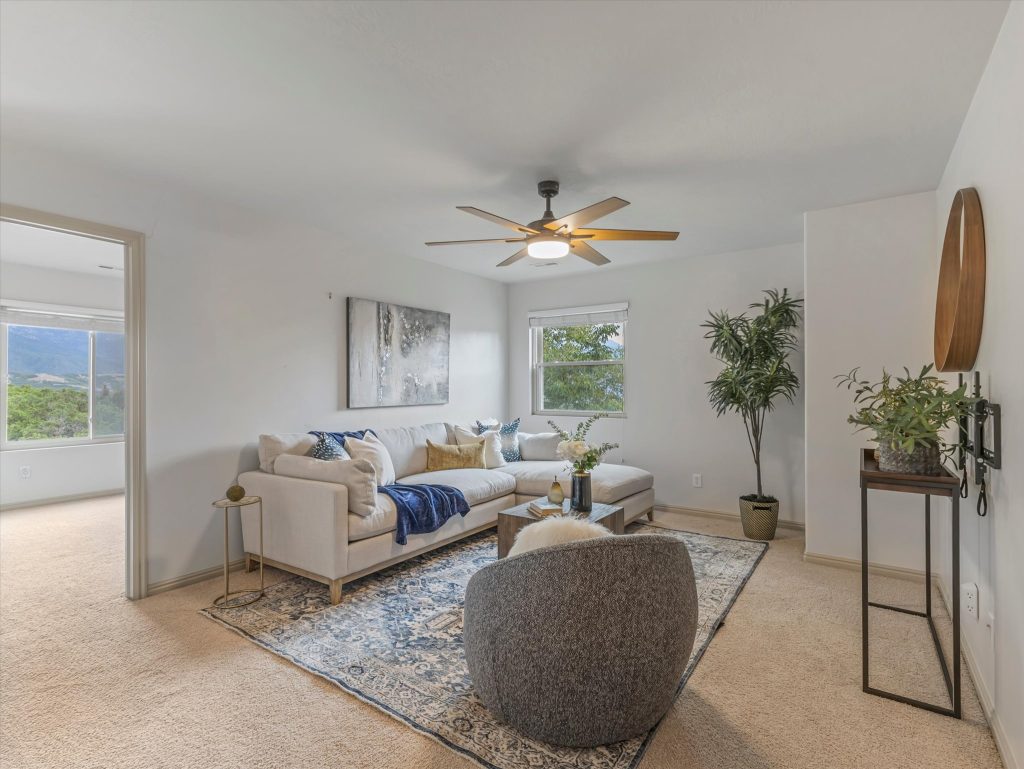
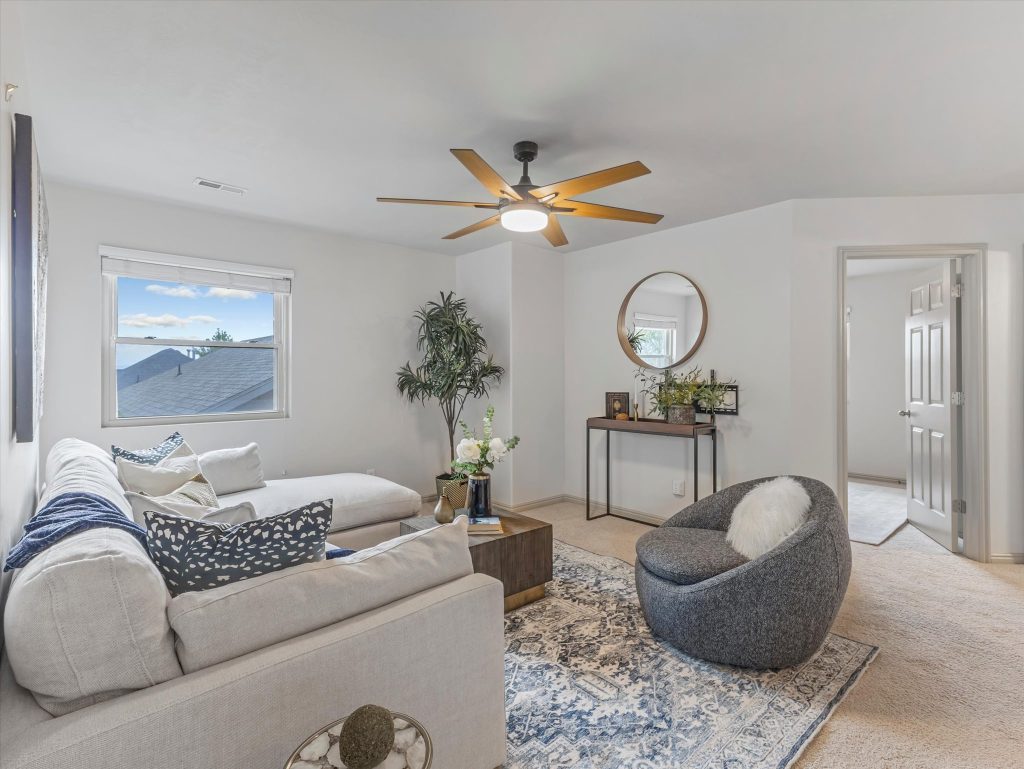
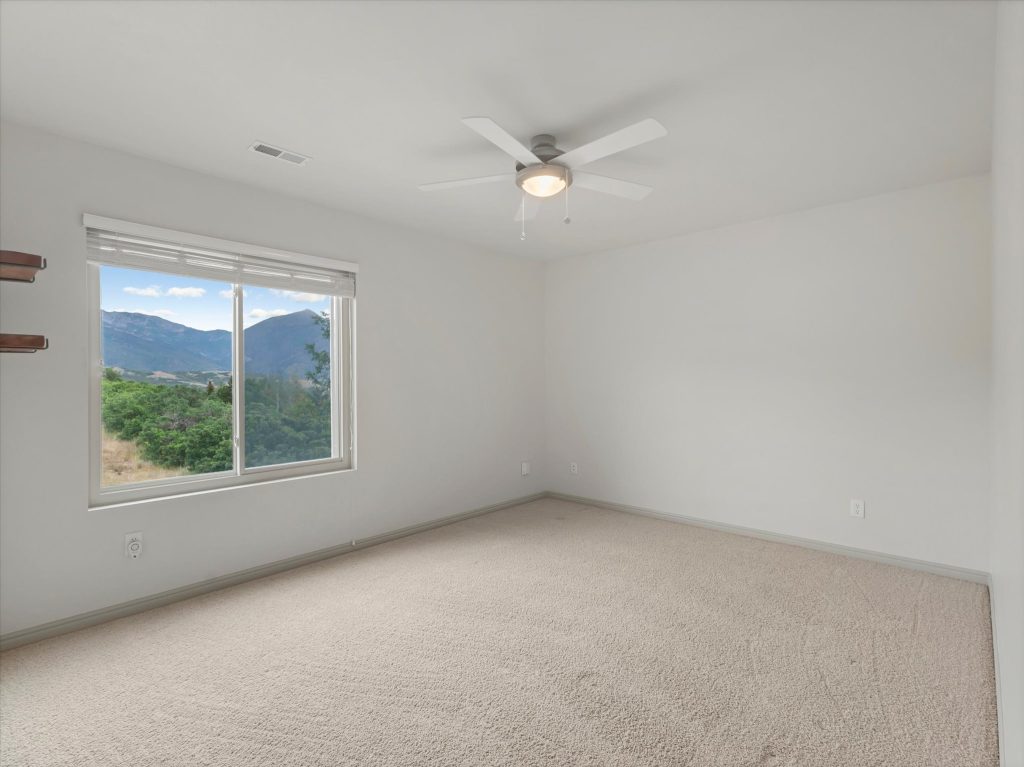
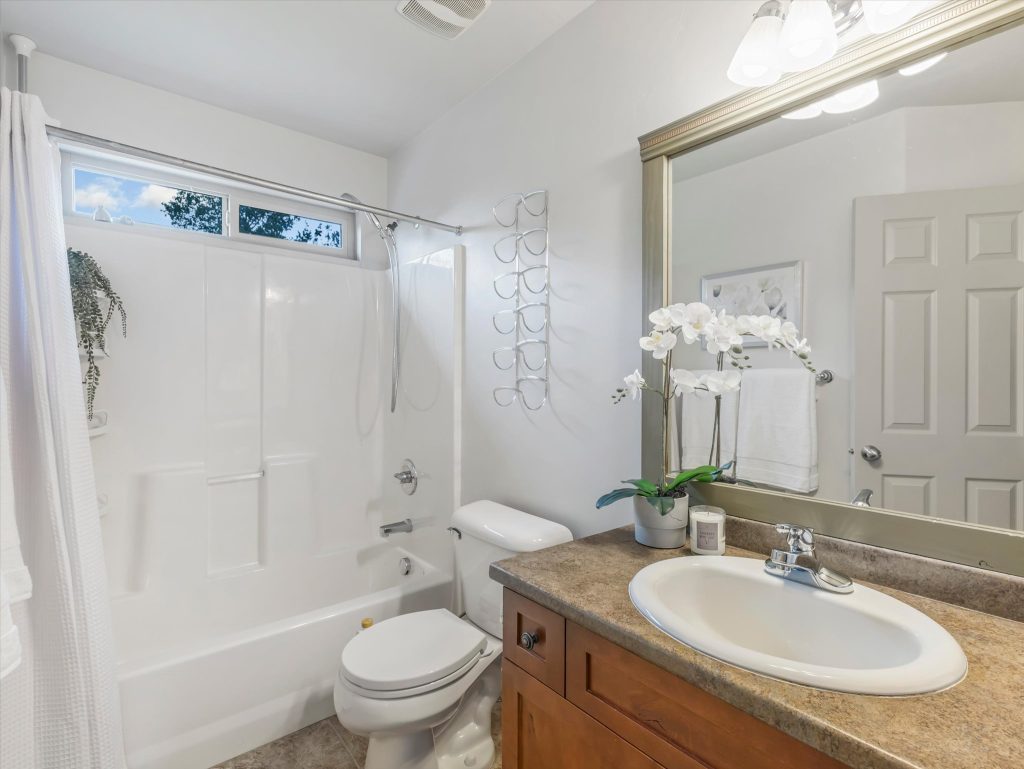
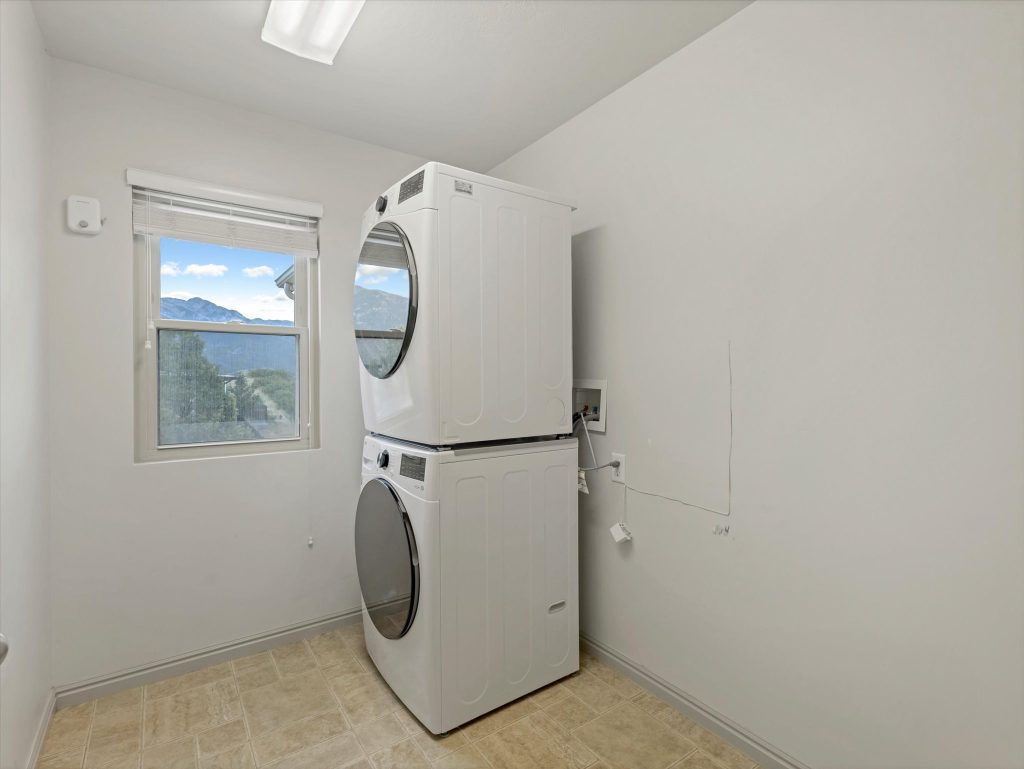
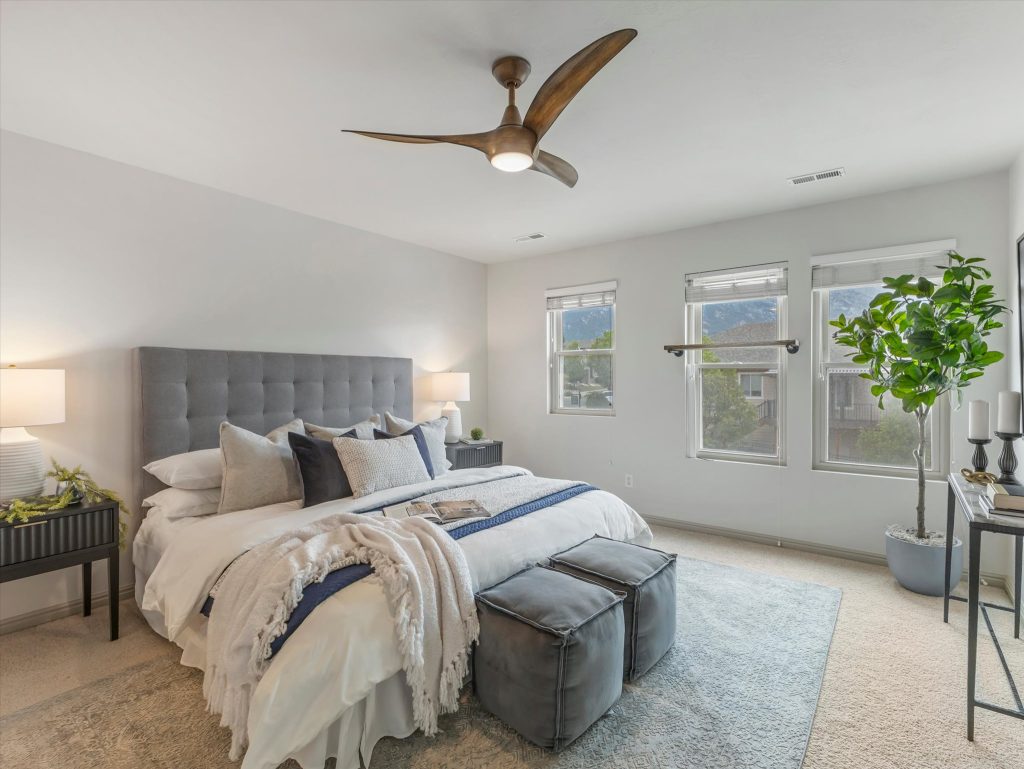
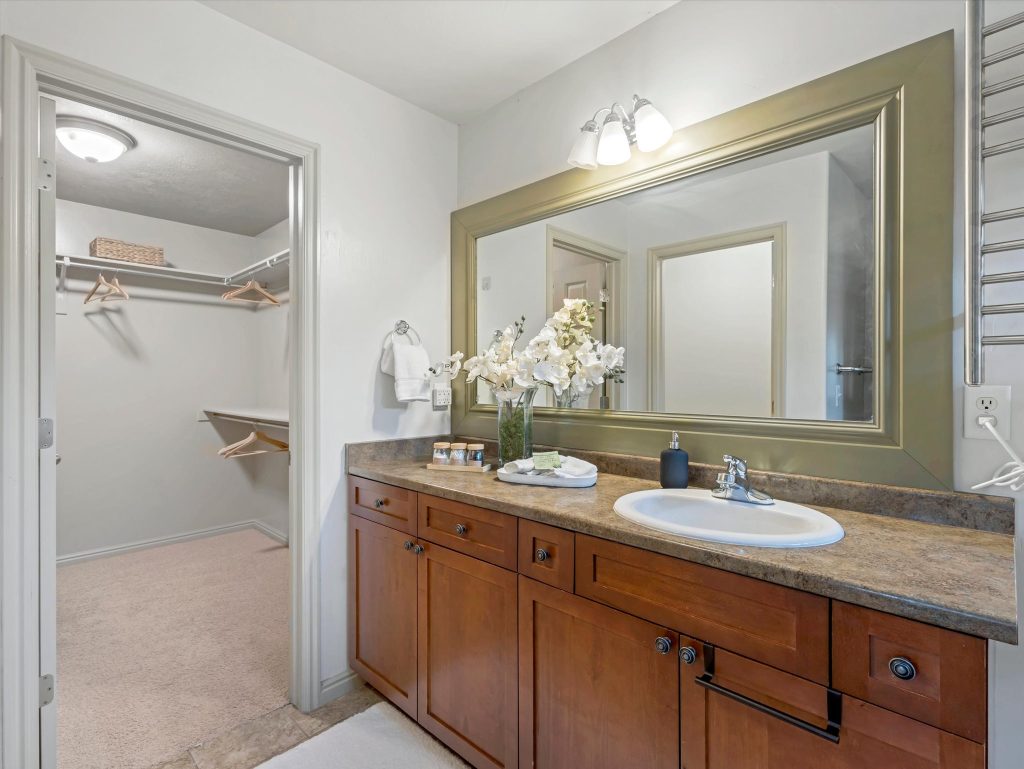
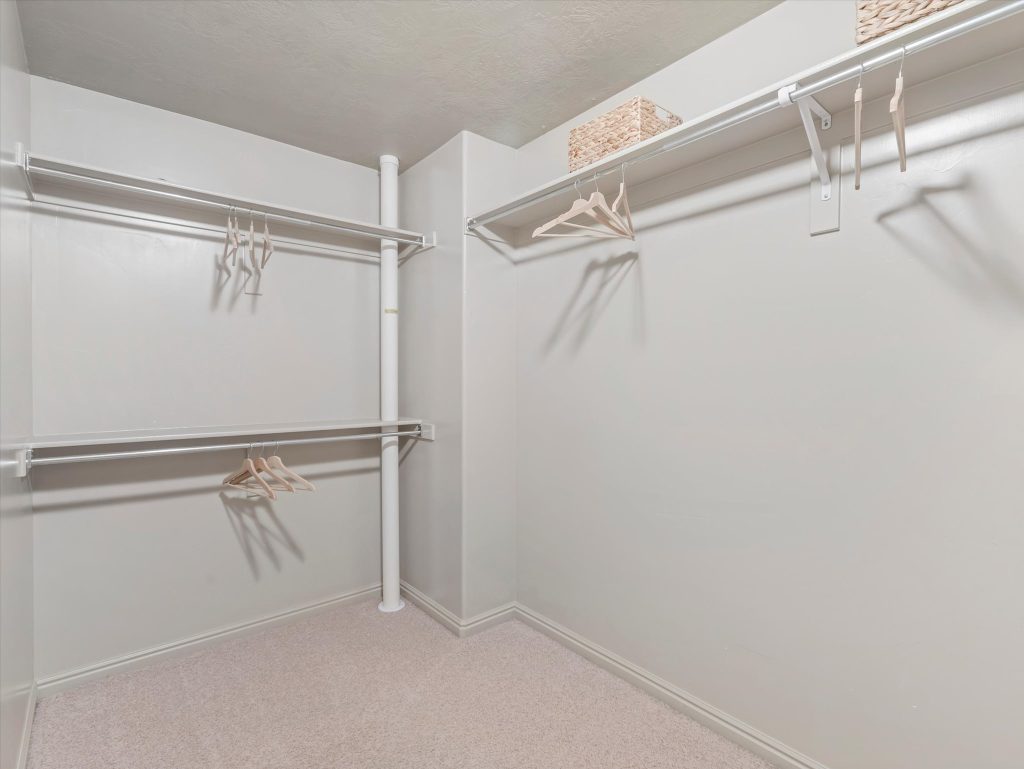
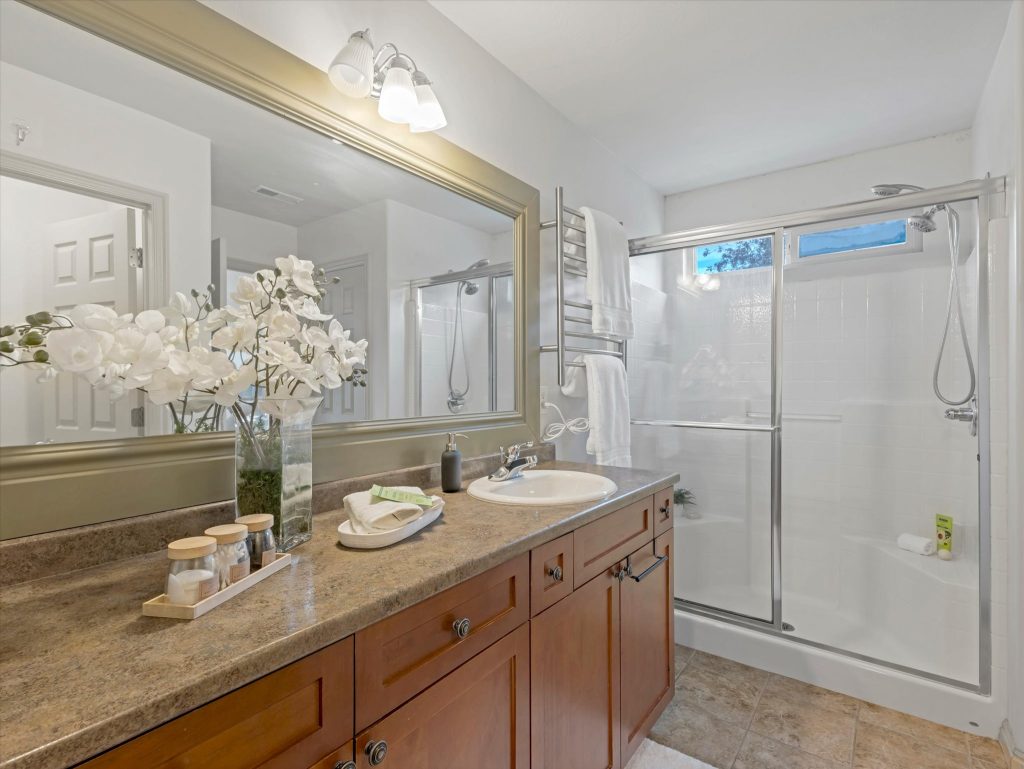
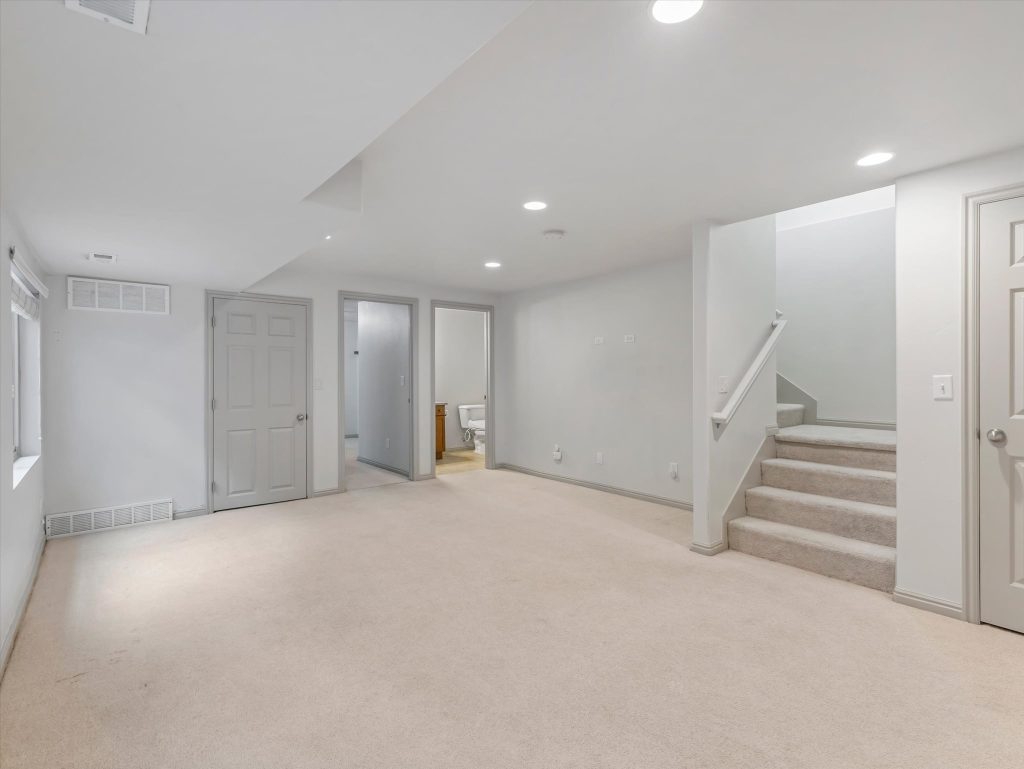
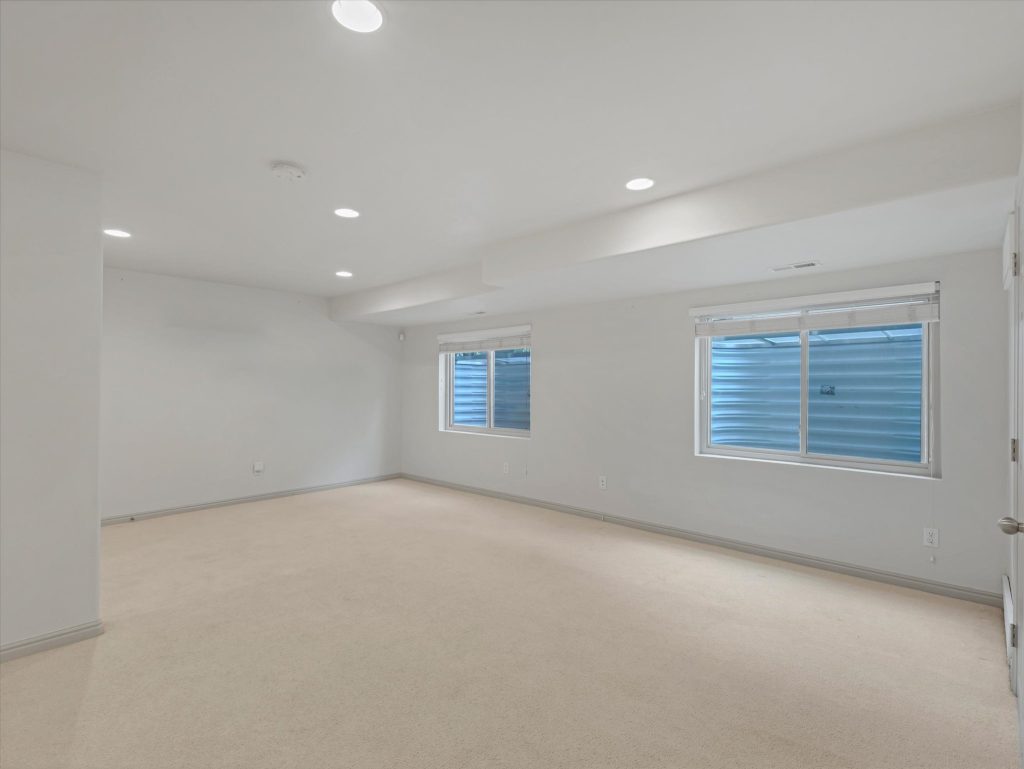
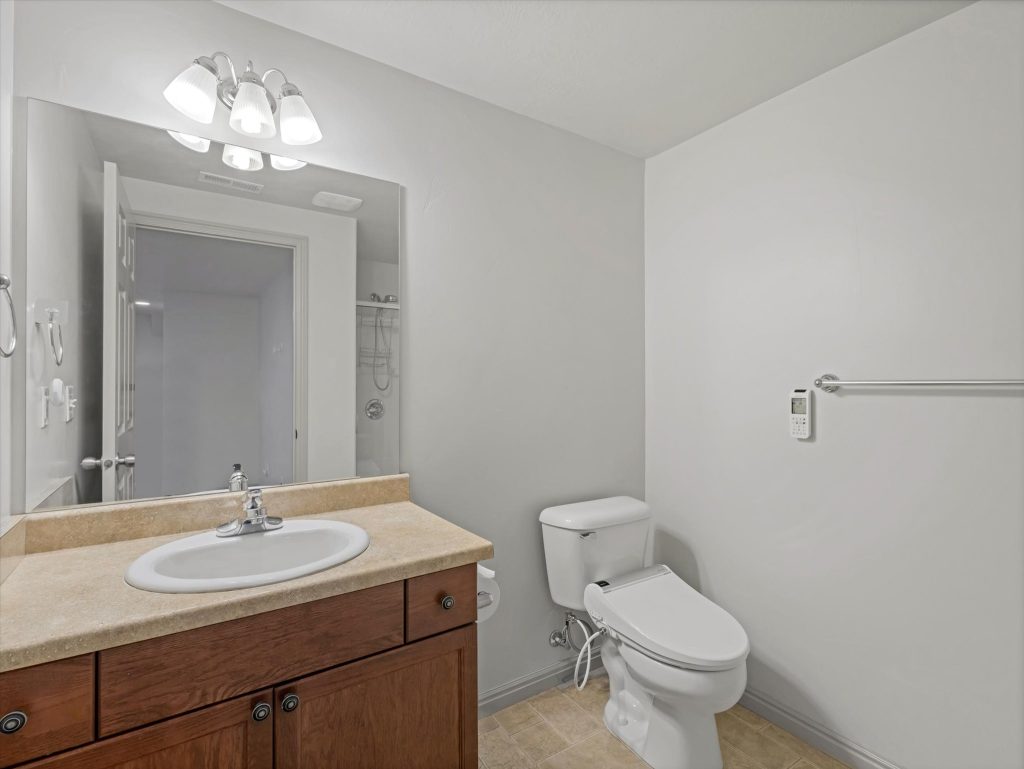
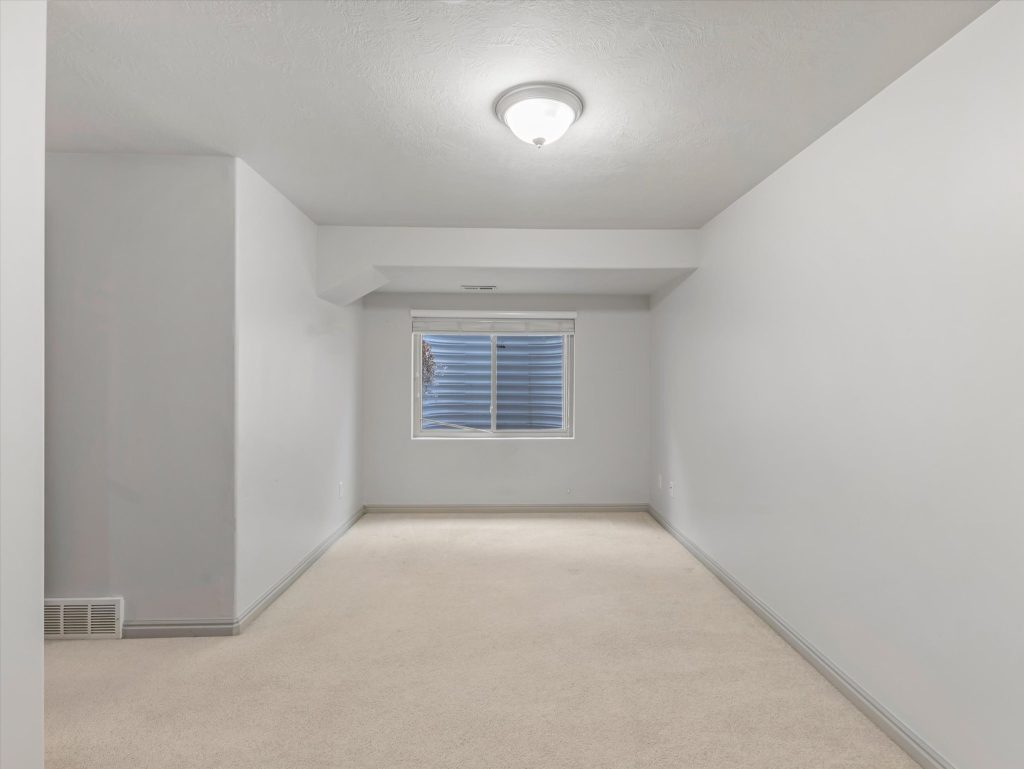
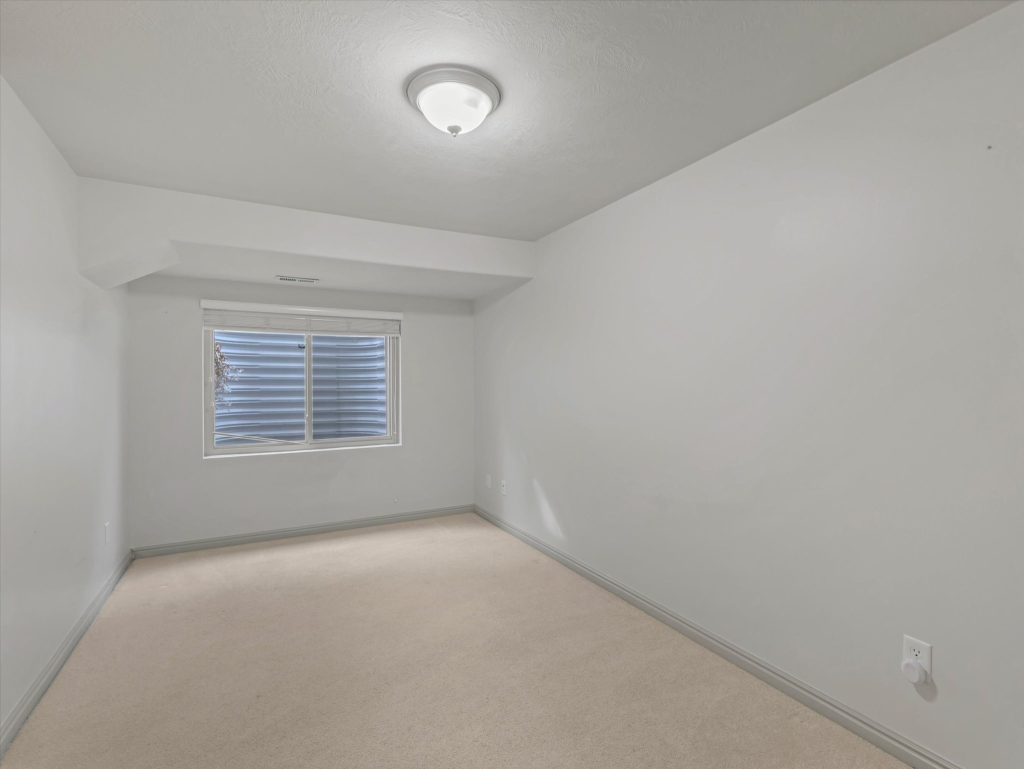
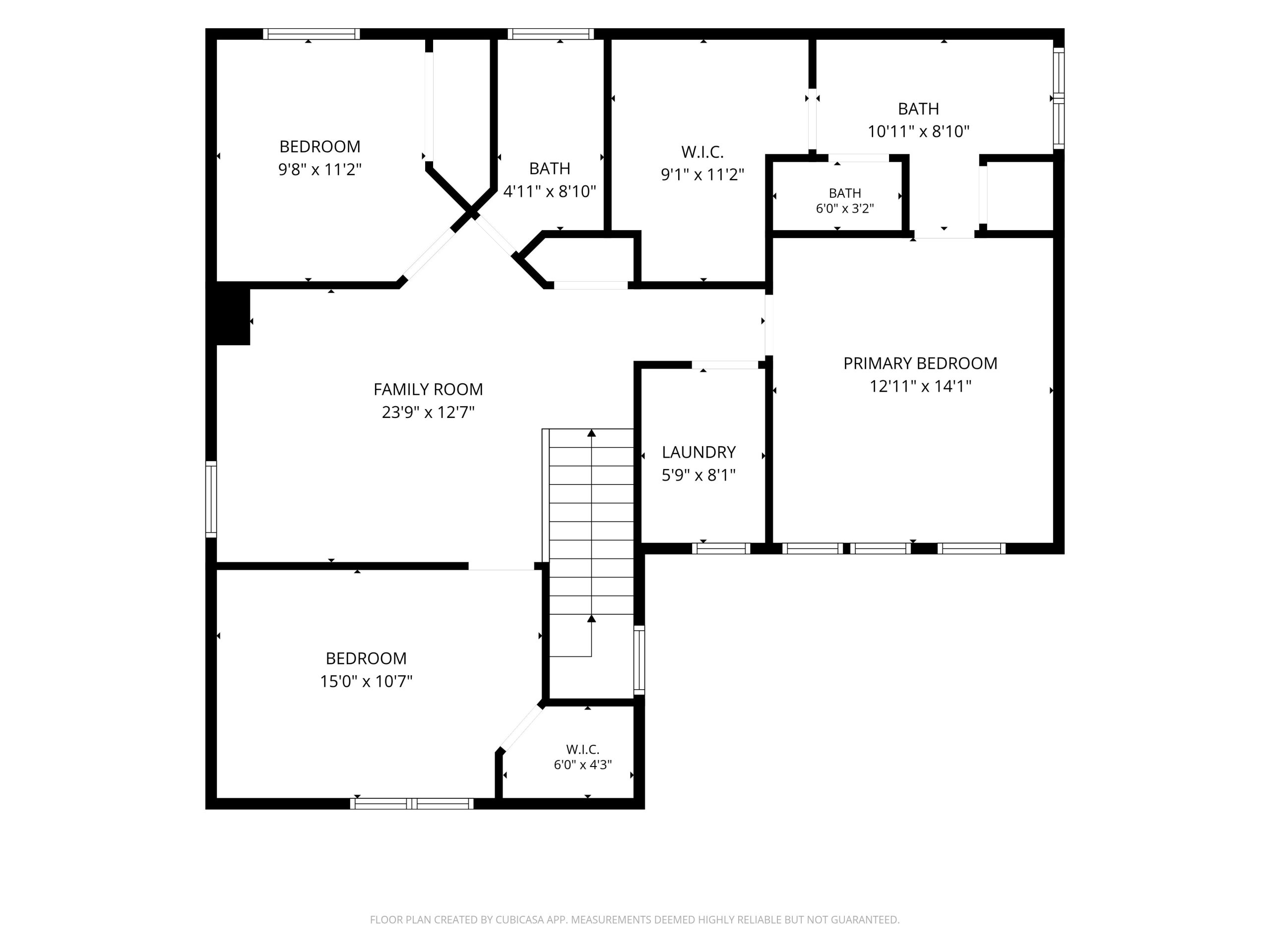
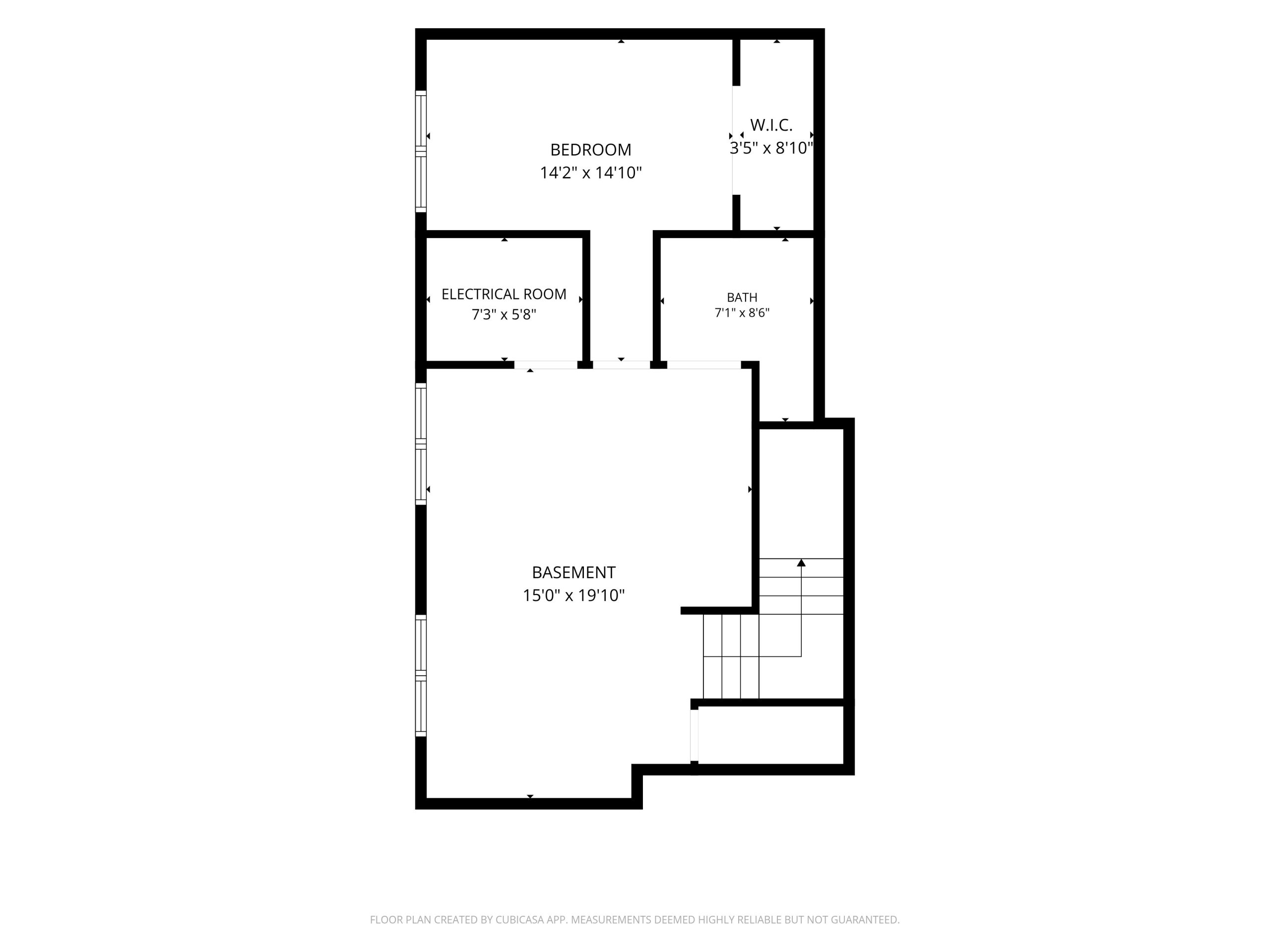
Upstairs, the primary suite is the one sellers keep bringing up, mostly because of what's outside the window: Timpanogos, framed like it was planned that way. Additional bedrooms, a full bath, and laundry share the level, along with a bonus loft that flexes into whatever you need it to be, office, workout space, reading nook. Downstairs adds a second family room, another bedroom, and a full bath, room to grow or space for guests.
Here's the honest part. This one's been staged well, and it shows, but new paint and carpet are next on the list. That's baked into the price. At $675,000 in a SunCrest market that keeps climbing past it, you're buying the flexibility to make the finishes exactly yours. At this price, in this neighborhood, this floor plan is about as savvy as it gets. All it's waiting on is a buyer smart enough to see it.
Ready for your personal tour?
Feel free to reach out to us with any questions you have or to set up a time for your personal tour of this beautiful home.

SCOTT STEADMAN
801-347-1401
SCOTT@WINUTAH.COM
MISTY MEDINA
801-916-0397
MISTY@WINUTAH.COM
July SunCrest HOA Meeting Recap
A 3.3 acre parcel across from the clubhouse was headed for tax sale. By the end of last night’s meeting, it was on track to remain open space, one of several wins in a busy meeting for the community.
Safety and Pool
Residents raised three safety items: a stop sign at Snowblossom Way and Alpine Peak still partly blocked by tree branches, a bent pedestrian mirror at South White Petal Court and Snowblossom Way, and a wasp nest near the pool that led to a sting on July 3rd. The board is following up on all three. Lifeguards also continue reminding residents about swim diapers for infants, after the pool’s first closure of the year.
The 3.3-Acre Parcel
A 3.3 acre parcel across from the clubhouse was at risk of going to tax sale. The city of Draper paid the outstanding taxes to prevent the sale and plans to leave as open space. The HOA indicates they are still interested in exploring a low-cost acquisition.
Three Big Projects Approved
The board approved a clubhouse remodel (new tile, baseboards, and front desk) a tennis court resurfacing that also removes the basketball standards on the court so it can be used properly for tennis, and a set of landscaping upgrades, including converting monument sprinklers to drip irrigation to cut water use.
Gym Access for Teens
Residents ages 14 and 15 can now access the community gym on a trial, with an activated card and a parent or emergency contact required on file.
Looking Ahead: Google Fiber
Google has approached the HOA about running fiber internet through the community. The board is gauging interest before requesting formal pricing. No decision has been made.
What’s Next
The next SunCrest Master HOA meeting is scheduled for August 26 at 6 p.m. via Zoom.
This recap is shared as a courtesy and isn’t an official HOA communication. For questions or official updates, please contact the HOA directly at 801-572-1233.
Stoneleigh Heights CC&R Meeting Recap: What Homeowners Need to Know
Two-thirds of Stoneleigh has never once hit quorum to pass a vote. That single fact drove most of last night’s conversation, and it’s a big part of why the community’s governing documents are being rewritten right now.
If you weren’t able to make the meeting, here’s a rundown of what was covered.
Quick Financial Update
The board approved the Q2 (April through June) financials. The association is currently under budget, largely thanks to a light snow removal season.
Why the CC&Rs Are Being Rewritten
The community’s original CC&Rs were written for a developer-run association rather than a homeowner-run one. A recent change in Utah state law requires updates to bring the documents into compliance, and the board is using this rewrite as an opportunity to shift the language toward homeowner-run governance overall.
Dues, Assessments, and the Vote Threshold Debate
A recurring theme of the meeting was the association’s difficulty getting anything passed. Special assessment votes currently require two-thirds turnout to reach quorum, and by the board’s account, that threshold has never once been met. That has made it difficult to fund projects like exterior painting, even when the need is visible.
A few changes are on the table to address this:
- Raising the current 10% cap on annual dues increases
- A proposed special assessment cap around 300% of annual dues (roughly $5,076 based on current rates), aimed at funding projects like painting
- Lowering the two-thirds vote threshold. Numbers between 51% and 57% came up in discussion, with no final figure set
Homeowners had mixed reactions here. Some pointed out that 67% has proven unreachable in practice, so a lower threshold might be the only realistic path forward. Others raised concerns about how low is too low, and asked for clearer language around what actually counts as a passing vote.
The Rental Cap Debate
The most discussed item of the night was a proposed 40% cap on rental units. Current estimates put the rental percentage at around 30%, though the board noted it’s still reconciling lease records to confirm an exact figure.
Opinions were split. Some residents connected rental units to a disproportionate share of enforcement issues, including parking, unsupervised activity, and general upkeep, and argued a cap would help protect property values. Others pushed back, arguing that enforcement should target specific behavior rather than tenancy type, and raised concerns about property rights, legal exemptions that could push the rental percentage above any cap anyway, and the added cost of enforcing a cap once it’s in place.
No decision was made. The board indicated it’s open to reconsidering the cap depending on broader community feedback.
A New Insurance Requirement
Utah state law now requires the HOA to carry a blanket insurance policy. In practice, this means homeowners would shift from individual HO-3 policies to HO-6 policies paired with the HOA’s new master policy, which carries a $25,000 per-home deductible.
The board estimated this could add roughly $20 a month to dues, while potentially lowering what homeowners pay for their own individual coverage. A few open questions remain, including whether supplemental coverage like earthquake or sewer line insurance can still be added on top of an HO-6 policy. The board is checking with its insurance contacts to confirm.
Meetings Are Going Monthly
The board passed a motion to move regular meetings to monthly for the remainder of 2026, up from the current bimonthly schedule. The goal is to keep momentum going and give residents more regular opportunities to weigh in.
A separate motion passed to amend the management agreement, formally disclosing an affiliation with an insurance company. The board confirmed it is not required to use that insurer and currently does not.
What’s Next
The board plans to redistribute the CC&R redline document, since several attendees at the meeting said they hadn’t seen it. A short survey, with a roughly 10-day response window, will also go out to gather feedback on the most contested items before anything is finalized for a formal vote.
This recap is shared as a courtesy and isn’t an official HOA communication. For questions or official updates, please contact the HOA directly at 801-572-1233.


Suncrest Real Estate
Suncrest Community
About Suncrest Lifestyle
© 2026 SunCrest Lifestyle™ / SunCrest Lifestyle™ is an independent entity and is not affiliated with the SunCrest Owners Association / Terms Of Use | Privacy Policy
